
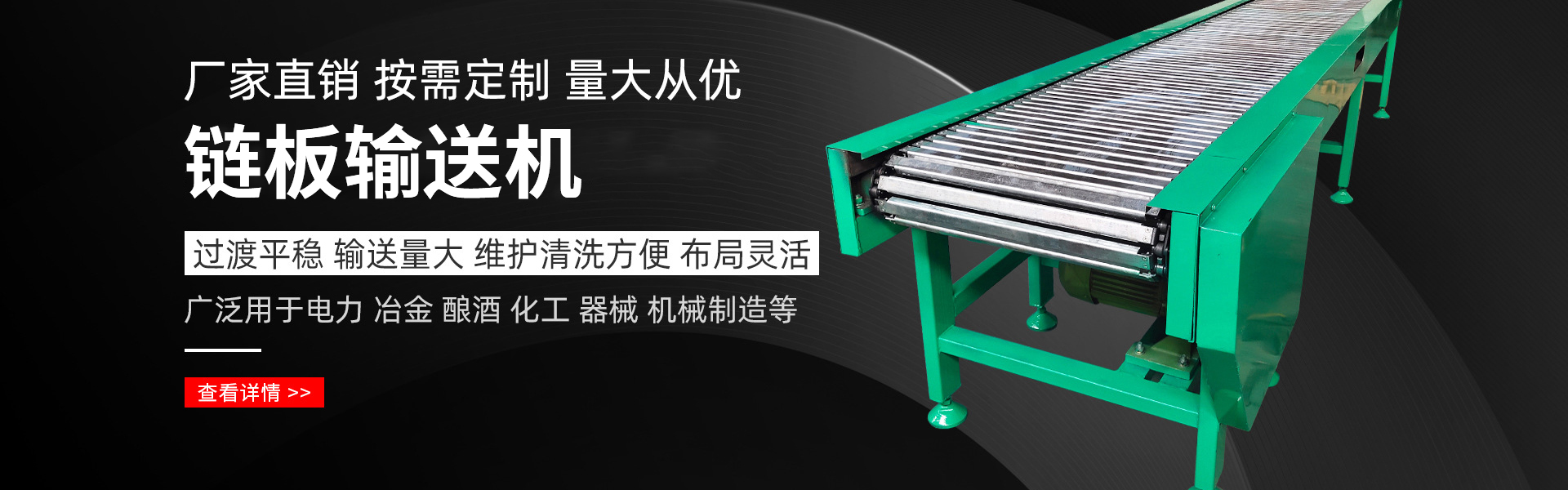
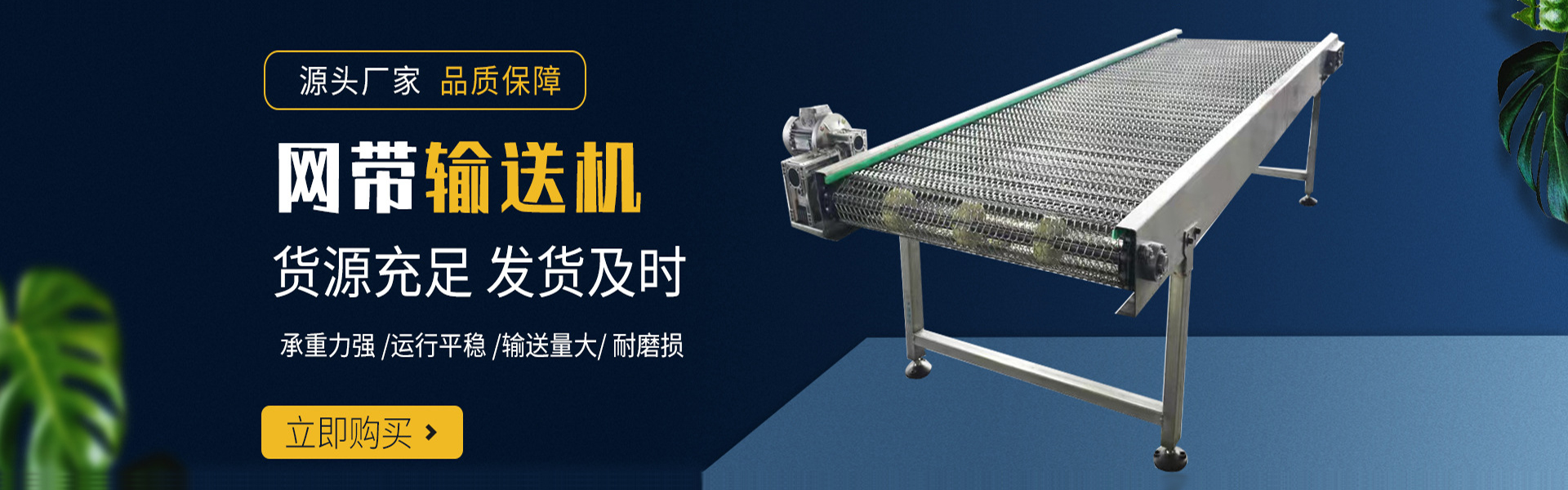

Conveyor systems can be categorized by their operation methods, including: integrated loading and conveying conveyors, belt conveyors, screw conveyors, bucket elevators, drum conveyors, plate chain conveyors, mesh belt conveyors, and chain conveyors.
Key Features
The directional flexibility allows for adjustable conveying directions, up to 180 degrees when expanded.
Conveyor with 8 rollers per unit, each unit can be used individually or connected in multiples for flexible application; installation is convenient.
Conveyor units are flexible and expandable, with a proportion of up to 3 times a single unit.
Field Application Methods
The composition of the belt conveyor system is first explained: The belt conveyor is a crucial equipment for the transportation and handling of bulk materials, widely used in industries such as mining, metallurgy, construction materials, chemicals, power, and food processing. Its extensive application can be seen in coal mines, metal mines, steel industries, ports, and chemical factories. Conveyor machines can not only transport bulk materials but also handle packaged goods. However, due to the differences in application locations, working environments, and types of materials to be conveyed, there are significant distinctions in design and application.
Modern conveyor systems require higher anti-pollution standards, thus featuring sprinkling and dust-collecting devices at all connection points. Windshields or windbreaks are installed along the adhesive belt conveyors. The system is composed of individual machines, so operators and repair personnel must focus on their respective machines while also understanding the interdependence between the systems. Each machine is made up of numerous components, and only by ensuring regular maintenance and upkeep of each part, keeping them in optimal working condition, can the safe operation of the equipment be guaranteed.
We typically cater to a variety of working conditions by considering the application site, working environment, technical performance, and type of conveying material for belt conveyors. In addition to the widely used general-purpose belt conveyors, we also offer a range of specialized belt conveyors with novel constructions, including: steep incline belt conveyors, deep groove belt conveyors and their pressing belt counterparts, tubular belt conveyors, air cushion belt conveyors, flat bend belt conveyors, linear friction conveyors, and wavy edge belt conveyors, among others. Optimization can be conducted in various classifications, and the following is a brief introduction:
Categorized by usage, we offer general mobile conveyors, underground-specific conveyors, open-pit fixed conveyors, special structure conveyors, removable conveyors, loader transfer function conveyors, and steep angle conveyors. Generally, short-distance in-plant conveyors can handle horizontal, upward, or downward transportation. Reverse pattern belt conveyors are suitable for dual material transportation. Jib cranes are typically mounted on reclaimers and can rotate to achieve the function of ore or material placement. Elevated conveyors supported by gantries are usually used in conjunction with other bulk material handling equipment, such as in hydropower construction. They can be equipped with a standard intermediate frame and are mounted on sleepers for easy relocation.
Categorizing by the type of material transported, we have belt conveyors for general loose materials, hard solid materials, and single piece materials. By classifying based on the position of the rubber conveyor's carrying section, there are three types: those with the carrying section above, below, and both above and below simultaneously. Dual conveyors can transport materials independently in the upper and lower branches. However, to maintain the contact surface of the material unchanged, the rubber belt must be rotated regularly.
