
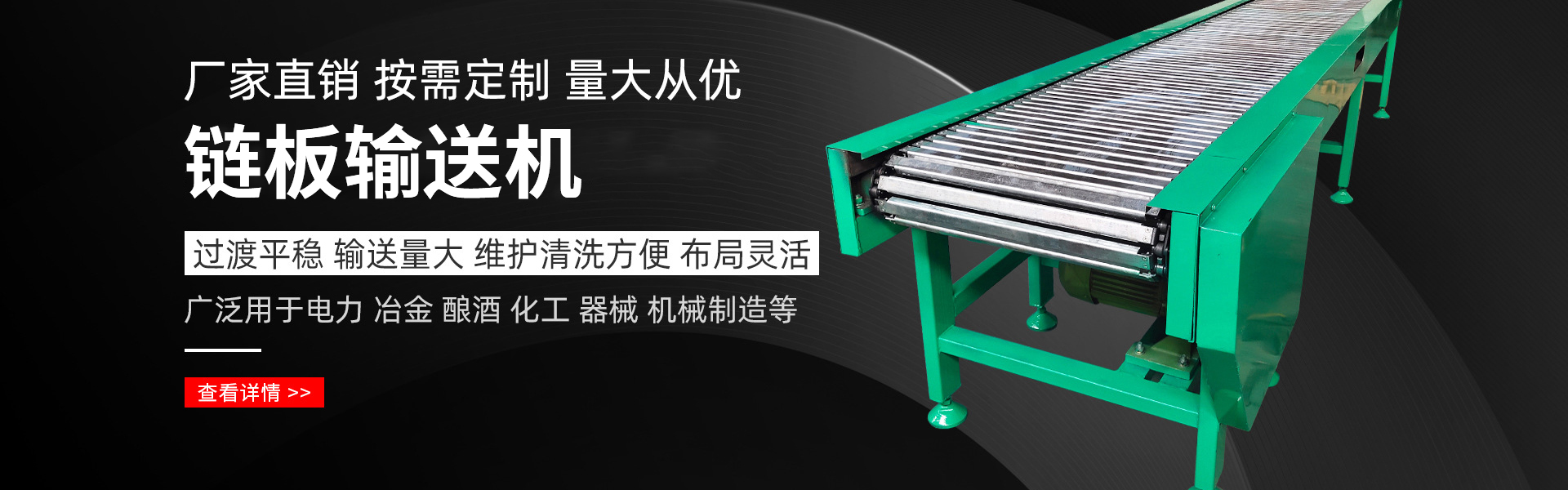
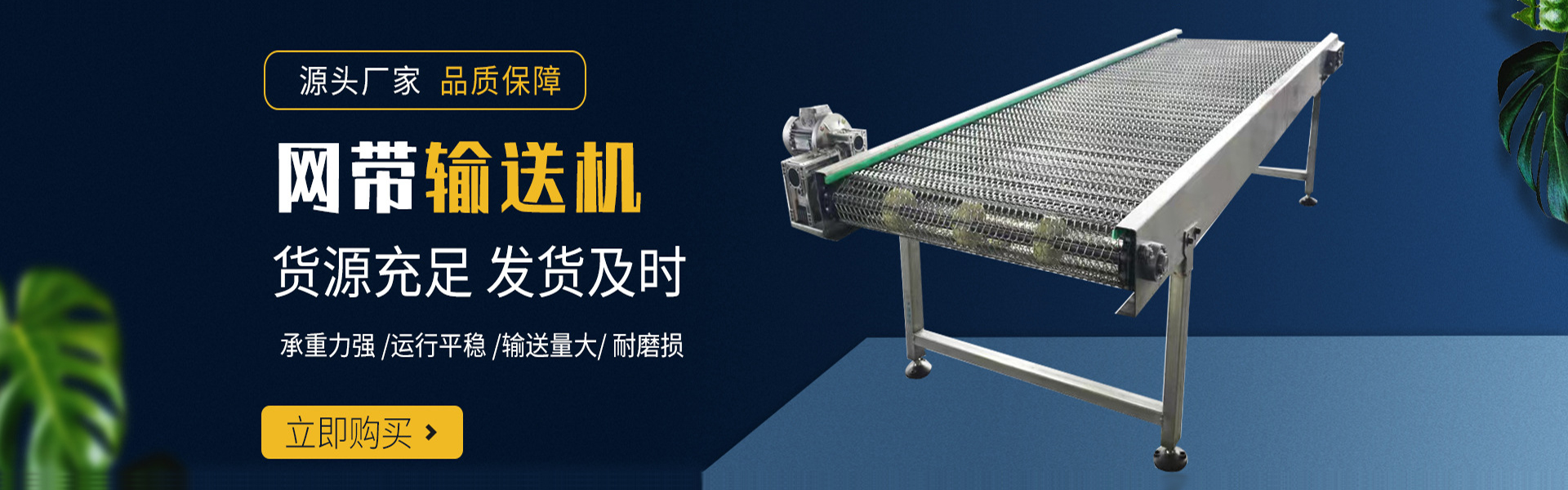

Belt conveyors feature simple structure, easy maintenance, and standardized components, and are widely used in industries such as mining, metallurgy, and coal for transporting loose materials or packaged goods. They can operate individually or be combined with multiple units or other conveying equipment to form horizontal or inclined conveyor systems, catering to the needs of various layout configurations in production lines.
The belt conveyor is suitable for conveying low abrasiveness materials with a bulk density less than 1.67/t/m³, such as powdery, granular, and small blocky materials that are easy to remove, as well as bagged materials like coal, gravel, sand, cement, fertilizer, and grain, etc. The temperature of the material to be conveyed should be less than 60°C. The conveyor length and assembly can be determined according to customer requirements, with transmission options including electric drums or drive units with a belt drive frame (reducer drive).
Belt Conveyors: Features and Applications Belt conveyors, also known as belt transport machines, are widely used due to their high capacity, simple structure, ease of maintenance, low cost, and versatility. They are extensively employed in metallurgy, mining, coal, ports, transportation, hydropower, and chemical industries for loading onto trucks or ships,转载, or stacking a variety of loose materials or packaged goods with a specific gravity of 500 to 2500 kg/m³. These conveyors can be configured as single or multiple units to form a transportation system, and can be arranged horizontally or inclined according to process requirements.
