
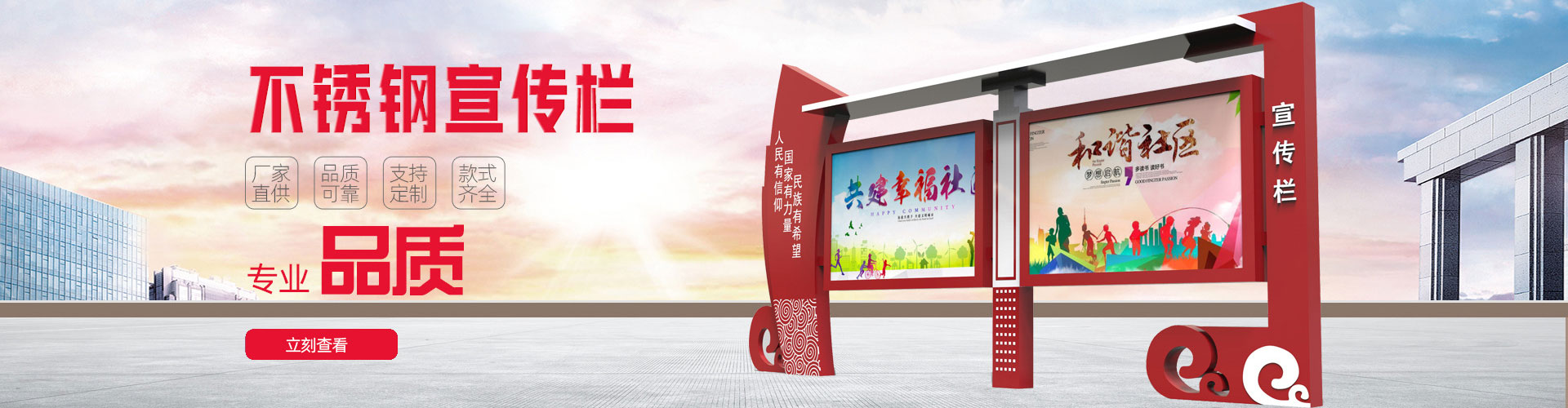


The design differences between rural waiting shelters and urban waiting shelters are somewhat significant. Generally, rural waiting shelter designs adhere to two criteria: personalization and economic returns. Meanwhile, urban waiting shelter designs are gradually evolving towards considerations of humanization and intelligence.
The primary function of a waiting shelter is to provide a temporary resting spot for passengers awaiting their ride. Regardless of the natural environment, the design of the shelter must first fulfill this purpose.
From our experience at Jiangsu Jiu Xing Bus Shelter manufacturers, there is a significant difference in design between rural and urban bus shelters. The key distinctions are evident across several layers:
Township bus shelters are typically installed near rural town roadways, often in natural, suburban settings, and lack regular maintenance. Compared to urban bus shelters, the design of township bus shelters must prioritize enhanced durability considerations. Additionally, they should not be overly complex and should be easy to maintain.
2. The design of urban bus shelters must be functional. In rural and small town roadways, waiting for buses can be relatively lengthy, so components like rain shelters and seating must be reliable. The seating should accommodate long-term rest for waiting passengers, while the rain shelters should provide wind and rain protection for travelers during changing weather conditions.
3. Generally, the economic development trend in rural and small towns is slower, especially in the central and western rural towns. Therefore, the design of rural bus shelters should aim to minimize production costs and alleviate the economic development workload for relevant departments. It's not because rural areas require a separate quality standard for bus shelters; rather, it's determined by the development needs and social nature.
News Center Co., Ltd.
