
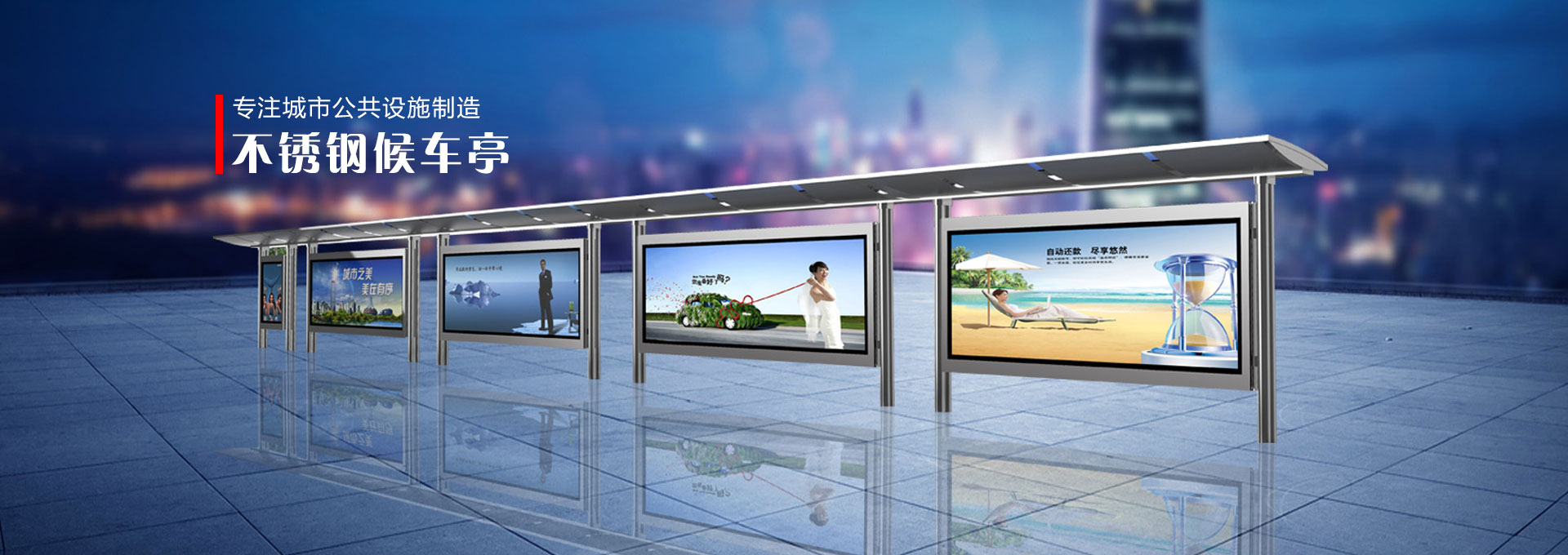
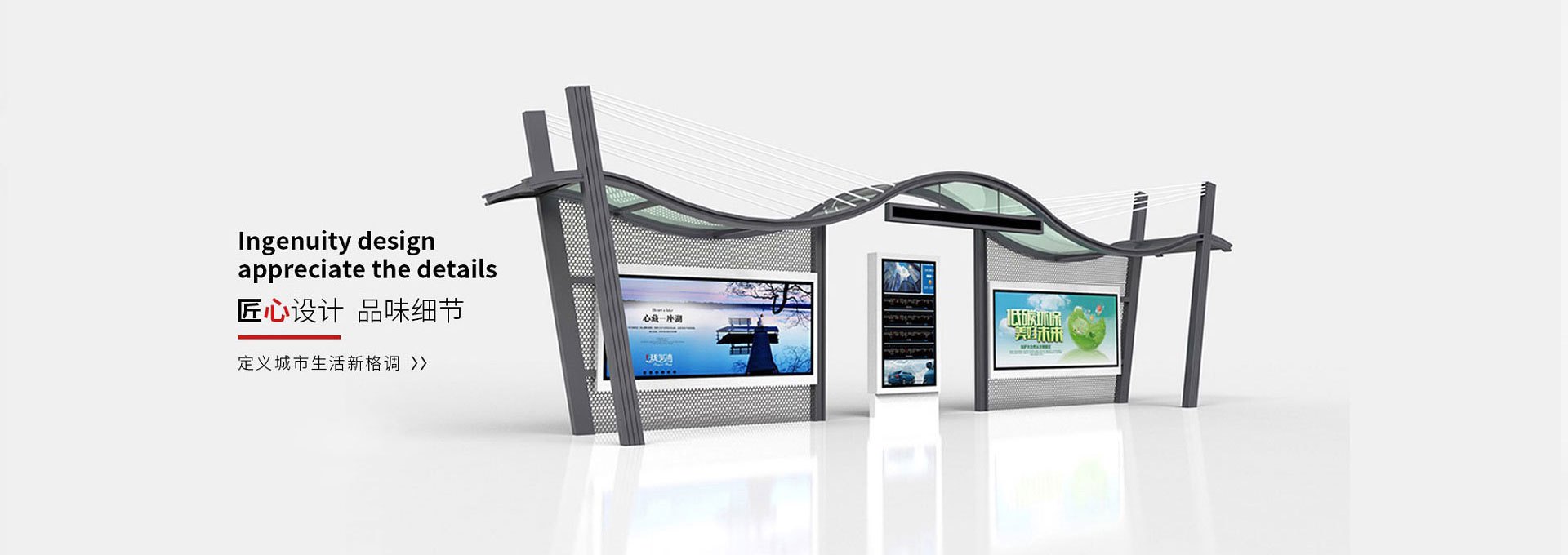
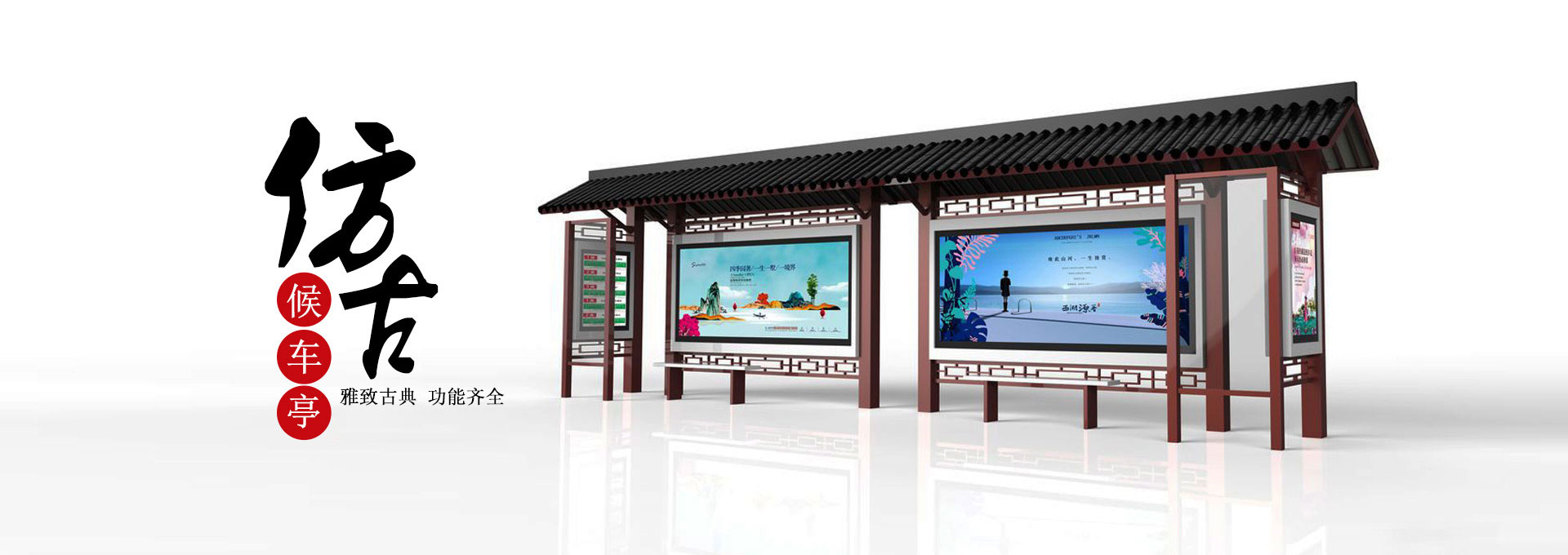

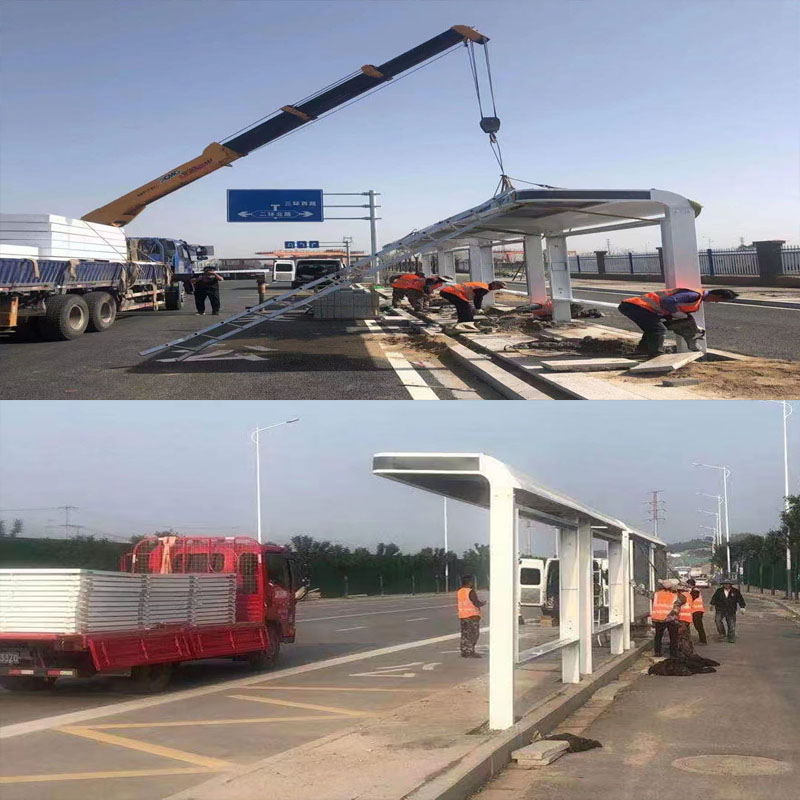
In recent years, with the rapid advancement of technology, our lives have been continuously evolving. Today, we are here to introduce a recent reform in the urban public transportation sector—the installation process of bus shelters. Firstly, let's understand the necessity of installing bus shelters. In urban public transportation, bus shelters serve as a place for citizens to wait for buses and rest. They not only provide passengers with a comfortable waiting environment but also convey the cultural atmosphere and humanistic care of the city. Modern bus shelters, equipped with functions like information release and transportation inquiries, have also integrated green energy-saving and intelligent technologies, setting a new benchmark for urban public transportation. So, what is the installation process like for bus shelters? Firstly, there is the design phase. The design of bus shelters must comply with urban planning and traffic facility regulations while also taking into account passenger needs and aesthetic standards. Next comes the construction phase. After the design is completed, the construction of the bus shelter will begin. This process requires coordination with multiple departments, such as transportation, urban planning, and construction, to ensure the smooth progress of the shelter's location, design, and construction. There is also the inspection and commissioning phase. Once the bus shelter is built, a rigorous inspection is necessary to ensure that the facilities, functions, and aesthetics meet the standards. Only after passing the strict inspection can the shelter be officially put into use, providing better waiting services for the public. In summary, the installation process of bus shelters is a complex one. It not only concerns the development of urban public transportation but also the quality of life for citizens. Let's look forward to more bus shelters adding more colors to our cities!
