

 通过中商114认证

Key Product Selection Points
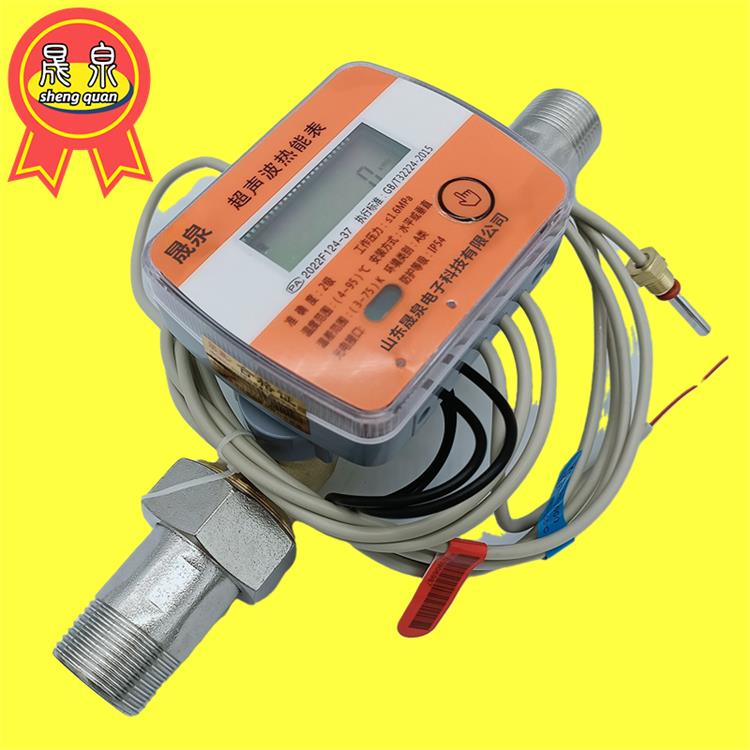
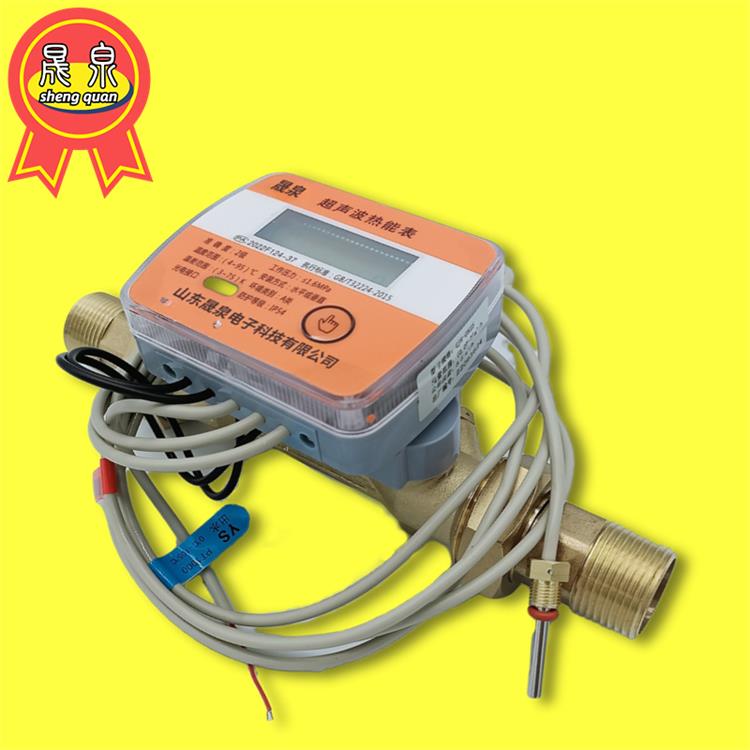
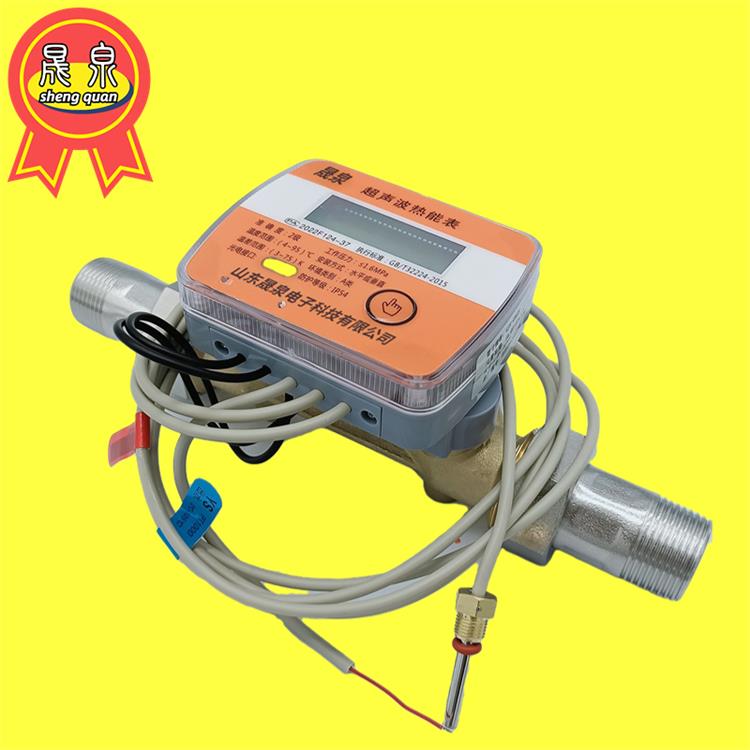
The primary control parameters for ultrasonic heat meters are: nominal diameter DN, normal flow rate, high flow rate, low flow rate, rated pressure, high pressure loss, temperature range, temperature difference range, etc.
Ultrasonic flow sensors measure flow rate by determining the difference in the speed of waves traveling through a thermal medium in the direction of the flow and against the flow. Depending on the sensor's water flow channel design, ultrasonic flow sensors are categorized into single-channel and U-tube configurations.
The ultrasonic heat meter flow sensors feature high accuracy, low pressure loss, and are less prone to clogging. However, factors such as the degree of wall corrosion on the flow sensor pipes, the content of impurities in the water, and pipeline vibration can affect the accuracy of the flow meters.
The specification selection for flow sensors cannot be simply based on the pipeline connection diameter; instead, it should be determined according to the common flow of the heat meter and the flow range under the working conditions of the heat meter.
5. The calorimeter's low flow should be less than the low flow of the measured load; the calorimeter's high flow should be greater than the high flow of the measured load; the calorimeter's normal flow should be close to the rated flow of the measured load; the calorimeter's rated pressure should match the system pressure of the measured load.
6. Select a heat meter with the appropriate accuracy grade based on the application requirements (such as residential meters, building meters, and heat source meters, etc.).
7. The heat meter used for thermal cost settlement should have an accuracy higher than level 3, and should be equipped with the function of remote transmission of thermal measurement data and the capability to store daily heating volumes for more than 180 days.