


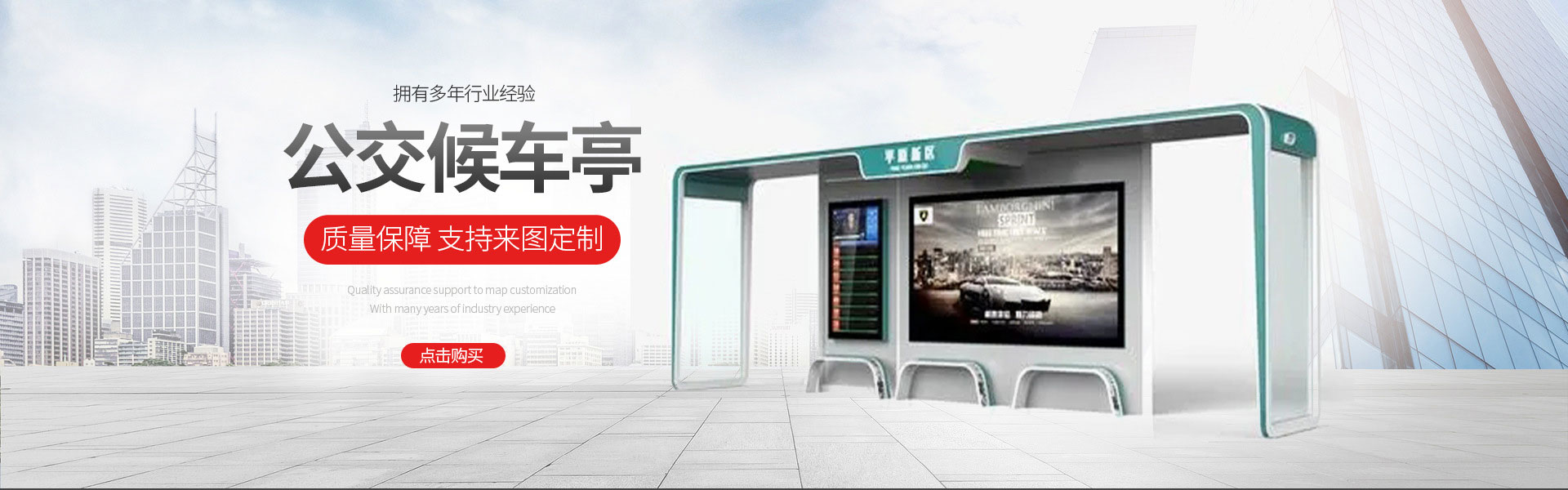

Emphasizes aesthetics and aligns with local characteristics.
Bus stop design is more than just a place to indicate routes; it represents the perfection of a city's public infrastructure and showcases a place's unique functions and special cultural heritage. Therefore, it is essential to pay more attention to incorporating local characteristics into the design. For instance, Chengdu's giant pandas are its highlight and calling card, so panda elements can be integrated into the design to become bus stops that showcase the local charm.
Bus shelters must incorporate modern elements while also emphasizing overall integrity and harmony in materials and structure, showcasing the charm of the ancient capital. More importantly, innovation should be a priority in design, avoiding conventional traditional methods. Designers excel at integrating their own creative ideas. How to express innovation while maintaining basic functionality is a crucial aspect.
2. Basic utility features.
Regardless, the design of bus stops should originate from their basic functions. The primary role of any bus stop sign is to provide route information to passengers, informing them of the frequency of service, the departure times of the first and last buses, and key landmarks along the route. This should be the fundamental function of a bus stop. Of course, when designing bus stations, other functions of the waiting shelters should also be considered, meaning, in addition to the aforementioned basic functions, the shelters should offer a place for people to seek shelter from the wind, rain, and sun.
Additionally, there should be a resting area for passengers while waiting for the train, so the waiting shed should be equipped with seating for rest. However, it's common to find numerous advertisements at bus stops during the wait. While the presence of these ads is justified, it's important to note the reasonable use of billboards; commercial advertisements should not occupy a large portion of the bus stop area.
