Cement Fire Fighting Water Tank
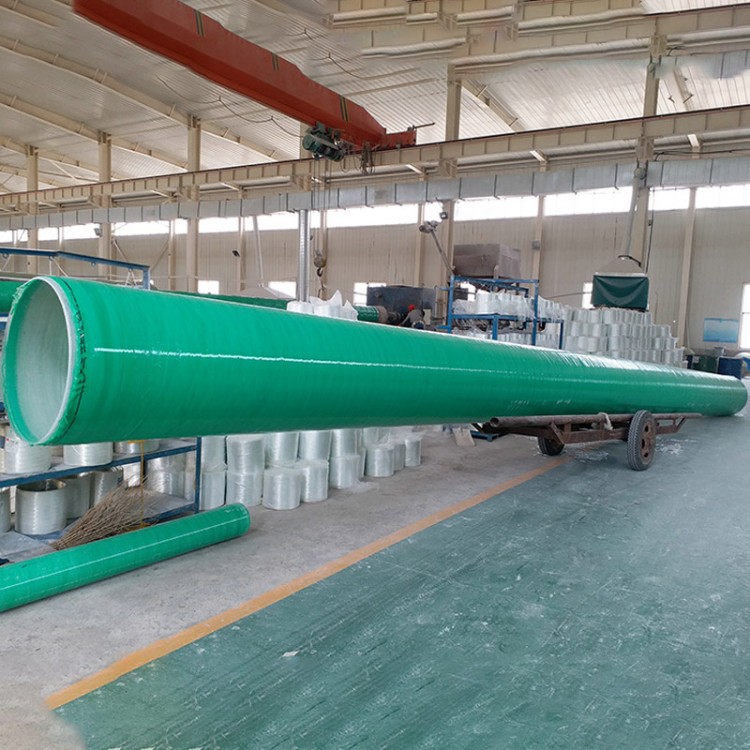 Fiberglass piping
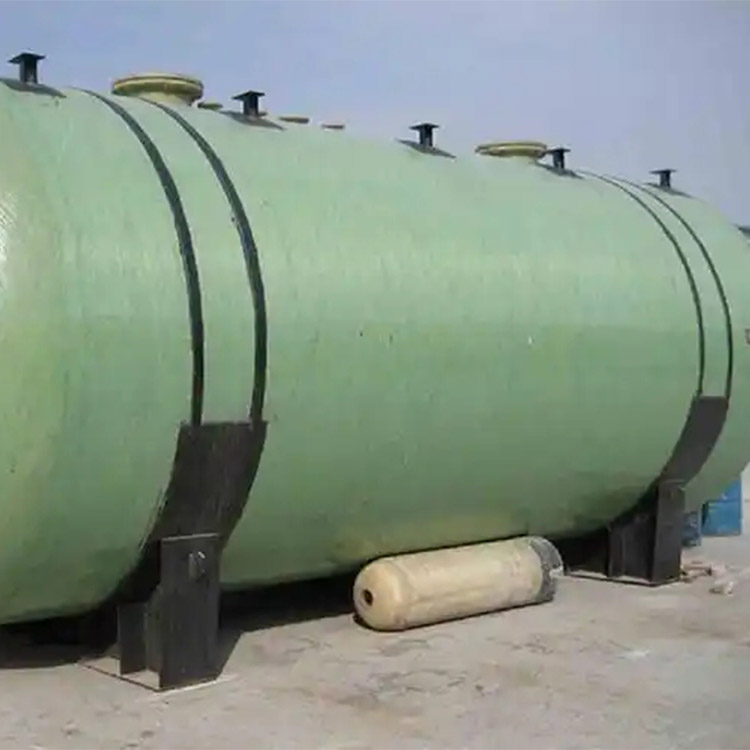 Fiberglass Storage Tank
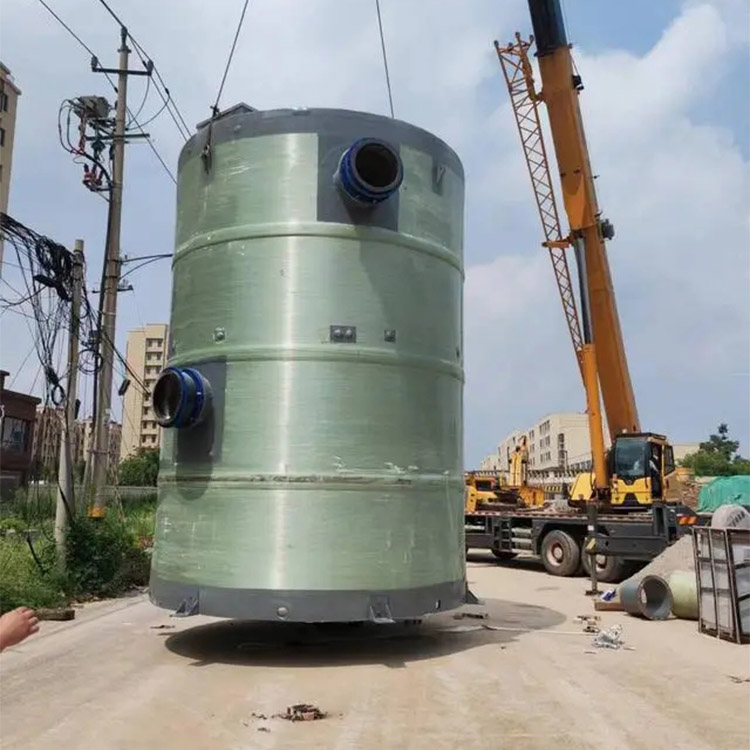 Fiberglass Reinforced Plastic (FRP) Lift Station
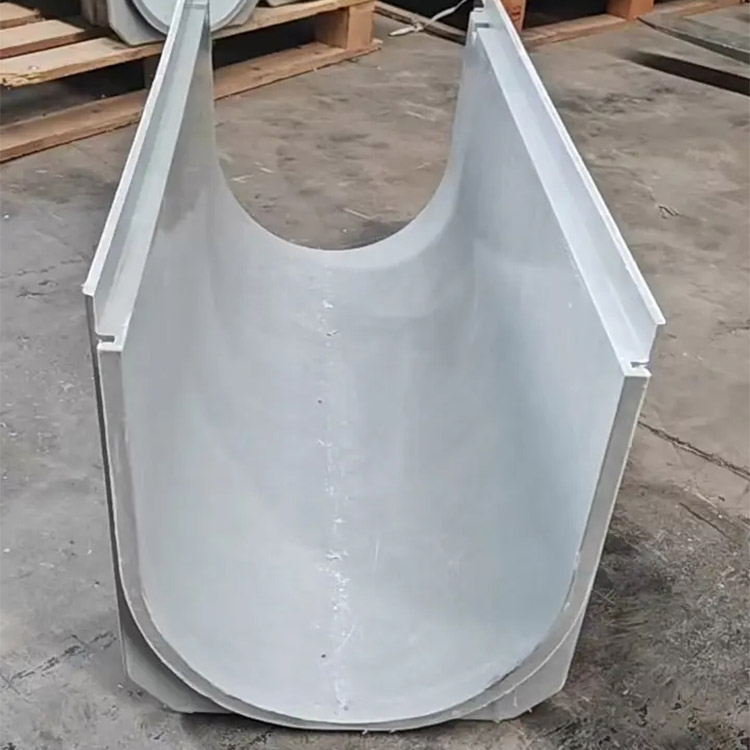 Pressed Drainage Channel
 Molded Processing Services
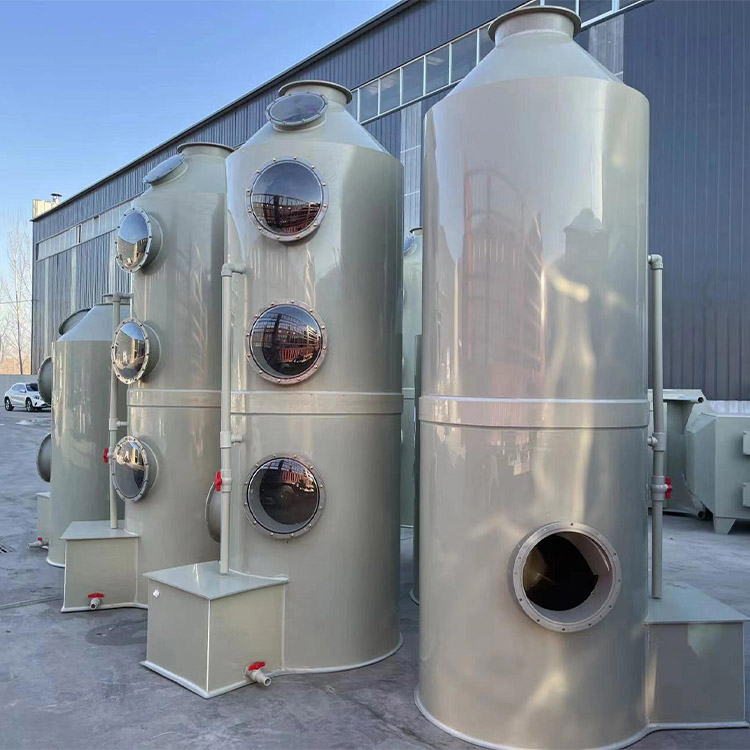 PP Spray Tower
Product Details

Processing, manufacturing, installation, sales, fiberglass products, fibergla...


产品Price Negotiable
最小起订Quantity: 供货总Quantity:


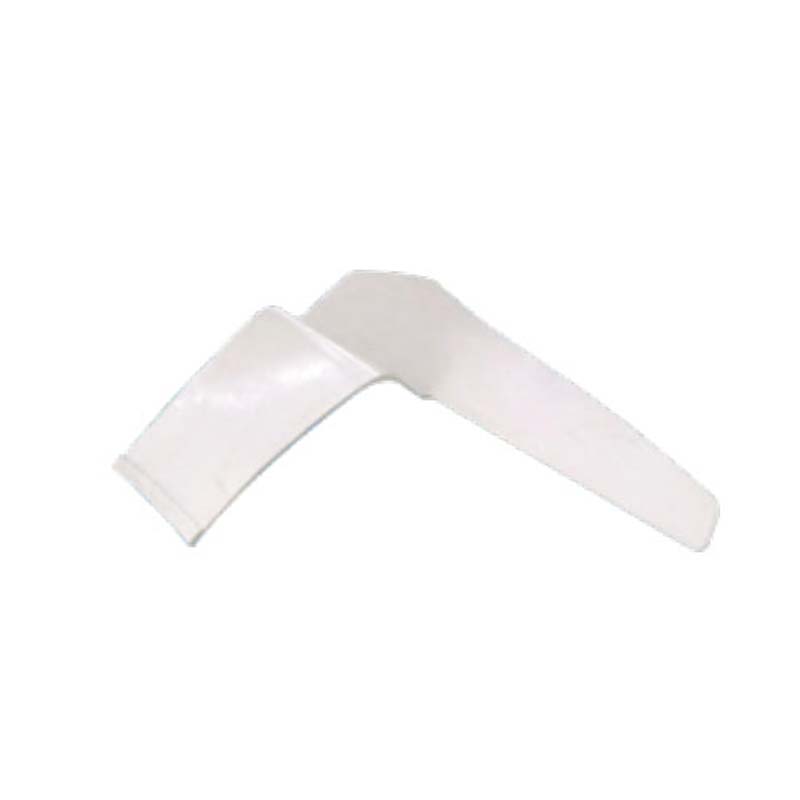
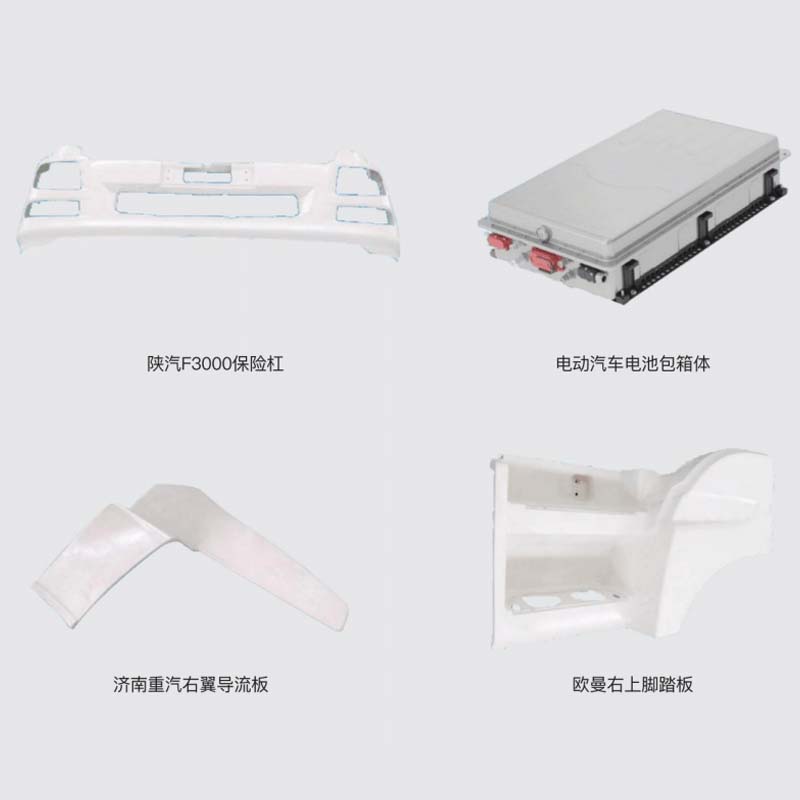
It's estimated that reducing car weight by 10% can save 6% to 8% in fuel. As a crucial lightweight material replacing steel in vehicle construction, fiberglass/composites are inextricably linked to vehicle fuel efficiency, environmental protection, and safety. Utilizing fiberglass/composites to manufacture car body shells and other related components is one effective way to achieve vehicle lightweighting. The advent of fiberglass/composites has provided significant conditions for vehicle design transformation, adding novelty and aesthetic appeal to car products with their high design freedom and ease of molding, realizing the concept of streamlined car body design. Moreover, fiberglass/composites also offer excellent properties such as safety, low noise, and thermal insulation. Due to the reduced weight of vehicles, rolling resistance is minimized, leading to a series of benefits such as lower fuel consumption, energy conservation, reduced environmental pollution, and enhanced safety. The application of glass fiber reinforced plastics (GFRP) and composite materials in the automotive industry began in the 1950s in developed countries like the United States, Europe, and Japan. Now, these materials are widely used in the manufacturing of car bodies and related components for passenger cars, coaches, trucks, tractors, motorcycles, racing cars, refrigerated vehicles, and engineering vehicles.