
 Beijing Cold Patch for Asphalt Roads - Trustworthy Manufacturer
 C80 Wind Turbine Foundation Secondary Reinforcement Grouting Material - High Strength
 C60 Ultra-Early Strength Grout (Shrinkage-Free, Self-Compacting)
 Bridge Support Grouting Material - M50 Early Strength, Non-Shrinkage
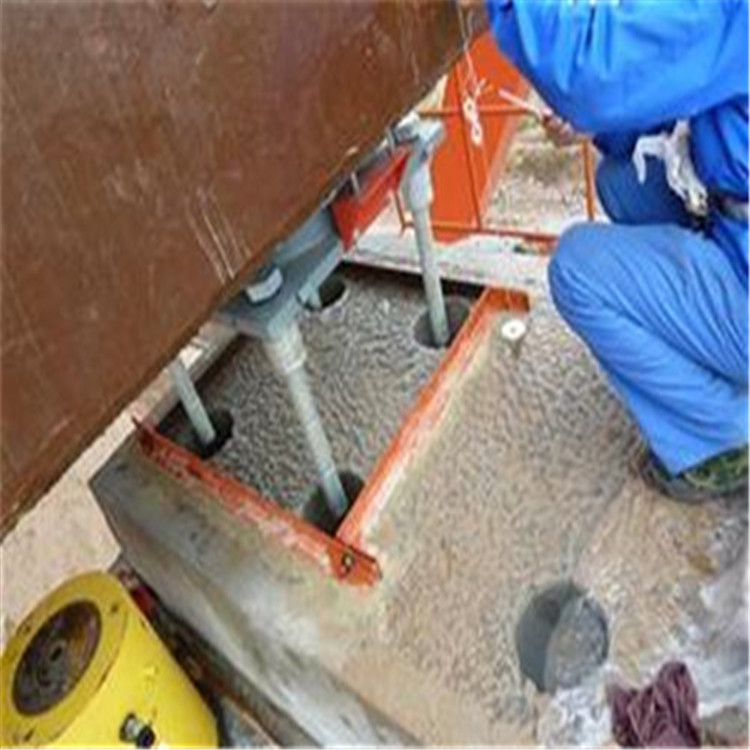 Non-shrink grouting material
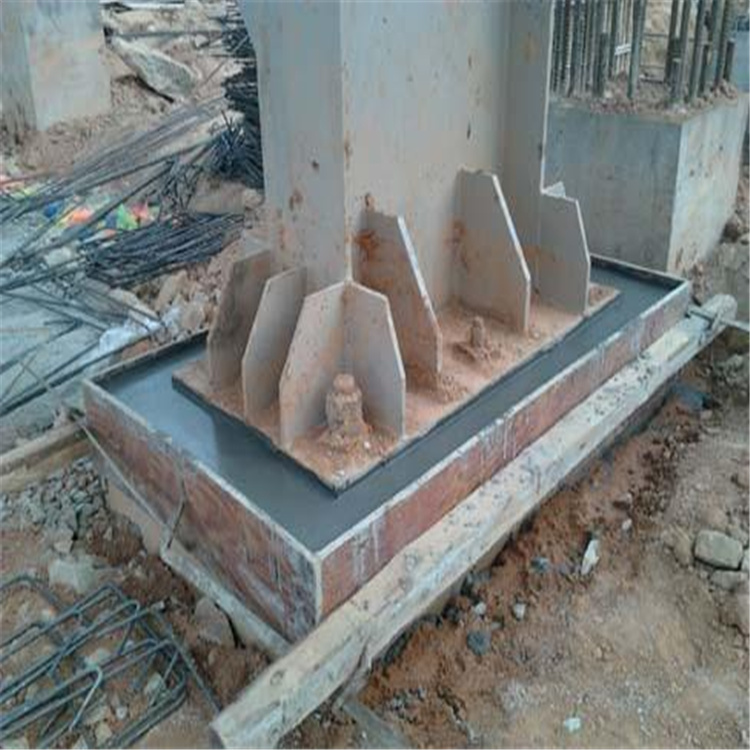 C40 aggregate reinforced non-shrink grout / secondary grouting material
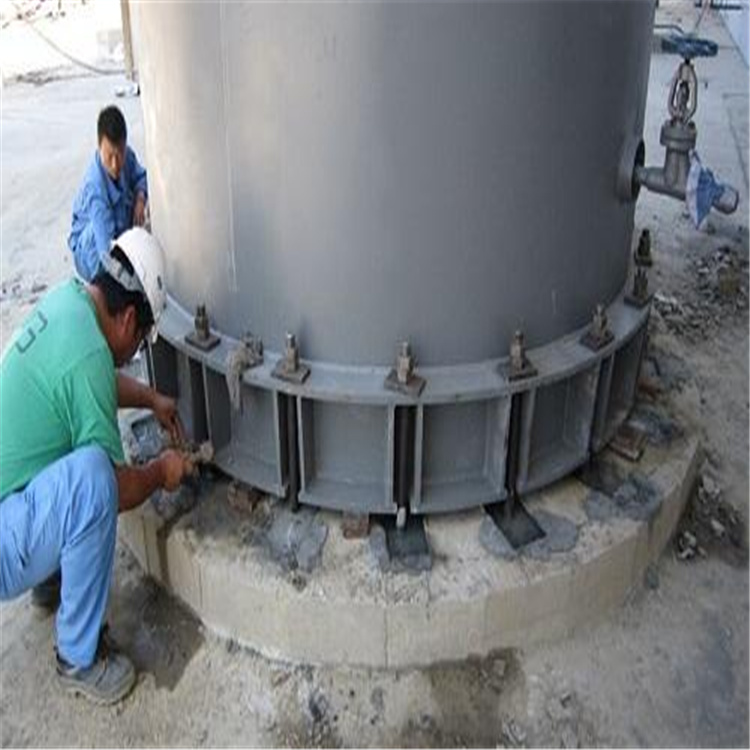 Microexpansive self-compacting mortar - M50 non-shrink
Product Details

Sells construction materials (excluding sand and stone as well as products th...


产品Price Negotiable
最小起订Quantity: 供货总Quantity:


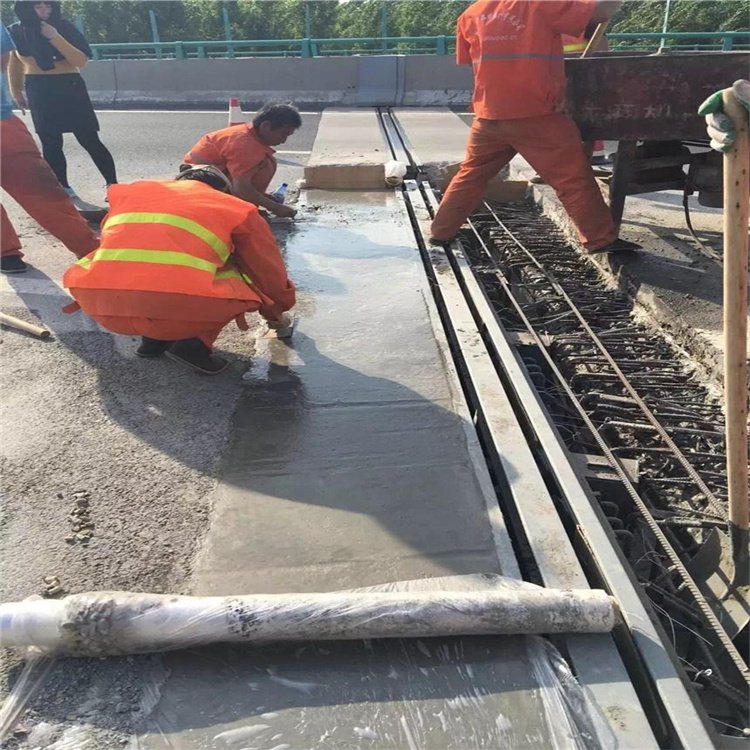
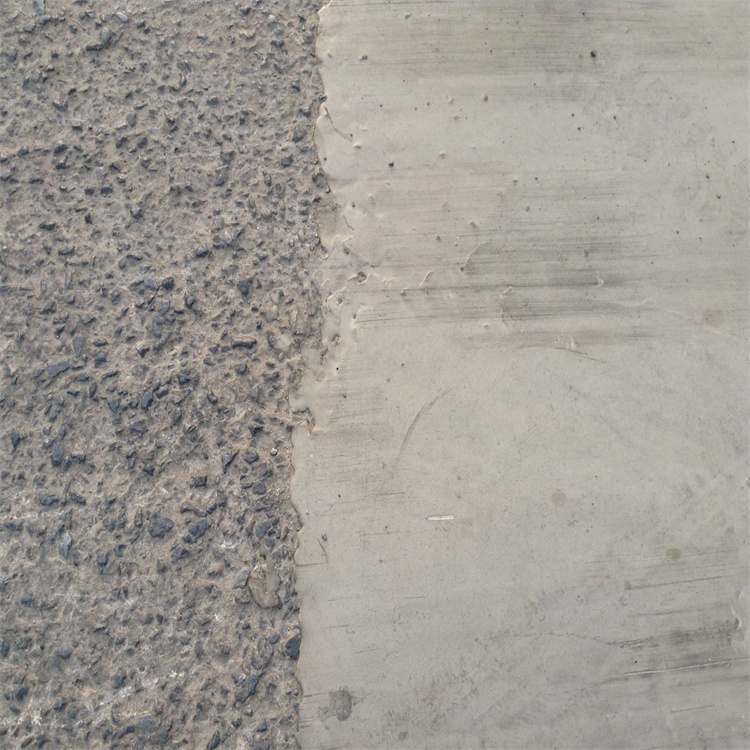
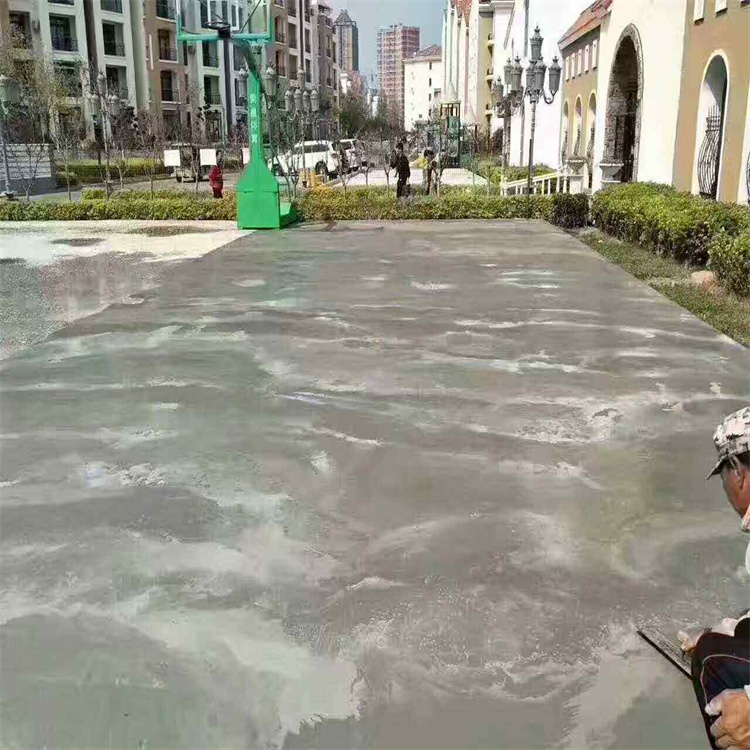
Road repair mortar (cement surface repair material) for 3-5mm thin layer repair A cementitious floor patching mortar is a new type of concrete patching mortar that combines both the adhesive properties of materials and the durability of inorganic materials; it boasts high compressive strength, rapid curing, and excellent adhesion properties.Excellent water retention and crack resistance, high alkaline resistance, and UV resistance; easy to operate, suitable for construction on moist substrates, and environmentally friendly. Simplifies and streamlines the construction process, matches the durability with concrete, shortens the construction period, and ensures cost-effectiveness. Road Patching Mortar Application Range 1Repair of damaged components, beams, slabs, columns, stairs, etc., in concrete structures. 2Coating plaster for leveling protection using stainless steel twisted wire mesh on buildings. 3Repairing concrete damage in roads and bridges. 4Runway, highway lanes, and emergency repairs to damaged sections. 5Repair and emergency repairs for damaged concrete floors in industrial factory buildings. Concrete Surface Repair Mortar, Main Application Primarily suitable for surface damage in concrete structures such as hollows, honeycombs, cracks, spalling, and exposed reinforcement, to restore the good service performance of the concrete structure. It can also be used as leveling mortar for carbon fiber reinforcement, high-performance masonry mortar, and protective leveling mortar for reinforcement with steel wires in buildings and structures. This product, enriched with various polymer modifiers, adhesive powders, and crack-resistant fibers, boasts excellent workability, adhesion, impermeability, resistance to spalling, frost-thaw resistance, carbonation resistance, crack resistance, and corrosion inhibition for reinforcing steel, along with other properties. Road Sand Patching Mortar Features 1Ease of construction: Excellent in construction and ease of use. No vibration is required during construction; just add water and mix on-site for use. 2Early strength, 1Compressive strength of up to 20 MPaMaximize engineering progress within the deadline. 3High water resistance: Excellent resistance to water penetration, 1.7 MpaWaterproof and pressure-resistant, meets P16 standardRequirements for concrete's impermeability performance 4Excellent bonding performance: When using concrete surface treatment agents, the bonding strength with new and old concrete exceeds 1.8 Mpa.Ensures a strong bond between the concrete repair mortar and the repaired base. 5Can be used for winter construction: Polymer patching mortar allows for environmental temperatures as low as -5When above °C, perform outdoor construction for the repair of door facings, horizontal surfaces, and roof surfaces on concrete structures. 6High durability: 50After one freeze-thaw cycle, there is no significant change in strength; soaked in engine oil for 30The天后intensity has increased. Road Patching Mortar Application Method 1Base requirements and treatment: The base surface should be smooth, rough, clean, free of oil stains, and without floating dust. There should be no sanding, hollowing, or cracking. Before construction, it should be washed with high-pressure water and kept moist, but no water accumulation is allowed. For interface bonding, it is recommended to pre-coat with an interface treatment agent. 2Material Ratio: Powder to Water at a Mass Ratio of 100:13Measure and place. Actual usage of 90Mix the remaining water into the powder, ensuring it is well blended.Water should be gradually added while stirring to prevent clumping. The mixed slurry should ensure consistency at 30Exhausted within minutes. 3Construction: On damp concrete subgrade surfaces, the area of patching mortar application should not be too large at one time, and the construction should be done in strips and blocks, with each block not exceeding 10 square meters.When performing layered construction, the seam positions should be staggered. 4After the patching mortar is laid, it should be pressed and leveled in one go, and it is not advisable to repeat the pressing and leveling. In case of bubbles, they should be pierced and pressed tightly, ensuring a dense surface. The thickness of the facing layer on the vertical or overhead surface should be greater than 10mm.Construction should be carried out in layers.

