
 Beijing Cold Patch for Asphalt Roads - Trustworthy Manufacturer
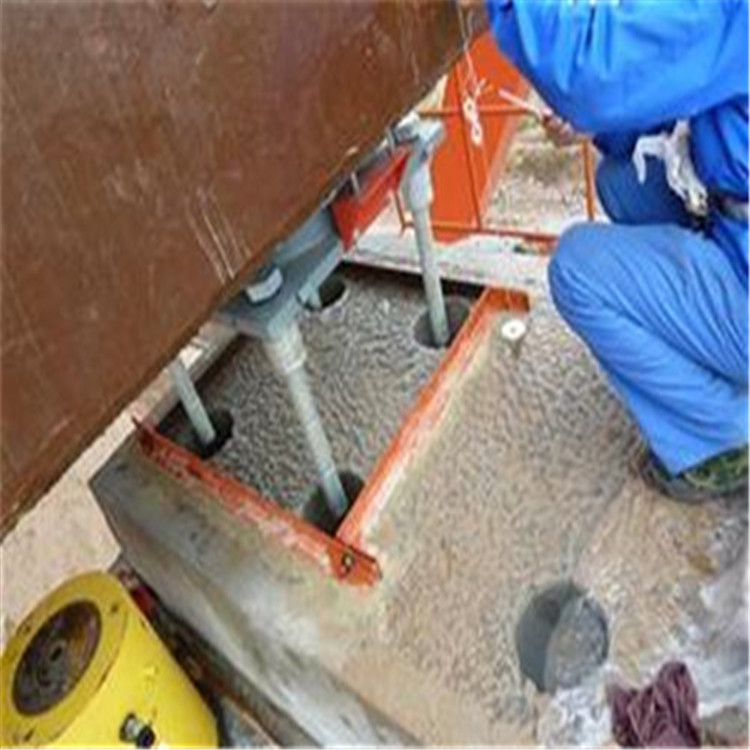
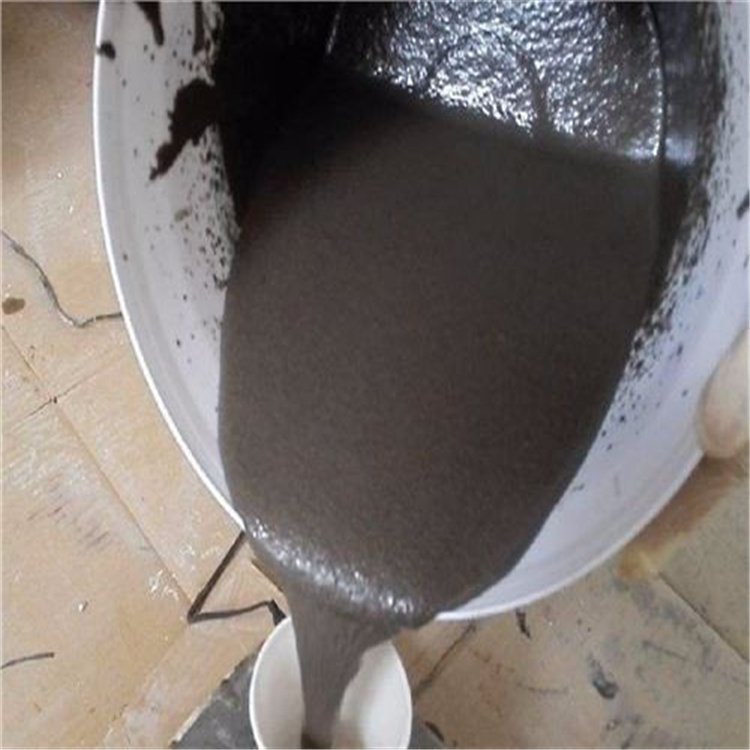 C80 Wind Turbine Foundation Secondary Reinforcement Grouting Material - High Strength
 C60 Ultra-Early Strength Grout (Shrinkage-Free, Self-Compacting)
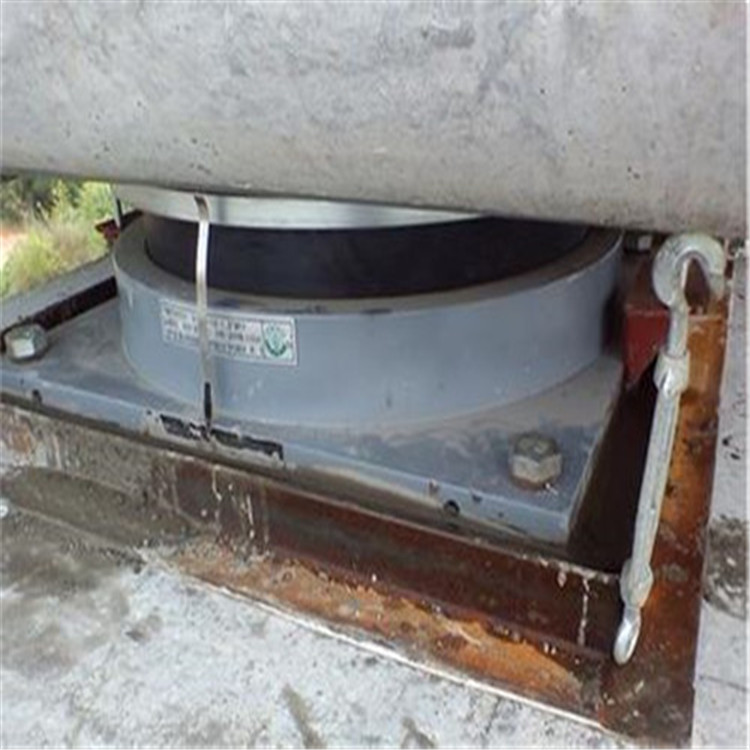
 Bridge Support Grouting Material - M50 Early Strength, Non-Shrinkage
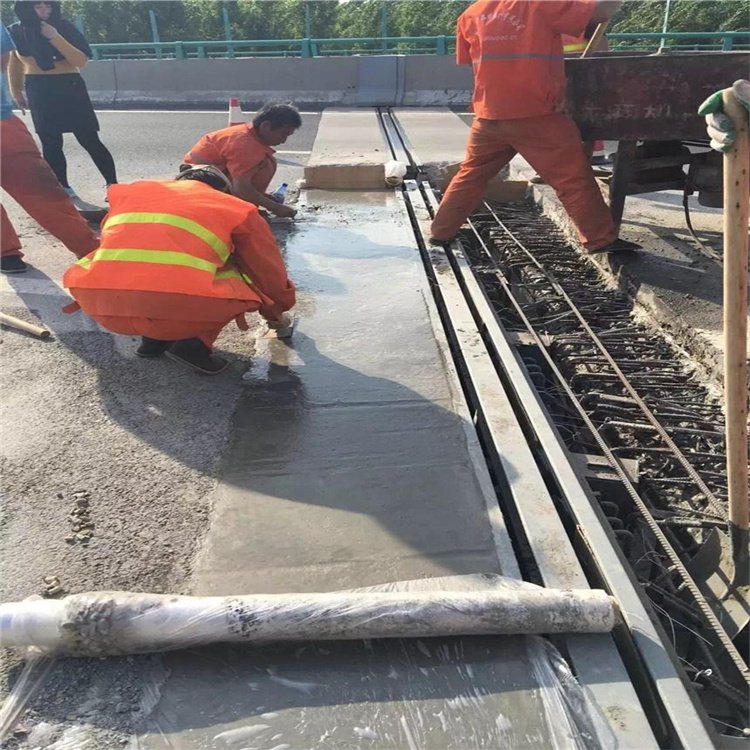
 Non-shrink grouting material
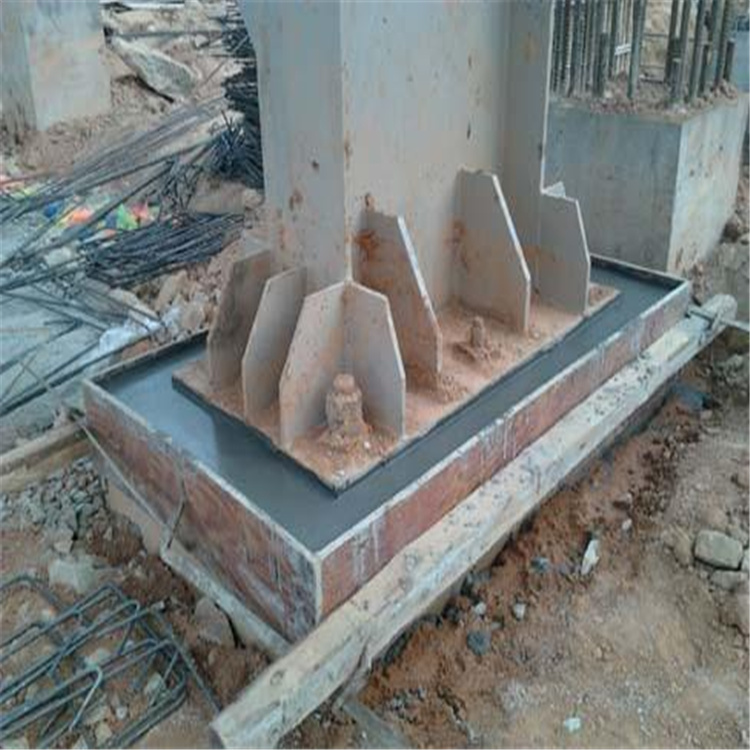 C40 aggregate reinforced non-shrink grout / secondary grouting material
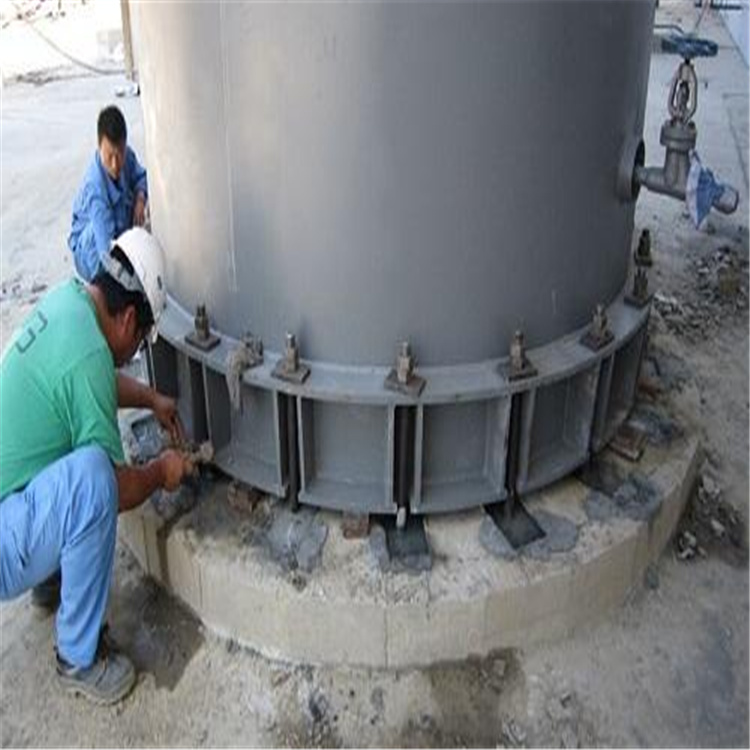 Microexpansive self-compacting mortar - M50 non-shrink
Product Details

Sells construction materials (excluding sand and stone as well as products th...



产品Price 3000.00/ton
最小起订Quantity:1 ton 供货总Quantity: 100 ton


Supplier of Type II rigid cementitious penetrating crystalline waterproof coating Cement-based crystalline waterproofing coating manufacturer--Application Basement floor, as well as bathroom, kitchen, and balcony waterproofing, utilizes cement-based crystalline waterproofing paint. I. Product Introduction Waterproofing crystalline coating based on cementitious material is a product developed by Beijing Shunjian Xingye Engineering Technology Co., Ltd. It is composed of silicate cement, quartz sand, and various special chemicals. Among them, the quartz sand in the silicate cement serves as the base material, with the key role played by the various special chemicals. When the waterproof coating is applied to the concrete surface,Later, these chemicals partially react with the cement hydration in the coating, while the rest react with calcium hydroxide within the concrete to form insoluble crystalline substances. These crystals block the capillary pores and small cracks in the concrete, automatically reducing the small damage to the concrete, decreasing its porosity, and enhancing its secondary waterproofing ability—a feature not possessed by many current waterproofing materials. II. Key Features 1Easier to install, suitable for application on damp substrates without damaging the original concrete structure. Just mix the waterproof coating with a certain amount of clean water, stir well, and then apply it. Particularly ideal for installation on the backside. 2The longer the time, the deeper the composition, the more crystals formed in the mortar concrete, and the higher the grade of resistance. 3Has secondary waterproofing function. When concrete develops pores due to excessive water pressure, the waterproofing coating can automatically渗透 into these tiny pores, restoring the砂浆 concrete to its ideal resistance. 4Waterproof effect. Even if the waterproof coating layer peels off, the components in the mortar concrete can continue to react and form crystals, blocking the pores. 5The waterproof coating does not affect the breathability of mortar and concrete. The crystalline components formed in the mortar and concrete block water molecules but allow air molecules to pass through. 6After curing, the waterproof coating has high strength, no additional protective layer is required, and the application is simple. 7The coating itself is a standard cement color, which will not affect the appearance of the mortar concrete. Section 3: Applicable Scope Shunjian Xingye Waterproof Coating, as a crystalline waterproofing coating, is widely applicable for waterproofing the face and back sides of buildings and structures made of cement mortar and concrete, such as basements, subways, bathrooms, kitchens, reservoirs, swimming pools, water storage buildings, foundations, and concrete roadways. 4. Construction Conditions 1Construction cannot be performed in the rain to prevent the loss of components from the waterproofing paint. 2Ambient temperature is:5℃--30At temperatures of °C, construction is most suitable. The environmental temperature should not be too high and humidity too low, otherwise the coating will evaporate moisture too quickly, leading to insufficient penetration of components in the waterproofing paint. 3The substrate mortar concrete must be adequately moistened prior to construction. V. Construction Tools Surface Preparation Tools: Chisels, Hammers, Wire Brushes, Brooms, Rags. Coating Tools: Rollers, Spatulas, Brushes. Material extraction and blending tools: scales, mixing drums, mixers. Nursing Tools: Water Trays, Sprayers. Section 6: Usage and Dosage According to different engineering and construction methods, the general application method requires two coats, with a consumption of 1 square meter per coat.0.8—1.5kg/m2Approximate quantity for dry sprinkle method construction1.0—1.5kg/m2For special reinforced waterproof areas, the quantity can be increased to:1.5—2.2kg/m2。 Section 7: Construction Points 1Base Surface Preparation (1Base surface must be firm and clean. Cracks that are visibly prominent (usually cracks wider than)0.2mmAreas in need of repair should be patched. Leakages should be sealed. (2Clean off all substances that hinder penetration, such as oil, release agents, adhesive paints, and varnishes, from the base surface. (3Spray water on the concrete surface of the construction base mortar, ensuring thorough wetting of the surface without any standing water. 2Ingredients (1Material Ratio:严格控制water-cement ratio during construction; apply paint according to powder:water ratio=1:0.35---0.4(Weight ratio), Batch scraping and spreading powder: Water=1:0.3—0.35Mix thoroughly. It is best to use mechanical stirring to ensure complete dissolution of the ingredients. (2Within the water-adding range, add more for flat construction and less for vertical or inclined surfaces to prevent material from flowing. (3Do not overfill with one ingredient at a time.20About a minute to finish. During use, if the paint thickens, add a small amount of water to adjust and continue using. However, if the paint hardens, it cannot be used. 3Coating (1Ensure the substrate mortar concrete is thoroughly moistened prior to painting. (2Rollers, scrapers, or brushes can be used for application, requiring two coats with equal material usage per coat. The second coat can be applied once the first coat is dry and cured. When applying the second coat, water should be sprinkled to keep the first coat moist and free of standing water. Try to maintain consistent direction and even thickness with each coat, avoiding missed spots. The direction of the second coat should be perpendicular to the first. (3The dry-spraying method should be applied after the concrete has been poured and compacted, before initial setting and while the surface is still moist. Ensure even application during the spraying process, and simultaneously use a trowel to apply the waterproof coating evenly and compactly. Chapter 8: Post-Maintenance (1Post-maintenance is extremely important. Spraying maintenance can be carried out after the coating has initially set. Generally, it is recommended to spray three times a day, continuously.2-3Each time you spray, ensure the coating is sufficiently moist. In hot or dry weather, spray more frequently. If necessary, cover the coating with a straw bag or film for maintenance. Of course, keeping the coating moist throughout the maintenance period is ideal. (2)_During maintenance, after construction48Within hours, the coating must not be exposed to rain, direct sunlight, or frost. (3The duration of maintenance is determined according to actual conditions. For example, concrete structures that contain liquids (such as ponds, swimming pools, water storage tanks, etc.),7-14The maintenance process; the maintenance period for basements, foundations, etc., must not be less than7Day. Section 9: Precautions 1Do not mix cement, quartz sand, or any untested additives into the waterproof coating, as it may affect the coating's crystalline anti-leakage capability. 2When configuring the waterproofing paint, try to dilute the material slightly within the allowable water addition range, as this facilitates the penetration of the paint's components into the base mortar. 3Ensure the substrate mortar concrete is in a wet saturated state prior to construction. This is because it facilitates the penetration of the waterproofing coating into the wet substrate, where it can effectively perform its function. 4Summer temperatures are high, so construction is best done in the early morning and evening to prevent rapid evaporation of moisture. 5If decorative materials are to be applied over a waterproof coating, they should only be done after the coating has fully cured. 6Waterproof coatings are only suitable for mortar concrete; not for metals, wood, plastics, glass, gypsum boards, foam boards, asphalt, or rubber.SBS、APPPolyurethane and other materials are not applicable.

