



- AllProduct Category
-
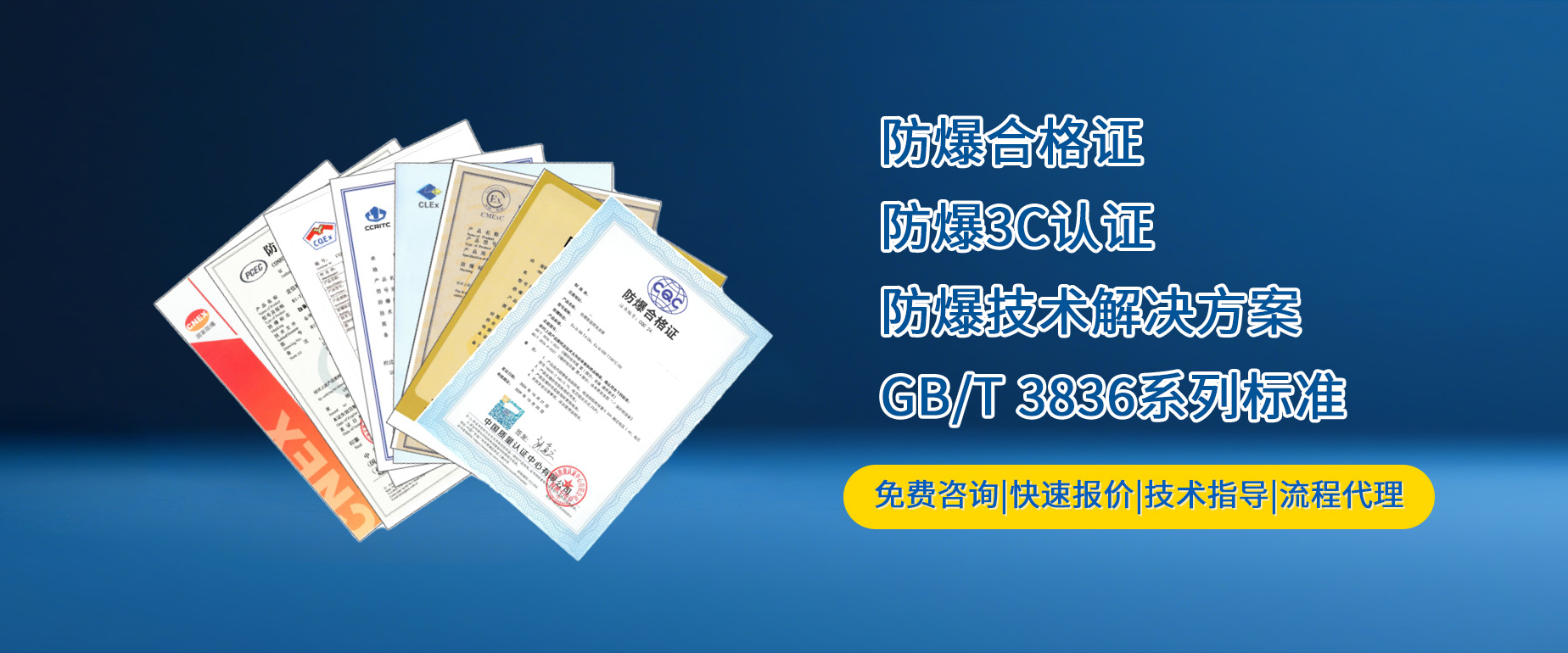
Domestic Explosion-Proof Certification
Explosion-Proof 3C Certification
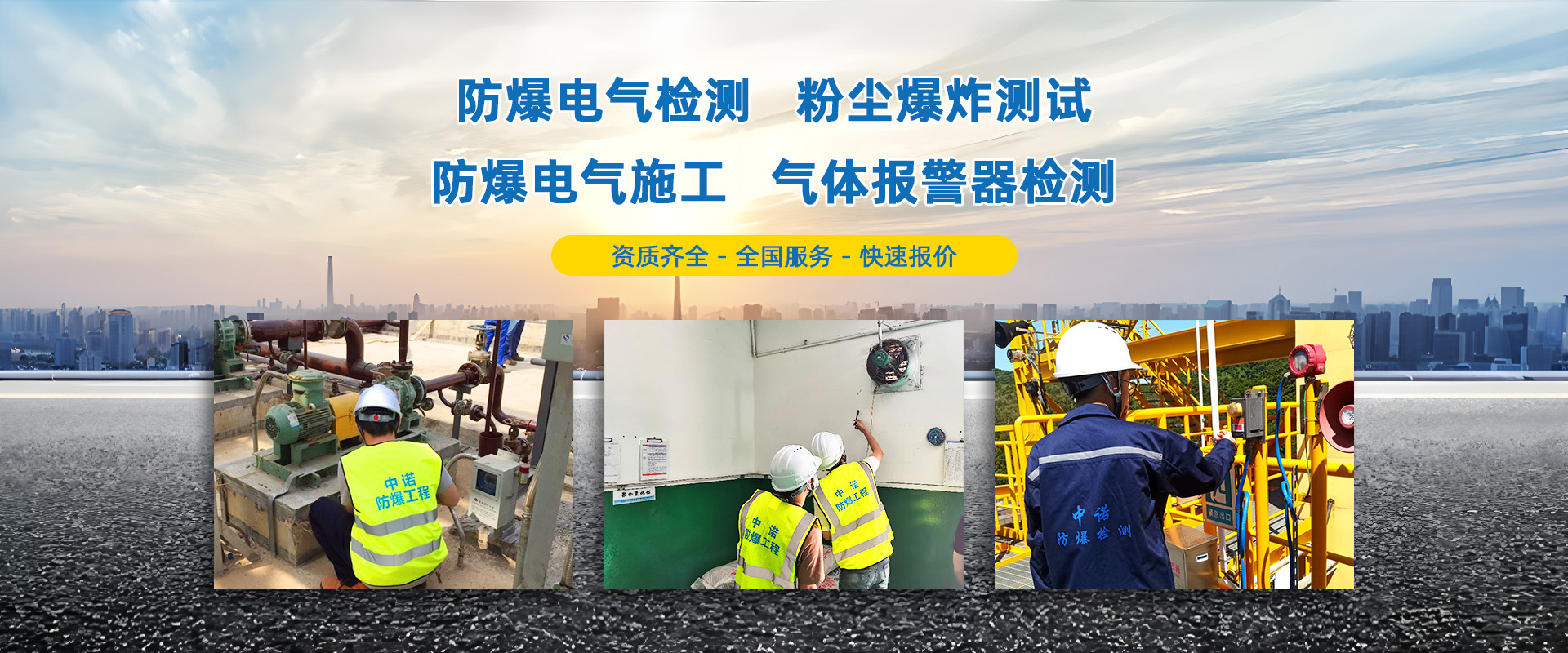
Explosion-proof Electrical Inspection
Coal Mine Safety Certification
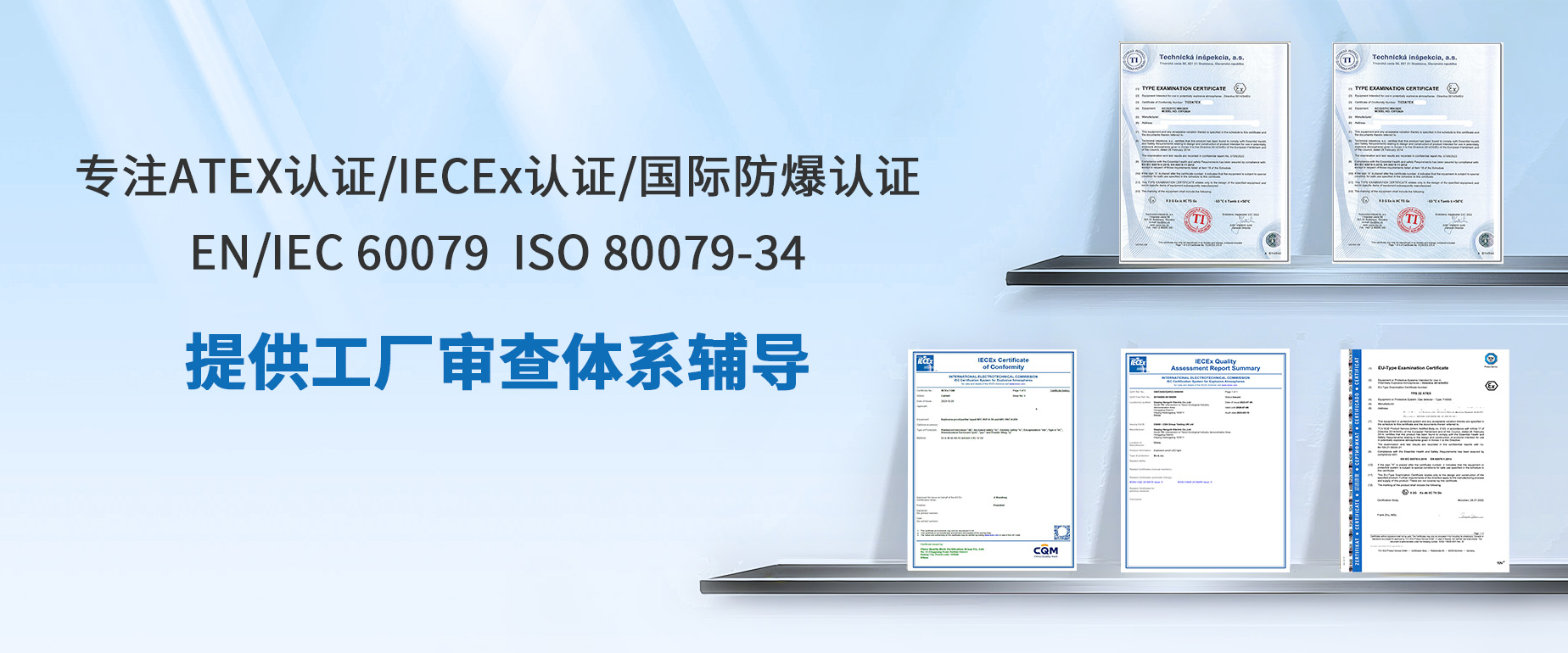
ATEX & IECEx Certification
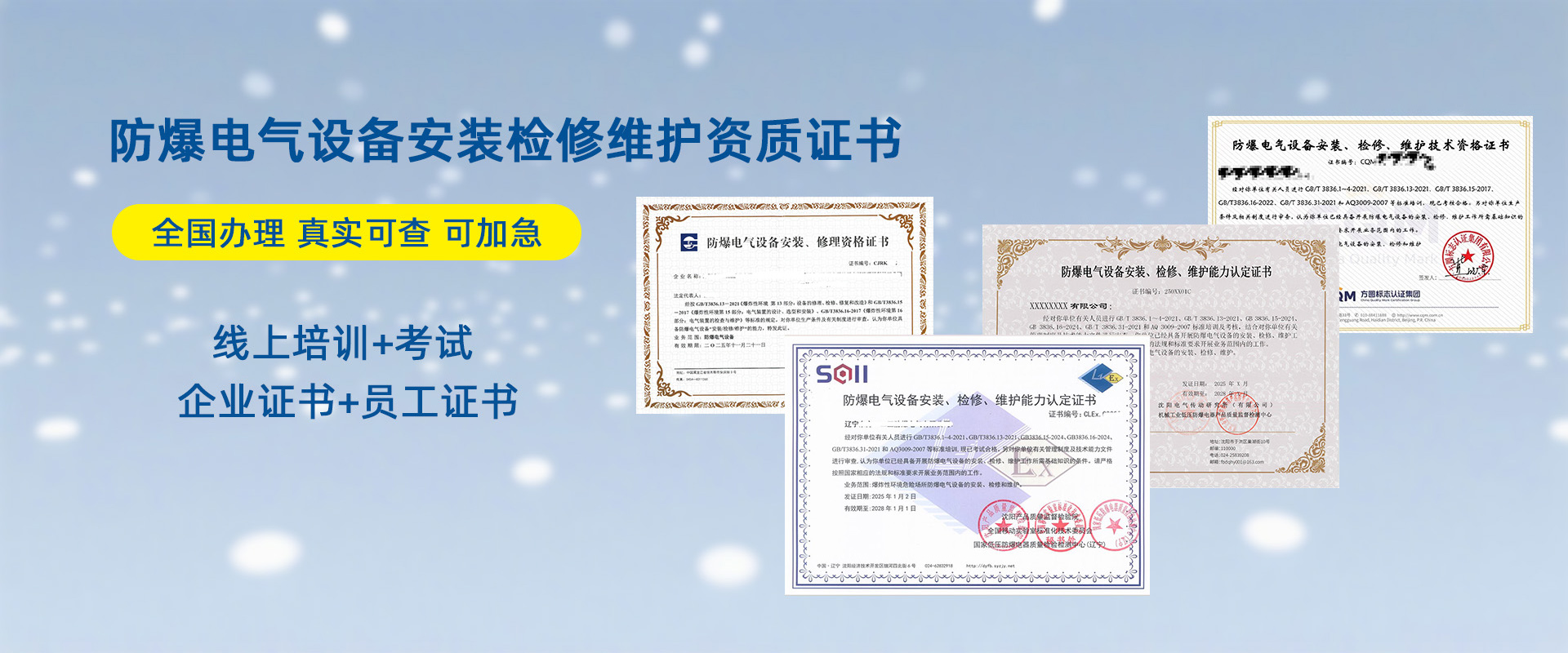
Ex-proof Qualification Certificate
Explosion-proof Construction Renovation


Recommended Products

Xi'an Dust Removal Equipment IECEx Explosion Proof Certification, Shenzhen ZhongNuo Inspection

Flameproof Certificate Application Documents for Communication Equipment - Shenzhen ZhongNuo Inspection, Application Process
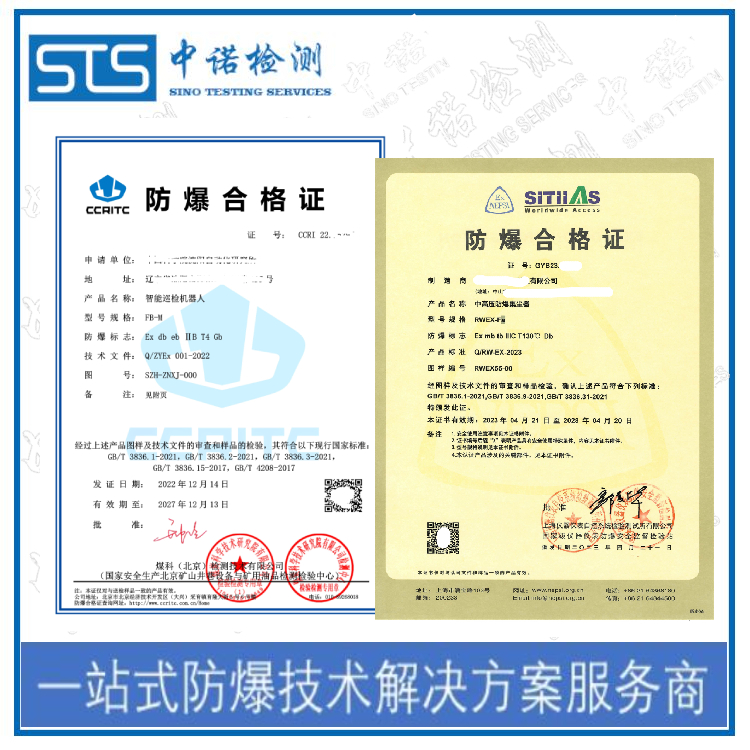
Electromagnetic Valve SIL Certification Application Requirements - Shenzhen Zhongnuo Inspection
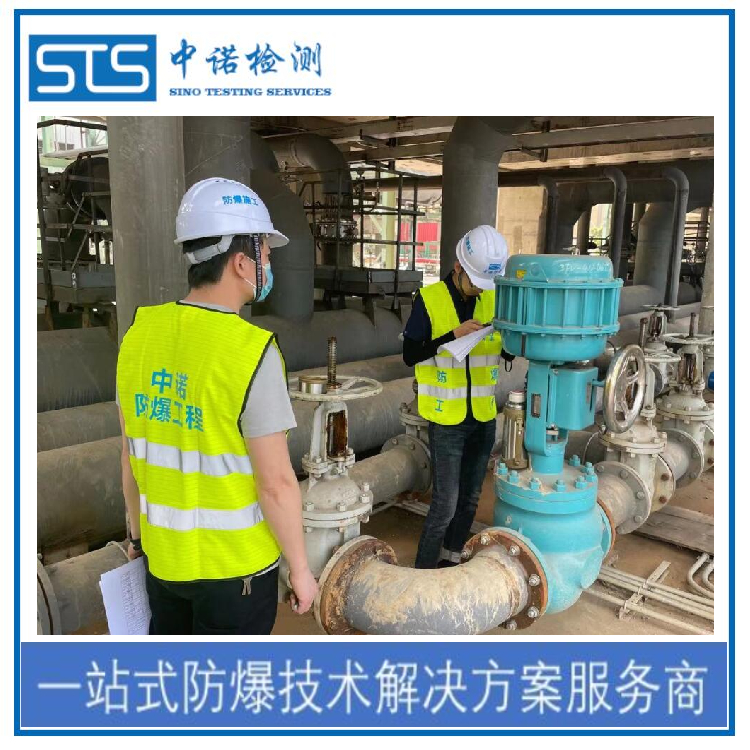
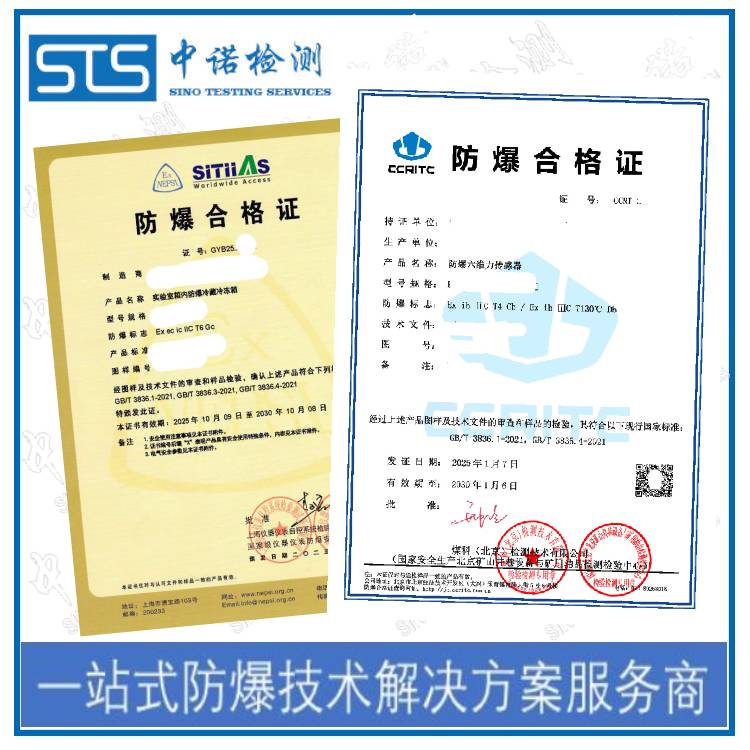
On-Site Oil Storage Explosion-Proof Electrical Inspection Application Requirements | Online Inquiry | Shenzhen ZhongNuo Inspection
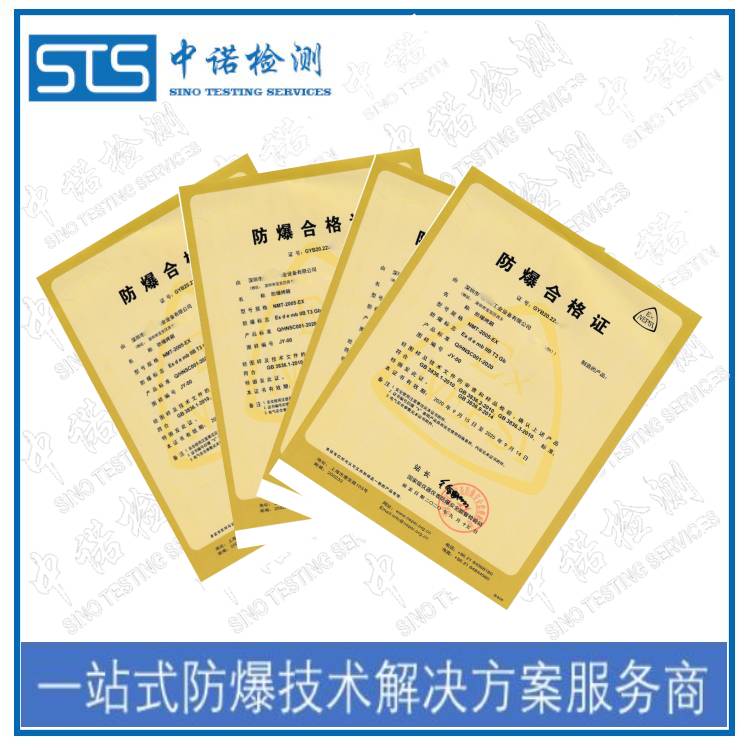
Where to apply for a dust explosion-proof certificate in Hangzhou? Shenzhen Zhongnu Inspection, what are the requirements?
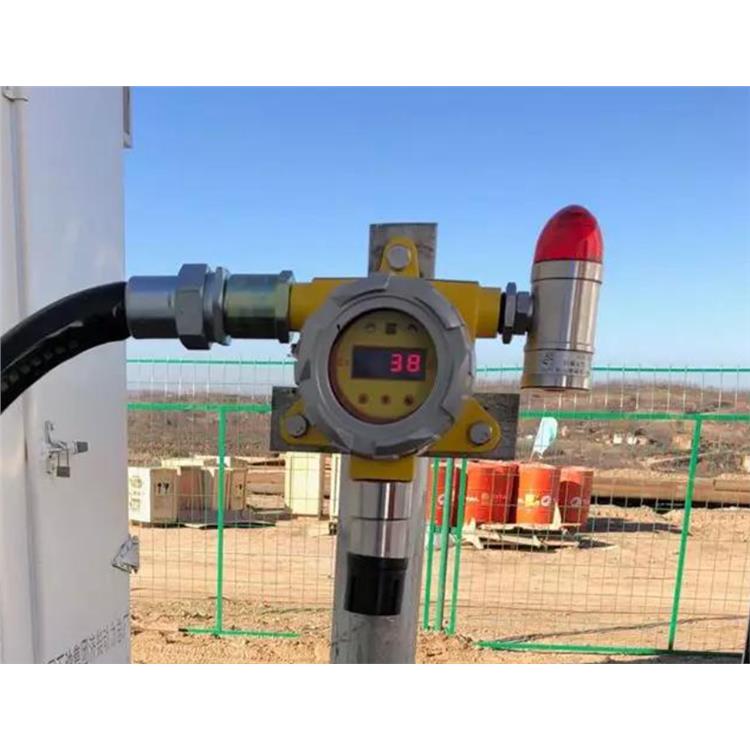
Yangzhou Gas Detector Calibration Services - ZhongNuo Inspection
详情描述
Shenzhen ZhongNuo Testing Technology Co., Ltd. is based in South China and specializes in explosion-proof certification and coal safety certification application consulting services, offering a one-stop explosion-proof technology consulting service.
Basic Explosion Proof Knowledge: Ignition Temperature, Environmental Temperature, and Temperature Groups
Ignition temperature, ambient temperature, and temperature classes are several common basic concepts in explosion-proof certification.
Ignition temperature refers to the low temperature at which gases or vapors in an explosive area can be ignited.
Environmental temperature group refers to the temperature of the environment in which equipment is used in explosive areas, typically ranging from -20°C to +40°C according to the GB/T3836 standard. No additional environmental temperature marking is required at this time. However, if the equipment is intended for use in a temperature range different from the above, it is considered a special case. The marking should include compliance with Ta or Tamb, as well as the upper and lower environmental temperature limits. If not feasible, "X" should indicate the special usage conditions including the upper and lower temperature limits.
Temperature Groups refer to the high surface temperature of explosion-proof equipment in explosive areas, typically ranging from T1 to T6.
Ex防爆Certification Levels Explained | Basic Knowledge of Ex Certifications | ZhongNuo Inspection
Explosion-proof certification grades are primarily divided into Class I, Class II, and Class III, with the main difference being the different usage locations of the equipment.
Class I explosion-proof certification: Mainly used for equipment in coal mine shafts, often used in conjunction with the Coal Safety Certificate.
II Division防爆Certification: Applicable to equipment used in non-mining explosive gas environments, such as petrochemicals, gas, oil depots, etc.
Class III explosion-proof certification: Applicable to equipment used in non-mining explosive dust environments, such as paint spraying, sanding, feed, food, and similar areas.
When applying for explosion-proof certification, please note the following points:
Selection of Explosion-Proof Ratings: The higher the explosion-proof rating is not always better; it should be chosen based on the product structure, installation method, and usage location. Of course, as long as the product structure meets the requirements, the higher the explosion-proof rating, the wider the applicable range.
The Difference Between Protection and Explosion-Proof Ratings: The protection rating (IP rating) and the explosion-proof rating are two different things; do not confuse them.
The significance of temperature categories: Temperature categories indicate the high surface temperature that equipment reaches under adverse conditions. In explosive hazardous areas, the lower the high surface temperature of the equipment, the safer it is.
The scope of application for gas and dust explosion-proof certificates: The gas explosion-proof certificate cannot be used in dust environments, and similarly, the dust explosion-proof certificate cannot be used in gas environments.
The Difference Between Explosion-Proof and Intrinsically Safe: Both explosion-proof and intrinsically safe are types of explosion-proofing that can achieve explosion prevention. However, explosion-proof has a protective shell, which does not necessarily mean it is safer than intrinsically safe. The choice of explosion-proof type depends on the product structure and environment.
For more information on explosion-proof information, please feel free to contact Shenzhen ZhongNuo Testing Technology Co., Ltd. at any time!
"Comprehensive Summary: Basic Knowledge of Explosion Proof Safety Certification and Certification Bodies"
Intrinsically Safe Certification (Intrinsic Safety Certification) is a system designed for electrical equipment used in hazardous environments, preventing the generation of sparks or high temperatures capable of igniting explosive mixtures by limiting energy (electrical and thermal). The basic principles and applicable standards are as follows:
I. Key Points
1. Fundamental Safety Principle
The core principle is to limit the energy of electrical equipment through design, ensuring that sparks or thermal effects generated during normal operation or in the event of a fault cannot ignite any surrounding explosive mixtures (gases, vapors, dusts, etc.).
2. Equipment Categories
Level IA: Ensures safety under two fault conditions during normal operation; suitable for Zones 0, 1, 2 and Zones 20, 21, 22.
IB Level: Ensures safety under normal operation and a single fault condition, suitable for Zones 1, 2, and 21, 22
IC Level: Ensures safety under normal operating conditions, suitable for Zones 2 and 22.
3. Associated Equipment Requirements
Safety barriers are typically used in conjunction with "safety barriers" (associated equipment), which are installed between the hazardous and non-hazardous areas to limit the energy entering the hazardous area and prevent high-energy transmission from the non-hazardous area to the hazardous area.
4. Circuit Design Requirements
Utilize low-power components, restrict capacitance and inductance in the circuit (to avoid excessive energy storage).
Conductor cross-sectional area and insulation grade must comply with regulations to prevent short circuits or leakage.
Circuits must pass spark and hot surface tests to verify their safety.
Section 2: Applicable Standards
Standard (GB)
GB/T 3836.1-2021: Explosive Atmospheres - Part 1: General Requirements for Equipment
GB/T 3836.4-2021: Explosive Atmospheres – Part 4: Intrinsic Safety “i”
2、(IEC)
IEC 60079-0: Explosive Atmospheres, Part 0: General Requirements for Equipment
IEC 60079-11: Explosive Atmospheres – Part 11: Intrinsic Safety “i”
3. EU Standards (EN)
EN 60079-0: Explosive Atmospheres - Part 0: General Requirements for Equipment
EN 60079-11: Explosive Atmospheres – Part 11: Intrinsic Safety “i”
4. Other Regional Standards
United States: UL 913 (Intrinsically Safe Equipment Standard)
Canada: CSA C22.2 No. 157 (Intrinsically Safe Equipment)
The explosion-proof certification applies to low-power devices such as communication equipment, sensors, instruments, and small control units, and is widely used in industries with explosive environments, including oil, chemical, coal mining, and pharmaceuticals. Certification must be conducted by qualified explosion-proof inspection institutions (such as the Explosion-Proof Electrical Product Quality Supervision and Inspection Center) to ensure that the equipment meets safety requirements.
As a third-party organization specializing in explosion-proof certification for many years, Shenzhen Zhongnuo Testing Technology Co., Ltd. has dedicated engineers for intrinsic safety circuit and structural design. We offer technical consultation on explosion-proof circuit design, drafting, and modifications, and have extensive experience in designing and obtaining certifications for intrinsic safety levels ia, ib, and ic. If you require certification in this area, feel free to message us!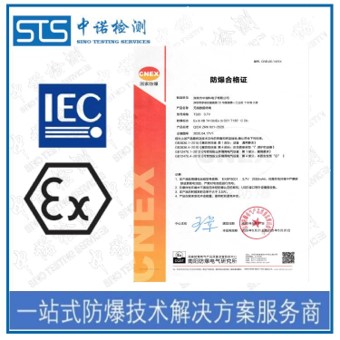
【Explosion Proof Education】Relationship between Intrinsic Safety Certification and Explosion Proof Certification
The ATEX certification is actually a type of explosion-proof certification. Specifically:
Intrinsically Safe Certification: This certification indicates that the equipment employs an intrinsic safety type of explosion-proof protection. Intrinsic safety explosion-proofing primarily achieves this by limiting the energy of the equipment, such as by restricting working voltage, current, capacitance, inductance, etc., to ensure that even if sparks are generated internally, they are not sufficient to ignite the surrounding explosive environment. This certification is applicable to low-power products, handheld devices, and more.
Explosion Proof Certification: This is a broader category that encompasses various explosion-proof protection types, such as flameproof, increased safety, positive pressure, and encased types. These types are designed to ensure that equipment operates safely in explosive environments, preventing explosions or causing larger ones.
If you need more information about ATEX certification or explosion-proof certification, or if you wish to apply for such certifications, please feel free to contact Shenzhen ZhongNuo Testing Technology Co., Ltd. at any time.
explosion-proof certification application consulting service - Shenzhen ZhongNuo Testing Technology Co., Ltd.


