



- AllProduct Category
-
Domestic Explosion-Proof Certification
Explosion-Proof 3C Certification
Explosion-proof Electrical Inspection
Coal Mine Safety Certification
ATEX & IECEx Certification
Ex-proof Qualification Certificate
Explosion-proof Construction Renovation


Recommended Products

Xi'an Dust Removal Equipment IECEx Explosion Proof Certification, Shenzhen ZhongNuo Inspection

Flameproof Certificate Application Documents for Communication Equipment - Shenzhen ZhongNuo Inspection, Application Process
Electromagnetic Valve SIL Certification Application Requirements - Shenzhen Zhongnuo Inspection
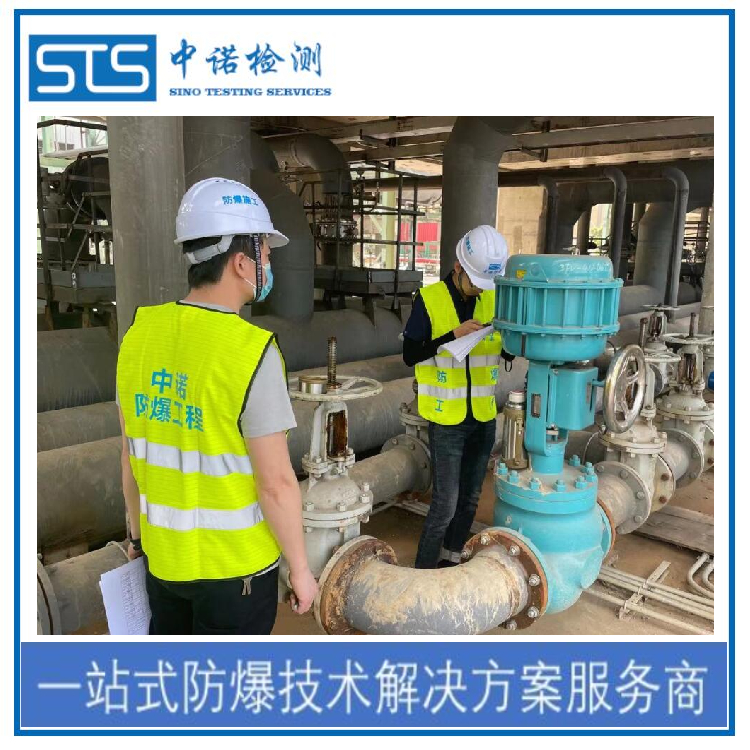
On-Site Oil Storage Explosion-Proof Electrical Inspection Application Requirements | Online Inquiry | Shenzhen ZhongNuo Inspection
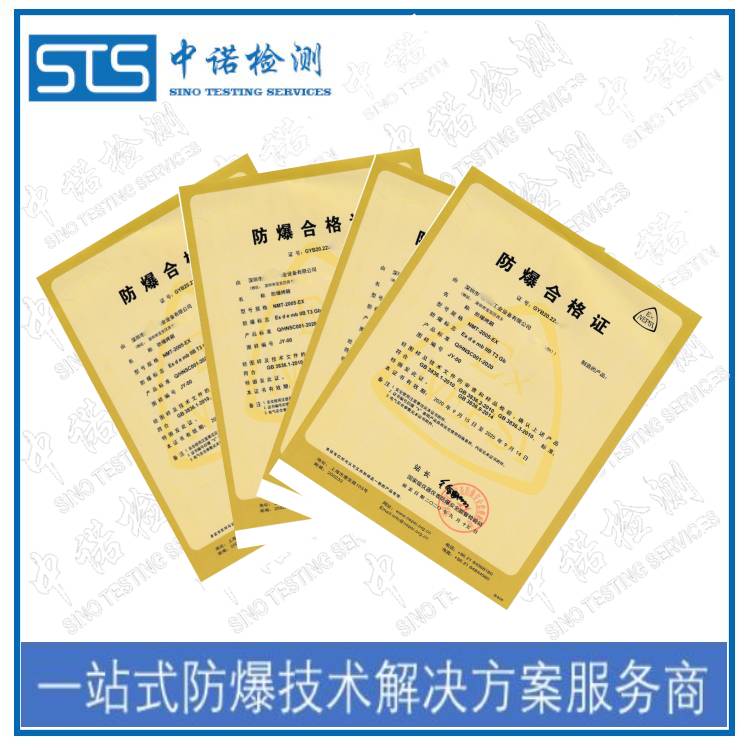
Where to apply for a dust explosion-proof certificate in Hangzhou? Shenzhen Zhongnu Inspection, what are the requirements?
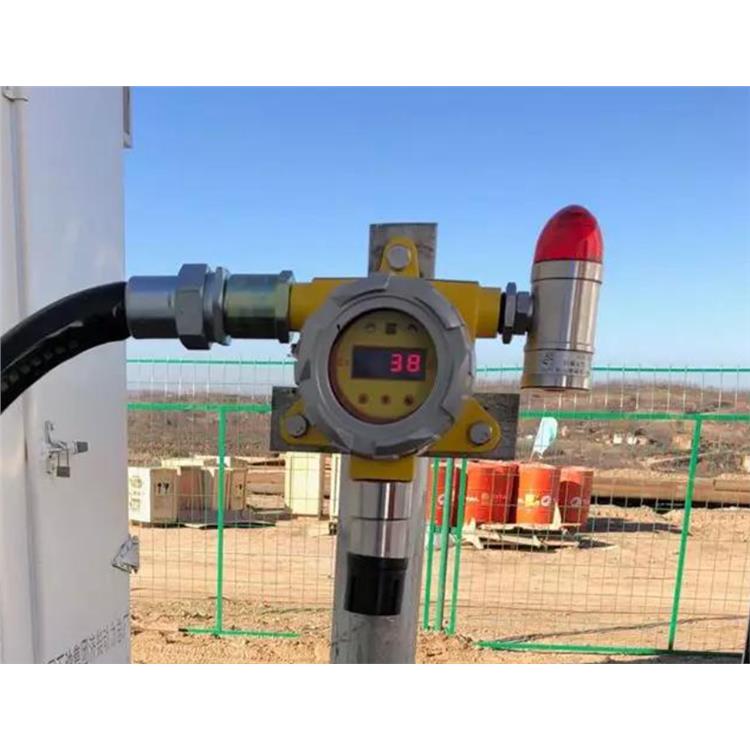
Yangzhou Gas Detector Calibration Services - ZhongNuo Inspection
详情描述
Shenzhen ZhongNuo Testing Technology Co., Ltd. is based in South China and specializes in explosion-proof certification and coal safety certification application consulting services, offering a one-stop explosion-proof technology consulting service.
【Explosion-Proof Knowledge】Ex Certification Classification
Regarding the classification of explosion-proof certification levels, Shenzhen Zhongnuo Testing Technology Co., Ltd. can provide you with a detailed explanation as follows:
Explosion-proof electrical equipment is categorized into different classes based on usage locations, such as Class I explosion-proof certification, Class II explosion-proof certification, and Class III explosion-proof certification, etc.
Class I explosion-proof certificate: Primarily used in environments containing flammable and explosive mixtures, such as underground coal mines, and is usually used in conjunction with the coal safety certificate for equipment.
II Class explosion-proof certificate: Applicable to flammable and explosive gas environments other than coal mines, such as the combustible gases and steam environments commonly found in the petrochemical, gas, and other industries.
Class III explosion-proof certificate: Used for environments with combustible dust, such as flour mills, wood processing plants, and other locations with combustible dust.
In addition, the explosion-proof marking is a crucial basis for determining the application scope and safety level of explosion-proof equipment. The explosion-proof marking usually consists of multiple components, including the type of explosion-proof, equipment category, gas group, and temperature group, etc.
Explosion-proof Types: Common types include "d" for flameproof, "e" for increased safety, and "i" for intrinsic safety, etc. Different explosion-proof types indicate the use of various explosion-proof techniques to achieve the required explosion-proof performance.
Equipment Categories: Divided into Class I, Class II, and Class III, corresponding to the explosion-proof certification classification mentioned above.
Gas Groups: For Category II equipment, further sub-classification is made based on the characteristics of flammable and explosive gases, such as IIA, IIB, IIC, and so on. Gases in different groups have variations in terms of ignition energy and ignition limits.
Temperature Ranges: Represented by letters, indicate the allowable high surface temperature range of the equipment, such as T1 to T6. The higher the temperature range, the lower the allowable surface temperature, and the safer it is in hazardous environments.
Hope this information helps you understand the classification of Ex explosion-proof certification levels and the meaning of explosion-proof markings. If you have any other questions or need further assistance, feel free to contact us anytime!
What certifications are required for explosion-proof products? | Explosion-proof certification bodies
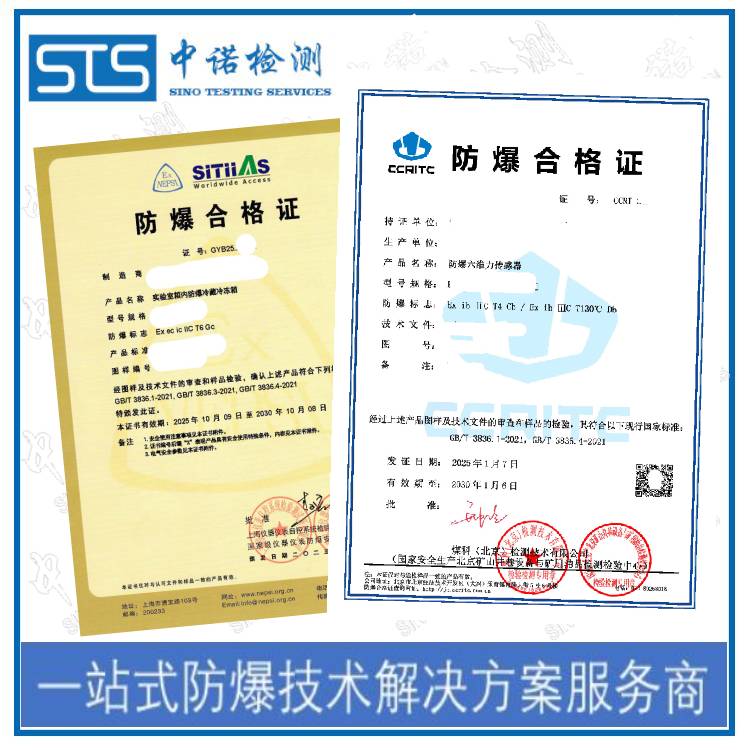
Explosion-proof certification is a crucial certification to ensure the safe operation of equipment in explosive environments. Currently, explosion-proof certifications in China mainly consist of the Explosion-Proof 3C Certification and the Explosion-Proof Compliance Certificate.
Intrinsically Safe 3C Certification is applicable to a subset of electrical equipment included in the mandatory product certification catalog. This certification model requires concurrent product testing and factory audits to ensure that the products not only meet the requirements of type testing but also satisfy the factory's production conditions.
The explosion-proof certificate is applicable to products outside the explosion-proof 3C certification catalog. This certification model primarily relies on product testing, and a certificate can be issued upon passing the test. However, it is important to note that for explosion-proof electrical equipment within the explosion-proof 3C catalog, opting to only obtain the explosion-proof certificate may expose the product to regulatory risks in the market supervision.
Additionally, explosion-proof certification is an important type of explosion-proof certification. It encompasses steps such as preliminary consultation, providing certification documents for evaluation, laboratory explosion-proof tests, issuing test reports, and issuing explosion-proof compliance certificates. The certification standards adhere to regulations like GB/T 3836.1-2021 and GB/T 3836.2-2021, among others.
For mining explosion-proof products, coal safety certification is required, which includes explosion-proof performance testing, performance standard testing, as well as factory audits and supervision evaluations.
If you need more information about explosion-proof certification or have specific requirements, please feel free to consult Shenzhen Zhongnuo Inspection & Technology Co., Ltd. at any time.
Basic Knowledge of Explosion-Proof Markings and Explosion-Proof Ratings
Explosion-proof markings and classifications are important indicators for assessing the performance and scope of application of explosion-proof equipment. Below, Shenzhen ZhongNuo Testing Technology Co., Ltd. will provide a detailed explanation of these two concepts:
Explosion-Proof Marking
Explosion-proof markings are typically composed of a series of letters and numbers, indicating the explosion-proof type, equipment category, gas group, and temperature group of the explosion-proof equipment. Below is an example of a typical explosion-proof marking and its meaning:
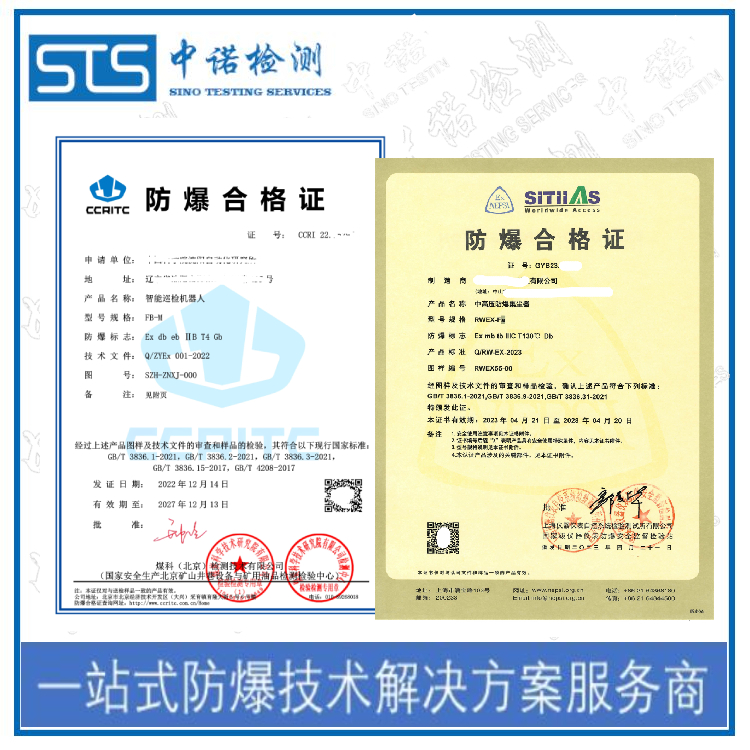
Ex db ib IIC T4 Gb
Ex: Indicates that the equipment is for electrical use in flammable and explosive gas environments.
db: Explosion-proof type.
IB: The protection type is intrinsic safety (intrinsically safe). The term "db ib" indicates that the device incorporates both explosion-proof and intrinsic safety as its防爆 methods.
IIC: Indicates that the equipment is suitable for environments with flammable and explosive gases, specifically IIC category gases (such as and others). IIC category gases are generally hazardous, with a lower ignition energy and a wider range of flammability limits.
T4: Temperature category, indicating that the surface temperature of the equipment does not exceed 135°C. The higher the temperature category (the larger the number), the lower the allowed surface temperature, and the higher the safety in hazardous environments.
Gb: Equipment Protection Level, applicable to Zones 1 and 2.
Explosion-proof type
The explosion-proof type refers to the technical means adopted by explosion-proof equipment to prevent explosions from occurring. Common explosion-proof types include, but are not limited to:
Explosion-proof (d): Encapsulates parts that may produce sparks or high temperatures within a sturdy housing. In the event of an internal explosion within the housing, the housing can withstand the explosion pressure and prevent flames from spreading outward.
Safety Increased Type (e): Reduces the likelihood of equipment sparking or generating high temperatures by enhancing safety features, such as increasing insulation levels and employing non-sparking designs.
Intrinsic Safety (i): Limits the energy in the equipment's circuitry to prevent sparks or high temperatures sufficient to ignite flammable or explosive mixtures, both in normal operation and during fault conditions.
Intrinsically Safe Rating
Although the term "explosion-proof grade" may not appear directly in the standards, the various parts of the explosion-proof marking actually cover the explosion-proof performance grade of the equipment. For example, the equipment category (I, II, III), gas group (IIA, IIB, IIC, etc.), and temperature group (T1 to T6) collectively determine the explosion-proof grade and application scope of the equipment.
For more information on explosion-proof markings and classifications, or if you have questions regarding explosion-proof testing, certification, and construction, feel free to consult Shenzhen Zhongnuo Testing Technology Co., Ltd. at any time. We will provide you with the answers and services you need.
【Explosion-Proof Standards】List of Domestic Explosion-Proof Standards
The explosion-proof standards for electrical equipment primarily include the following series of standards, which are issued by the Standardization Administration. These standards are crucial for ensuring the safe operation of explosion-proof electrical equipment in flammable and explosive environments.
GB/T 3836.1-2021: Part 1 – Equipment; General Requirements for Explosive Atmospheres
GB/T 3836.2-2021: Part 2: Equipment protected by explosion-proof enclosures "d" for explosive environments
GB/T 3836.3-2021: Part 3: Equipment protected by increased safety "e" for explosive environments
GB/T 3836.4-2021: Part 4: Equipment protected by intrinsic safety "i" for explosive environments
GB/T 3836.5-2021: Part 5: Equipment protected by positive pressure enclosures "p" for explosive environments
GB/T 3836.6-2017: Part 6 of Explosive Atmospheres: Equipment protected by immersion in liquid "o"
GB/T 3836.7-2017: Part 7: Equipment protected by sand-filled type "q" for explosive environments
GB/T 3836.8-2021: Part 8 - Equipment protected by "n" type for explosive atmospheres
GB/T 3836.9-2021: Part 9 of Explosive Atmospheres: Equipment protected by encased "m" type
GB/T 3836.31-2021: Part 31 of Explosive Atmospheres: Equipment protected by dust ignition-proof enclosures "t"
These standards detail the design, manufacturing, inspection, and usage requirements for various explosion-proof electrical equipment, serving as a crucial basis for ensuring the safe operation of equipment in explosive environments. Shenzhen ZhongNuo Testing Technology Co., Ltd., as a certified explosion-proof testing institution, is capable of conducting regular inspections on explosion-proof electrical equipment based on these standards to ensure compliance with relevant requirements.
Are you looking for more information about explosion-proof electrical equipment testing? You can further consult Shenzhen Zhongnuo Testing Technology Co., Ltd., and we will provide more detailed answers!
Explosion Proof Certification Application Consulting Service - Shenzhen Zhongnuo Testing Technology Co., Ltd.


