



- AllProduct Category
-
Domestic Explosion-Proof Certification
Explosion-Proof 3C Certification
Explosion-proof Electrical Inspection
Coal Mine Safety Certification
ATEX & IECEx Certification
Ex-proof Qualification Certificate
Explosion-proof Construction Renovation


Recommended Products

Xi'an Dust Removal Equipment IECEx Explosion Proof Certification, Shenzhen ZhongNuo Inspection

Flameproof Certificate Application Documents for Communication Equipment - Shenzhen ZhongNuo Inspection, Application Process
Electromagnetic Valve SIL Certification Application Requirements - Shenzhen Zhongnuo Inspection
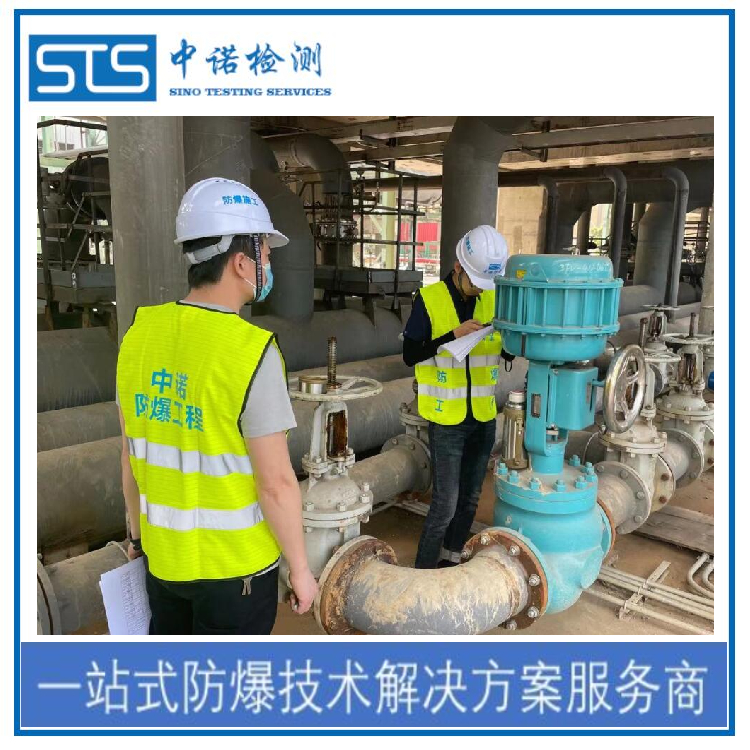
On-Site Oil Storage Explosion-Proof Electrical Inspection Application Requirements | Online Inquiry | Shenzhen ZhongNuo Inspection
Where to apply for a dust explosion-proof certificate in Hangzhou? Shenzhen Zhongnu Inspection, what are the requirements?
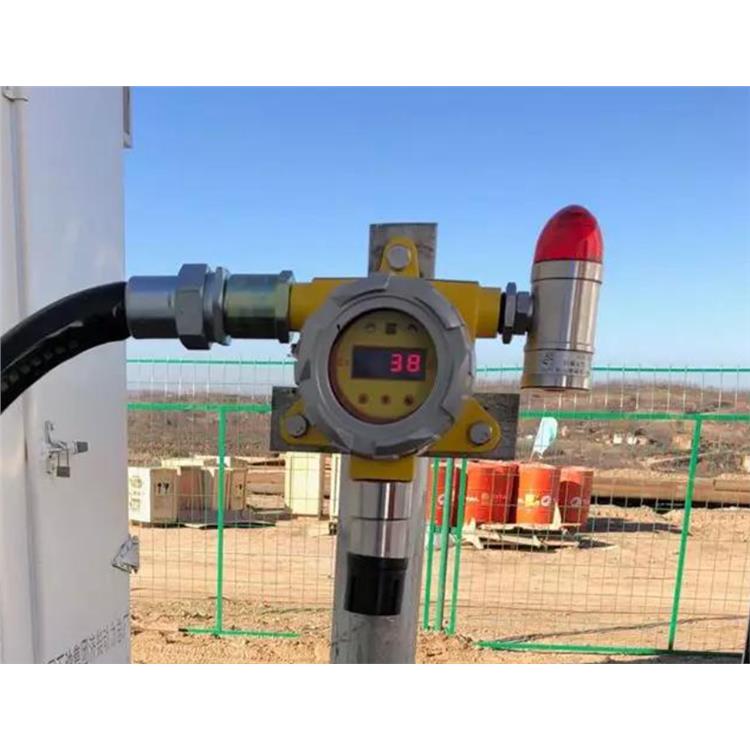
Yangzhou Gas Detector Calibration Services - ZhongNuo Inspection
详情描述
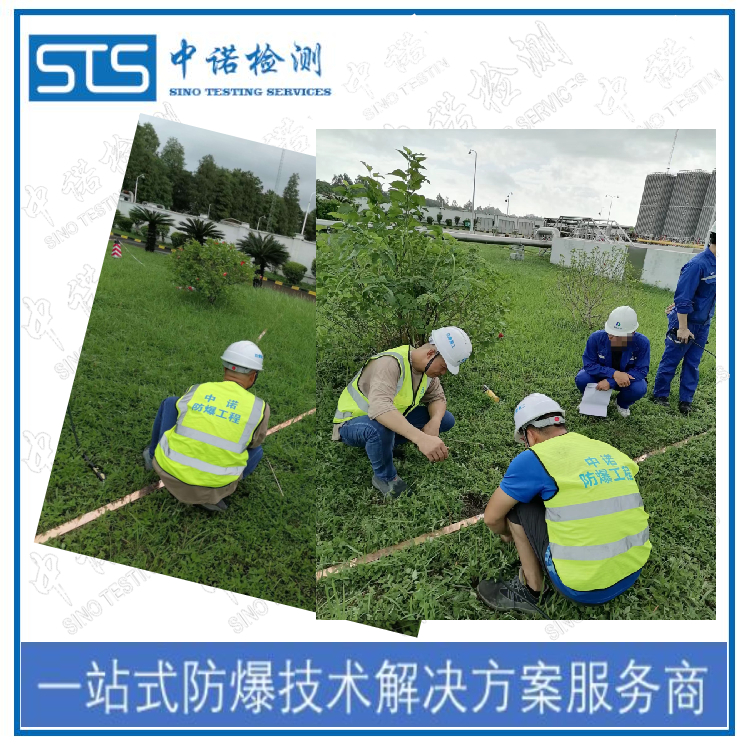
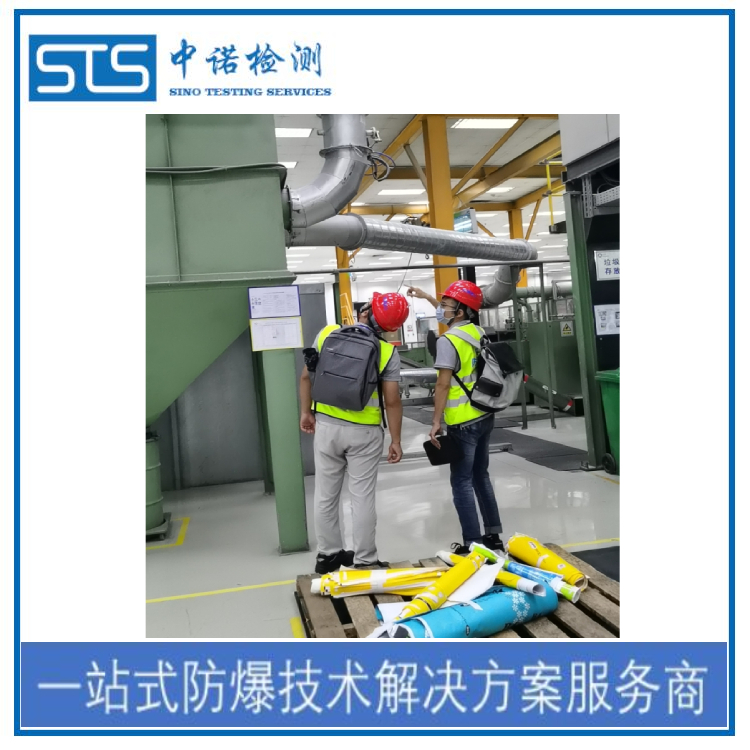
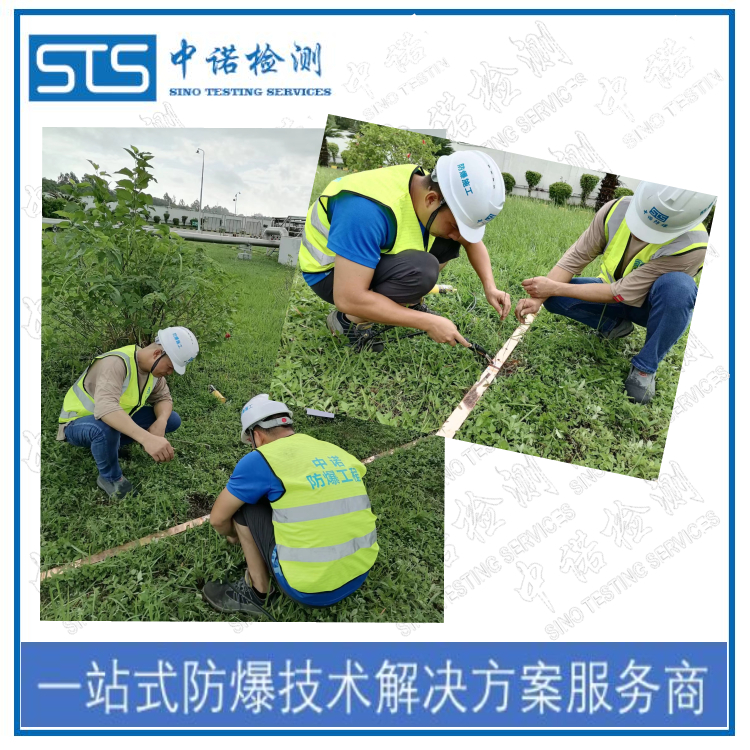
Shenzhen ZhongNuo Testing Technology Co., Ltd. is based in South China and offers explosion-proof technical consulting services including on-site construction, safety inspections, renovations, project acceptance, and installation. We are well-versed in explosion-proof construction standards, boast experienced construction teams, and have served major corporations such as PetroChina, LG, Huanlan Environment, BOE Technology Group, and Sinovac Biotech, receiving consistent praise and trust from our clients!
Standard for Explosion-proof Construction Acceptance — Shenzhen Zhongnuo Testing Technology Co., Ltd.
G50058 "Code for Design of Electrical Installations in Explosive Hazardous Environments"
GBJ54-83 "Code for Design of Low-Voltage Distribution Systems and Equipment"
G50016 "Code for Fire Prevention in Building Design"
AQ3009 Electrical Explosion-Proof Safety Code for Hazardous Areas
GB/T 3836.1 "Explosive Atmospheres, Part 1: Equipment, General Requirements"
GB/T3836.15 "Design, Selection, and Installation of Electrical Equipment for Explosive Atmospheres"
GB50257 "Code for Construction and Acceptance of Electrical Installations in Explosive and Fire Hazardous Environments"
14J938 Explosion-Proof and Explosion Relief Windows, Doors, Roof, and Wall Construction
General Requirements for Explosion-Proof Workshop Design (Shared by Shenzhen ZhongNuo Inspection Technology Co., Ltd.)
4.1 Floor, Interior Wall
Areas producing flammable gases heavier than air or vapors of flammable and combustible liquids, as well as Class B production workshops with dust and fiber explosion hazards, should use non-sparking floors. To prevent sparks, the floors can be made of rubber, plastic, rubber mixed with graphite, or asphalt concrete.
Interior walls of workshops where combustible dust may settle should be plastered or painted to create a washable (wipeable) surface.
4.2 Office, Break Room
For personnel safety, offices or restrooms should not be located in Class A or B production buildings with explosion hazards. If necessary, such rooms can be situated outside the workshop, separated from the workshop by non-combustible walls with fire resistance of not less than 3.5 hours.
4.3 Electrical Equipment
Electrical equipment in explosion-proof workshops should be selected and installed according to different circumstances, using explosion-proof types such as explosion-proof switches, motors, and lighting fixtures, and strictly avoiding non-explosion-proof types.
4.4 Lightning Protection Facilities
In facilities and workshops prone to explosion, in addition to installing lightning protection devices on the building itself, lightning rods should be installed around the building as required, ensuring the structure is within the protection range of the entire lightning protection system to prevent accidents caused by lightning strikes.
Basic Explosion-Proof Design Standards for Hazardous Areas (Shared by Shenzhen ZhongNuo Inspection & Testing Technology Co., Ltd.)
1. First, conduct an overall explosion protection design
2. Directed release of explosive energy. Around the explosion source, comprehensively utilize anti-explosion and venting technology. Set anti-explosion walls and windows in the direction of high population density, office areas, and critical equipment. In areas with low human traffic and no critical equipment, install venting walls and windows.
3. Establish safe distances. Minimize the placement of office areas, residential zones, and critical equipment areas within distances less than the safe limit, unless necessary; if they are set, implement necessary explosion-proof measures.
4. Conversion of non-explosion-proof buildings to explosion-proof. Within the range less than the safe distance, buildings should undergo explosion-proof assessment. For buildings not meeting the explosion-proof requirements, implement explosion-proof reinforcement: prevent building collapse; prevent the fragmentation of brittle materials such as bricks, concrete, glass, etc.
5. Place explosion-proof shelters in hazardous blast zones.
Basic Knowledge and Requirements for防爆 Cable Use at Construction Sites (Shared by Shenzhen ZhongNuo Testing Technology Co., Ltd.)
Installation methods for electrical wiring in explosive gas environments can be categorized into cable wiring and conduit wiring methods.
Note: The installation of intrinsic safety circuits may not be in accordance with the provisions of this article.
7.1 General Provisions
7.2 Electrical wiring should be installed in areas with low explosion hazard or at a distance from the source of release, avoiding places susceptible to mechanical damage, vibration, corrosion, dust accumulation, and hazardous temperatures. When avoidance is not possible, preventive measures should be taken.
7.3 The selected low-voltage cables or insulated conductors must have a rated voltage higher than the working voltage of the line, and not less than 500V. Insulated conductors must be laid within conduits.
7.4 Prohibition of overhead lines at 10kV and below crossing explosive gas environments; the horizontal distance between the overhead lines and the explosive gas environment should not be less than 1.1 times the height of the pole tower.
7.5 Cables and their accessories should be installed in a position that, based on actual conditions, prevents damage from external mechanical forces, corrosion, or chemical influences (such as the effects of solvents), as well as the effects of high temperatures (also see 6.1.2.4.4 for this safety circuit). If such conditions cannot be avoided, protective measures should be taken during installation, such as using conduits or selecting cable types (armored cables, shielded wires, seamless aluminum sheath cables, mineral insulated metal sheath cables, or semi-rigid sheath cables, etc., to minimize damage).
7.6裸单芯电线, unless installed within a distribution board, housing, or conduit system, should not be used for conductive wiring.
Explosion-proof electrical modifications and on-site explosion-proof construction consulting services for hazardous areas — Shenzhen Zhongnuo Inspection Technology Co., Ltd.


