


- AllProduct Category
-
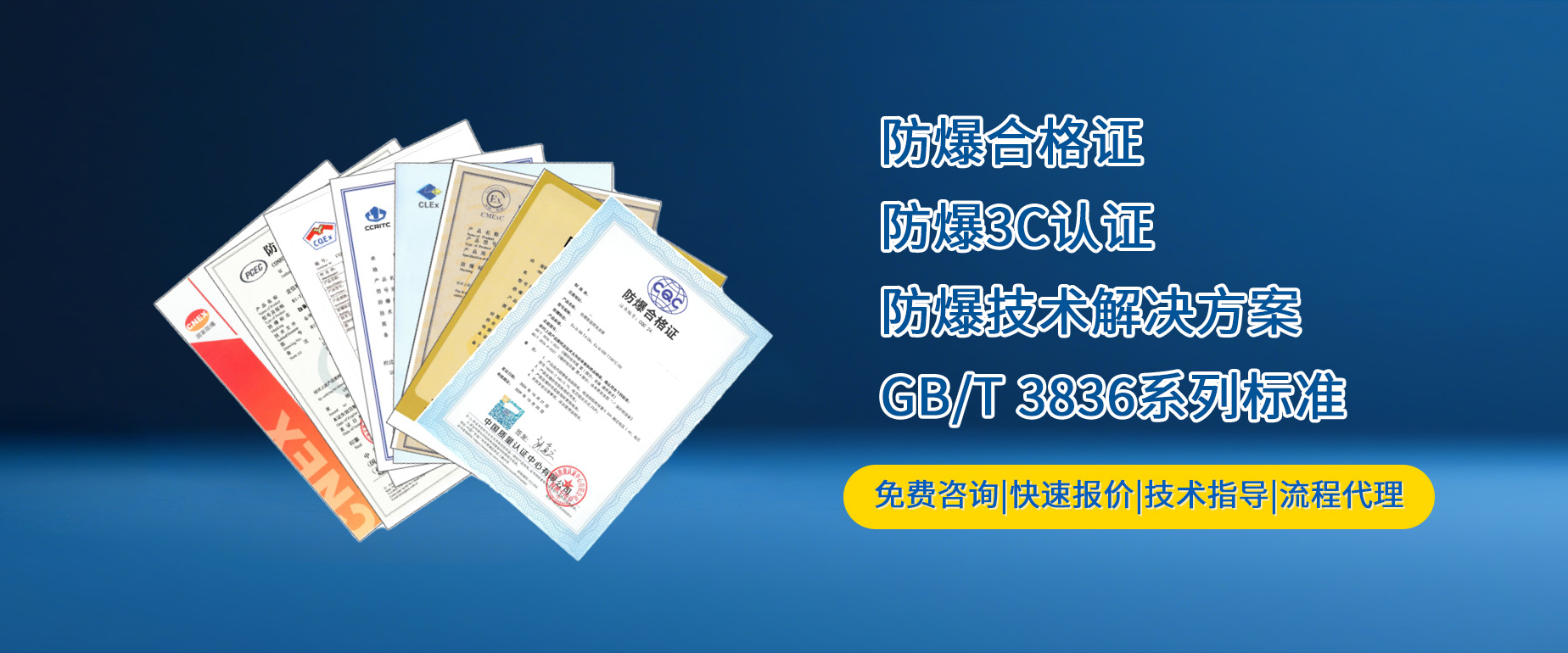
Domestic Explosion-Proof Certification
Explosion-Proof 3C Certification
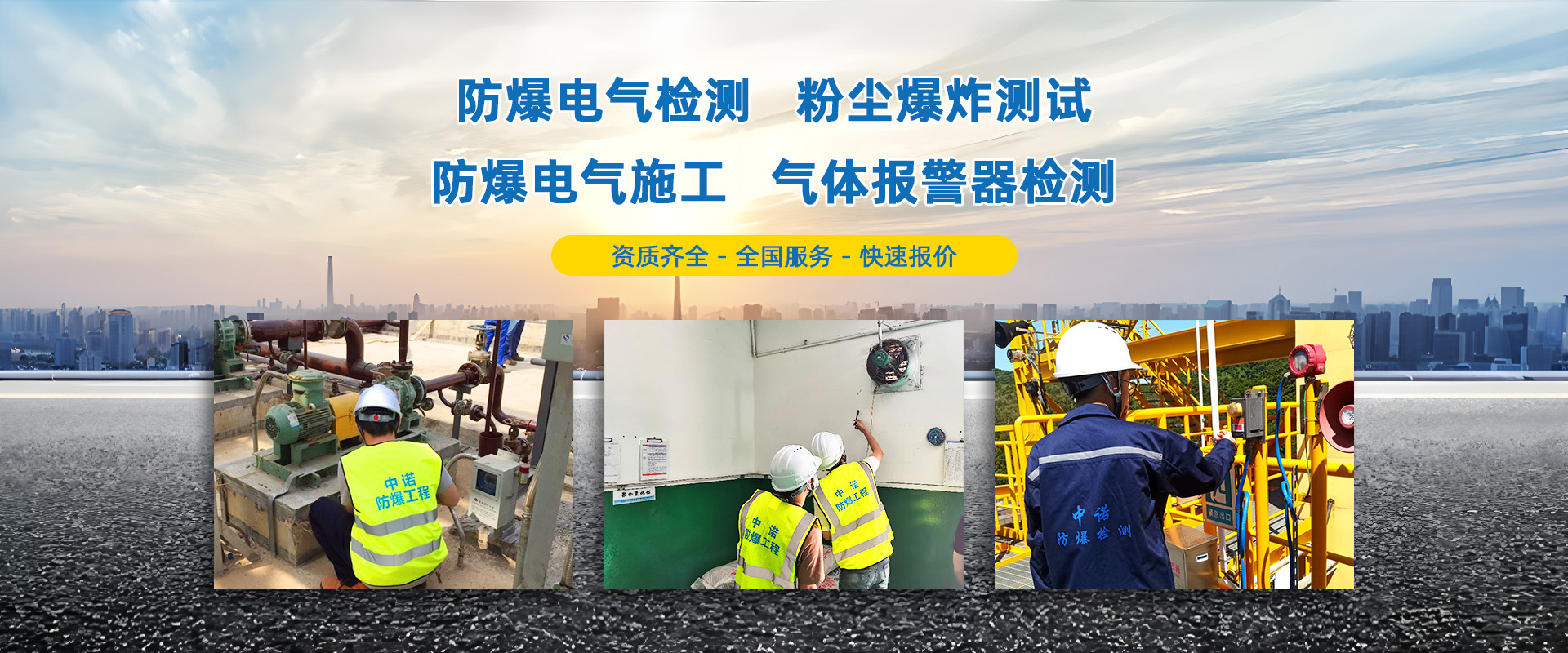
Explosion-proof Electrical Inspection
Coal Mine Safety Certification
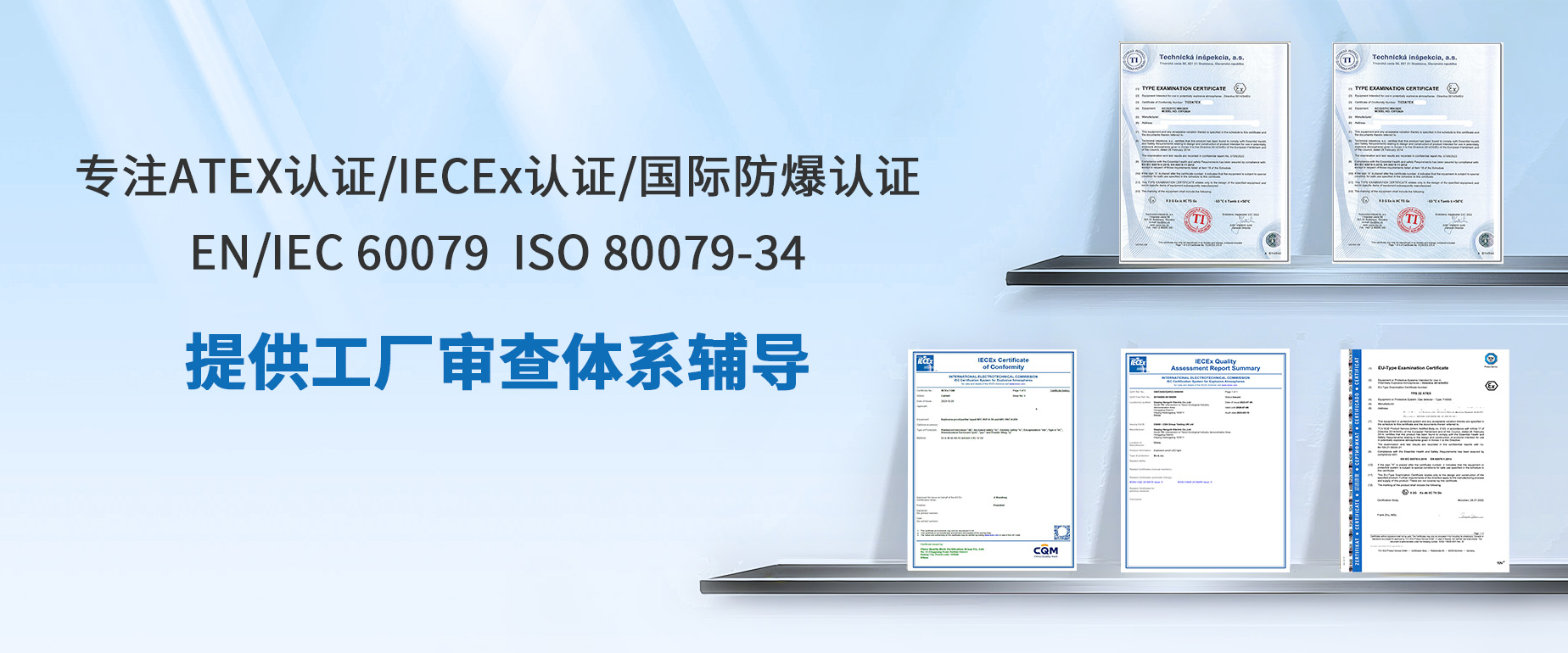
ATEX & IECEx Certification
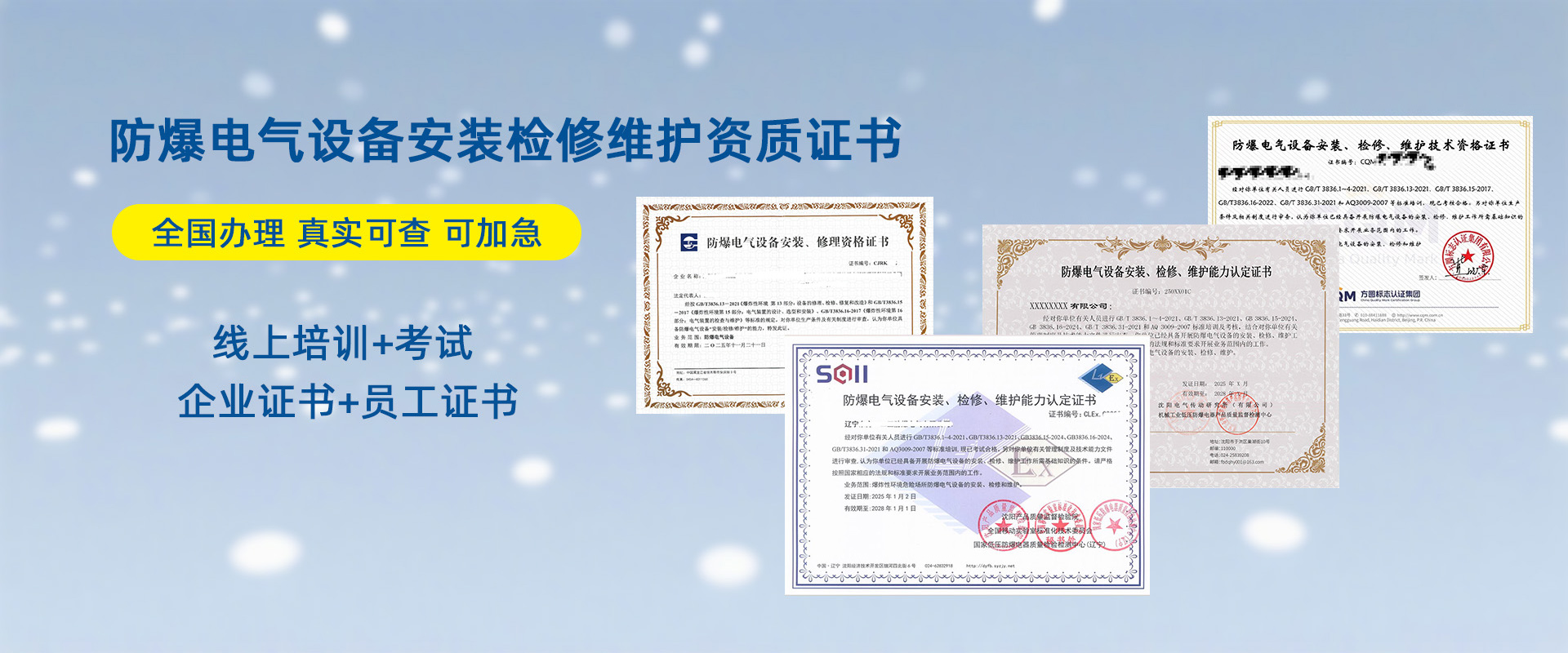
Ex-proof Qualification Certificate
Explosion-proof Construction Renovation


Recommended Products

Xi'an Dust Removal Equipment IECEx Explosion Proof Certification, Shenzhen ZhongNuo Inspection

Flameproof Certificate Application Documents for Communication Equipment - Shenzhen ZhongNuo Inspection, Application Process
Electromagnetic Valve SIL Certification Application Requirements - Shenzhen Zhongnuo Inspection
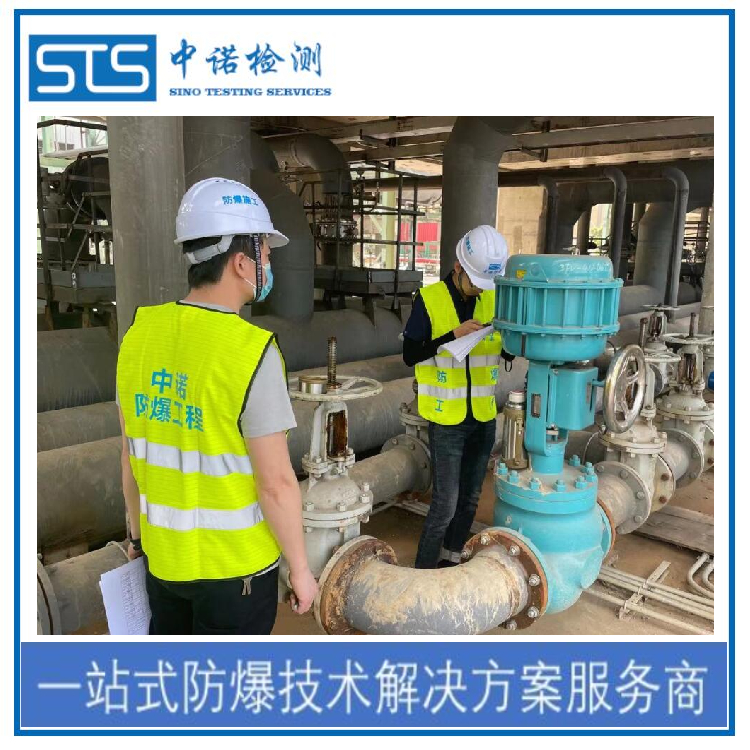
On-Site Oil Storage Explosion-Proof Electrical Inspection Application Requirements | Online Inquiry | Shenzhen ZhongNuo Inspection
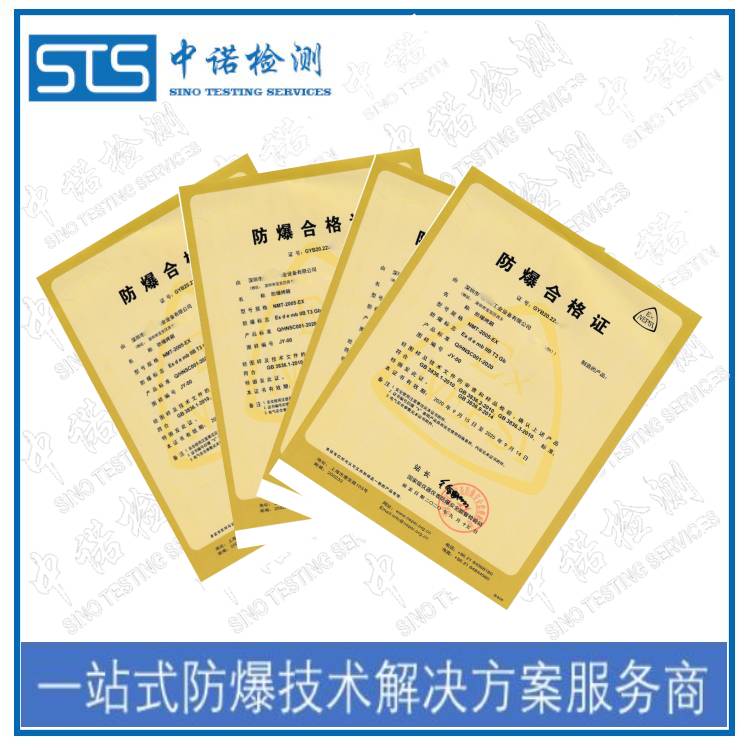
Where to apply for a dust explosion-proof certificate in Hangzhou? Shenzhen Zhongnu Inspection, what are the requirements?
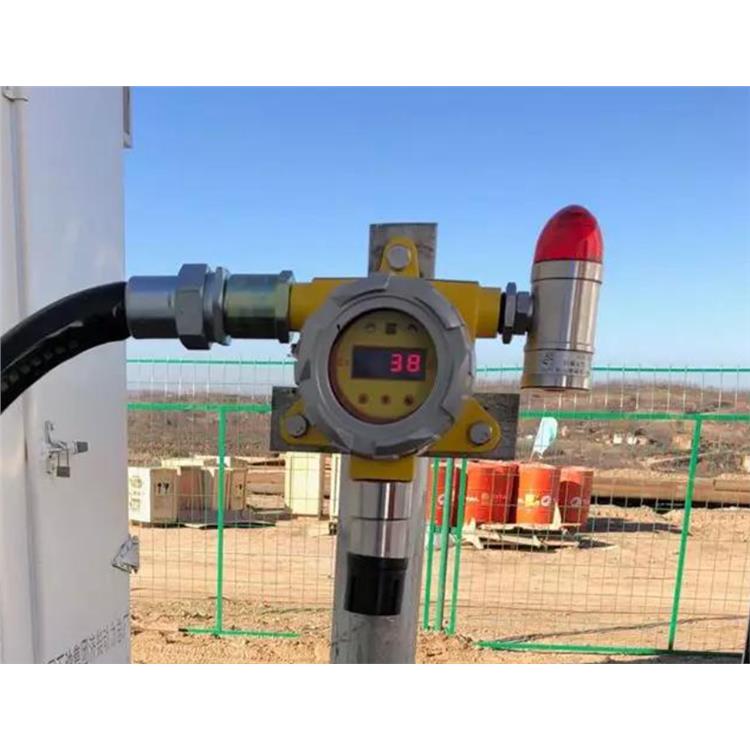
Yangzhou Gas Detector Calibration Services - ZhongNuo Inspection
详情描述
Shenzhen ZhongNuo Testing Technology Co., Ltd. is based in South China and specializes in explosion-proof certification and coal safety certification application consulting services, offering a one-stop explosion-proof technology consulting service.
What documents are required to apply for an explosion-proof certification?
1. Product drawings and documents: When a company applies for a explosion-proof certification for intrinsically safe electrical equipment, it should provide assembly drawings, circuit diagrams, printed circuit board diagrams, silk screen diagrams, component material lists, and label diagrams, etc. For non-intrinsically safe electrical equipment, the technical documents submitted for inspection should include drawings that reflect the sample's explosion-proof performance (including assembly and component drawings). If the overall drawing clearly indicates the product's explosion-proof parameters and structure, only the overall drawing needs to be submitted for inspection.
2. Technical Documentation: Includes corporate standards/technical requirements. The corporate standards/technical requirements for products should be written in the specified format, with content that covers not only performance requirements but also防爆 aspects such as basic parameters, explosion-proof markings, environmental conditions for use, explosion-proof performance requirements, relevant tests for explosion-proof performance, and markings related to explosion-proof.
3. Additional Information: For products with adhesive bonding or casting, provide the model names, performance descriptions, and relevant process documents for the adhesives and casting agents. For plastic enclosures, supply the material type and corresponding performance documents. Battery-operated products require the provision of battery specifications.
The 3C certification for explosion-proof electrical products, also known as China Compulsory Certification (CCC), is a crucial measure to ensure consumer safety and enhance product quality management. As of October 1, 2019, explosion-proof electrical products were included in the CCC certification scope and became mandatory from October 1, 2020. This certification system not only requires products to meet specific standards but also involves a series of processes from design, production to after-sales supervision. The following will elaborate on the implementation details of the explosion-proof electrical 3C certification.
I. Standards of Certification Basis
The mandatory certification standards for explosion-proof electrical products were released on October 11, 2021, and will be officially implemented on May 1, 2022. These standards include:
GB/T 3836.1-2021: Explosive Atmospheres – Part 1: Equipment – General Requirements
GB/T 3836.2-2021: Explosive Atmospheres – Part 2: Equipment protected by a flameproof enclosure “d”
GB/T 3836.3-2021: Explosive Atmospheres - Part 3: Equipment protected by increased safety "e"
GB/T 3836.4-2021: Explosive Atmospheres – Part 4: Equipment protected by intrinsic safety “i”
GB/T 3836.5-2021: Explosive Atmospheres - Part 5: Equipment protected by positive pressure enclosures "p"
GB/T 3836.8-2021: Explosive Atmospheres, Part 8: Equipment protected by "n" type of protection
GB/T 3836.9-2021: Explosive Atmospheres - Part 9: Equipment protected by cast-in “m” type enclosures
GB/T 3836.31-2021: Explosive Atmospheres – Part 31: Equipment protected by dust-protection enclosures “t”
These standards provide detailed specifications for the standard requirements and testing methods of explosion-proof electrical products in flammable and explosive environments, serving as a technical basis for certification.
Two,
3C explosion-proof electrical products mainly include the following steps:
Prepare application documents
Applicants must prepare a range of documents, including but not limited to proof of corporate qualifications, product technical data, production process diagrams, and quality control system files. These documents are to demonstrate the applicant's capability and conditions to produce qualified explosion-proof electrical products.
Submit application and process
The company submits the prepared application documents to the certification body. Upon receiving the application, the certification body will conduct an initial review of the application materials to confirm their completeness and compliance. If the materials meet the basic requirements, the certification body will officially accept the application and issue an acceptance notice to the company, specifying the specific arrangements and timelines for the subsequent certification process.
3. Product Testing and Evaluation
Upon receiving the application, the certification body will organize a laboratory to conduct rigorous testing on the explosion-proof electrical products seeking certification. The testing covers various aspects such as electrical performance, explosion-proof capabilities, and environmental adaptability, ensuring compliance with the GB/T 3836 series standards. Additionally, the certification body will conduct a comprehensive assessment of the product design, production process, and quality control system to verify the company's capability to consistently produce qualified products.
4. Factory Inspection
During or after product testing and evaluation, the certification body will send inspectors to the company's factory for on-site inspections. The inspection primarily covers aspects such as production environment, equipment, raw material management, production process control, and finished product inspection to confirm if the company has established an effective quality management system in accordance with certification requirements and can consistently implement it in actual production.
5. Certification Decisions & Certificate Issuance
After comprehensive product testing, evaluation results, and factory inspections, the certification body will make the certification decision. If both the product and the company meet the certification requirements, the certification body will issue a 3C Certification for Explosion-Proof Electrical Products to the company and publish the certification information online. The certificate is typically valid for five years, during which the company must undergo regular supervision and audits to ensure the continuous stability of product quality.
6. Ongoing Supervision and Review
Upon certification, the company must regularly submit quality reports, production change notifications, and other documents as required by the certifying body, and undergo periodic factory inspections and market sampling tests. Additionally, before the certificate expires, the company must apply for a re-examination to maintain its certification status. The re-examination process is similar to the initial certification but places greater emphasis on evaluating the company's continuous improvement and compliance maintenance.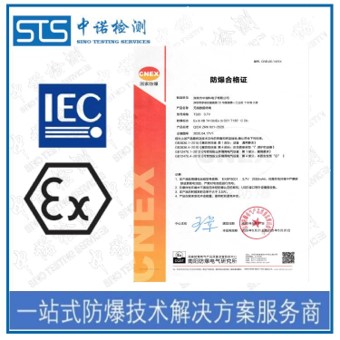
The explosion-proof certification mainly falls into the following categories:
1. Explosion-proof 3C Certification: This is a mandatory product certification for a portion of explosion-proof electrical equipment. Starting from October 1, 2009, the system has included this category of explosion-proof electrical equipment in the CCC certification catalog. Products listed in the catalog require an explosion-proof 3C certification, following the "product testing + factory audit" model.
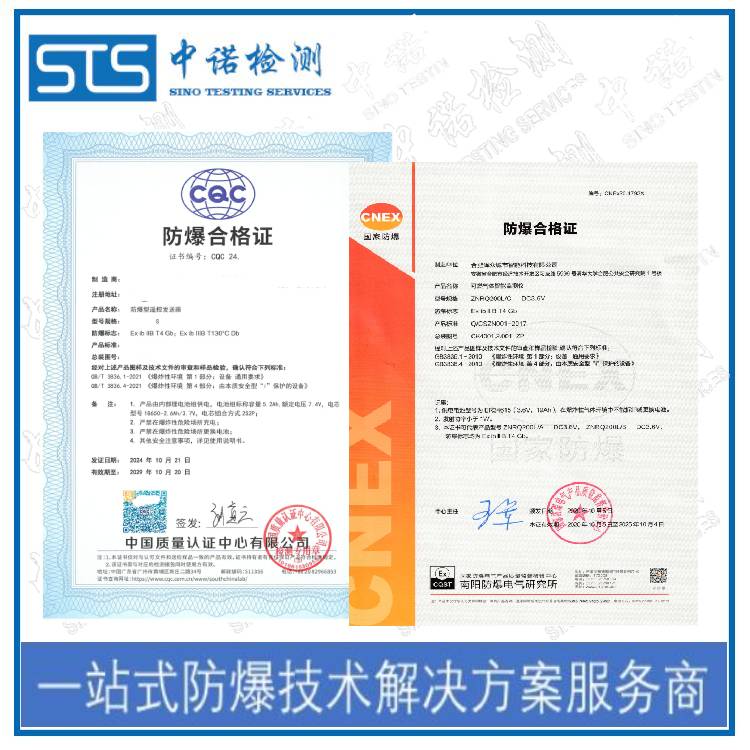
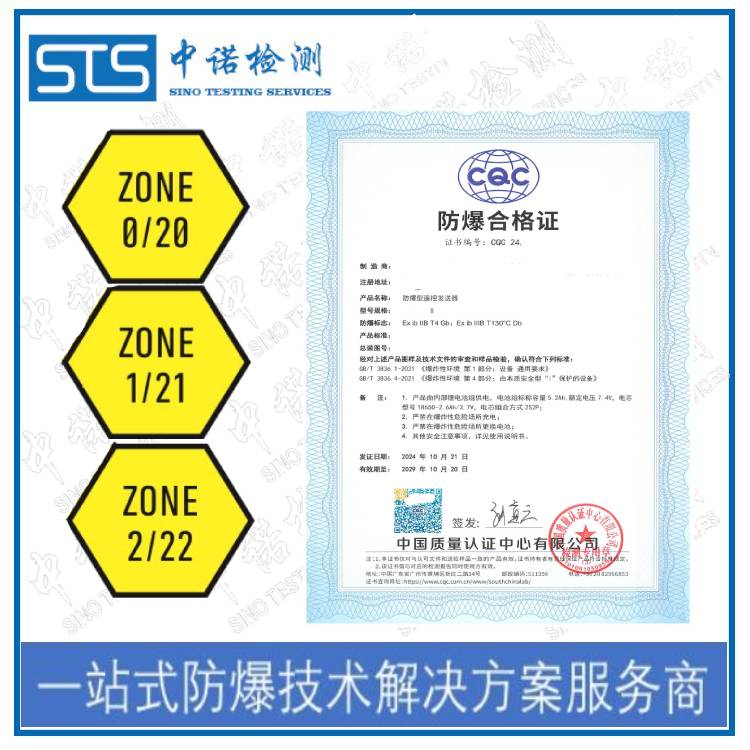
2. Explosion-proof Certificate of Compliance: This certification is for products not listed in the Explosion-proof 3C Catalogue. The certification process involves product testing, and upon passing, an explosion-proof certificate is issued. However, it's important to note that while products outside the Explosion-proof 3C Catalogue can obtain only the explosion-proof certificate, there is a risk of being penalized by market regulation.
Additionally, based on the application of explosion-proof products, they can also be categorized into mine-use and non-mine-use explosion-proof products:
3. Coal Mine Explosion-Proof Products: Explosion-proof products for coal mine sites require Coal Safety Certification, which includes explosion-proof performance testing and performance standard testing of the products. Additionally, factory inspections and annual reviews are also necessary.
4. Non-mining explosion-proof products: Categorized according to the aforementioned explosion-proof 3C certification and explosion-proof qualification certificate certification.
5. Exported explosion-proof products require different explosion-proof certifications based on the export destination's standards, such as ATEX certification and IECEx certification, etc.
Shenzhen ZhongNuo Inspection has been focusing on explosion-proof product testing and certification for many years, well-versed in both domestic and international explosion-proof standards. We have a team of experienced explosion-proof technicians who can provide explosion-proof circuit structure design and drawings, offer tailored explosion-proof solutions, and help businesses quickly and conveniently obtain explosion-proof certificates. For more details, feel free to send us a private message anytime!
Is "Intrinsically Safe Certification" the same as "Explosion-Proof Certification"? What are the differences between them?
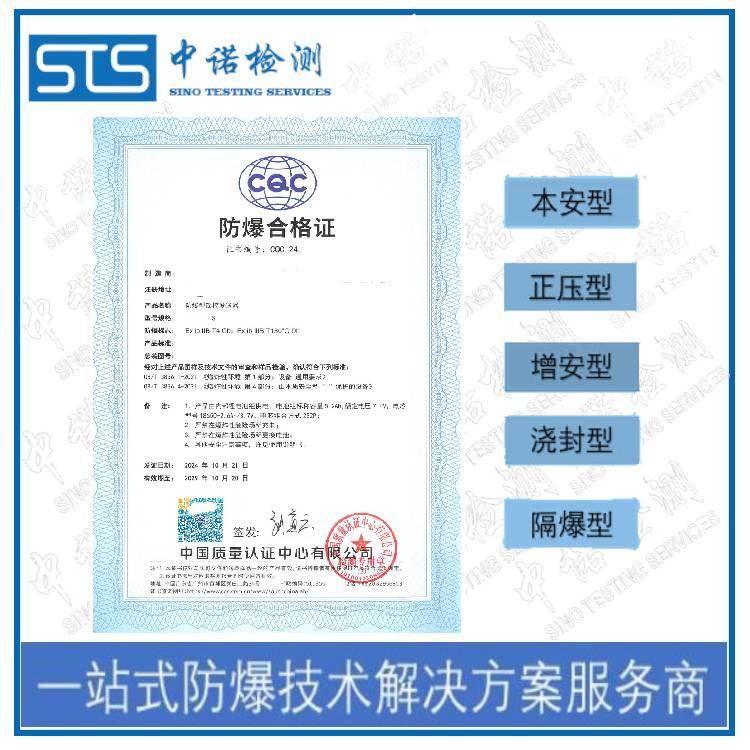
Explosion-proof certification refers to a safety certification for equipment and products used in explosive hazardous areas.
To meet the requirements of explosion-proof certification standards, certain measures must be taken, which we refer to as explosion-proof protection types.
Common explosion-proof protection types include intrinsic safety, flameproof, positive pressure, and increased safety, etc.
Clearly, ATEX is just one type of explosion-proof protection.
Different explosion-proof protection types have varying design requirements for the product.
intrinsic safety is a type of explosion-proof protection that limits electrical energy, ensuring that even in the event of a fault, the energy produced is not sufficient to ignite the surrounding explosive environment.
Therefore, intrinsic safety requires limitations on the current, voltage, capacitance, inductance, etc. of electrical equipment, and is generally applicable to low-power devices.
Additionally, specific requirements are in place for the power supply method of intrinsically safe equipment, the material of the housing, and wireless transmission.
As a long-standing third-party consulting agency specializing in explosion-proof certification, ZN Testing has dedicated engineers in intrinsically safe circuit and structural design. We offer technical consulting services for explosion-proof circuit design, drafting, and rectification. We have extensive experience in designing and obtaining certifications for intrinsically safe ia, ib, and ic explosion-proof classifications.
If you require certification in this area, feel free to message us privately!
Explosion-proof Certification Application Consulting Services - Shenzhen Zhongnuo Testing Technology Co., Ltd.


