


- AllProduct Category
-
Domestic Explosion-Proof Certification
Explosion-Proof 3C Certification
Explosion-proof Electrical Inspection
Coal Mine Safety Certification
ATEX & IECEx Certification
Ex-proof Qualification Certificate
Explosion-proof Construction Renovation


Recommended Products

Xi'an Dust Removal Equipment IECEx Explosion Proof Certification, Shenzhen ZhongNuo Inspection

Flameproof Certificate Application Documents for Communication Equipment - Shenzhen ZhongNuo Inspection, Application Process
Electromagnetic Valve SIL Certification Application Requirements - Shenzhen Zhongnuo Inspection
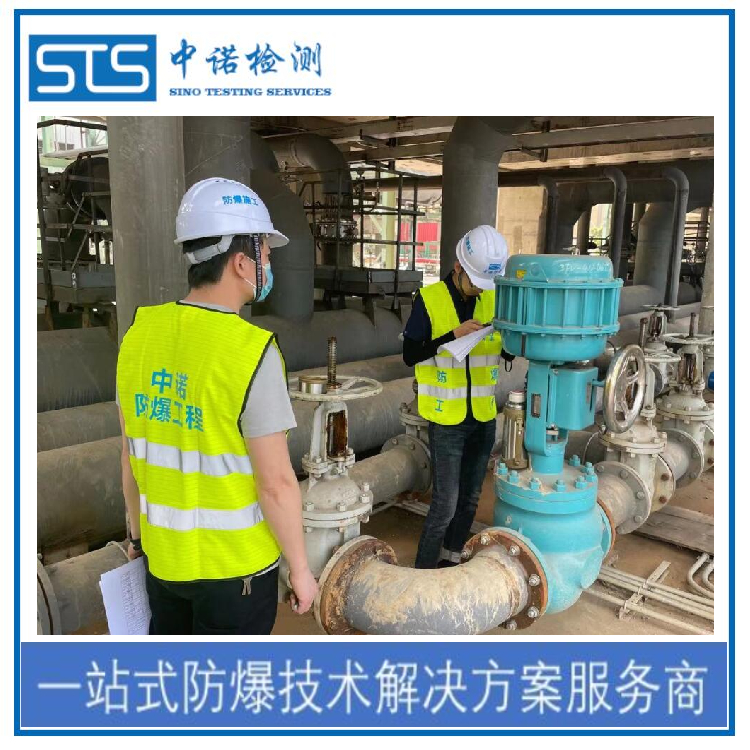
On-Site Oil Storage Explosion-Proof Electrical Inspection Application Requirements | Online Inquiry | Shenzhen ZhongNuo Inspection
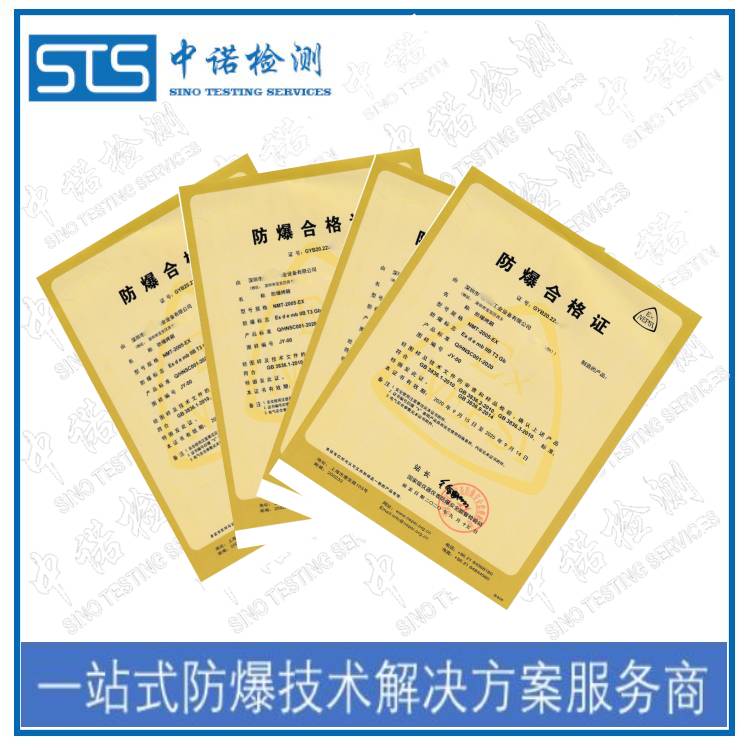
Where to apply for a dust explosion-proof certificate in Hangzhou? Shenzhen Zhongnu Inspection, what are the requirements?
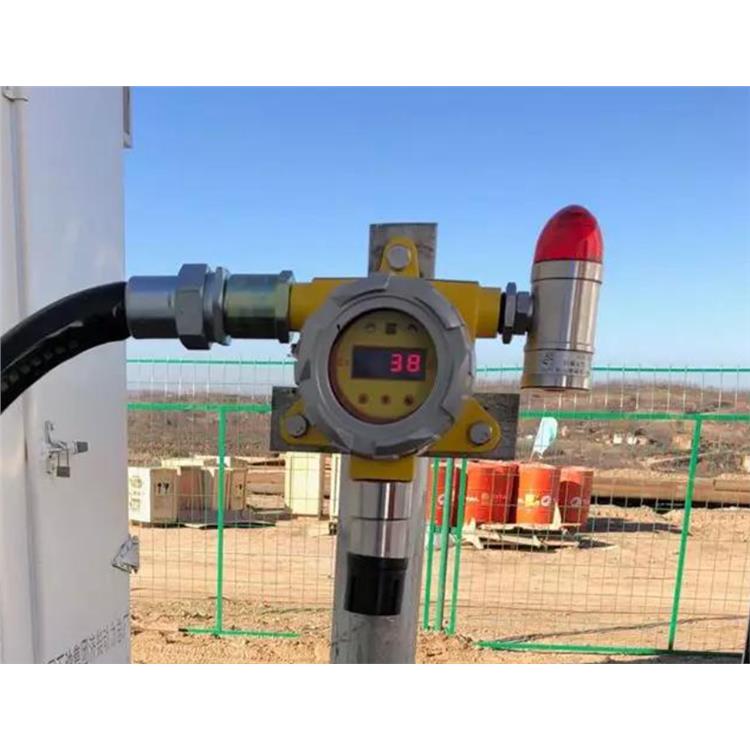
Yangzhou Gas Detector Calibration Services - ZhongNuo Inspection
详情描述
Shenzhen Zhongnuo Testing Technology Co., Ltd. is based in South China and specializes in explosion-proof certification and coal safety certification application consulting services, offering a one-stop explosion-proof technology consulting service.
Limitation requirements for surface resistance of non-metallic casings of explosion-proof equipment
In hazardous areas with explosive dust or gases/vapors, such as coal dust and flour, static electricity can cause fires or explosions, posing significant danger. Therefore, it is advisable to minimize the use of insulating materials in explosive hazard areas. When selecting electrical insulating materials, consider maintaining low insulation resistance to prevent discharge when non-metallic components come into contact with charged components. For non-metallic insulating materials, the antistatic capability of the equipment can be assessed by measuring the surface resistance of the equipment's housing.
Surface resistance, measured in ohms (Ω), refers to the resistance between two electrical contacts on the measuring surface.
In accordance with the requirements of the IEC 60079 series standards:
1. In II Division explosive gas environments, when the surface area of the non-metallic housing of electrical equipment exceeds a certain limit value (as shown in Table 1), a surface resistance test of the non-metallic material is required to verify that: by selecting the material, the surface resistance meets at least one of the following requirements during measurement according to IEC 60079-0 26.13:
At ≤1 GΩ, (505)% relative humidity;
At ≤100 GΩ, (305)% relative humidity.
2. In environments with Class III explosive dust, if the surface area of the non-metallic housing of electrical equipment does not exceed 500 mm², the risk of static electricity can be disregarded; if it exceeds this limit, a surface resistance test must be conducted. The requirements for judgment are the same as those for the surface resistance test limit in Class II gas environments. For fixed-installed equipment that cannot meet the surface resistance limit, a warning symbol can be added after the "Ex-proof" sign, and the corresponding warning sign should be placed on the equipment. Users should be informed of this in the user manual.
In flammable and explosive hazardous areas, the site must be divided into explosion-proof zones based on the frequency and duration of hazardous material occurrences, to ensure the correct selection and installation of electrical equipment in hazardous areas, aiming for safe operation. Divisions are made according to explosion-proof standards,
Explosive gas environments are classified into Zones 0, 1, and 2. Zone 0 is hazardous, referring to situations where explosive gas mixtures are present for extended periods under normal conditions, such as within oil and gas transmission pipelines. Correspondingly, the explosion-proof areas for explosive dust environments are classified into Zones 20, 21, and 22.
Dividing explosion-proof zones is crucial for selecting the appropriate explosion-proof electrical equipment. For instance, Zone 0 requires intrinsically safe IA electrical equipment, while Zone 1 allows for both IA and IB intrinsically safe equipment, offering a wider range of choices.
For more information on explosion-proof services, please feel free to contact Shenzhen Zhongnuo Testing Technology Co., Ltd. for further communication.
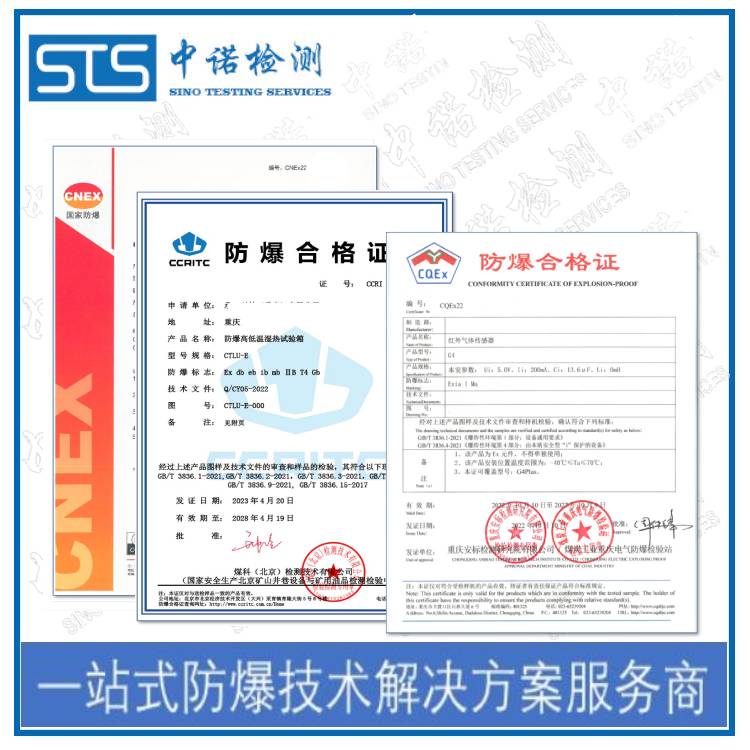
Certification standards for explosion-proof equipment used in environments with explosive gas:
GB/T 3836.1-2021 Explosive Atmospheres Part 1: Equipment General Requirements
GB/T 3836.2-2021 Explosive Atmospheres – Part 2: Equipment protected by explosion-proof enclosures “d”
GB/T 3836.3-2021 Explosive Atmospheres Part 3: Equipment protected by increased safety "e"
GB/T 3836.4-2021 Explosive Atmospheres, Part 4: Equipment protected by intrinsic safety "i"
GB/T 3836.5-2021 Explosive Atmospheres Part 5: Equipment protected by an “p”-type positive pressure enclosure
GB/T 3836.6-2017 Explosion-proof Environment - Part 6: Equipment protected by "o" type liquid immersion
GB/T 3836.7-2017 Explosive Atmospheres, Part 7: Equipment protected by filling with sand type "q"
GB/T 3836.8-2021 Explosive Atmospheres, Part 8: Equipment protected by "n" type protection
GB/T 3836.9-2021 Explosive Atmospheres Part 9: Equipment protected by a cast-in “m” type encapsulation
Intrinsically safe equipment has explosion-proof ratings of IA, IB, and IC, which are determined based on intrinsic circuit evaluation considering both counted and uncounted faults.
IA grade is used in Zones 0, 1, and 2.
IB grade is applicable to Zones 1 and 2.
IC is only applicable for use in Zone 2.
Additionally, intrinsic safety equipment can be used in both mining environments and non-mining explosive gas and dust environments. It primarily operates by limiting the energy within the circuit, ensuring that it cannot ignite the surrounding explosive atmosphere under normal operating conditions or in the event of a fault, thus inherently providing safety. Hence, it is referred to as intrinsic safety.
If you have more questions about the design and certification of intrinsically safe equipment, Shenzhen ZhongNuo Testing Technology Co., Ltd. can continue to provide you with answers.
Explosion-proof Certification Application Consulting Service - Shenzhen ZhongNuo Testing Technology Co., Ltd.


