



- AllProduct Category
-
Domestic Explosion-Proof Certification
Explosion-Proof 3C Certification
Explosion-proof Electrical Inspection
Coal Mine Safety Certification
ATEX & IECEx Certification
Ex-proof Qualification Certificate
Explosion-proof Construction Renovation


Recommended Products

Xi'an Dust Removal Equipment IECEx Explosion Proof Certification, Shenzhen ZhongNuo Inspection

Flameproof Certificate Application Documents for Communication Equipment - Shenzhen ZhongNuo Inspection, Application Process
Electromagnetic Valve SIL Certification Application Requirements - Shenzhen Zhongnuo Inspection
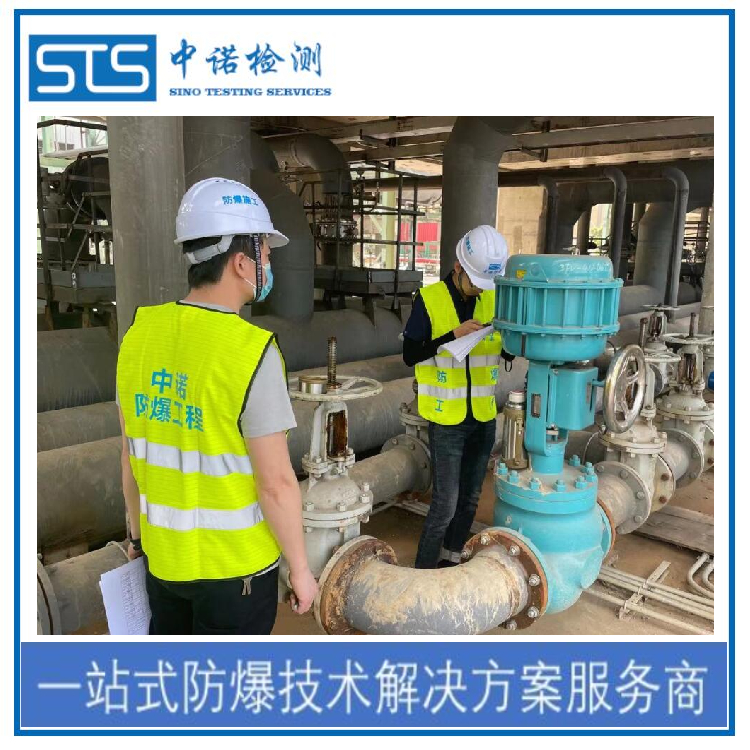
On-Site Oil Storage Explosion-Proof Electrical Inspection Application Requirements | Online Inquiry | Shenzhen ZhongNuo Inspection
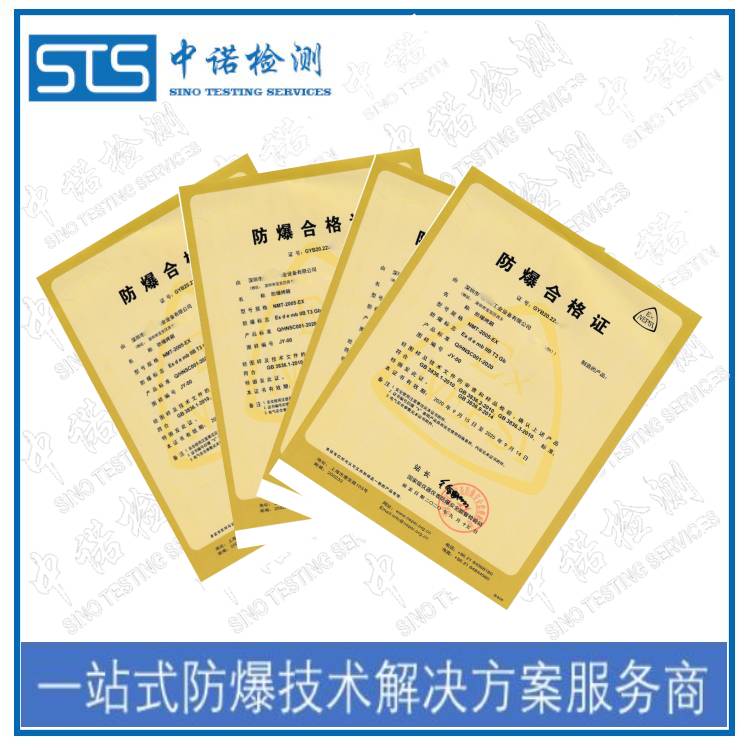
Where to apply for a dust explosion-proof certificate in Hangzhou? Shenzhen Zhongnu Inspection, what are the requirements?
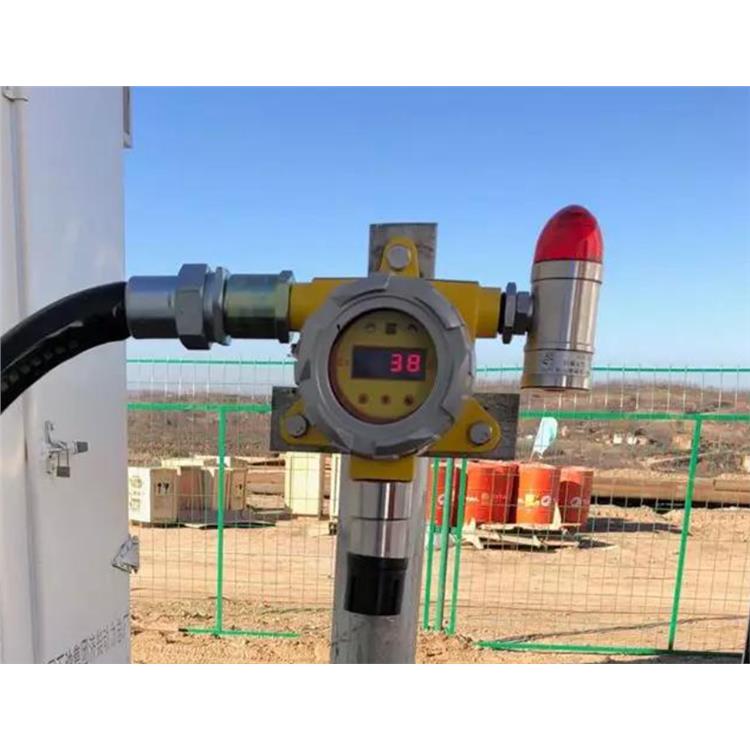
Yangzhou Gas Detector Calibration Services - ZhongNuo Inspection
详情描述
Shenzhen Zhongnuo Testing Technology Co., Ltd. is based in South China and specializes in explosion-proof certification and coal safety certification application consulting services, offering one-stop explosion-proof technology consulting services.
Which products can apply for the intrinsically safe explosion-proof certificate? What are the requirements?
Beneath-Arc is one type of explosion-proof protection, which limits electrical energy so that the equipment remains safe even in the event of a fault.
A type of explosion-proof protection that the energy produced is not sufficient to ignite the surrounding explosive environment.
Therefore, intrinsic safety requirements limit the current, voltage, capacitance, inductance, etc., of electrical equipment, making them only suitable for low-power devices.
Additionally, there are specific requirements for the power supply method of intrinsically safe equipment, plastic enclosures, and wireless transmitters.
The product application for intrinsic safety certification requires the submission of the product's schematics, PCB diagrams, etc.
ZhongNuo Inspection has dedicated engineers specializing in intrinsically safe circuit and structural design.
We offer technical consulting services for explosion-proof circuit design, drafting, and modifications. We have extensive experience in designing and obtaining certifications for intrinsic safety levels ia, ib, and ic.
If you need certification in this area, feel free to message us!
Division of Explosion-Proof Zones in Combustible Dust Environments -- Shenzhen ZhongNuo Testing Technology Co., Ltd.
In explosion-proof certification, hazardous areas are divided into explosive gas environments and combustible dust environments based on the different physical states of substances present at the site. According to the duration of presence of hazardous substances at the site, these areas with different physical states are further divided into three zones.
For environments with combustible dust, it is for Zones 20, 21, and 22.
Zone 20: Locations where flammable dust environments occur continuously or exist for extended periods, typically above 1000 hours per year.
Zone 21 – Areas where combustible dust environments may occur during normal operation, typically 10-1000 hours/year.
Zone 22 is not expected to have an environment with combustible dust during normal operation, nor is it a place that occasionally has such an environment for a short duration; typically, occurrences are below 10h/year.
Certificate of Explosion-Proof Validity and Renewal Issues
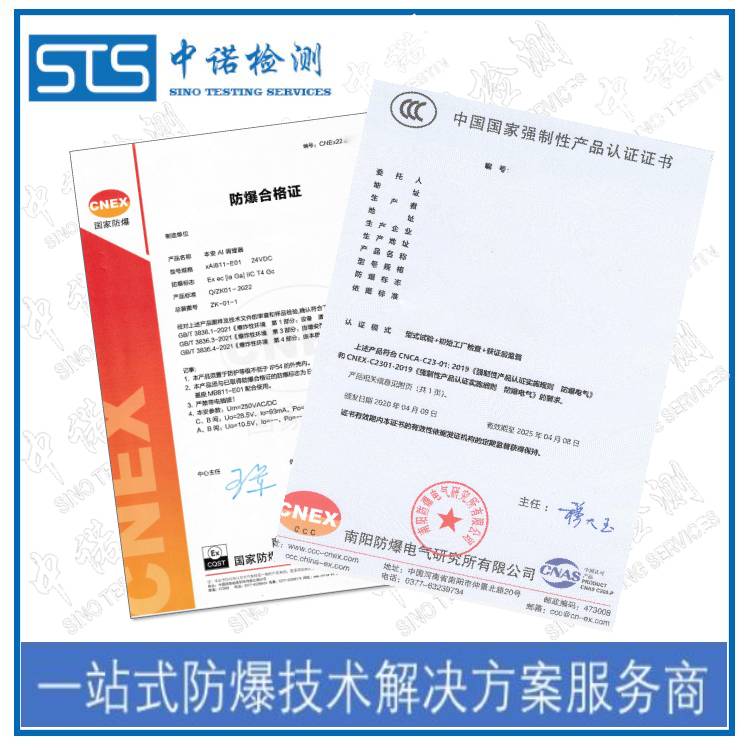
The domestic explosion-proof certification is valid for 5 years from the date of issuance.
If the certificate is due to expire, you may choose to renew it or replace it. When a company's explosion-proof qualification certificate is about to expire,
The company should provide an application letter for a certificate replacement within three months before and after the validity period, and should also bring relevant documents for a repeat application.
International explosion-proof certification, such as ATEX and IECEx certificates, is valid for a specific period.
Due to their method of evidence collection being by type testing.
A combination of product certification and factory production quality system audit.
Ensure the validity of the certificate.
Limitation requirements for surface resistance of non-metallic外壳 of explosion-proof equipment
In hazardous areas with explosive dust or gases/vapors, such as coal powder and flour, static electricity may cause fires or explosions, posing significant risks. Therefore, it is advisable to minimize the use of insulating materials in explosive hazard zones. When selecting electrical insulating materials, consider maintaining a low insulation resistance to prevent discharges when non-metallic components come into contact with charged components. For non-metallic insulating materials, the antistatic ability of the equipment can be assessed by measuring the surface resistance of the equipment housing.
Surface Resistance, measured in ohms (Ω), refers to the resistance between two electrical contacts on the measuring surface.
In accordance with the requirements of the IEC 60079 series standards:
In Class II explosive gas environments, when the surface area of a non-metallic shell of an electrical equipment exceeds a certain limit (as shown in Table 1), a surface resistance test of the non-metallic material must be conducted to verify that: by selecting the material, the surface resistance meets at least one of the following requirements when measured according to IEC 60079-0 26.13:
At ≤1 GΩ, (505)% relative humidity;
At ≤ 100 GΩ, (305)% relative humidity.
2. In environments with Class III explosive dust, if the surface area of the non-metallic housing of electrical equipment does not exceed 500 mm², the risk of static electricity can be disregarded; if it exceeds this limit, a surface resistance test must be conducted for verification. The requirements for assessment are the same as those for the surface resistance test limits in Class II gas environments. For fixed installation equipment that cannot meet the surface resistance limits, an "X" can be added after the "Explosion-proof" marking, a corresponding warning sign should be placed on the equipment, and the user should be informed in the user manual.
Explosion-proof Certification Application Consulting Services - Shenzhen Zhongnuo Inspection Technology Co., Ltd.


