




- AllProduct Category
-
Domestic Explosion-Proof Certification
Explosion-Proof 3C Certification
Explosion-proof Electrical Inspection
Coal Mine Safety Certification
ATEX & IECEx Certification
Ex-proof Qualification Certificate
Explosion-proof Construction Renovation


Recommended Products

Xi'an Dust Removal Equipment IECEx Explosion Proof Certification, Shenzhen ZhongNuo Inspection

Flameproof Certificate Application Documents for Communication Equipment - Shenzhen ZhongNuo Inspection, Application Process
Electromagnetic Valve SIL Certification Application Requirements - Shenzhen Zhongnuo Inspection
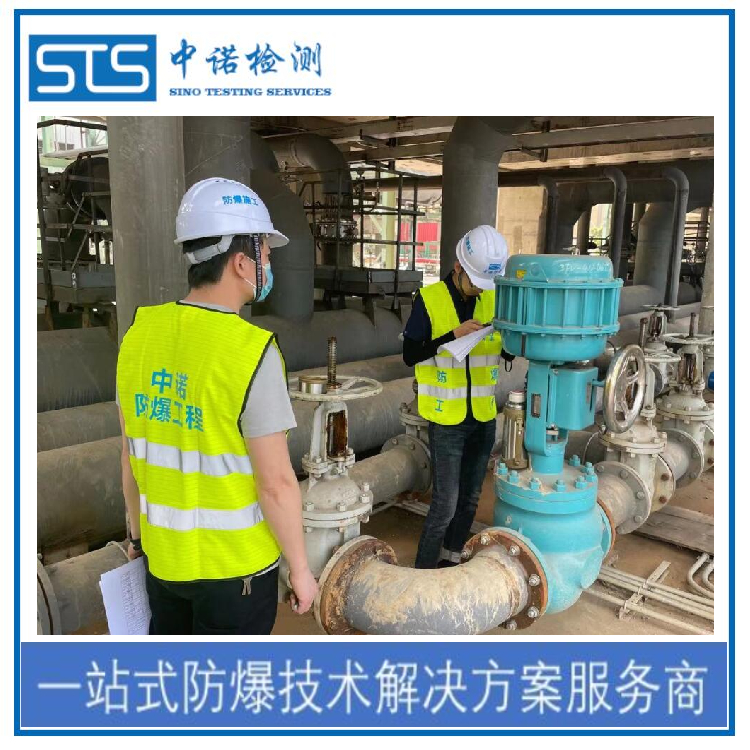
On-Site Oil Storage Explosion-Proof Electrical Inspection Application Requirements | Online Inquiry | Shenzhen ZhongNuo Inspection
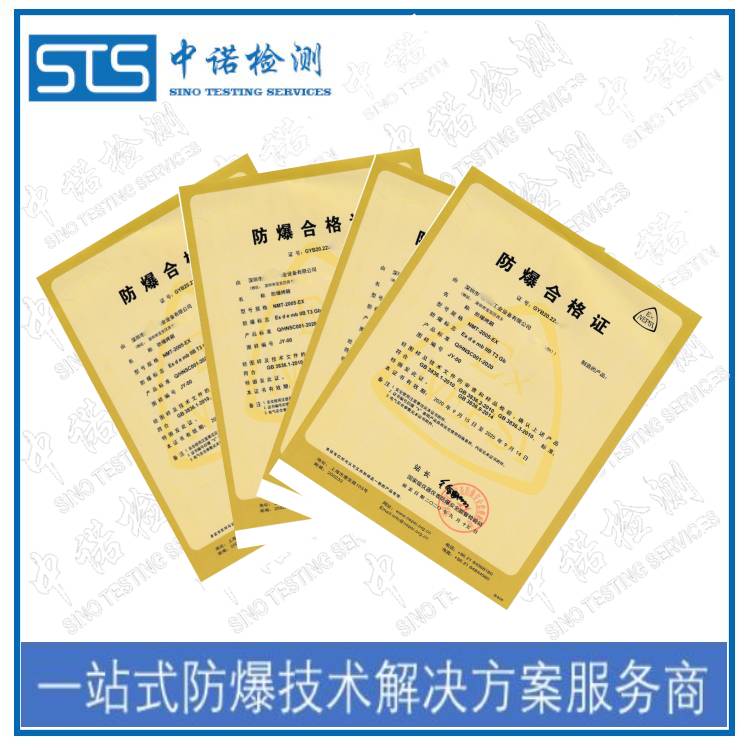
Where to apply for a dust explosion-proof certificate in Hangzhou? Shenzhen Zhongnu Inspection, what are the requirements?
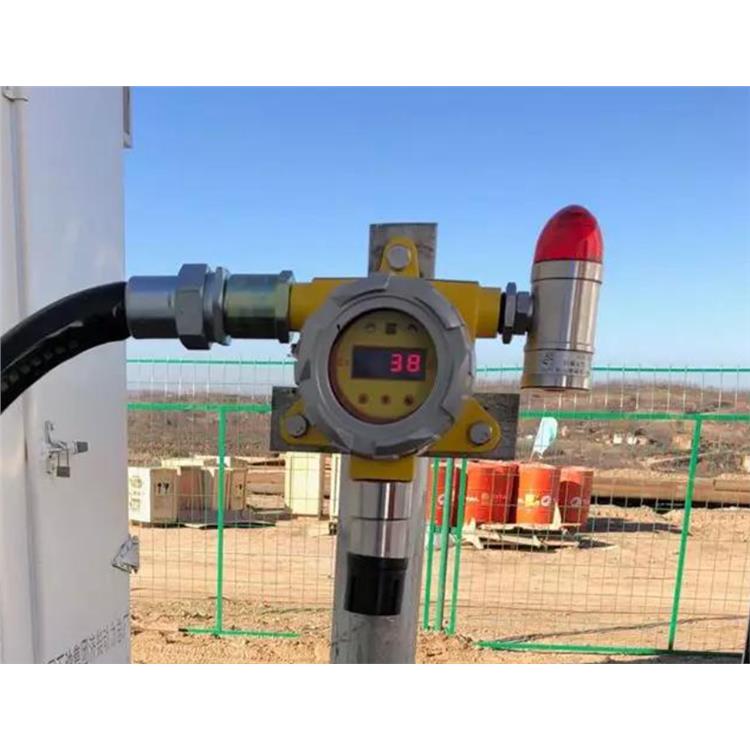
Yangzhou Gas Detector Calibration Services - ZhongNuo Inspection
详情描述
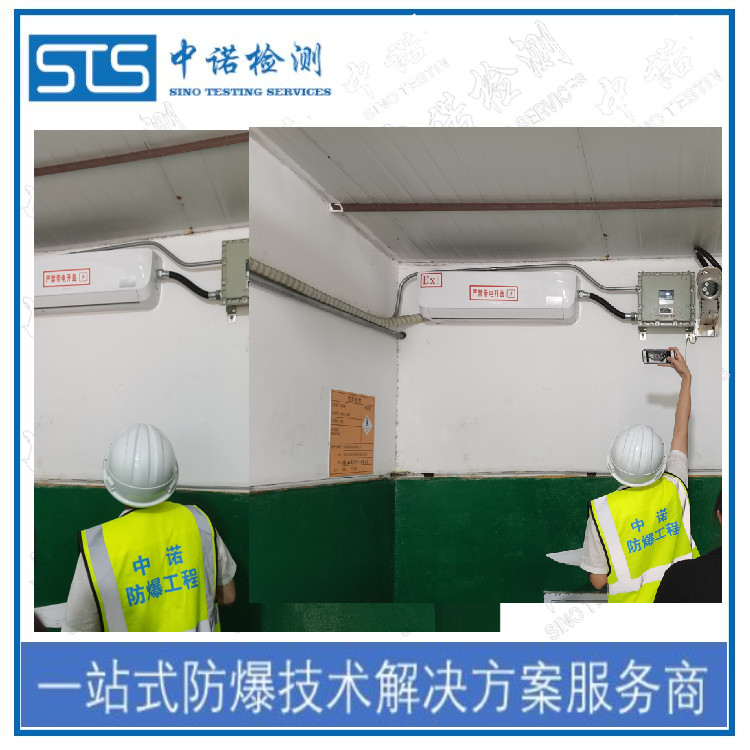
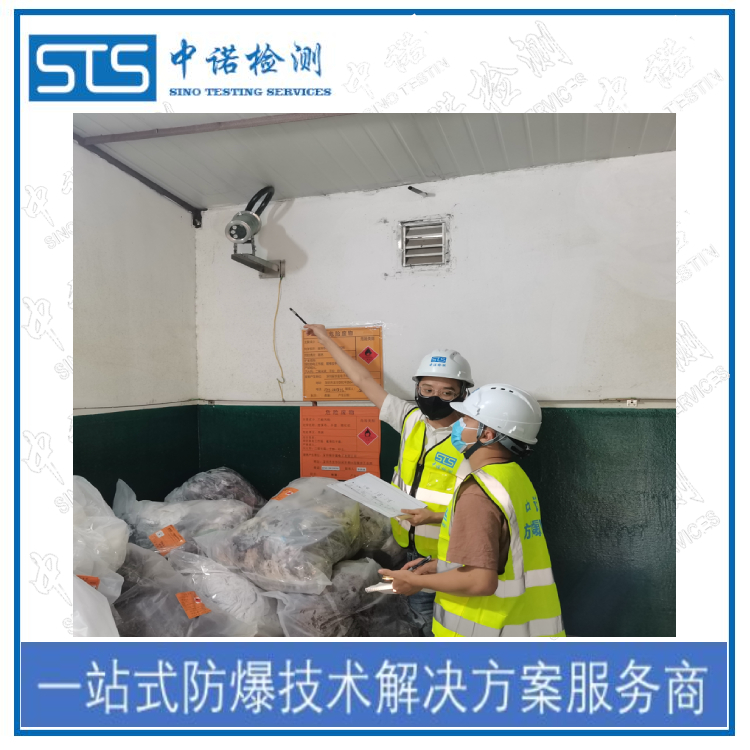
Shenzhen ZhongNuo Testing Technology Co., Ltd. offers on-site explosion-proof electrical inspection, explosion-proof project acceptance services, and can provide explosion-proof rectification and construction services for non-compliant items.
The standards referenced in the "Electrical Explosion Protection Inspection Report" issued from regular inspections of explosion-proof electrical equipment include but are not limited to:
GB 50058-2014 "Code for Design of Electrical Installations in Explosive Hazardous Environments"
GB50257-2014 Code for Construction and Acceptance of Electrical Installation Engineering in Explosive and Fire Hazardous Environments
GB/T3836.15-2017 "Electrical Equipment for Explosive Gas Atmospheres — Part 15: Electrical Installations in Hazardous Areas (Excluding Coal Mines)"
AQ3009-2007 Electrical Explosion-Proof Safety Code for Hazardous Areas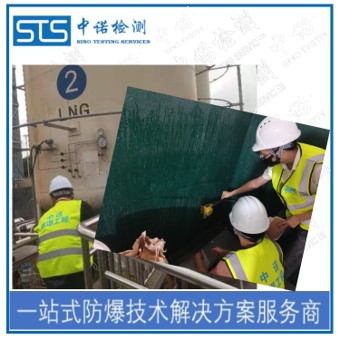
Shenzhen ZhongNuo Inspection & Technology Co., Ltd. summarizes the experience from past explosion-proof electrical inspections and compiles the following common non-conforming items in on-site explosion-proof inspections for your reference.
Common phenomena include:
1. Corrosion and damage to explosion-proof housing. The protective housing of explosion-proof electrical equipment is damaged due to corrosion from the surrounding medium, leading to rusting through the housing and structural deterioration, thus losing its original strength and causing the explosion-proof electrical equipment to lose its explosion-proof capability.
2. Explosion-proof protective casing chemically corroded and damaged. The metallic casing becomes electrically charged during electrical leakage or potential drift, and when the charged metal contacts the air medium, it acts like a battery, causing corrosion of the metallic casing. This leads to the loss of the electrical appliance's explosion-proof capability.
3. External force and mechanical impact damage. Damage to the protective shell caused by collisions with other equipment or mechanical materials on the work site, as well as shell damage due to excessive force during installation.
4. Shell damage due to over-temperature, caused by cold contraction and deformation of the protective shell material structure in cold regions due to climate adaptation issues, leading to shell breakage and subsequent damage to the protective shell.
5. Damage due to improper installation. Damage, loss, and failure of protective functions caused by not following installation requirements during the process of installing explosion-proof electrical equipment.
6. Inadequate sealing, including improper handling of sealing materials during installation and maintenance, loose fit of sealing surfaces, damage to sealing components, unsuitable or missing sealing fasteners, etc., result in inadequate or weak explosion-proof performance.
7. Quality issues with explosion-proof electrical equipment, including substandard material for the explosion-proof housing and an unreasonable structural design that fails to meet required load-bearing capacity; internal wiring facilities are prone to looseness, and an irrational internal circuit may cause sparking or overheating; unreasonable mechanical structural components, excessive equipment temperature, and internal water accumulation may lead to malfunctions in explosion-proof electrical equipment.
8. Due to actual changes in hazardous areas caused by the alteration of production facilities, the electrical equipment in the area has not been promptly updated to explosion-proof equipment.
9. Incorrect selection of explosion-proof electrical equipment, including the use of non-intrinsic safety voltage for intrinsic safety electrical equipment and explosion-proof enclosures being used for lighting, heating, and other wiring equipment.
As an end-user of explosion-proof electrical equipment, it is necessary to conduct regular explosion-proof inspections even if explosion-proof electrical equipment is installed and used in explosive hazard areas. This is both a requirement of various departments and a high level of attention to the safety of personnel and property.
Dust Explosion-Proof Safety Inspection Standards for Hazardous Areas
GB15577-2018 Dust Explosion Protection Safety Code
GB17440-2008 Grain Processing Industry Dust Explosion Prevention Safety Standard
GB17918-2009 Dust Explosion Prevention Safety Standard for Bulk Grain Handling Systems at Ports
AQ4229-2013 Dust Explosion Prevention Safety Code for Grain Vertical Silos
AQ4230-2013 Dust Explosion Prevention Safety Standards for Grain Flat Storage Facilities
AQ4232-2013 Dust Explosion Prevention Regulations for Plastic Production Systems
GB18245-2000 Processed System Dust Explosion Prevention Safety Specification
GB19081-2008 Feed Processing System Dust Explosion Prevention Safety Specification
GB16543-2008 Blast Furnace Injection Coal Dust Explosion Prevention Safety Standard
GB17269-2003 Aluminum Processing System Dust Explosion Prevention and Safety Regulations
GB/T 16505-1995 Guide for Dust Explosion Relief
GB/T 17919-2009 Guidelines for Explosion-Proof Dust Collectors for Hazardous Dust Explosion Areas
GB 12158-2006 General Guidelines for Preventing Static Electricity Accidents
AQ3009-2007 Electrical Explosion Protection Safety Standard for Hazardous Areas
GB50058-2014 Code for Design of Electrical Installations with Explosive and Fire Hazard
GB50257-2014 Code for Electrical Installation Engineering in Explosive and Flammable Gas and Dust Environments - Electrical Construction and Acceptance Standards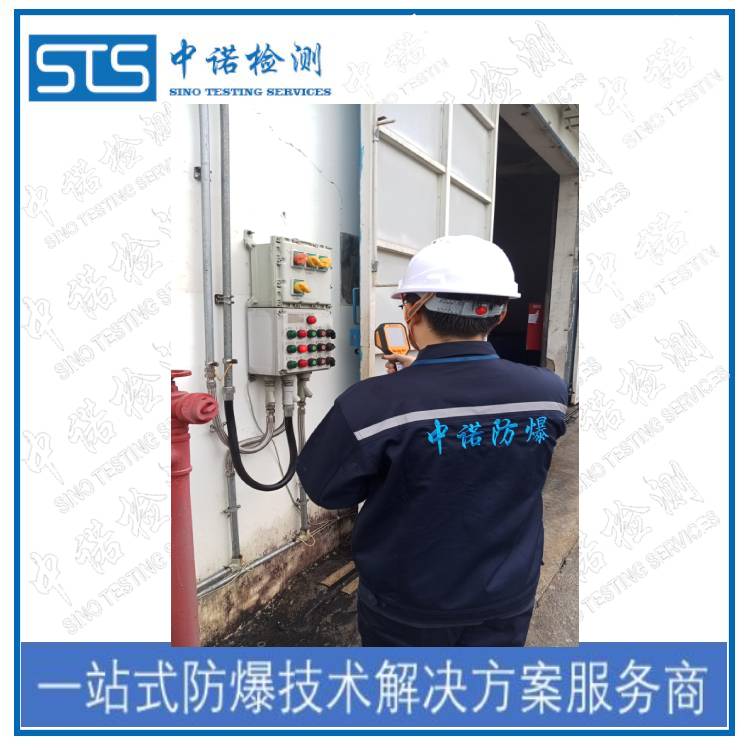
What certifications are required for regular inspections of explosion-proof electrical equipment?
The regular inspection of explosion-proof electrical equipment, as mentioned in the previous paragraph, in accordance with the AQ 3009-2007 "Electrical Safety and Explosion-Proof Requirements for Hazardous Areas" standard, must be conducted by a certified inspection center with explosion-proof expertise. This expertise is authorized by the CNAS (China National Accreditation Service for Conformity Assessment) and can be verified on the CNAS website.
On-Site Explosion-Proof Electrical Equipment Regular Inspection Consulting Service - Shenzhen Zhongnuo Inspection Technology Co., Ltd.


