




- AllProduct Category
-
Domestic Explosion-Proof Certification
Explosion-Proof 3C Certification
Explosion-proof Electrical Inspection
Coal Mine Safety Certification
ATEX & IECEx Certification
Ex-proof Qualification Certificate
Explosion-proof Construction Renovation


Recommended Products

Xi'an Dust Removal Equipment IECEx Explosion Proof Certification, Shenzhen ZhongNuo Inspection

Flameproof Certificate Application Documents for Communication Equipment - Shenzhen ZhongNuo Inspection, Application Process
Electromagnetic Valve SIL Certification Application Requirements - Shenzhen Zhongnuo Inspection
On-Site Oil Storage Explosion-Proof Electrical Inspection Application Requirements | Online Inquiry | Shenzhen ZhongNuo Inspection
Where to apply for a dust explosion-proof certificate in Hangzhou? Shenzhen Zhongnu Inspection, what are the requirements?
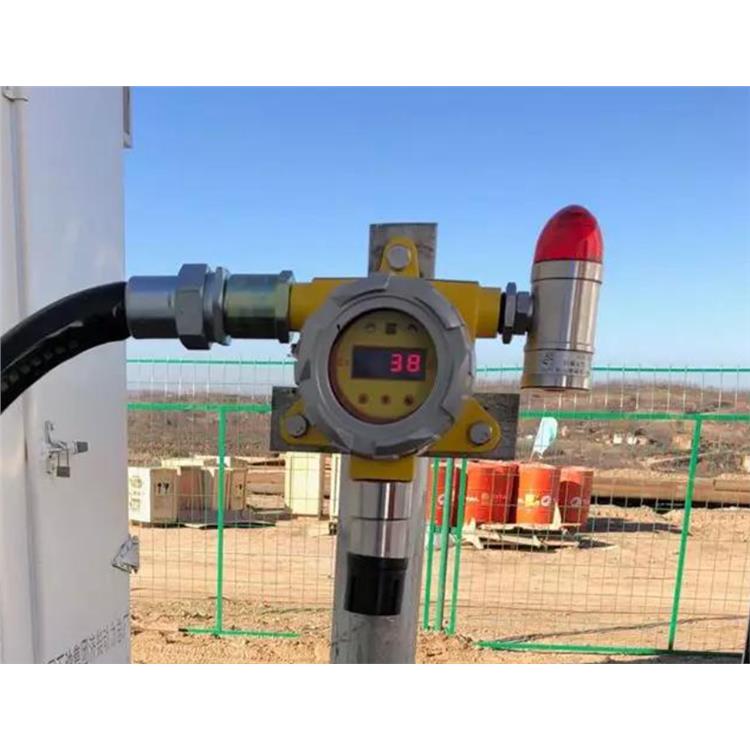
Yangzhou Gas Detector Calibration Services - ZhongNuo Inspection
详情描述
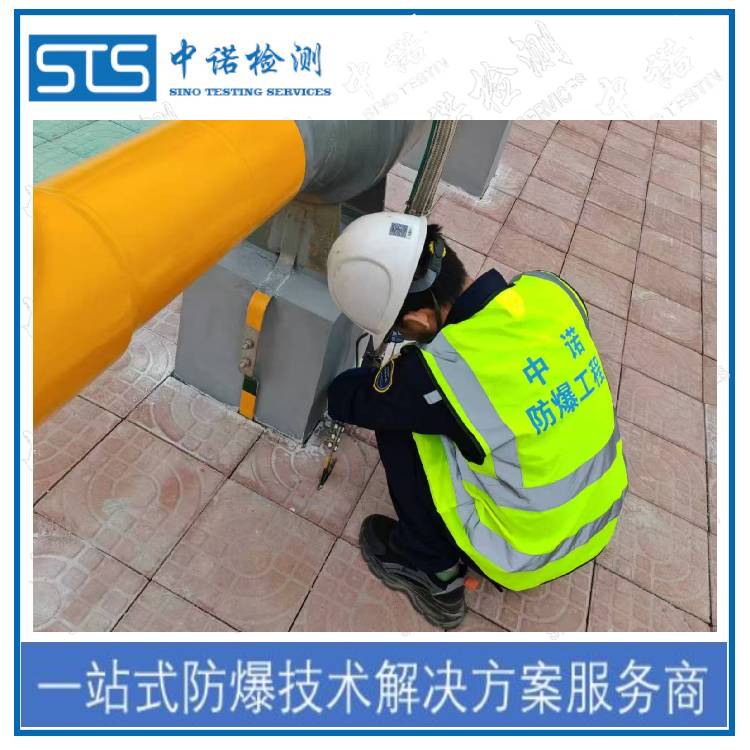
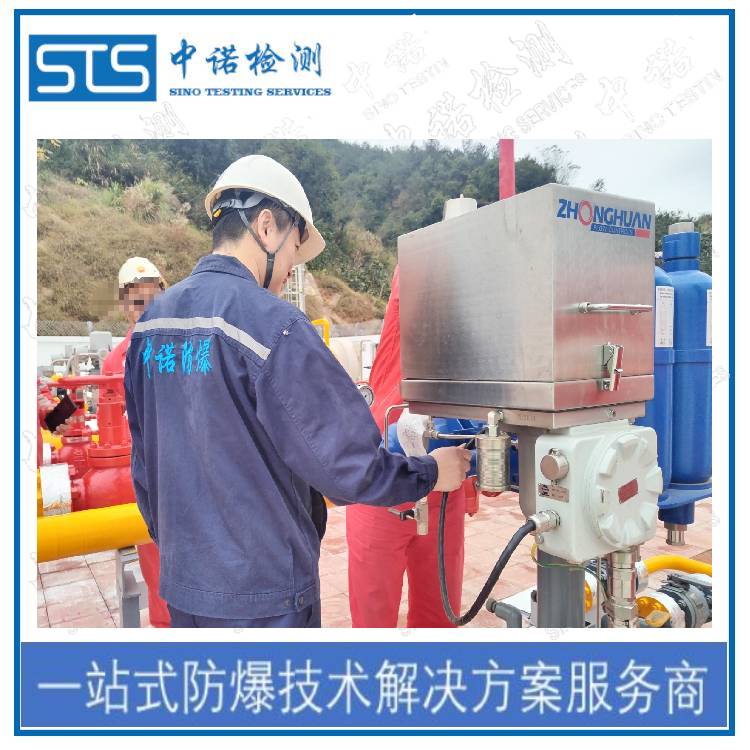
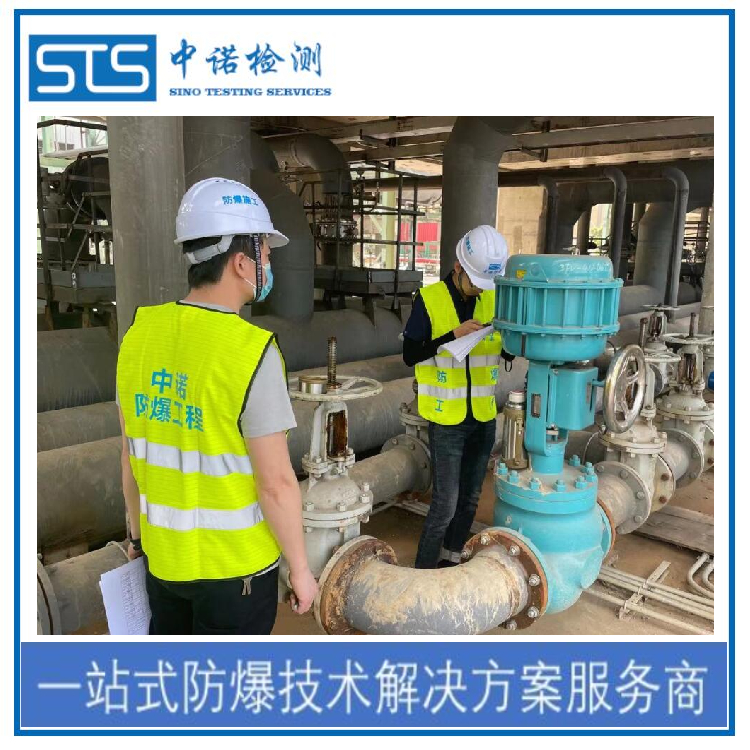
Shenzhen ZhongNuo Testing Technology Co., Ltd. offers on-site explosion-proof electrical inspection, explosion-proof project acceptance services, and can provide explosion-proof rectification and construction services for items that fail inspection.
We understand that facilities involving explosive gases and dust must undergo regular explosion-proof electrical inspections. What specific contents are checked during these inspections?
Electrical Explosion Proof Safety Inspection for Hazardous Areas
1. Model Inspection
In strict accordance with relevant laws, the explosion-proof markings on explosion-proof electrical equipment must be standardized, and the equipment must pass the relevant explosion-proof standard inspections with a qualification before implementation. It is necessary to design the appropriate explosion-proof type, level, and temperature class for electrical equipment based on the specific working environment.
2. Installation Inspection
During electrical equipment installation, any oversight can potentially lead to losses. For instance, if the ventilation and exhaust system is not properly installed and not functioning smoothly, or if the electrical equipment enclosures have the potential to explode during operation, these are risks to be taken seriously. Therefore, it is crucial to install with precision and adhere to relevant standards.
3. Wire inspection
Electrical equipment is often composed of a large number of interconnected wires, which can be particularly complex. If not properly connected, or if there are incorrect connections, or due to the insulation layer of the wires coming off, it may cause short circuits or overloads, leading to arcs or sparks. Therefore, it is crucial to strengthen the inspection of circuit connections, especially the sealing of wires, to ensure that the connections meet the requirements.
4. Grounding Inspection
Electrical equipment generates static electricity during operation. If the static is excessive, sparks may occur during discharge. Therefore, proper grounding protection must be implemented to timely dissipate the static, thereby preventing explosions. Common grounding methods include working grounding, static grounding, and lightning protection grounding, among others. Engineers must select the appropriate grounding method based on the specific working environment, ensuring that the grounding is both safe and secure.
Chemical companies must regularly maintain and inspect explosion-proof electrical and static electricity prevention facilities in hazardous areas to ensure they are always operating in a normal state. For dangerous areas, electrical explosion-proof safety inspections should be scientifically developed, keep pace with the times, enhance the discovery and invention of new inspection methods and means, continuously apply new knowledge and technology, as well as management methods, to prevent latent dangers and eliminate unsafe factors.
Does explosion-proof electrical equipment require an explosion-proof acceptance test after installation?
Many corporate clients are puzzled: Does the installation of electrical equipment with a valid and authentic explosion-proof certification mean it can be used normally?
Is the use of explosion-proof equipment equivalent to the overall explosion-proof issue here?
We understand that every product has its lifecycle, from production to market launch, end-user use, wear and tear, and eventual obsolescence. As specialized equipment in a specialized industry, the lifecycle of explosion-proof equipment is not just about the product itself but also about its installation methods, maintenance, and care. In reality, accidents often occur due to improper use by the users, leading to the failure of explosion-proof electrical equipment and causing explosions, which is a situation that deserves our utmost vigilance.
Therefore, the installation and acceptance of the newly introduced explosion-proof equipment is particularly necessary and important.
After the explosion-proof equipment is installed, an initial inspection should be conducted by a qualified inspection agency with explosion-proof inspection资质 before transferring the project to the user, to ensure the entire project's explosion-proof safety performance. The explosion-proof acceptance criteria are based on mandatory standards such as AQ 3009, GB/T3836.15, GB/T3836.16, GB 50257, etc.
After the installation and acceptance of explosion-proof equipment, it is not a one-time solution. To ensure the equipment operates effectively and can be safely used in hazardous areas over a long period, continuous supervision and regular inspections of the in-use explosion-proof equipment are necessary.
Continuous supervision should be conducted by the company's staff, with corresponding inspection records kept, and any abnormal phenomena handled promptly.
Regular inspections should be entrusted to qualified inspection agencies, with intervals generally not exceeding three years. Enterprises should promptly implement explosion-proof rectification measures for items that do not meet the inspection criteria and submit the third-party qualification agency's Report and rectification status to the安全生产监督管理 department for record-keeping.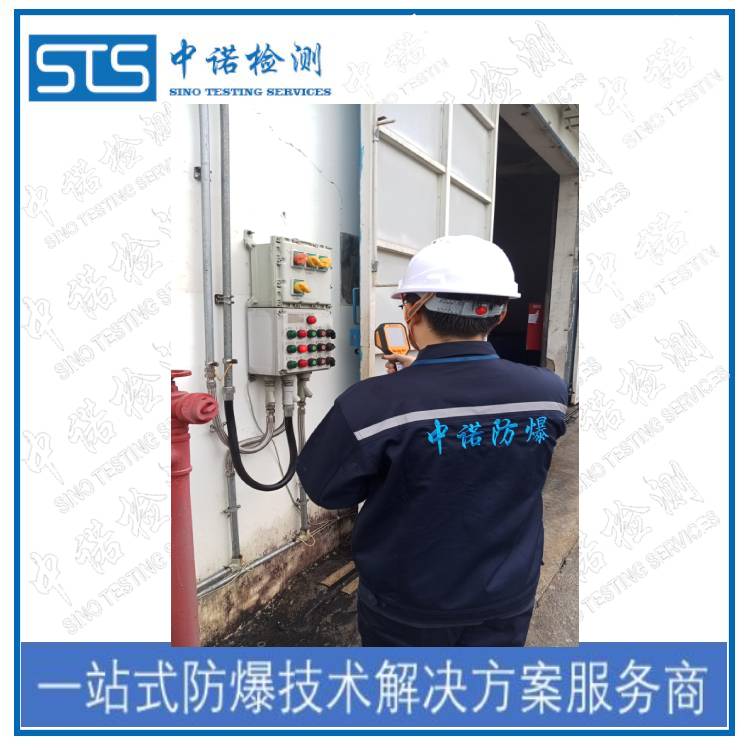
Shenzhen ZhongNuo Testing Technology Co., Ltd. summarizes the experience from previous explosion-proof electrical inspections and compiles the following common non-conforming items for on-site explosion-proof inspections for your reference.
Common phenomena include:
1. Explosion-proof casing corrosion and damage. The protective casing of explosion-proof electrical equipment is damaged due to corrosion from the surrounding medium, leading to rust penetration, structural deterioration, and loss of original strength, thereby causing the explosion-proof electrical equipment to lose its explosion-proof capability.
2. Explosive-proof protective casing suffers electrochemical corrosion damage. The metallic casing, when the electrical appliance leaks electricity or experiences potential drift, becomes electrified. The contact of this electrified metal with the air medium is akin to a battery's reaction, leading to corrosion of the metallic casing. This corrosion renders the electrical appliance unable to maintain its explosive-proof capability.
3. Damage due to external forces and mechanical impacts. This includes damage to the protective casing caused by collisions with other equipment or mechanical substances on the work site, as well as casing damage resulting from excessive force during installation.
4. Shell damage due to excessive temperature causing cracking. In cold regions, shell cracking due to material shrinkage and deformation caused by climate adaptation issues, leading to damage to the protective shell.
5. Damage caused by improper installation. Damage, loss, and failure of protective functions resulting from the non-compliance with installation requirements during the installation of explosion-proof electrical equipment.
6. Inadequate sealing, including improper handling of sealing materials during installation and maintenance, loose joints on the sealing surfaces, damaged sealing components, and unsuitable or missing fasteners for sealing fixation, all contribute to a lack of or weak explosion-proof performance.
7. Quality issues with explosion-proof electrical equipment, including non-compliant material for the explosion-proof housing and an unreasonable structural form that fails to meet required load-bearing capacity; internal wiring facilities are prone to loosening, and an irrational internal circuit can easily cause sparking or overheating; unreasonable mechanical structural components, excessive equipment temperature, and internal water accumulation may lead to failures in explosion-proof electrical equipment.
8. Due to actual changes in hazardous areas caused by the modification of production facilities, the electrical equipment in the area has not been timely upgraded to explosion-proof equipment.
9. Incorrect selection of explosion-proof electrical equipment; intrinsic safety electrical equipment used with non-intrinsic safety voltage, increased safety enclosures used for lighting, heating, and other circuit equipment.
As an end-user of explosion-proof electrical equipment, it is necessary to conduct regular explosion-proof inspections even when explosion-proof electrical equipment is installed and used in explosive hazard areas. This is both a requirement of various departments and a high level of attention to personnel and property safety.
What qualifications are required for regular inspections of explosion-proof electrical equipment?
The regular inspection of explosion-proof electrical equipment, as mentioned in the previous text, in accordance with the AQ 3009-2007 "Electrical Safety and Explosion-Proof Regulations for Hazardous Areas," must be conducted by a certification center with explosion-proof professional qualifications. This certification is authorized by the CNAS and can be verified on the CNAS website.
On-Site Explosion-Proof Electrical Equipment Regular Inspection Consulting Service - Shenzhen Zhongnuo Inspection Technology Co., Ltd.


