




- AllProduct Category
-
Domestic Explosion-Proof Certification
Explosion-Proof 3C Certification
Explosion-proof Electrical Inspection
Coal Mine Safety Certification
ATEX & IECEx Certification
Ex-proof Qualification Certificate
Explosion-proof Construction Renovation


Recommended Products

Xi'an Dust Removal Equipment IECEx Explosion Proof Certification, Shenzhen ZhongNuo Inspection

Flameproof Certificate Application Documents for Communication Equipment - Shenzhen ZhongNuo Inspection, Application Process

Electromagnetic Valve SIL Certification Application Requirements - Shenzhen Zhongnuo Inspection
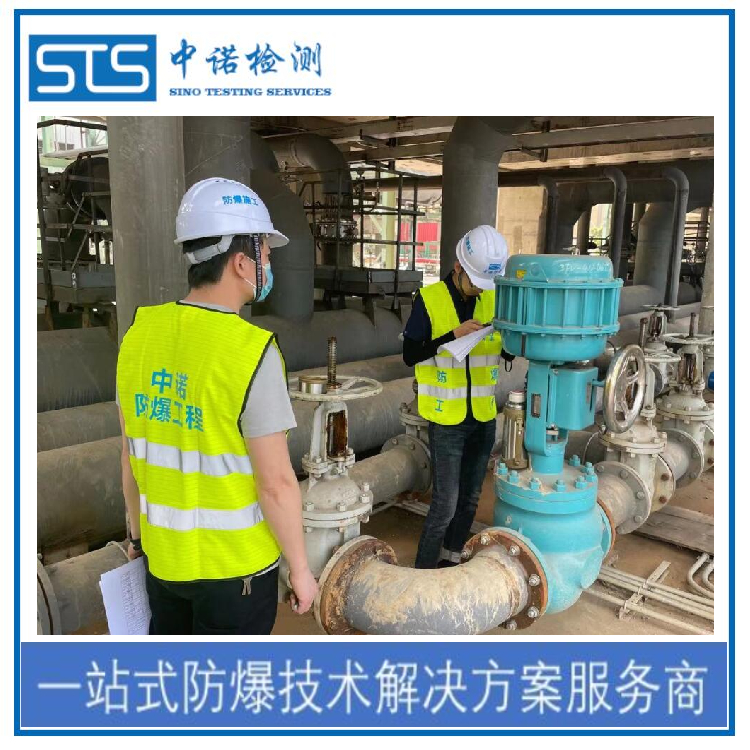
On-Site Oil Storage Explosion-Proof Electrical Inspection Application Requirements | Online Inquiry | Shenzhen ZhongNuo Inspection
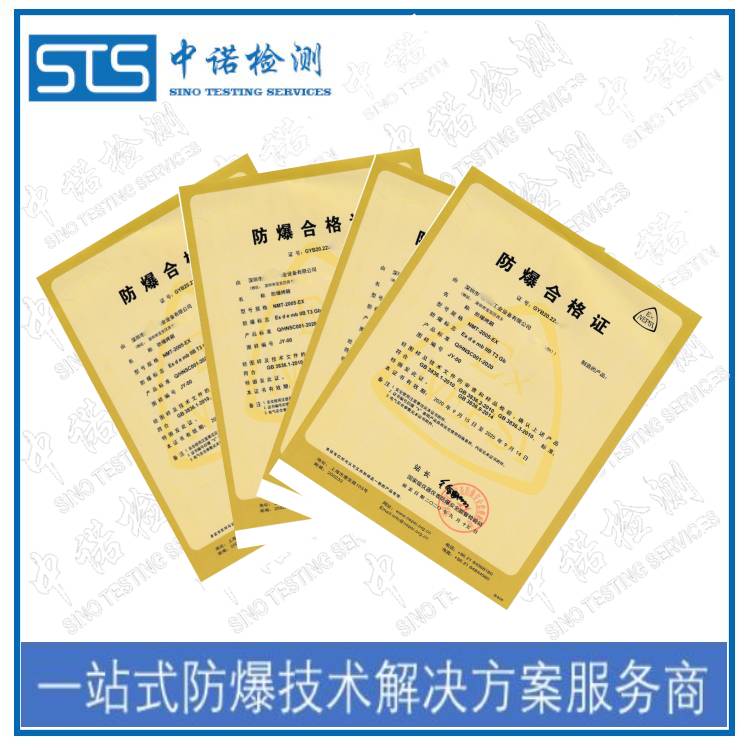
Where to apply for a dust explosion-proof certificate in Hangzhou? Shenzhen Zhongnu Inspection, what are the requirements?
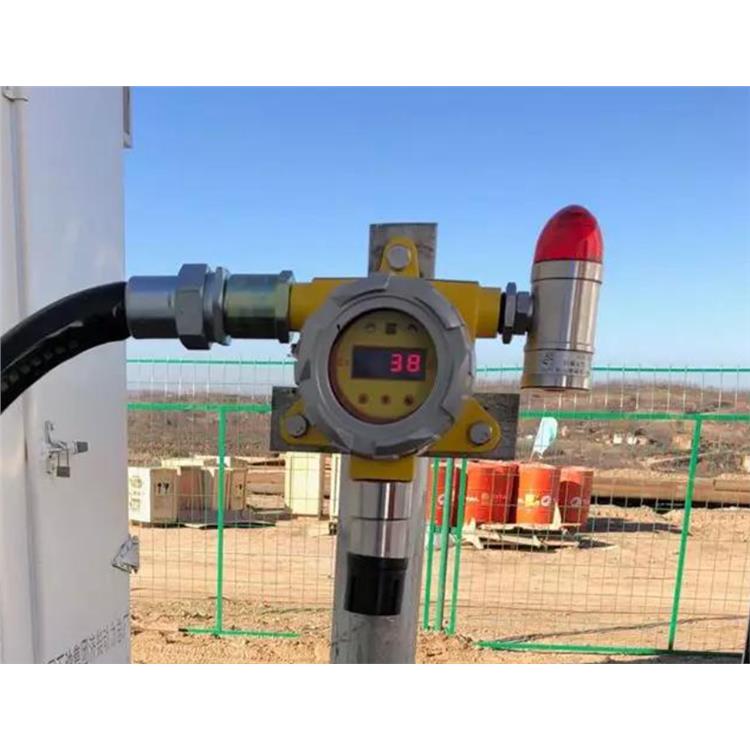
Yangzhou Gas Detector Calibration Services - ZhongNuo Inspection
详情描述
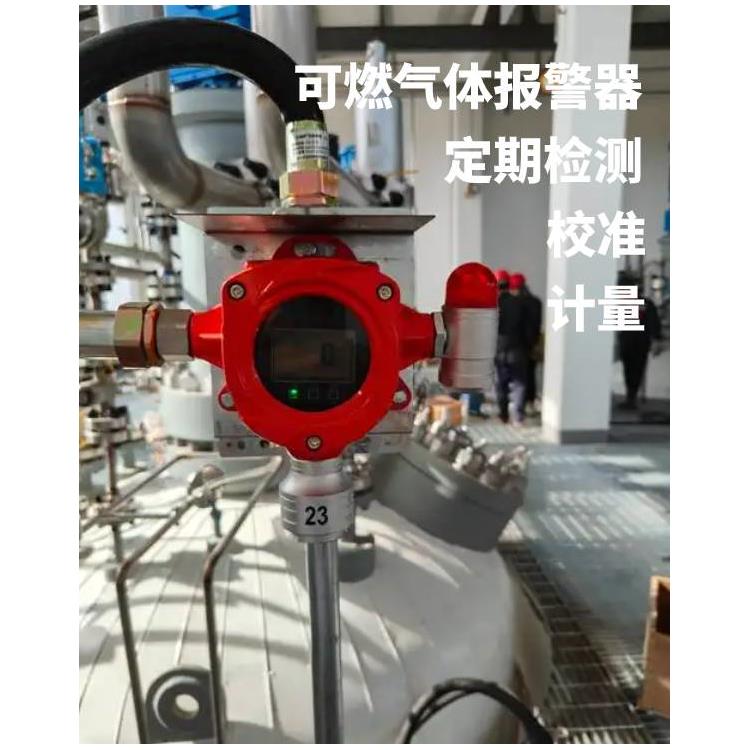
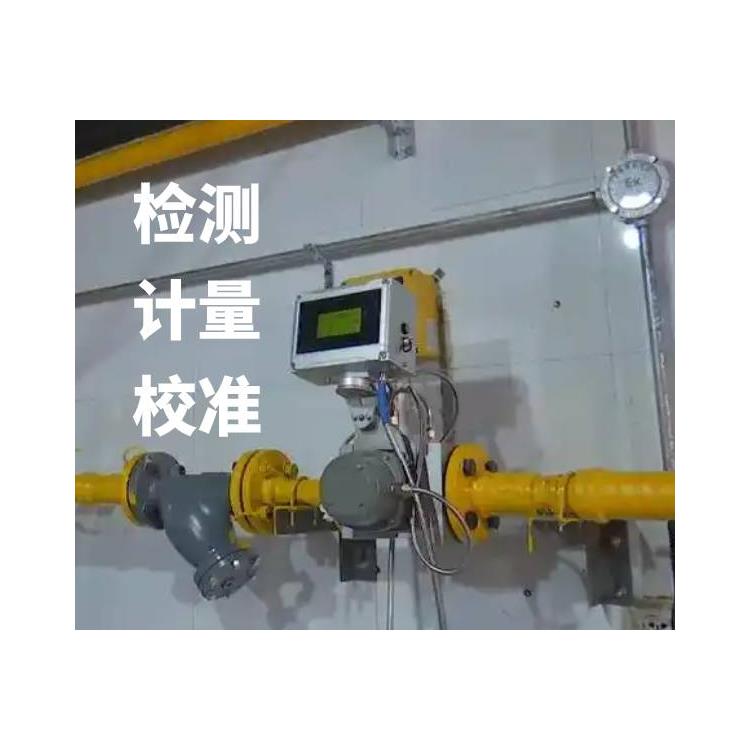
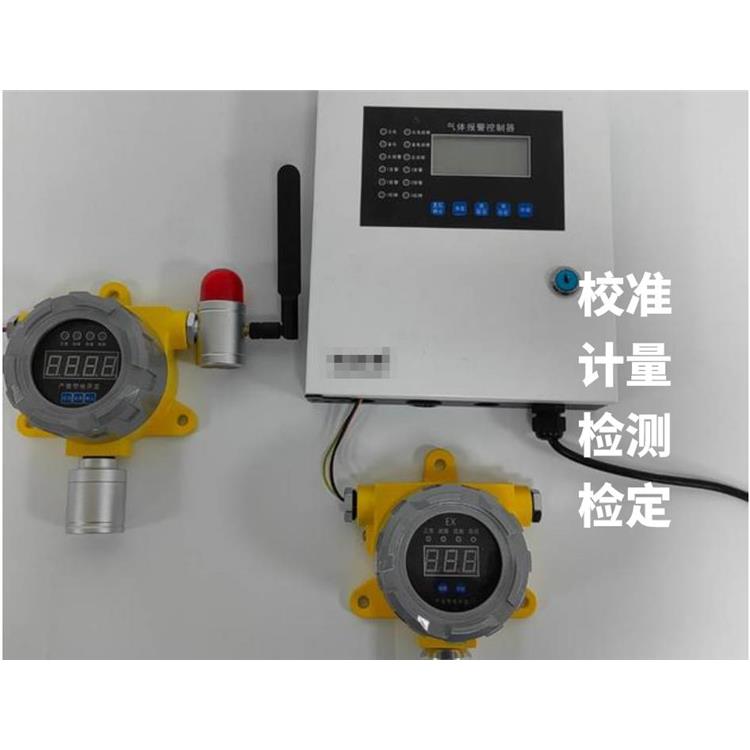
Shenzhen ZhongNuo Testing Technology Co., Ltd. specializes in the calibration, certification, and measurement services for equipment such as gas alarms, flammable gas detectors, and toxic gas detection instruments for various locations. We provide services nationwide, addressing clients' electrical safety and explosion-proof fire prevention needs, and contributing to safe production.
Which gas detectors require regular calibration and verification?
All types of fixed installation, handheld, portable gas detectors, gas alarms, toxic and harmful gas detectors/alarms, flammable gas detectors alarms, gas analyzers, etc.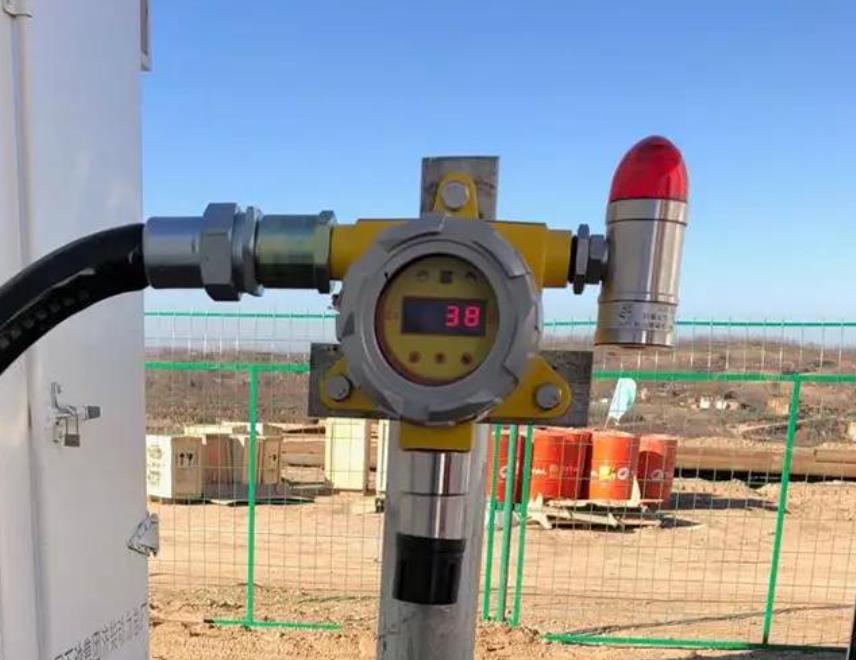
Primary technical requirements for regular calibration of flammable gas detectors (Shenzhen ZhongNuo Testing Technology Co., Ltd.)
1. Power-On Self-Check Function: The instrument should have an automatic self-check function upon startup, with manual self-check capabilities for alarm components as well.
2. Specify the effective detection distance: The effective detection distance of the non-contact gas alarm instrument shall not be less than 20 meters.
3. Alarm Value Setting: Specific alarm value settings are stipulated for different gases according to the standard.
For example, the hypoxia alarm setting is 19.5% VOL, and the hyperoxia alarm setting is 23.5% VOL (refer to GB 8958-2006 "Operation Regulations for Hypoxia Hazardous Work" and GB 30871-2022 "Special Operation Regulations for Hazardous Chemical Enterprises").
The first-level combustible gas alarm setpoint is not greater than 25% LEL, and the second-level alarm setpoint is not greater than 50% LEL.
The first and second alarm settings for toxic and harmful gases are determined based on the OEL (Occupational Exposure Limit) or IDLH (Immediate Danger to Life and Health).
4. Error and Repetition: The standard specifies clear requirements for the instrument's indication error, drift, and repeatability. For example, the indication error for combustible gases, toxic and harmful gases, and oxygen should not exceed 5%FS, 5%FS, and 2%FS respectively within the normal test range of the instrument's full scale.
5. Calibration and Interface: The instrument should be easy to calibrate, with established calibration procedures and corresponding interfaces to ensure the accuracy of its measurement results.
6. Explosion-proof Performance: Instruments used in explosive environments should possess explosion-proof performance in compliance with relevant regulations and obtain an explosion-proof certification.
7. Audio-Visual Alarm Device: The alarm's audio-visual alarm device must meet visibility and sound pressure level requirements under specific conditions to ensure effective notification of staff during emergencies.
8. Output Control Function: Instruments with output control capabilities should be able to activate the output control function upon emitting an alarm signal, such as cutting off power supply or initiating the exhaust system, etc.
9. Power Requirements: Specific requirements are outlined for power supply voltage, continuous operating time, etc., for battery-powered and non-battery-powered instruments.
10. Other Performance Requirements: Including requirements for bearing, response time, full-range indication error, high-speed airflow, long-term stability, insulation withstand voltage performance, temperature, constant humidity and heat, electromagnetic interference resistance, steam interference resistance, vibration and drop, and functionality.
Gas Detector Alarm Calibration Specification Requirements
Regulation 5.5 of the "Regulation for the Verification of Combustible Gas Detectors" (JJG693-2011) stipulates: The verification cycle for combustible gas detection and alarm instruments: The verification cycle of the instrument generally should not exceed one year. If there is any doubt about the measurement data of the instrument, or if the instrument has been replaced with major components or repaired, it should be sent for verification promptly.
Section 3.5 of the "Regulations for the Use of Combustible Gas Detection and Alarm Systems" (SY6503-2000) stipulates: The combustible gas detection and alarm systems in use shall be calibrated regularly as required.
Occupational Health Service Unit (GBZ/T223-2009) Article 7.2.1 stipulates: Calibration of detection and alarm devices shall be conducted regularly according to the manufacturer's specified time and procedures.
Section 3.4 of the "Regulations for the Use of Flammable Gas Detectors and Alarms" (SY6503-2000) stipulates: Flammable gas detectors and alarms for installation and use shall have measuring instruments manufactured by recognized agencies with **measurement** and **explosion-proof** performance.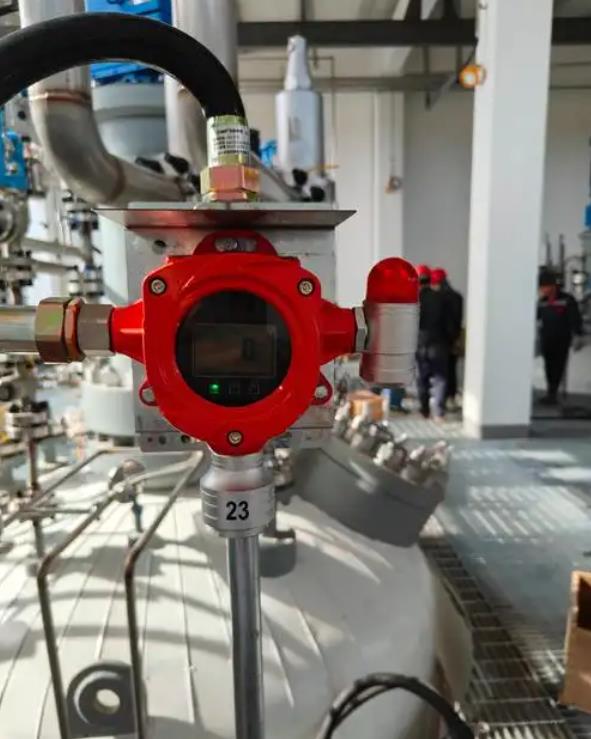
Power-on inspection
After power is applied to the instrument, it should operate normally with clear and complete display. Check the alarm function and alarm setpoint.
Alarm function and alarm action value verification
The instrument's audio-visual alarm should be functioning normally. Insulation resistance.
Insulation resistance for instruments using AC power should not be less than 20MΩ.
Shenzhen ZhongNuo Testing Technology Co., Ltd. is a third-party institution specializing in electrical safety, electrical explosion prevention, gas detectors, and toxic gas alarm instruments for regular inspections, metrological measurements, and calibration services. We hold the necessary qualifications to assist clients in solving fire and explosion prevention issues.


