



- AllProduct Category
-
Domestic Explosion-Proof Certification
Explosion-Proof 3C Certification
Explosion-proof Electrical Inspection
Coal Mine Safety Certification
ATEX & IECEx Certification
Ex-proof Qualification Certificate
Explosion-proof Construction Renovation


Recommended Products

Xi'an Dust Removal Equipment IECEx Explosion Proof Certification, Shenzhen ZhongNuo Inspection

Flameproof Certificate Application Documents for Communication Equipment - Shenzhen ZhongNuo Inspection, Application Process
Electromagnetic Valve SIL Certification Application Requirements - Shenzhen Zhongnuo Inspection
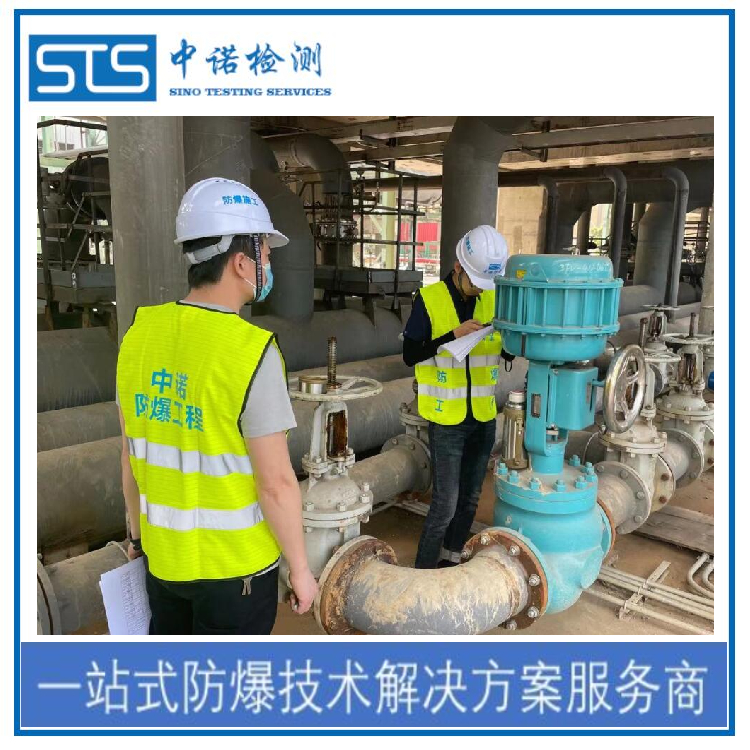
On-Site Oil Storage Explosion-Proof Electrical Inspection Application Requirements | Online Inquiry | Shenzhen ZhongNuo Inspection
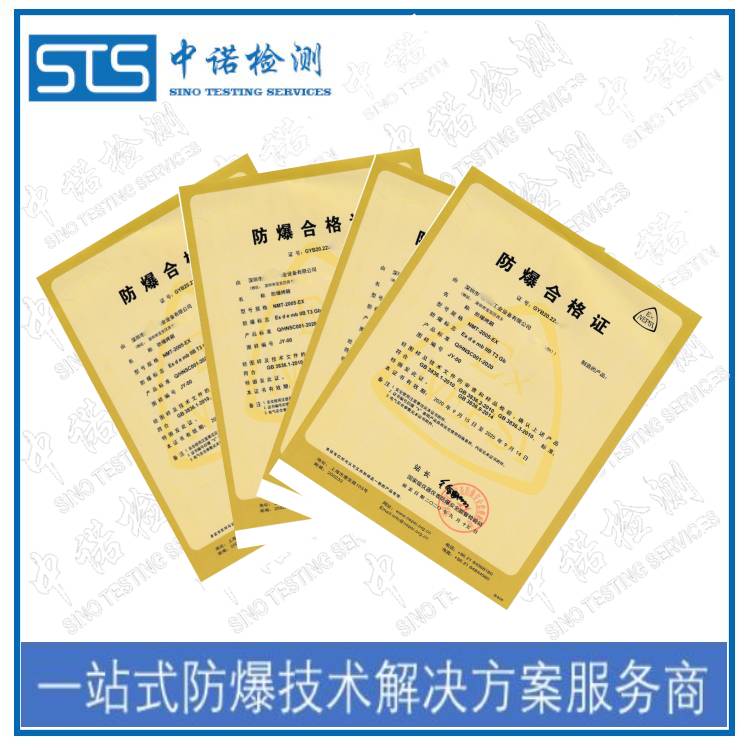
Where to apply for a dust explosion-proof certificate in Hangzhou? Shenzhen Zhongnu Inspection, what are the requirements?
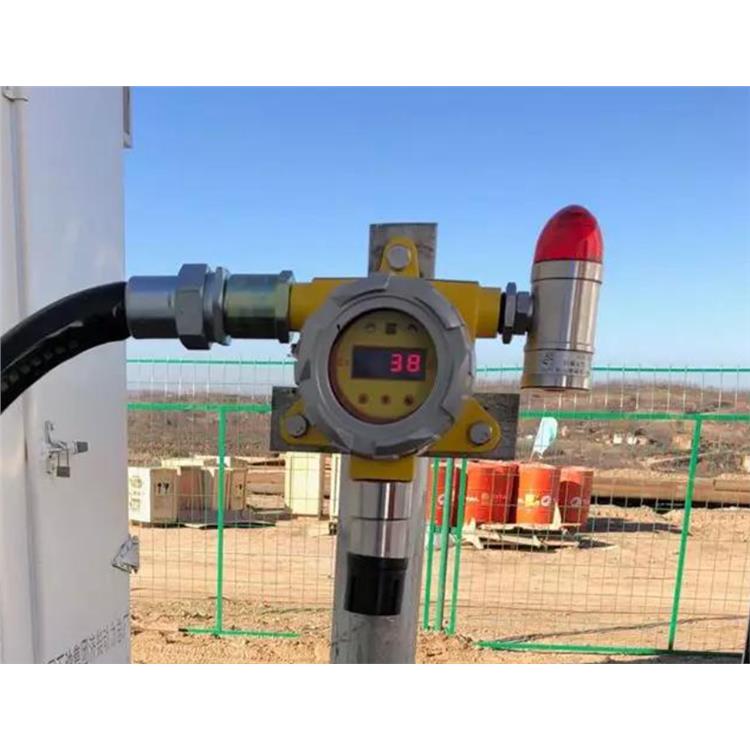
Yangzhou Gas Detector Calibration Services - ZhongNuo Inspection
详情描述
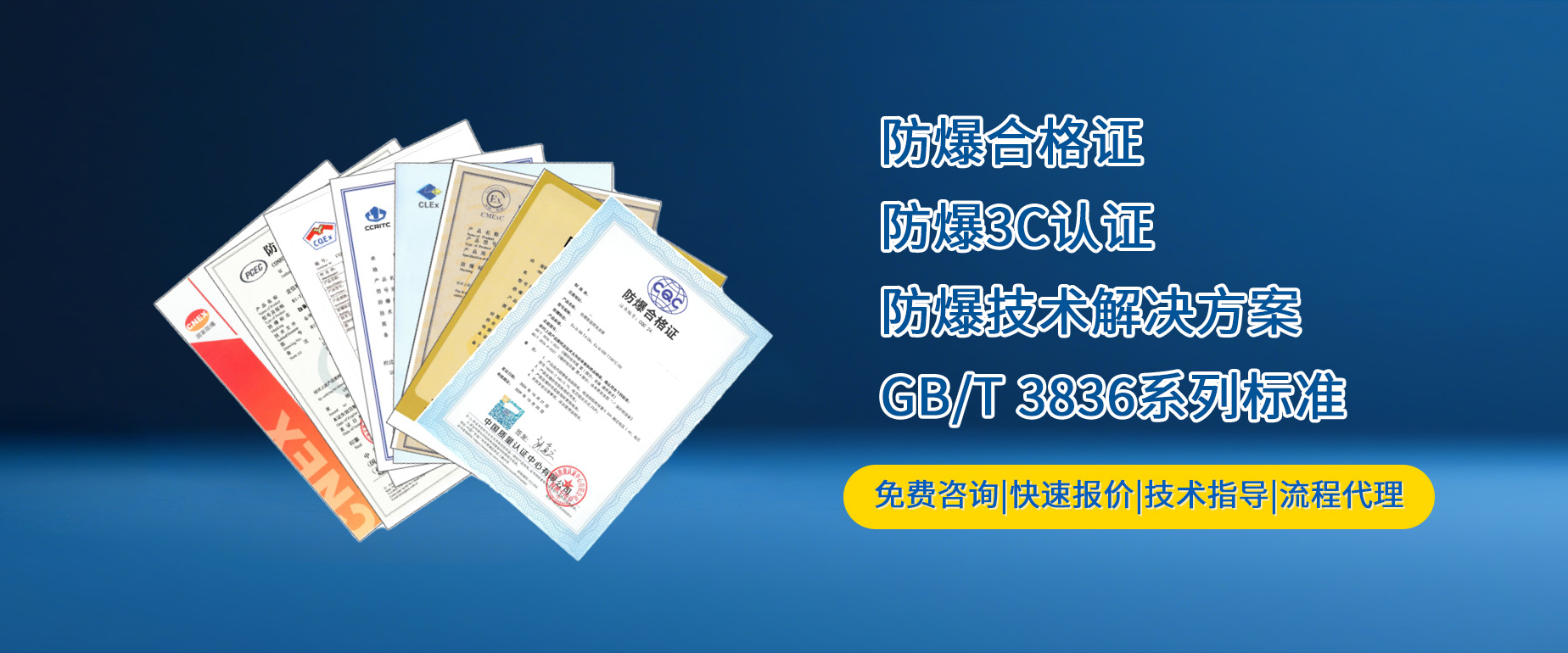
Shenzhen ZhongNuo Testing Technology Co., Ltd. specializes in consulting services for explosion-proof CCC certification. We have an extensive portfolio of consulting cases in the field of explosion-proof 3C certification. We are well-versed in the application process and technical requirements for explosion-proof 3C certification, and we can provide clients with consulting services such as application assistance and factory audit guidance.
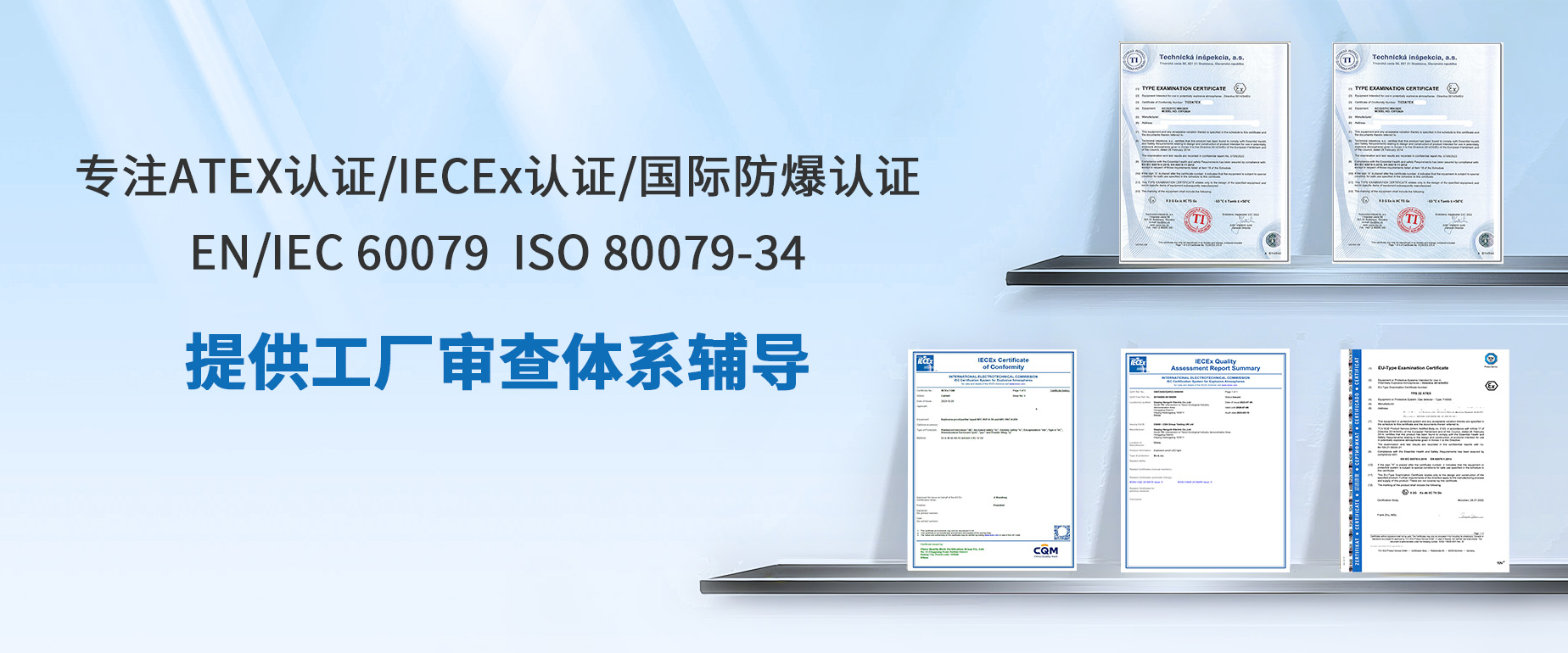
What is the difference between ATEX certification and CE certification?
CE certification is a mandatory certification in the EU market; all equipment and products entering the EU market must pass the relevant CE directive certification.
For example, there are EMC directives, LVD directives, MD directives, ATEX directives, etc.
Different products are subject to different certification directives, with the ATEX directive specifically for explosion-proof equipment and products.
ATEX certification can be likened to the CE certification for explosion-proof products.
Each directive has different applicable standards; the ATEX directive applies to the EN60079 series.
Different explosion-proof types are applicable to various standard series.
For instance, EN 60079.1 is the standard for flameproof, EN 60079.7 is for increased safety, and EN 60079.11 is for intrinsic safety, and so on.
Learn more about ATEX certification and contact Shenzhen ZhongNuo Testing Technology Co., Ltd. for more information at any time!
Can coal safety certification be converted to explosion-proof 3C certification? - Answer from Shenzhen Zhongnuo Testing Technology Co., Ltd.
Pursuant to the announcement, as of October 1, 2020, certain explosion-proof electrical equipment has been transferred to the mandatory product certification catalog.
That is the CCC certification. Products under the explosion-proof 3C certification category obtain the explosion-proof CCC certification by undergoing a "type test + factory audit" certification process.
Coal Safety Certification, abbreviated as MAC, is a mandatory certification implemented by the Safety Standardization Center for all types of products and equipment used underground in coal mines.
The certification method is a combination of "type testing + factory audit."
Currently, mandatory product certification bodies and coal safety certification bodies are under different departments, with no mutual recognition between them.
The Coal Mine Safety Certification and the Explosion-Proof 3C Certification are independent of each other.
The coal safety certification or the explosion-proof 3C certification cannot be substituted or converted for each other; they must be applied for separately.
What is the relationship between the explosion-proof certificate and the explosion-proof CCC certification?
Which certifications are required for a company's explosion-proof products to enter the market? What are the requirements for the applicant companies, etc.? These are many of the current dilemmas faced by enterprises.
Below, ZhongNuo Inspection simplifies the answers for you.
Firstly, explosion-proof certificates and the explosion-proof CCC certification are both certification requirements for explosion-proof equipment.
Whether to apply for a防爆Ex Certificate or a防爆CCC Certification mainly depends on the product category.
Put simply, it's about checking if your product is listed in the explosion-proof CCC certification product catalog.
Yes, you need to obtain the explosion-proof CCC certification; no, just get the explosion-proof compliance certificate.
Requirements for applying for the防爆CCC certification:
1. Product Drawings and Documents: When an enterprise applies for a explosion-proof certification for intrinsically safe electrical equipment, it should provide assembly drawings, circuit diagrams, printed circuit board drawings, silk-screened drawings, material lists of components and label drawings, etc. For non-intrinsically safe electrical equipment, the technical documents submitted for inspection should include drawings that reflect the explosion-proof performance of the sample (including assembly drawings and component drawings). If the assembly drawing clearly indicates the explosion-proof parameters and structure of the product, only the assembly drawing needs to be submitted for inspection.
2. Technical Documents: Include company standards/technical requirements. The company standards/technical requirements for the products should be written in the prescribed format, with content that not only covers performance requirements but also includes related aspects of explosion-proof: such as basic parameters, explosion-proof markings, operating environmental conditions, explosion-proof performance requirements, relevant tests for explosion-proof performance, and markings related to explosion-proof.
3. Additional Information: For products with adhesive bonding or casting, provide the model names, performance descriptions, and relevant process documents for the adhesives and casting agents. For plastic encased products, supply the material of the plastic and corresponding performance documents. Battery-equipped products require the battery specifications as well.
Explosion-proof 3C Certification Consulting Services - Shenzhen Zhongnuo Inspection Technology Co., Ltd.


