





- AllProduct Category
-
Domestic Explosion-Proof Certification
Explosion-Proof 3C Certification
Explosion-proof Electrical Inspection
Coal Mine Safety Certification
ATEX & IECEx Certification
Ex-proof Qualification Certificate
Explosion-proof Construction Renovation


Recommended Products

Xi'an Dust Removal Equipment IECEx Explosion Proof Certification, Shenzhen ZhongNuo Inspection

Flameproof Certificate Application Documents for Communication Equipment - Shenzhen ZhongNuo Inspection, Application Process
Electromagnetic Valve SIL Certification Application Requirements - Shenzhen Zhongnuo Inspection
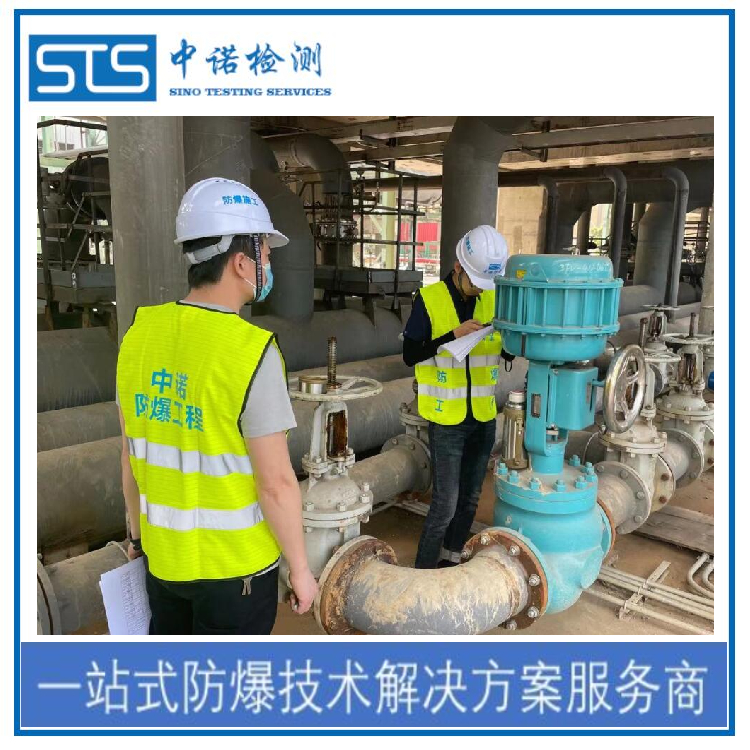
On-Site Oil Storage Explosion-Proof Electrical Inspection Application Requirements | Online Inquiry | Shenzhen ZhongNuo Inspection
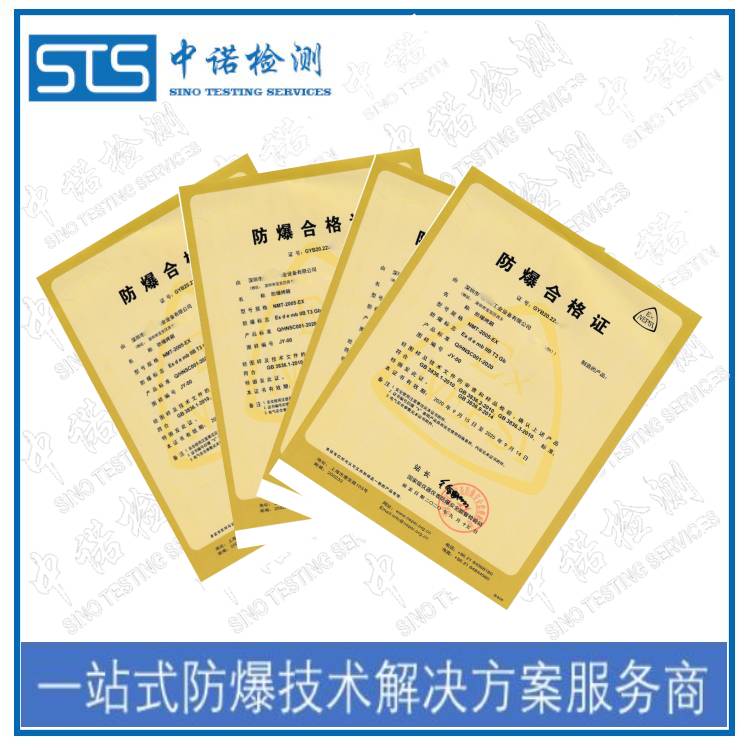
Where to apply for a dust explosion-proof certificate in Hangzhou? Shenzhen Zhongnu Inspection, what are the requirements?
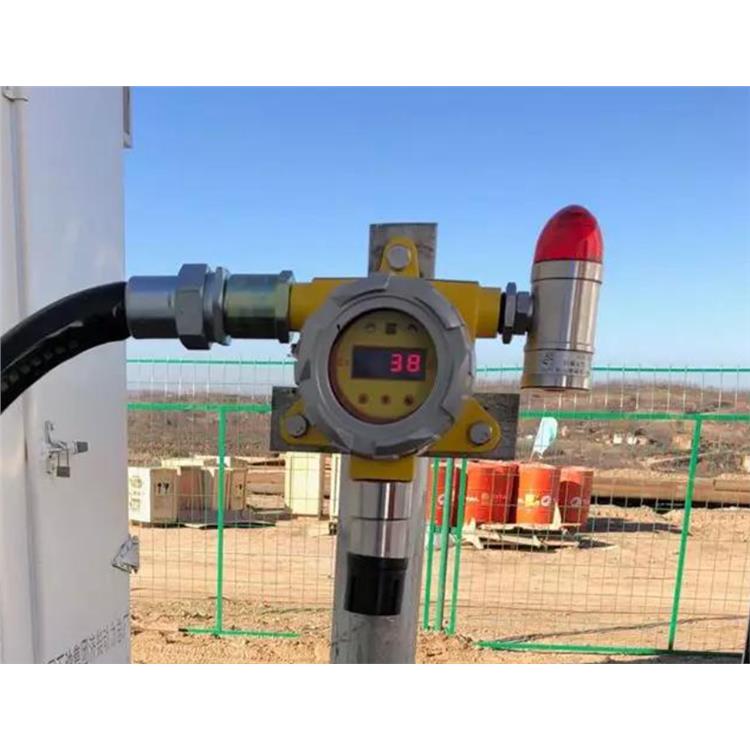
Yangzhou Gas Detector Calibration Services - ZhongNuo Inspection
详情描述
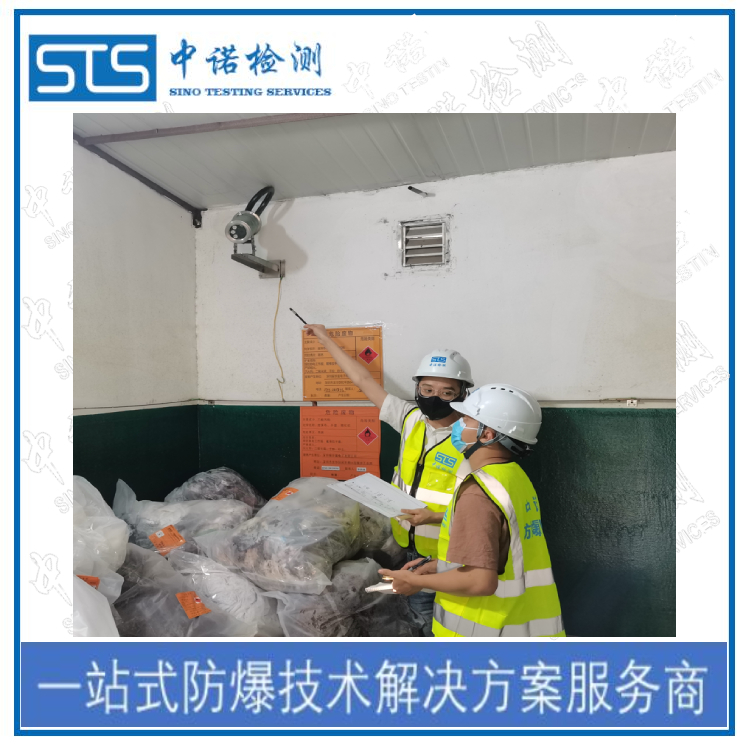
Shenzhen Zhongnuo Testing Technology Co., Ltd. is based in South China, offering explosion-proof construction, safety inspections, renovations, project acceptance, and installation services. We are well-versed in explosion-proof construction standards, boasting experienced construction teams and extensive practical experience. We have served major corporations such as PetroChina, LG, Huanlan Environment, BOE, and KeXing Biotechnology, receiving consistent praise and trust from our clients!
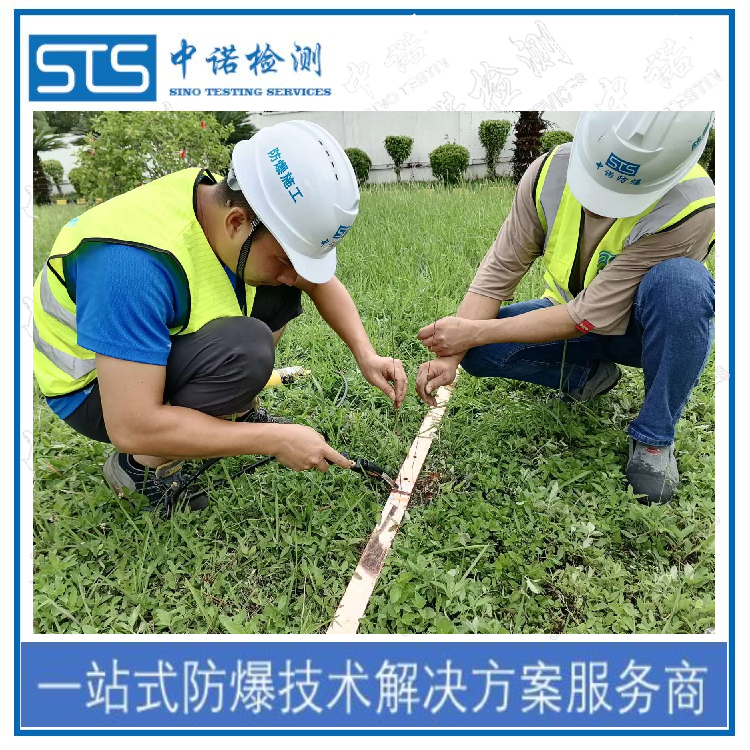
Equipment protection grounding in explosive environments shall comply with the following regulations (shared by Shenzhen ZhongNuo Inspection Technology Co., Ltd.)
In accordance with the relevant provisions of the current standard "Code for Grounding Design of AC Electrical Installations" GB/T50065, the following parts that do not require grounding should still be grounded in explosive environments:
1) Equipment with normal non-electrically charged metal enclosures for AC rated voltages below 1000V and DC rated voltages below 1500V on poor conductive surfaces.
2) In dry environments, equipment with alternating current rated voltages of 127V or less and direct current voltages of 110V or less generally have non-electrified metal casings.
3) Equipment installed on a grounded metal structure.
(2) In explosive hazardous environments, exposed conductive parts of the equipment should be reliably grounded. All equipment within explosive environment zones 1, 20, and 21, and other equipment in explosive environment zones 2 and 22 except for lighting fixtures, should use specialized grounding cables. If the grounding cable is installed in the same protective conduit as the phase wire, it must have insulation equal to that of the phase wire. Lighting fixtures in explosive environment zones 2 and 22 may use a metal piping system with reliable electrical connections as a grounding cable, but not the pipelines for conveying substances.
(3) In different directions of the slope within the explosive hazardous area, the grounding main should be connected to the grounding body at least twice.
With the development of the global energy and chemical industry, construction in explosive hazardous environments is becoming increasingly widespread, and the prevention and acceptance of explosive environments are becoming increasingly important.
Especially in flammable dust environments, such as plastic factories, feed/food/cereal processing plants, metal polishing workshops, and papermaking/forestry wood powder/fiber dust factories, the number of projects involving explosion-proof installation, design, and renovation is also increasing.
Whether it's large-scale explosion-proof or local explosion-proof, if there are hidden dangers in product quality or installation/renovation quality,
Our personal and property safety is greatly threatened, so we must control the quality at every production process, ensuring the reliability and safety of explosion-proof installations and renovations.
Shenzhen ZhongNuo Inspection & Technology Co., Ltd. offers explosion-proof construction and retrofitting consulting services, boasts extensive qualifications and case studies, worth it!
In recent years, with the continuous development of society and the increasing prominence of safety accidents, people's awareness of safety production has been on the rise, and the governance of hazards in dangerous environments is urgently needed.
In various industrial sectors in our country, such as oil, chemicals, ports, coal, and others, there is often a risk of leakage or spillage of flammable and explosive gases, liquids, dust, and fibers during production, processing, transportation, and storage. When these substances mix with air, they may form explosive mixtures. If the concentration of the mixture reaches the explosive range, any ignition source can trigger an explosion and lead to severe accidents, including fires and even chain reactions resulting in major incidents. Therefore, equipment used in such hazardous environments must be certified with explosion-proof capabilities. The use of all equipment in explosion-proof environments must be installed and adjusted by experienced engineering companies in strict accordance with explosion-proof construction specifications and acceptance standards before being put into actual production use. This ensures the maximum safety requirements for all stages of the production process.
Basic Explosion-Proof Design Standards for Hazardous Areas (Shared by Shenzhen ZhongNuo Testing Technology Co., Ltd.)
1. First, conduct the overall explosion protection design
2. Directed release of explosive energy. Around the explosion source, utilize both anti-explosion and venting techniques comprehensively. Set anti-explosion walls and windows in directions with high population density, office areas, and critical equipment. In directions with low population and no critical equipment, install venting walls and windows.
3. Establish safe distances. Minimize the placement of office areas, residential zones, and critical equipment areas within distances less than the safe margin, unless necessary; if set up, implement necessary explosion-proof measures.
4. Conversion of non-explosion-proof buildings to explosion-proof. Buildings within the range of less than the safe distance should undergo explosion-proof assessment, and those not meeting explosion-proof requirements should be reinforced with explosion-proof measures: to prevent building collapse; to prevent the cracking of brittle materials such as bricks, concrete, glass, etc., resulting in debris.
5. Place explosion-proof shelters in hazardous blast areas.
Explosion-proof electrical modifications and on-site explosion-proof construction consulting services for hazardous areas — Shenzhen Zhongnuo Testing Technology Co., Ltd.


