



- AllProduct Category
-
Domestic Explosion-Proof Certification
Explosion-Proof 3C Certification
Explosion-proof Electrical Inspection
Coal Mine Safety Certification
ATEX & IECEx Certification
Ex-proof Qualification Certificate
Explosion-proof Construction Renovation


Recommended Products

Xi'an Dust Removal Equipment IECEx Explosion Proof Certification, Shenzhen ZhongNuo Inspection

Flameproof Certificate Application Documents for Communication Equipment - Shenzhen ZhongNuo Inspection, Application Process
Electromagnetic Valve SIL Certification Application Requirements - Shenzhen Zhongnuo Inspection
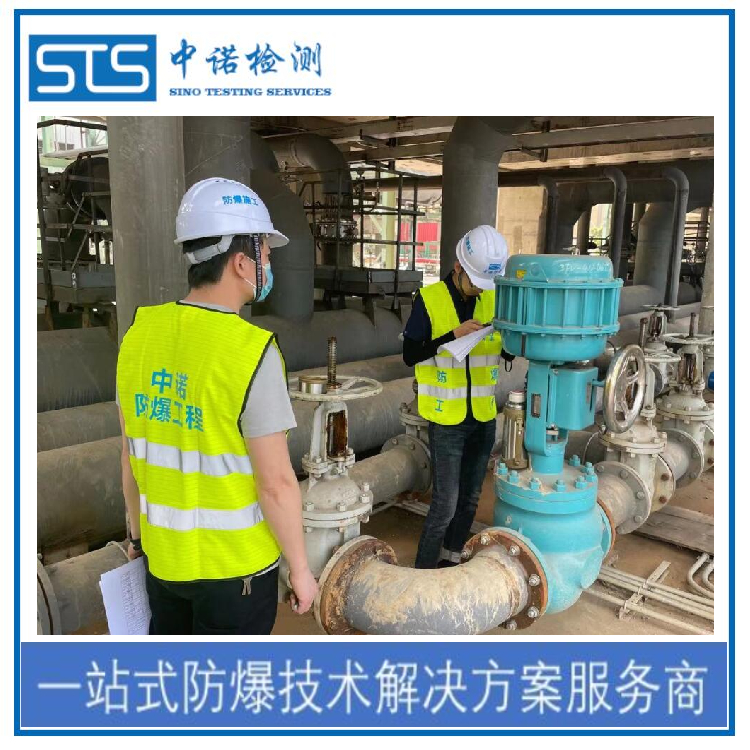
On-Site Oil Storage Explosion-Proof Electrical Inspection Application Requirements | Online Inquiry | Shenzhen ZhongNuo Inspection
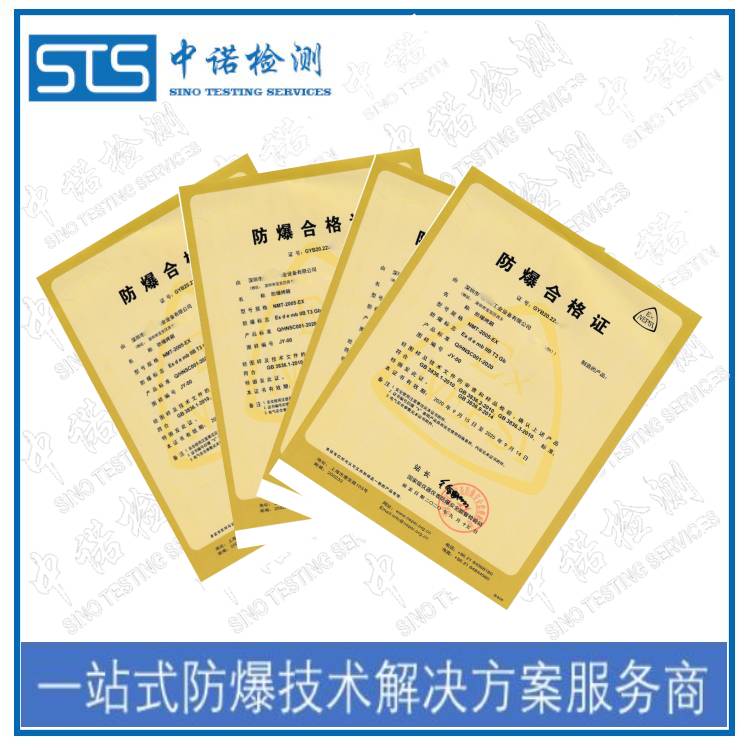
Where to apply for a dust explosion-proof certificate in Hangzhou? Shenzhen Zhongnu Inspection, what are the requirements?
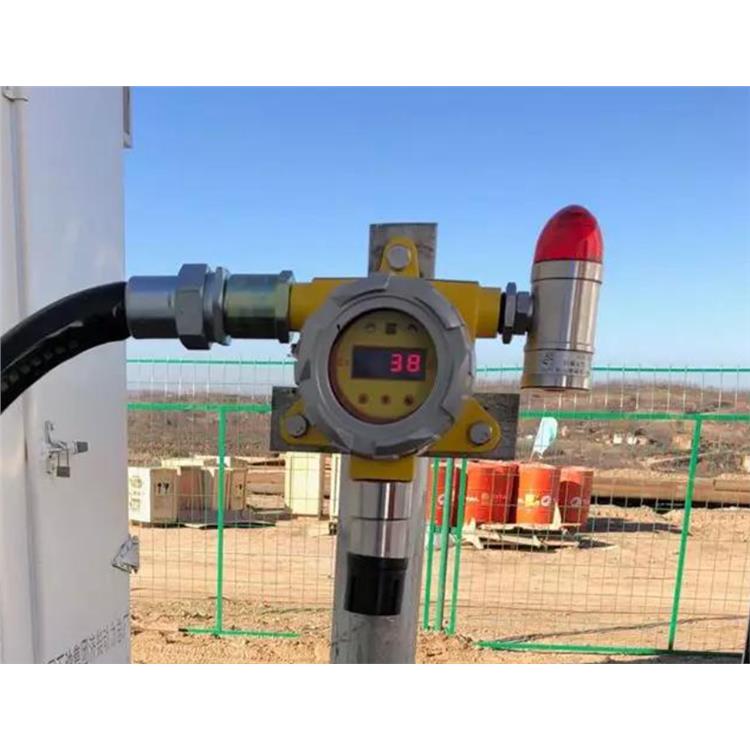
Yangzhou Gas Detector Calibration Services - ZhongNuo Inspection
详情描述
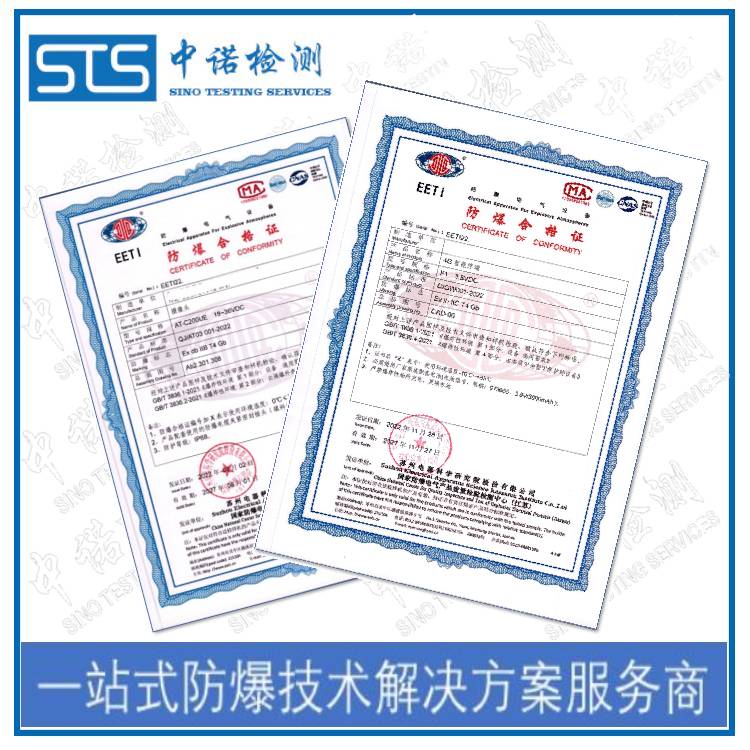
Shenzhen ZhongNuo Inspection Technology Co., Ltd. is based in South China and specializes in explosion-proof certification and coal mine safety certification application consulting services, offering a one-stop explosion-proof technology consulting solution.
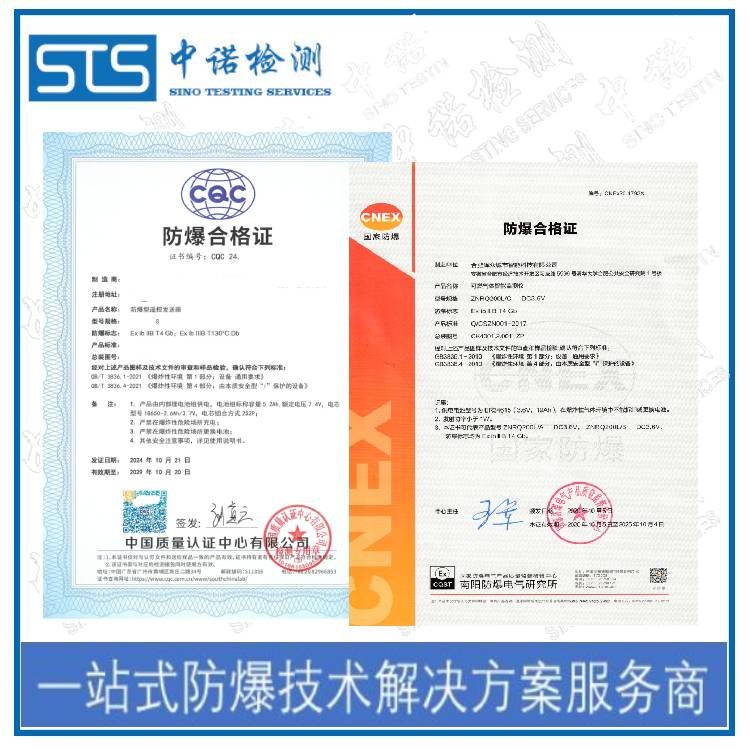
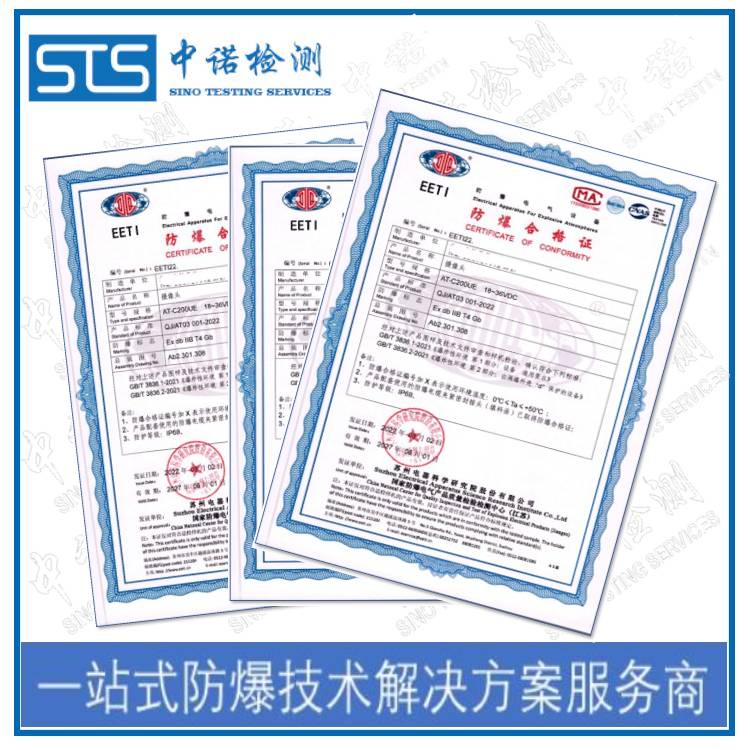
How to check the explosion-proof certification
Buyers and selectors of explosion-proof electrical equipment prefer manufacturers or distributors with valid explosion-proof certifications.
So, as a consumer, how do users verify the authenticity and validity of the explosion-proof certification?
Currently, there are over a dozen authorized issuing bodies for domestic explosion-proof certification in China.
There is no unified search platform for explosion-proof certification issued by various institutions.
Explosion-proof certificates issued by various institutions can only be checked on their respective websites.
Of course, every issuing organization can verify the authenticity of certificates by phone.
If the certificate query is genuine, the main parameters and validity period will be displayed below.
Of course, it couldn't be found then.
It's worth noting that due to each issuing authority manually uploading their certification documents, there is a certain degree of lag.
That is to say, the newly acquired certificate may not yet be searchable on their website.
This would require a direct consultation with the shipping agency.
List of Domestic Explosion-Proof Certification Institutions:
1. Nanyang CNEX
2. Shanghai Coal Research Institute
3. National Electrical Product Quality Supervision and Inspection Center
4. Guangdong CQCEx National Explosion-Proof Equipment Quality Supervision and Inspection Center
5. National Coal Mine Explosion-Proof Safety Product Quality Supervision and Inspection Center
6. Jiamusi Explosion-Proof Institute
7. Tianjin PCEC
8. Shanghai NEPSI
9. Beijing Coal Research Institute (CCRI) and others
For applicants, the type of explosion-proof certification and the level of explosion-proof required are essentially the same across all authorized institutions. They are all state-certified and authorized bodies with testing conditions that meet standard requirements, adhering to the same standards and conducting similar testing. Under the same conditions, it's an inevitable trend to opt for institutions offering services at more affordable prices, which is also a significant reason for the growing popularity of emerging explosion-proof companies.
Limit requirements for surface resistance of non-metallic housing of explosion-proof equipment
In hazardous areas with explosive dust or gases/vapors, such as coal dust, flour, etc., static electricity may cause fires or explosions, posing a significant risk. Therefore, it is advisable to minimize the use of insulating materials in explosive hazardous areas. When selecting electrical insulating materials, consider maintaining a low insulation resistance to prevent discharges when non-metallic components come into contact with charged components. For non-metallic insulating materials, the antistatic ability of the equipment can be assessed by measuring the surface resistance of the equipment's casing.
Surface Resistance, measured in ohms (Ω), refers to the resistance between two electrical contacts on the measuring surface.
In accordance with the requirements of the IEC 60079 series standards:
1. In Category II explosive gas environments, when the surface area of the non-metallic housing of electrical equipment exceeds a certain limit (as shown in Table 1), a surface resistance test must be conducted on the non-metallic material to ensure: by selecting the material, the surface resistance meets at least one of the following requirements when measured according to IEC 60079-0 26.13:
At ≤1 GΩ, (505)% relative humidity;
At ≤100 GΩ, (305)% relative humidity.
2. In environments with Class III explosive dust, if the surface area of the non-metallic housing of electrical equipment does not exceed 500 mm², the risk of static electricity can be disregarded; if it exceeds this limit, a surface resistance test must be conducted for verification. The criteria for assessment are the same as those for the surface resistance test limit requirements for Class II gas environments. For fixed-installed equipment that cannot meet the surface resistance limit, an "X" can be added after the "explosion-proof" sign, a corresponding warning sign should be placed on the equipment, and users should be informed in the user manual.
Certification standards for explosion-proof equipment used in environments with explosive gas:
GB/T 3836.1-2021 Explosive Atmospheres, Part 1: Equipment, General Requirements
GB/T 3836.2-2021 Explosive Atmospheres, Part 2: Equipment protected by flameproof enclosures "d"
GB/T 3836.3-2021 Explosive Atmospheres – Part 3: Equipment protected by increased safety “e”
GB/T 3836.4-2021 Explosive Atmospheres, Part 4: Equipment protected by intrinsic safety "i"
GB/T 3836.5-2021 Explosive Atmospheres, Part 5: Equipment protected by positive pressure enclosures "p"
GB/T 3836.6-2017 Explosion-proof Environment, Part 6: Equipment protected by liquid immersion type “o”
GB/T 3836.7-2017 Explosive Atmospheres Part 7: Equipment protected by sand filling type "q"
GB/T 3836.8-2021 Explosive Atmospheres Part 8: Equipment protected by "n" type protection
GB/T 3836.9-2021 Explosive Atmospheres Part 9: Equipment protected by encasing of type “m”
Explosion-proof Certification Application Consulting Services - Shenzhen Zhongnuo Testing Technology Co., Ltd.


