



- AllProduct Category
-
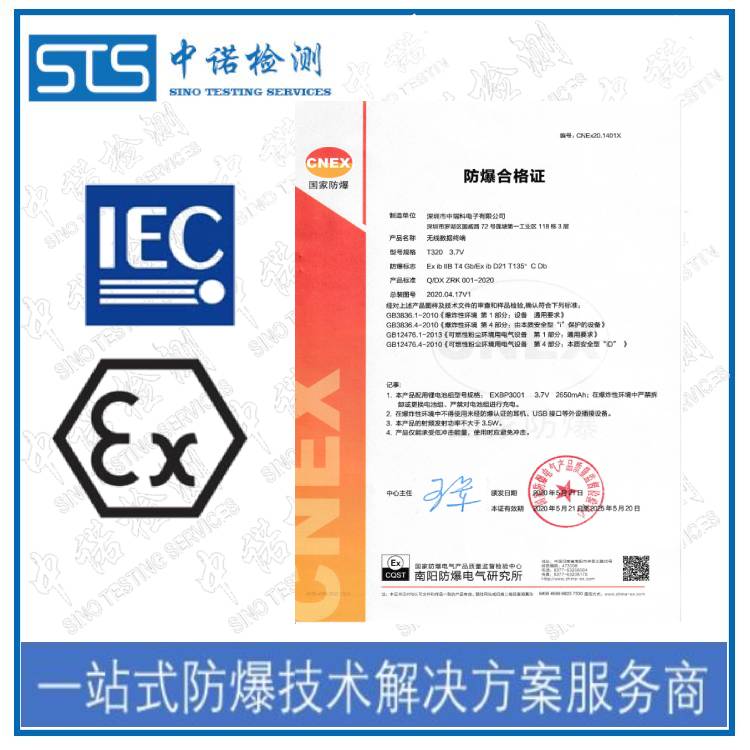
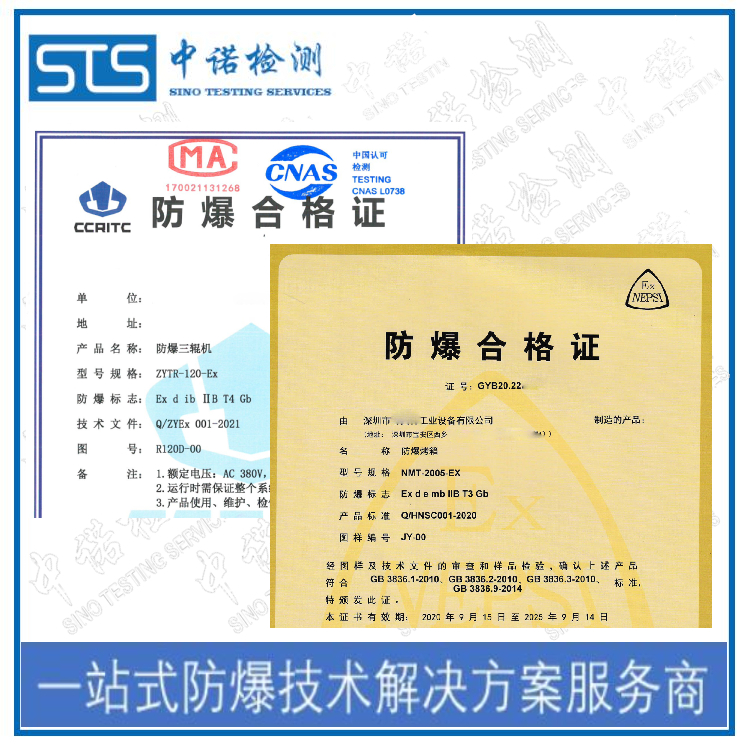
Domestic Explosion-Proof Certification
Explosion-Proof 3C Certification
Explosion-proof Electrical Inspection
Coal Mine Safety Certification
ATEX & IECEx Certification
Ex-proof Qualification Certificate
Explosion-proof Construction Renovation


Recommended Products

Xi'an Dust Removal Equipment IECEx Explosion Proof Certification, Shenzhen ZhongNuo Inspection

Flameproof Certificate Application Documents for Communication Equipment - Shenzhen ZhongNuo Inspection, Application Process
Electromagnetic Valve SIL Certification Application Requirements - Shenzhen Zhongnuo Inspection
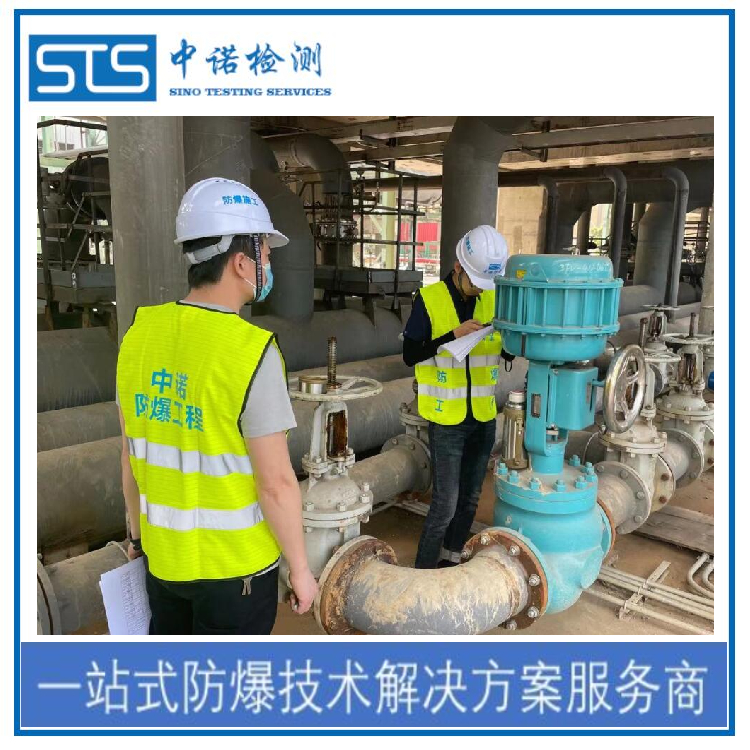
On-Site Oil Storage Explosion-Proof Electrical Inspection Application Requirements | Online Inquiry | Shenzhen ZhongNuo Inspection
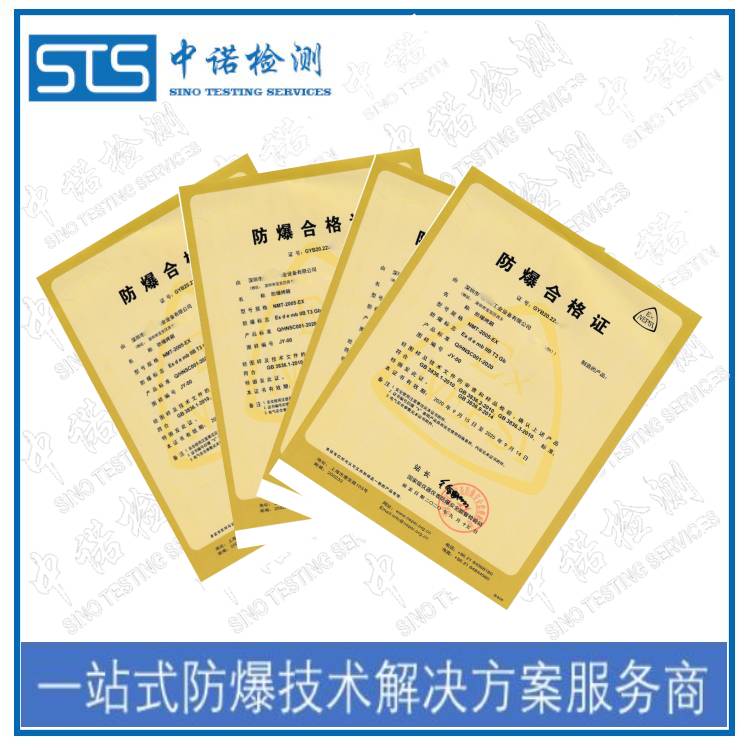
Where to apply for a dust explosion-proof certificate in Hangzhou? Shenzhen Zhongnu Inspection, what are the requirements?
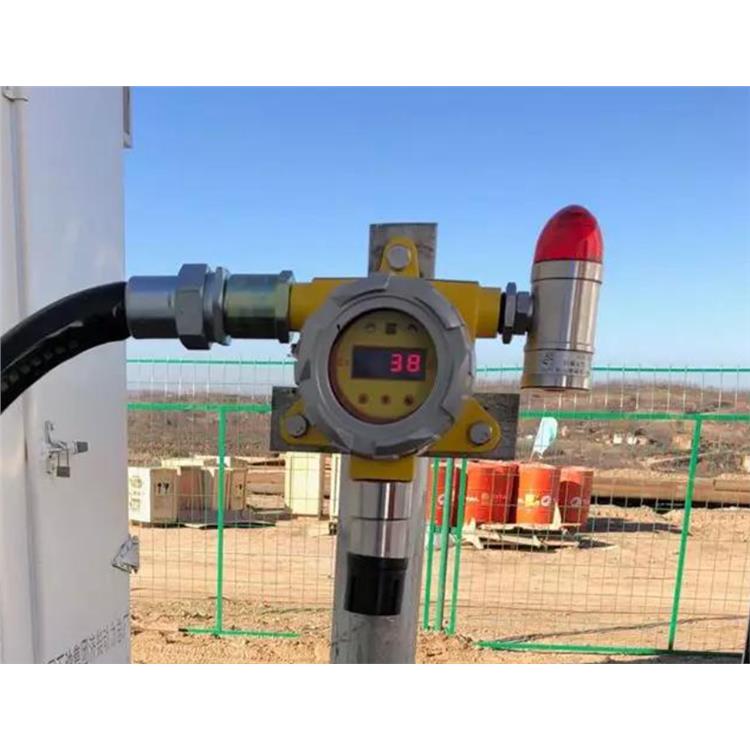
Yangzhou Gas Detector Calibration Services - ZhongNuo Inspection
详情描述
Shenzhen Zhongnuo Inspection & Technology Co., Ltd. is based in South China and specializes in explosion-proof certification and coal safety certification application consulting services, offering one-stop explosion-proof technology consulting services.
Division of explosion-proof areas in explosive gas environments
In explosion-proof certification, hazardous areas are classified into explosive gas environments and combustible dust environments based on the different states of matter present in the location. According to the duration of presence of hazardous substances in the location, these two types of hazardous areas with different states of matter are further divided into three zones.
That is: for explosive gas environments, Zones 0, 1, and 2.
Areas with continuous or long-term explosive gas environments, typically above 1000h/y.
Zone 1 - Areas where explosive gas environments may occur during normal operation, typically 10-1000 occurrences per year.
Zone 2 - Under normal operation, it is not possible to have an explosive gas atmosphere or occasional presence for a short period of time; generally below 10 occurrences per year.
Division of Explosion-Proof Zones in Combustible Dust Environments -- Shenzhen ZhongNuo Inspection Technology Co., Ltd.
In explosion-proof certification, hazardous areas are divided into explosive gas environments and combustible dust environments based on the different states of substances present in the location. According to the duration of the presence of hazardous substances in the location, these areas with different states are further divided into three zones.
For combustible dust environments, it applies to Zones 20, 21, and 22.
Areas in Zone 20 where flammable dust environments occur continuously or persist for extended periods, typically exceeding 1000 hours per year.
Zone 21 - Areas where flammable dust environments may occur during normal operation, typically 10-1000 hours/year
Zone 22 - Under normal operation, it is impossible to have an explosive dust atmosphere or a place that occasionally has one for a short period of time; generally below 10h/y.
What's the difference between the corrosion resistance grade, protection grade, and explosion-proof certification grade?
Many corporate clients are often baffled by the required corrosion resistance, protection, and explosion-proof certification levels for their products.
Due to the products being just one character different in their names, and both referring to a specific grade of the product, they are similar yet distinct. So, what are the differences between them?
Corrosion prevention involves measures taken to protect metals prone to rust, with the aim of extending their service life. Common methods include physical, chemical, and electrochemical corrosion prevention. It is commonly categorized into five levels: indoor F1, F2, and outdoor WF, WF1, and WF2.
Protection rating, commonly known as the IP rating, refers to the dust and water resistance level of the equipment, typically consisting of "IP" followed by two digits.
The explosion-proof rating generally refers to the equipment's explosion-proof certification level. Each electrical equipment applying for explosion-proof certification will have a corresponding explosion-proof marking, including the type and rating of explosion-proof. The explosion-proof rating indicates the product's applicable explosion-proof area, gas/dust groups, temperature groups, and equipment protection level, etc.
Clearly, these are different concepts in different fields. For more information on this topic, feel free to message us anytime!
What standards are used for explosion-proof certification? What are the technical requirements?
An explosion-proof type is a type of explosion-proofing for electrical equipment.
Its housing can withstand explosive mixtures entering the housing through the housing joint surfaces or structural gaps, and undergo internal explosions without being damaged.
And cause ignition of an explosive gas atmosphere formed by one, multiple gases or vapors.
Explosion-proof enclosures must possess both explosion-proof and explosion-resistant properties. Generally, the outer casings of explosion-proof products are rather heavy, suitable for fixed installations and equipment use.
The three key elements of explosion-proof housing design: the width of the explosion-proof joint surface, the gap, and the roughness.
Design requirements for explosion-proof three elements vary depending on the different explosive gas environments used in Class I mining, non-mining Class IIA, IIB, and IIC.
Please refer to the design standards of GB/T3836.1 and GB/T3836.2.
ZhongNuo Inspection has long been dedicated to explosion-proof product design, testing, and certification services.
We have a team in the explosion-proof field, well-versed in explosion-proof standard requirements.
We offer explosion-proof housing design, illustration, modification guidance, certification agency services.
If you have a need for this as well, feel free to send us a private message anytime!
explosion-proof certification application consulting service - Shenzhen Zhongnuo Testing Technology Co., Ltd.


