




- AllProduct Category
-
Domestic Explosion-Proof Certification
Explosion-Proof 3C Certification
Explosion-proof Electrical Inspection
Coal Mine Safety Certification
ATEX & IECEx Certification
Ex-proof Qualification Certificate
Explosion-proof Construction Renovation


Recommended Products

Xi'an Dust Removal Equipment IECEx Explosion Proof Certification, Shenzhen ZhongNuo Inspection

Flameproof Certificate Application Documents for Communication Equipment - Shenzhen ZhongNuo Inspection, Application Process
Electromagnetic Valve SIL Certification Application Requirements - Shenzhen Zhongnuo Inspection
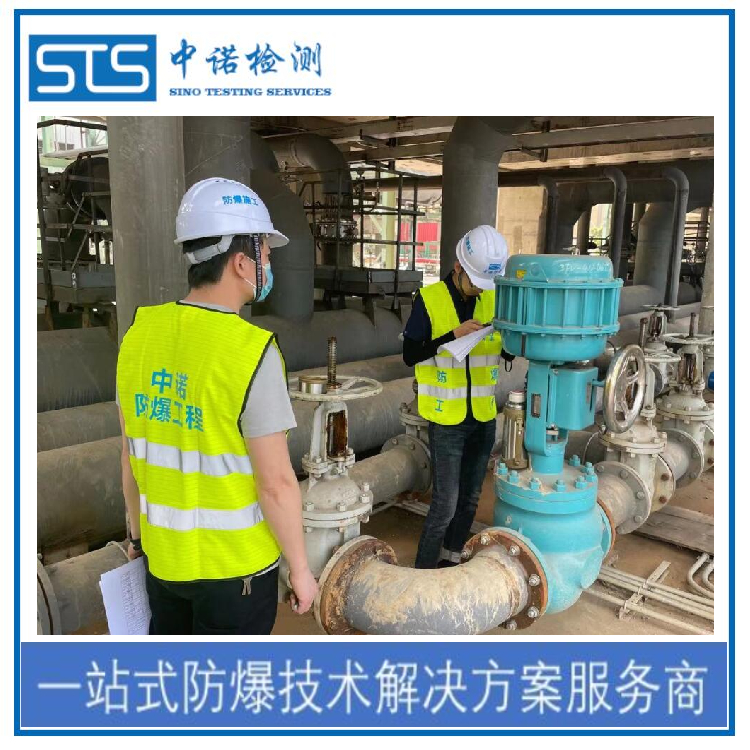
On-Site Oil Storage Explosion-Proof Electrical Inspection Application Requirements | Online Inquiry | Shenzhen ZhongNuo Inspection
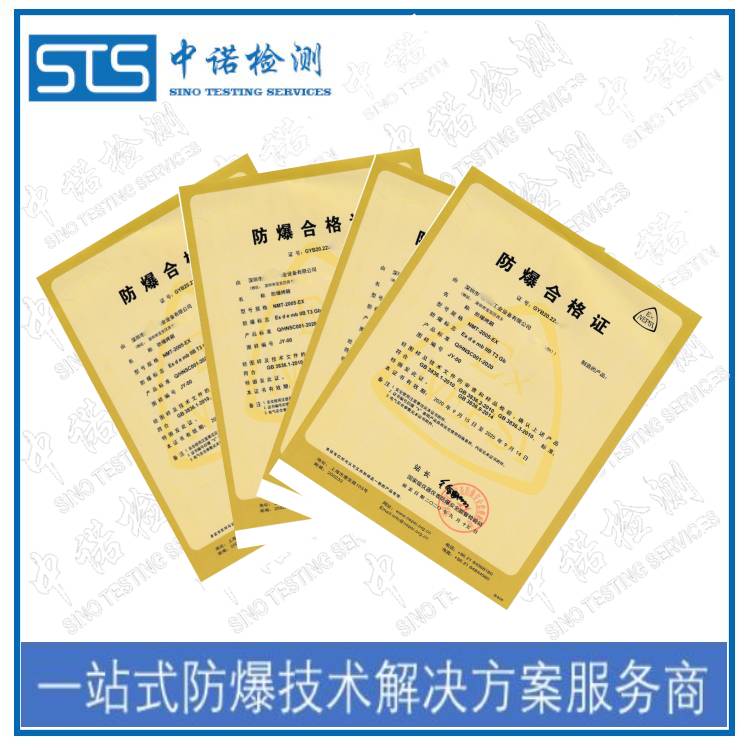
Where to apply for a dust explosion-proof certificate in Hangzhou? Shenzhen Zhongnu Inspection, what are the requirements?
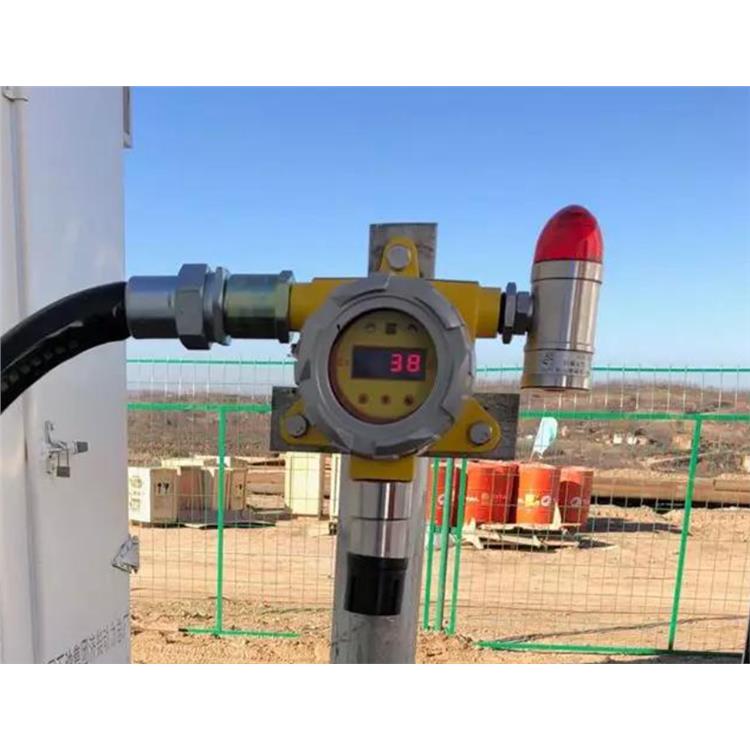
Yangzhou Gas Detector Calibration Services - ZhongNuo Inspection
详情描述
Shenzhen Zhongnuo Testing Technology Co., Ltd. is based in South China and offers on-site explosion-proof construction, safety inspections, renovations, project acceptance, and explosion-proof installation consulting services. We are well-versed in explosion-proof construction standards, boast experienced construction teams, and have served large enterprises such as China National Petroleum Corporation, LG, Huanlan Environment, BOE, and Sinovac Biotech, receiving consistent praise and trust from our clients!
Equipment grounding in explosive environments shall comply with the following regulations (shared by Shenzhen ZhongNuo Testing Technology Co., Ltd.)
In accordance with the relevant provisions of the current standard "Code for Design of Grounding of AC Electrical Installations" GB/T50065, the following parts that do not require grounding shall still be grounded in explosive environments:
1) Non-conductive surfaces, metal enclosures of equipment rated for alternating current (AC) less than 1000V and direct current (DC) less than 1500V, which are normally de-energized.
2) In dry conditions, equipment with alternating voltage of 127V or less and direct voltage of 110V or less typically has metal enclosures that are not charged.
3) Equipment mounted on a grounded metal structure.
(2) In explosive hazardous environments, the exposed conductive parts of the equipment should be reliably grounded. All equipment within explosive zones 1, 20, and 21, as well as other equipment in zones 2 and 22, excluding lighting fixtures, should use dedicated grounding wires. If the grounding wire is installed in the same protective conduit as the phase wire, it should have insulation equal to that of the phase wire. Lighting fixtures within explosive zones 2 and 22 can utilize a metal piping system with reliable electrical connections as a grounding wire, but not the pipelines for conveying substances.
(3) In different directions of the slope in the explosive hazard area, the grounding main should be connected to the grounding body at least twice.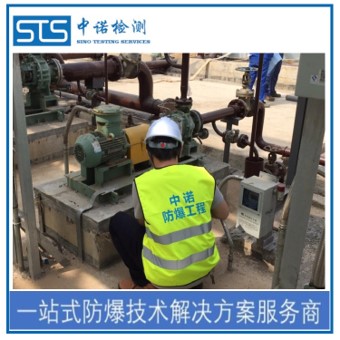
General Requirements for Explosion-Proof Workshop Design (Shared by Shenzhen ZhongNuo Inspection & Testing Technology Co., Ltd.)
4.1 Floor, Interior Wall
Areas producing flammable gases heavier than air or vapors of flammable and combustible liquids, as well as Class B production workshops with dust and fiber explosion hazards, should use non-sparking floors. To prevent sparks, the floor can be made of rubber, plastic, rubber mixed with graphite, or asphalt concrete, etc.
Wall surfaces in workshops where combustible dust may settle should be plastered or painted to create easily cleanable (wiping) interior surfaces.
4.2 Office, Break Room
For personnel safety, do not establish offices or restrooms in Class A or B production buildings with explosive hazards. If necessary, such rooms can be located outside the workshop, separated from the workshop by non-combustible walls with fire resistance of not less than 3.5 hours.
4.3 Electrical Equipment
Electrical equipment in explosion-proof workshops should be selected and installed according to different conditions, opting for explosion-proof types such as explosion-proof switches, explosion-proof motors, explosion-proof lighting, etc., and strictly avoiding non-explosion-proof options.
4.4 Lightning Protection Facilities
In facilities and workshops prone to explosion, in addition to installing lightning protection devices on the building itself, it is required to set up lightning rods around the building as per specifications. This ensures the building is within the protective range of the entire lightning protection system, preventing accidents caused by lightning strikes.
Basic Specifications for Explosion-Proof Electrical Construction (Shared by Shenzhen ZhongNuo Testing Technology Co., Ltd.)
Explosion-proof electrical installation differs from standard electrical installation due to the increased explosion-proof requirements of its environment. In accordance with industry standards, an explosive environment is defined as one where a mixture of gas, vapor, mist, or dust with air, when ignited, can spread to the entire unburned mixture. An area where a significant or expected presence of explosive gas or combustible dust requires special precautions in the design, installation, and use of electrical equipment is termed a hazardous area. Explosion-proof electrical installation refers to a task that meets the requirements for explosion-proof electrical equipment, conditions, and personnel, and involves work in explosive environments and hazardous areas, which is highly critical.
Protection of explosive loop circuits should comply with the following regulations (shared by Shenzhen Zhongnuo Testing Technology Co., Ltd.)
In the single-phase network within Zone 1, both phase wires and neutral lines should be equipped with short-circuit protection, and appropriate switches should be used to simultaneously disconnect both phase wires and the neutral line.
(2) For 3kV-10kV cable lines, it is advisable to install zero-sequence current protection, and the protective devices in Zones 1 and 21 should be set to trip.
Explosion-proof electrical modifications and on-site explosion-proof construction consulting services for hazardous areas — Shenzhen Zhongnuo Testing Technology Co., Ltd.


