




- AllProduct Category
-
Domestic Explosion-Proof Certification
Explosion-Proof 3C Certification
Explosion-proof Electrical Inspection
Coal Mine Safety Certification
ATEX & IECEx Certification
Ex-proof Qualification Certificate
Explosion-proof Construction Renovation


Recommended Products

Xi'an Dust Removal Equipment IECEx Explosion Proof Certification, Shenzhen ZhongNuo Inspection

Flameproof Certificate Application Documents for Communication Equipment - Shenzhen ZhongNuo Inspection, Application Process

Electromagnetic Valve SIL Certification Application Requirements - Shenzhen Zhongnuo Inspection
On-Site Oil Storage Explosion-Proof Electrical Inspection Application Requirements | Online Inquiry | Shenzhen ZhongNuo Inspection
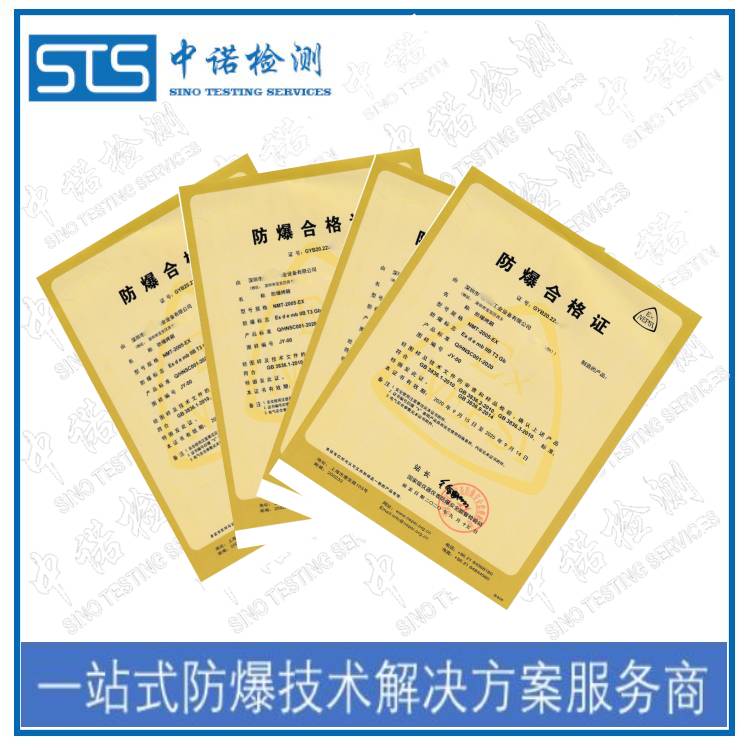
Where to apply for a dust explosion-proof certificate in Hangzhou? Shenzhen Zhongnu Inspection, what are the requirements?
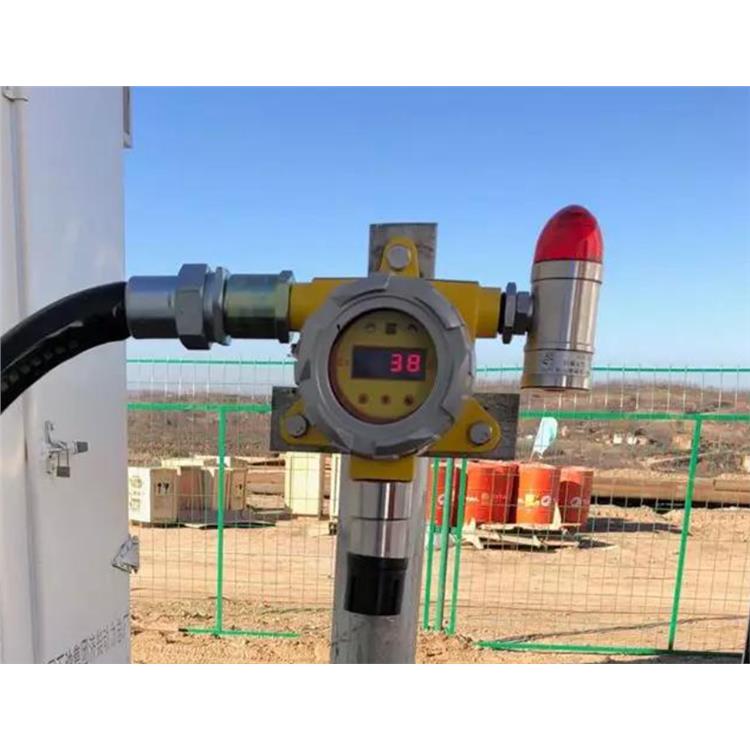
Yangzhou Gas Detector Calibration Services - ZhongNuo Inspection
详情描述
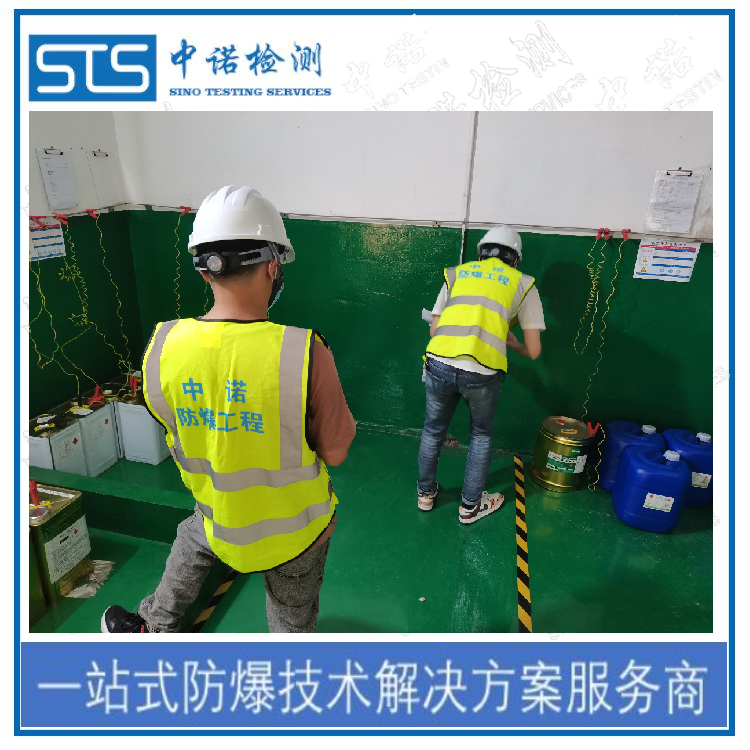
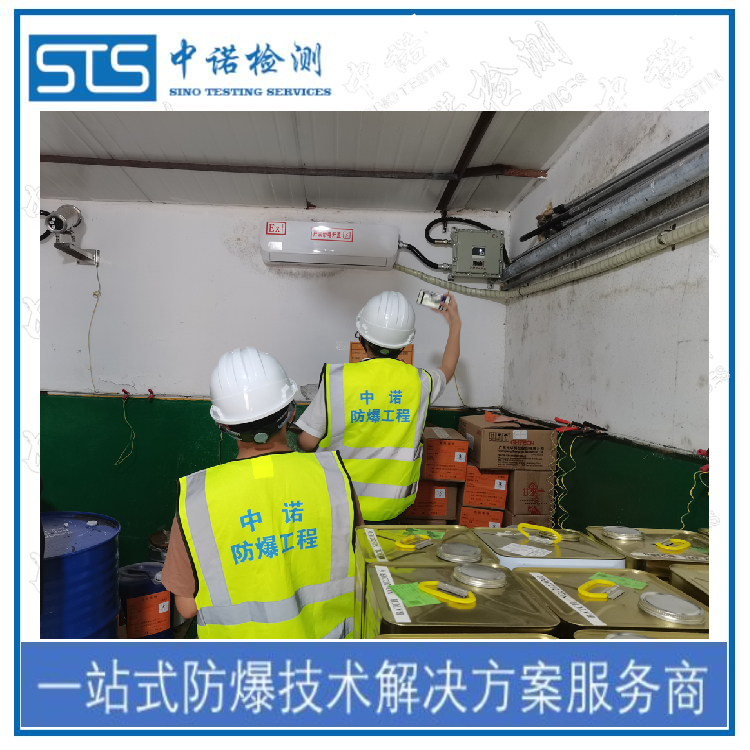
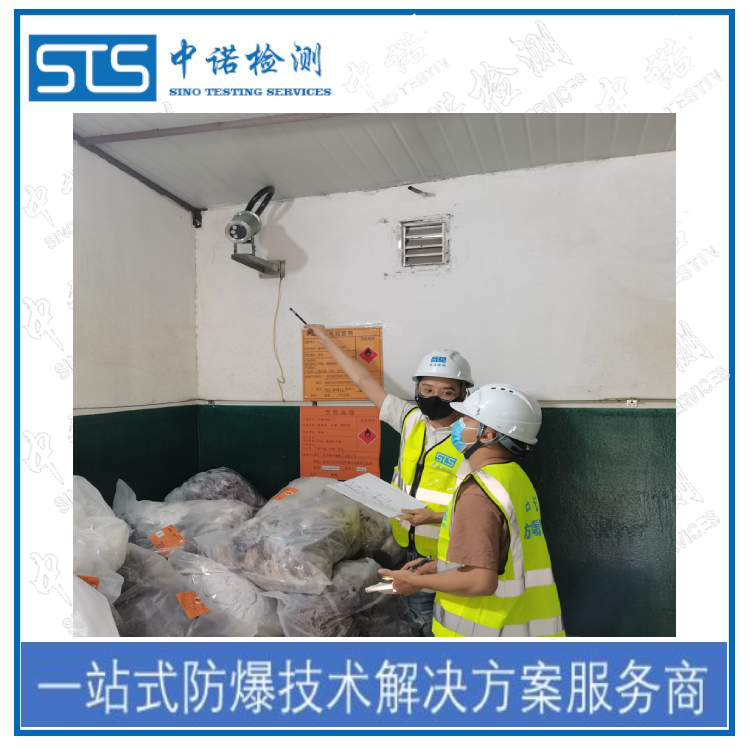
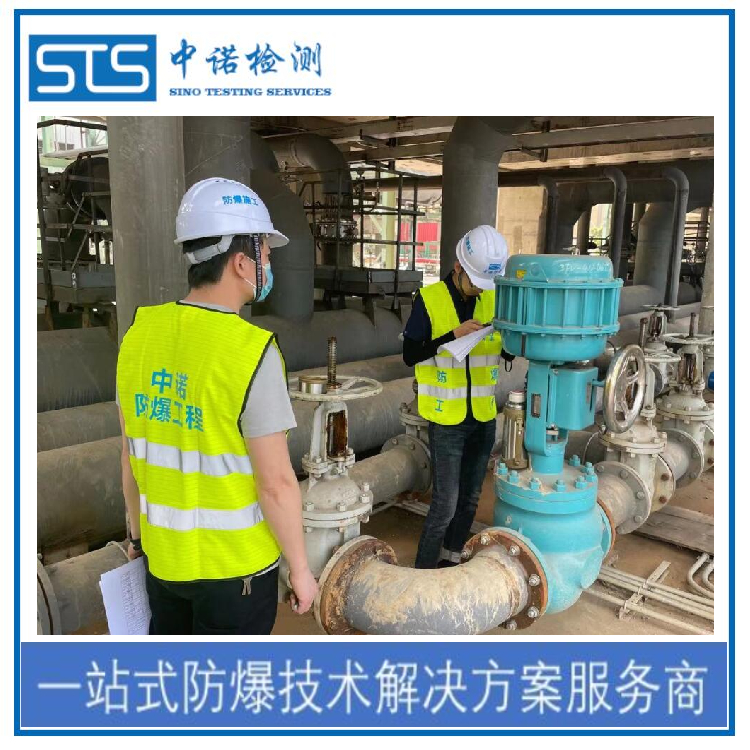
Shenzhen ZhongNuo Inspection & Technology Co., Ltd. offers on-site explosion-proof electrical inspection, explosion-proof project acceptance services, and can also provide explosion-proof rectification and construction services for items not meeting inspection standards.
Standards and Schedules for Regular Inspection of Explosion-Proof Electrical Equipment
As explosion-proof electrical appliances become more widespread, they are installed and used in many explosive hazard areas.
Many end-users believe that as long as explosion-proof electrical equipment is installed in hazardous explosive areas, everything is settled.
In many cases, so-called explosion-proof electrical equipment lacks a valid explosion-proof certificate, or the certificate has expired or is counterfeit. The label does not match the explosion-proof certificate.
Selection of explosion-proof type not compliant, mixed use of gas explosion-proof electrical equipment and dust explosion-proof electrical equipment, improper wiring of explosion-proof electrical equipment installation, lines not grounded.
Holes are drilled and buttons are installed on explosion-proof casings, causing potential explosion risks. Long-term exposure to corrosion, high temperatures, and intense vibrations affects explosion-proof electrical equipment.
For explosion-proof electrical equipment in use, the AQ 3009-2007 "Electrical Safety and Explosion-Proof Regulations for Hazardous Areas" standard stipulates:
Electrical explosion-proof equipment in use should be inspected at least once every 3 years by a certified inspection center specializing in explosion-proof services to check its performance, installation, and maintenance.
Immediate corrective actions must be taken for items not meeting inspection standards, and both the inspection report and the rectification details must be filed with the安全生产监督管理部门.
Conducting on-site explosion-proof inspections for electrical equipment in use is not only a requirement of the safety production department, but also a testament to the company's emphasis on its own life and property safety.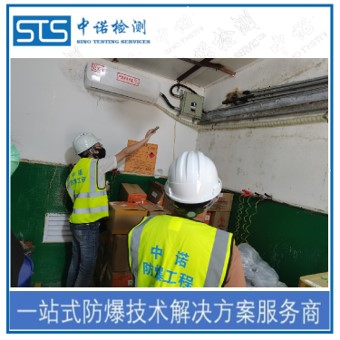
How often is the regular explosion-proof electrical inspection conducted?
With the widespread use of explosion-proof electrical equipment, many explosive hazardous areas have adopted such equipment. Many end-users believe that the installation of explosion-proof electrical equipment in hazardous areas is sufficient to ensure safety. However, in many cases, the so-called explosion-proof equipment lacks valid certification, has expired, or is counterfeit. There are discrepancies between the nameplate and the certification, incorrect selection of explosion-proof types, mixed use of gas and dust explosion-proof equipment, drilling holes in explosion-proof enclosures, long-term corrosion, high temperatures, and severe vibrations. The AQ 3009-2007 "Electrical Safety and Explosion-Proof Standards for Hazardous Areas" standard stipulates for in-use explosion-proof electrical equipment: at least once every 3 years, an inspection center with explosion-proof professional qualifications should be commissioned to check the performance, installation, and maintenance of the equipment. Immediate corrective actions must be taken for any non-compliance, and the inspection report and corrective measures should be filed with the安全生产监督管理部门. Conducting on-site explosion-proof checks for in-use equipment is not only a requirement of the safety production department but also a reflection of the company's commitment to its own life and property safety.
ZhongNuo Inspection has provided on-site explosion-proof inspections and transformation services for various facilities such as gas stations, oil depots, food factories, feed mills, and chemical plants, boasting a wealth of successful cases and industry experience.
If you happen to need a防爆电气检查报告 for such on-site requirements, feel free to message us for a detailed discussion.
Regular Inspection Main Contents of Explosion-Proof Electrical Equipment
1. Model Inspection
In strict accordance with relevant laws, the explosion-proof markings on explosion-proof electrical equipment must be standardized, and it must pass the relevant explosion-proof standard inspection and be deemed qualified before implementation. It is essential to design the appropriate explosion-proof type, level, and temperature class for electrical equipment based on the specific working environment.
2. Installation Inspection
During electrical equipment installation, any oversight can potentially lead to losses. For instance, if the ventilation and exhaust system is not properly installed and not functioning smoothly, and if the electrical equipment's casing has the potential to explode during operation, it is crucial to install with precision. It must be done according to relevant standards.
3. Line Inspection
Electrical equipment is often composed of numerous interconnected wires, which can be particularly complex. If not securely connected, or if there are incorrect connections, or due to the insulation of the wires peeling off, it may lead to short circuits or overloads, causing arcs or sparks. Therefore, it is crucial to enhance the inspection of circuit integrity, especially the密封 of the wires, to ensure that the connections meet the requirements.
4. Grounding Inspection
Electrical equipment generates static electricity during operation. When there is an excessive amount of static, sparks can occur during discharge. Therefore, proper grounding protection must be in place to promptly dissipate the static, thereby preventing explosions. Common grounding methods include working grounding, static grounding, and lightning protection grounding, etc. Engineers must select the appropriate grounding method based on the specific working environment, ensuring both safety and stability.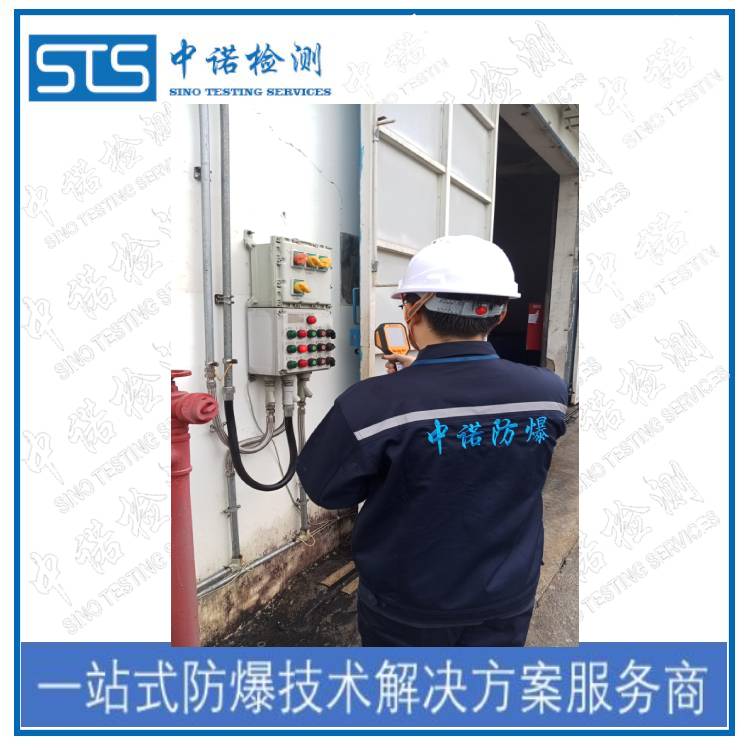
Shenzhen Zhongnuo Inspection Technology Co., Ltd. summarizes the experience from previous explosion-proof electrical inspections and lists the following common non-compliance items observed during on-site inspections for reference.
Common phenomena include:
1. Corrosion and damage to explosion-proof casings. The protective casings of explosion-proof electrical equipment are damaged due to corrosion from the surrounding medium, leading to rusting through the casing, structural deterioration, and loss of original strength, causing the explosion-proof electrical equipment to lose its explosion-proof capability.
2. Explosive-proof protective casing chemically corroded and damaged. In cases of electrical leakage or potential drift, the metal casing becomes electrically charged. When the charged metal comes into contact with the air medium, it acts like a battery, causing the metal casing to corrode. This results in the appliance losing its explosive-proof capability.
3. Damage from external forces and mechanical impacts. This includes damage to the protective casing due to collisions with other equipment or mechanical substances in the work site, as well as casing damage caused by excessive force during installation.
4. Shell damage due to over-temperature, caused by cold shrinkage and deformation of the protective shell material structure in cold regions due to climate adaptation issues, leading to shell cracking and subsequent damage to the protective shell.
5. Damage caused by improper installation. Damage, loss, and failure of protective functions resulting from the non-compliance with installation requirements during the installation of explosion-proof electrical equipment.
6. Inadequate sealing, including the improper handling of sealing materials during installation and maintenance, loose joints on the sealing surfaces, damaged sealing components, and unsuitable or missing fasteners for sealing fixation, all contribute to a lack of or insufficient explosion-proof performance.
7. Explosion-proof electrical equipment issues: Inadequate material for the explosion-proof housing and unreasonable structural design fail to meet the required load-bearing capacity; internal wiring facilities are prone to loosening, and an irrational internal circuit can easily cause sparking or overheating; unreasonable mechanical structure components, excessive equipment temperature, and internal water accumulation may lead to failures in explosion-proof electrical equipment.
8. Due to actual changes in hazardous areas caused by production facility modifications, the electrical equipment in the area has not been promptly upgraded to explosion-proof equipment.
9. Incorrect selection of explosion-proof electrical equipment; intrinsic safety electrical equipment used with non-intrinsic safety voltage, and increased safety enclosures used for line equipment that generates light, heat, etc.
As an end user of explosion-proof electrical equipment, it is necessary to conduct regular explosion-proof inspections even when explosion-proof electrical equipment is installed and used in explosive hazardous areas. This is not only a requirement of various departments but also a sign of high regard for the safety of personnel and property.
On-site Explosion-Proof Electrical Equipment Regular Inspection Consultancy Service - Shenzhen ZhongNuo Testing Technology Co., Ltd.


