



- AllProduct Category
-
Domestic Explosion-Proof Certification
Explosion-Proof 3C Certification
Explosion-proof Electrical Inspection
Coal Mine Safety Certification
ATEX & IECEx Certification
Ex-proof Qualification Certificate
Explosion-proof Construction Renovation


Recommended Products

Xi'an Dust Removal Equipment IECEx Explosion Proof Certification, Shenzhen ZhongNuo Inspection

Flameproof Certificate Application Documents for Communication Equipment - Shenzhen ZhongNuo Inspection, Application Process
Electromagnetic Valve SIL Certification Application Requirements - Shenzhen Zhongnuo Inspection
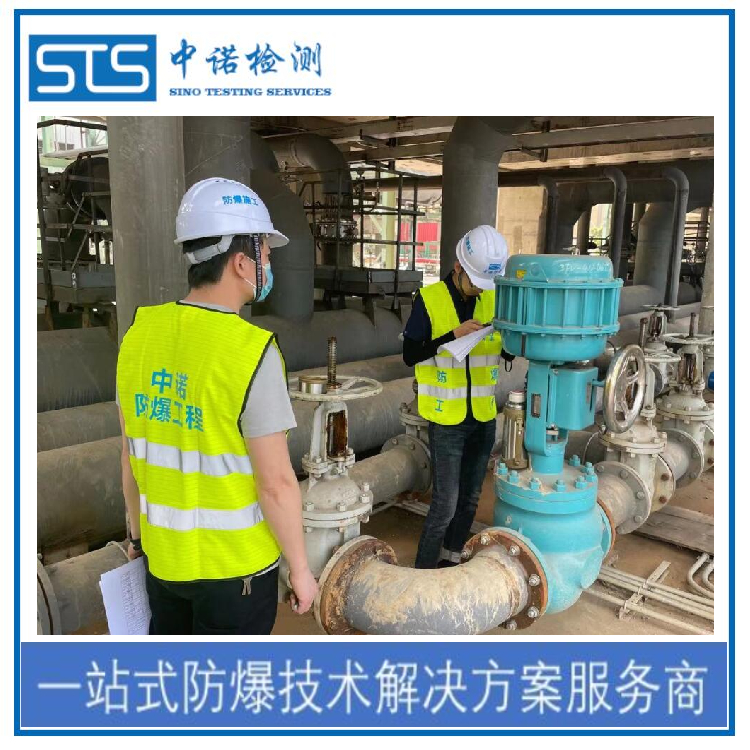
On-Site Oil Storage Explosion-Proof Electrical Inspection Application Requirements | Online Inquiry | Shenzhen ZhongNuo Inspection
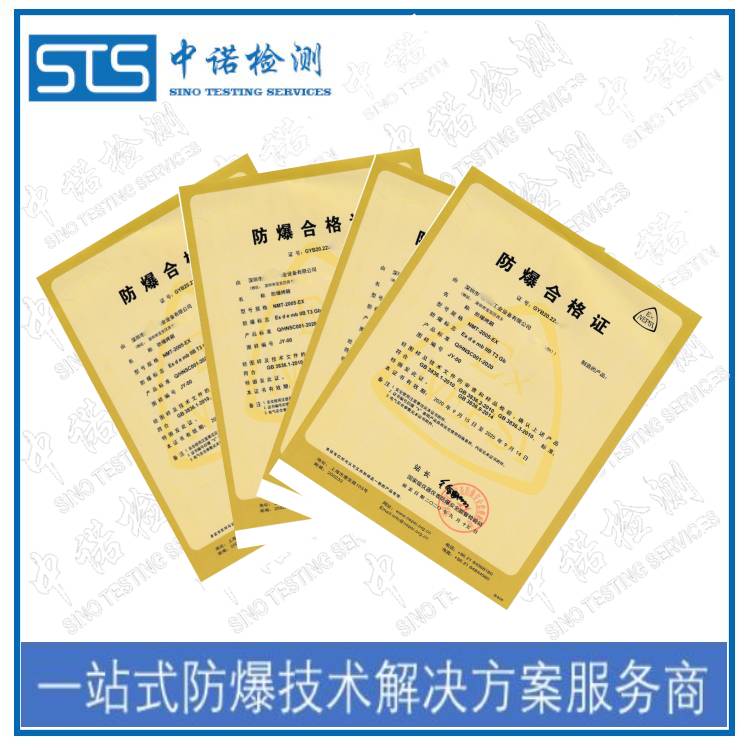
Where to apply for a dust explosion-proof certificate in Hangzhou? Shenzhen Zhongnu Inspection, what are the requirements?
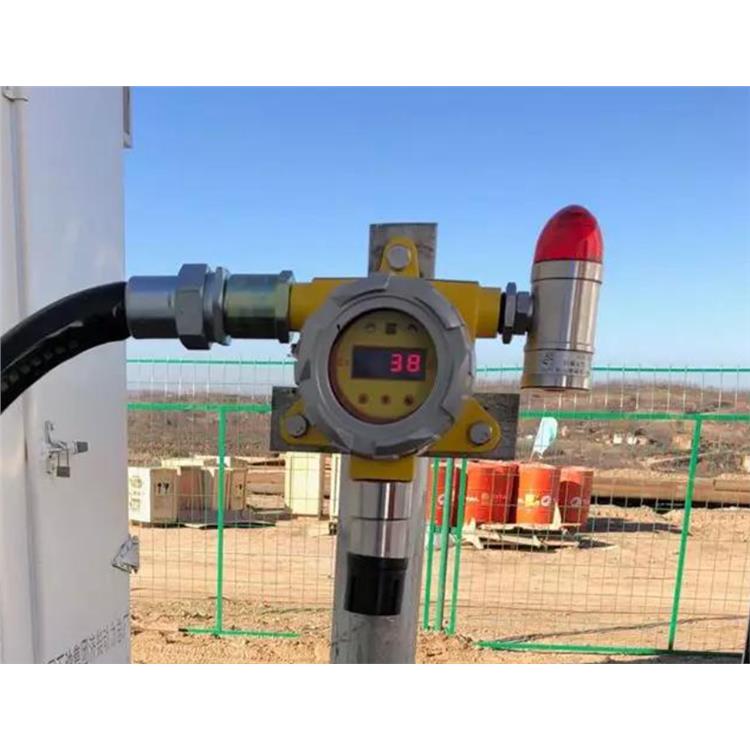
Yangzhou Gas Detector Calibration Services - ZhongNuo Inspection
详情描述
Shenzhen Zhongnuo Testing Technology Co., Ltd. is based in South China and specializes in explosion-proof certification and coal safety certification application consulting services, offering one-stop explosion-proof technology consulting services.
Non-metallic surface resistance limit requirements for explosion-proof equipment
In hazardous areas with explosive dust or gases/vapors, such as coal powder and flour, static electricity can cause fires or explosions, posing significant danger. Therefore, it is advisable to minimize the use of insulating materials in explosive hazard areas. When selecting electrical insulating materials, consider maintaining low insulation resistance to prevent discharge when non-metallic components come into contact with charged components. For non-metallic insulating materials, the antistatic capability of the equipment can be assessed by measuring the surface resistance of the equipment's housing.
Surface Resistance, measured in ohms (Ω), refers to the resistance between two electrical contacts on the measuring surface.
In accordance with the requirements of the IEC 60079 series standards:
In Category II explosive gas environments, when the surface area of a non-metallic shell of an electrical equipment exceeds a certain limit (as shown in Table 1), a surface resistance test must be conducted on the non-metallic material to ensure: by selecting the material, the surface resistance meets at least one of the following requirements when measured according to IEC 60079-0 26.13:
At ≤1 GΩ, (505)% relative humidity;
At ≤100 GΩ, (305)% relative humidity.
2. In Class III explosive dust environments, if the surface area of the non-metallic housing of electrical equipment does not exceed 500 mm², the risk of static electricity can be disregarded; if it exceeds this limit, a surface resistance test must be conducted. The criteria for determination are the same as those for the surface resistance test limits in Class II gas environments. For fixed-installation equipment that cannot meet the surface resistance limits, a "X" can be added after the "explosion-proof" symbol, a corresponding warning sign can be placed on the equipment, and the user must be informed in the user manual.
Explosion-proof Certification Categories -- Shenzhen ZhongNuo Testing Technology Co., Ltd.
Blastproof certification is the process of verifying that equipment meets the requirements of blastproof standards, type tests, and applicable routine tests, and issuing relevant certificates of compliance. Certificates can be issued for Ex equipment or Ex components.
Different regions have varying certification standards and systems for explosion-proof electrical products. Currently, international explosion-proof certifications include domestic explosion-proof certification, ATEX certification, IECEx certification, and North American explosion-proof certification, among others.
Sample requirements for explosion-proof certification application:
The sample machine submitted by the company must match the approved drawings and be fully assembled; the number of units inspected should meet the requirements.
If special disassembly tools are required, they should be sent along as well.
For potting type electrical equipment, one set of products with and without potting should be submitted each.
The transparent components for the observation window should be sent separately in an additional 5 pieces, with at least 3 pieces.
The transparent parts of the lighting fixtures should be sent separately with at least 5 pieces, for a total of 8.
The rubber aging test should provide 3 to 5 pieces of 35156 rubber blocks.
Insulate resistance testing for plastic enclosures requires 2 pieces of plastic sheets with a diameter of 150-60mm. If the size permits, the plastic enclosures can be tested directly.
1-2 finished products are generally required.
Why choose tempered glass for explosion-proof transparent parts?
Transparent components are a crucial material for explosion-proof electrical equipment. When selecting transparent components, customers always ask what material should be used? Can it be glass? Can it be plastic?
Below, Shenzhen Zhongnuo Testing Technology Co., Ltd. explains it for everyone.
GB/T3836.1 clearly stipulates temperature thermal shock tests for transparent components, aiming to verify the thermal stability of glass under rapid cooling conditions. Currently, toughened glass is a material that not only meets this requirement but also offers high cost-effectiveness.
普及 the fact that tempered glass, after being heated and quenched, forms a uniform layer on the surface.
The compressed stress layer counteracts the tensile stress generated on the surface during rapid cooling. Therefore, even when tempered glass is subjected to stress from rapid cooling, the compressive stress layer offsets its effects.
Explosion-proof Certification Application Consulting Service - Shenzhen Zhongnuo Testing Technology Co., Ltd.


