


- AllProduct Category
-
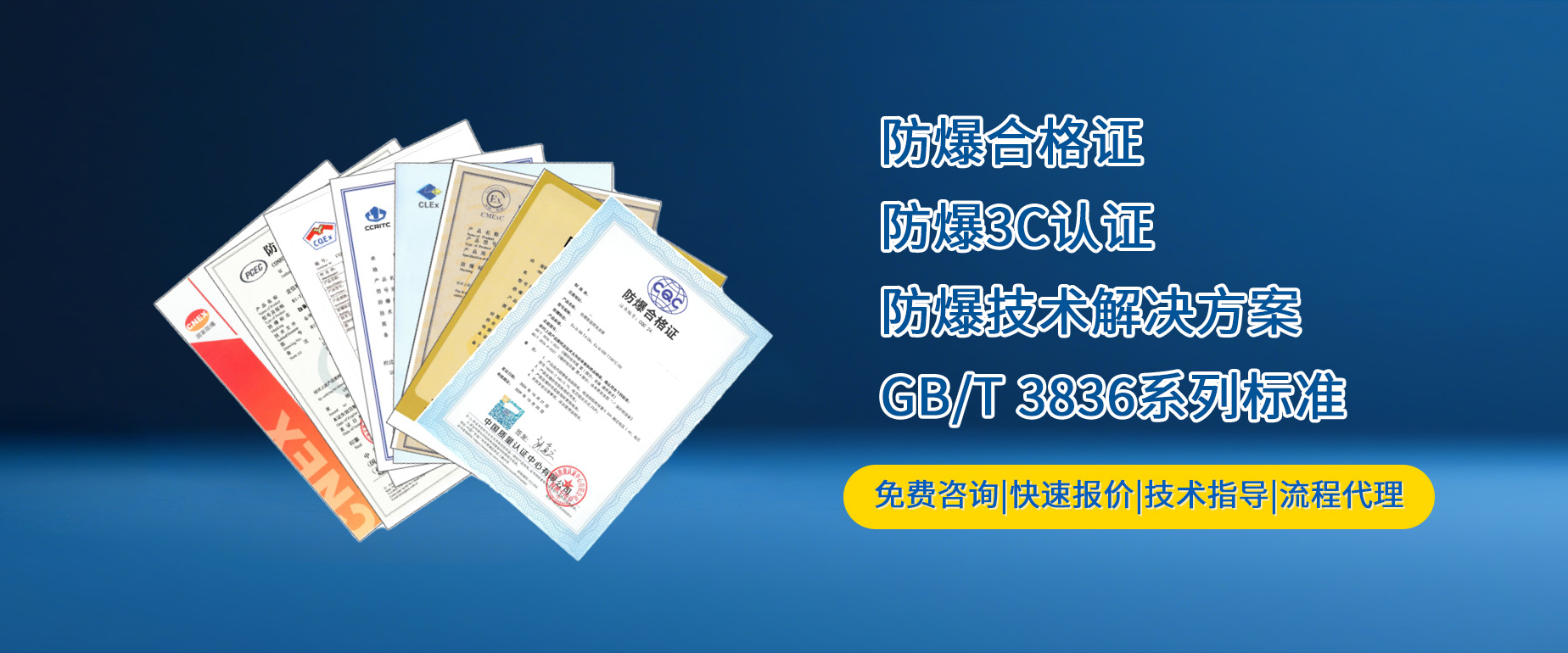
Domestic Explosion-Proof Certification
Explosion-Proof 3C Certification
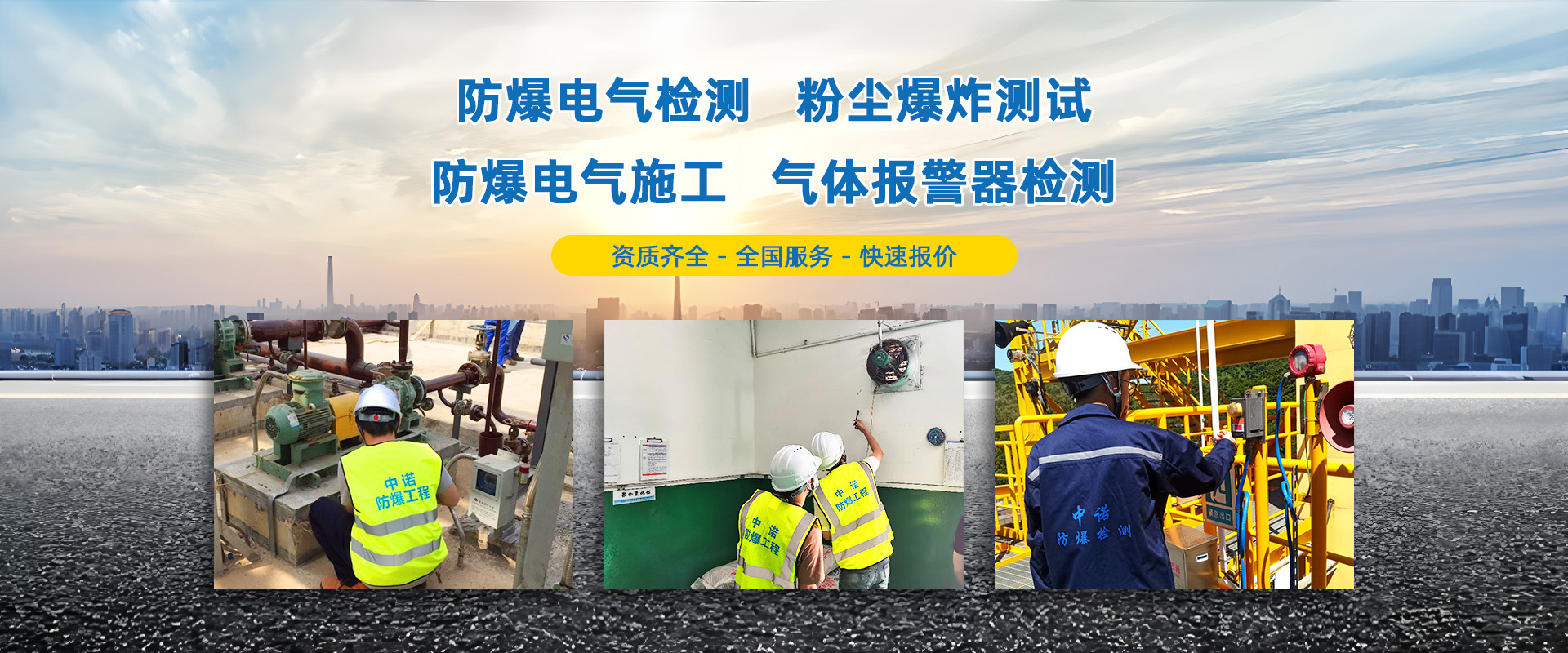
Explosion-proof Electrical Inspection
Coal Mine Safety Certification
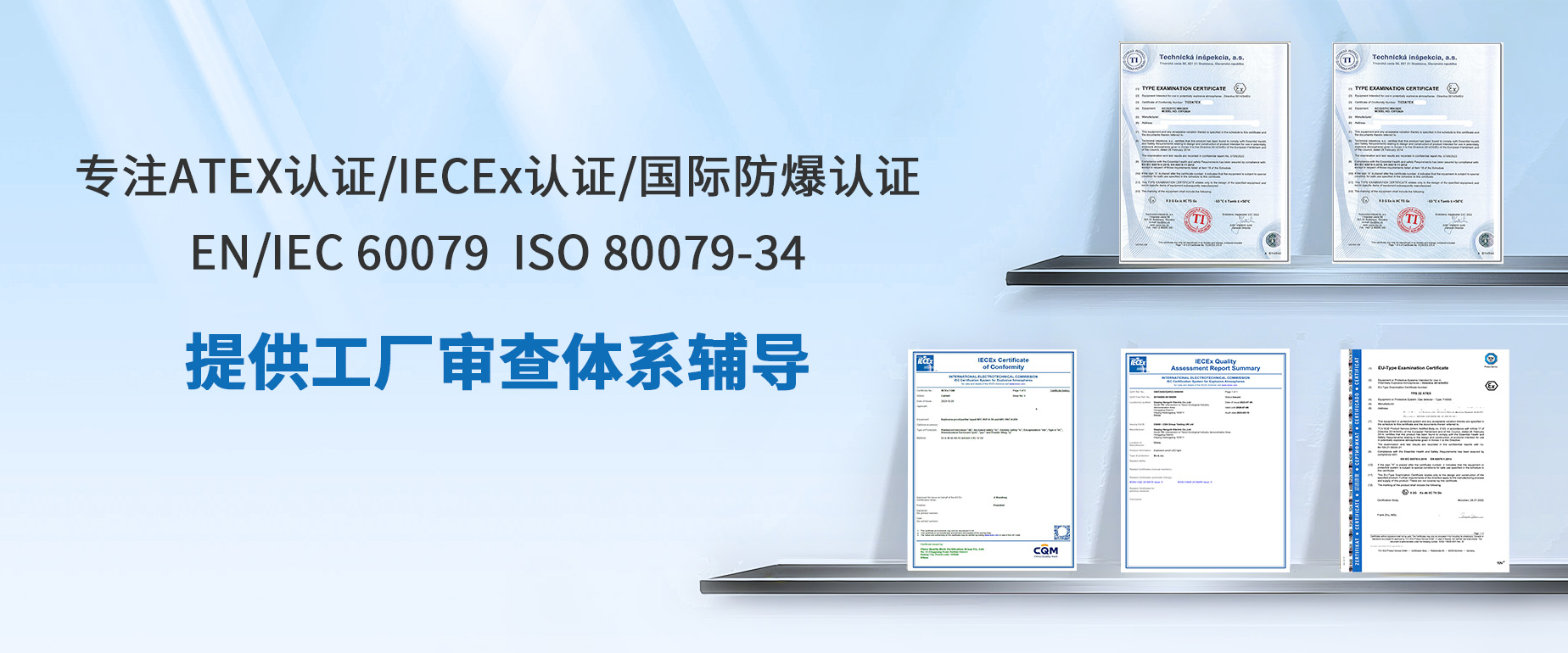
ATEX & IECEx Certification
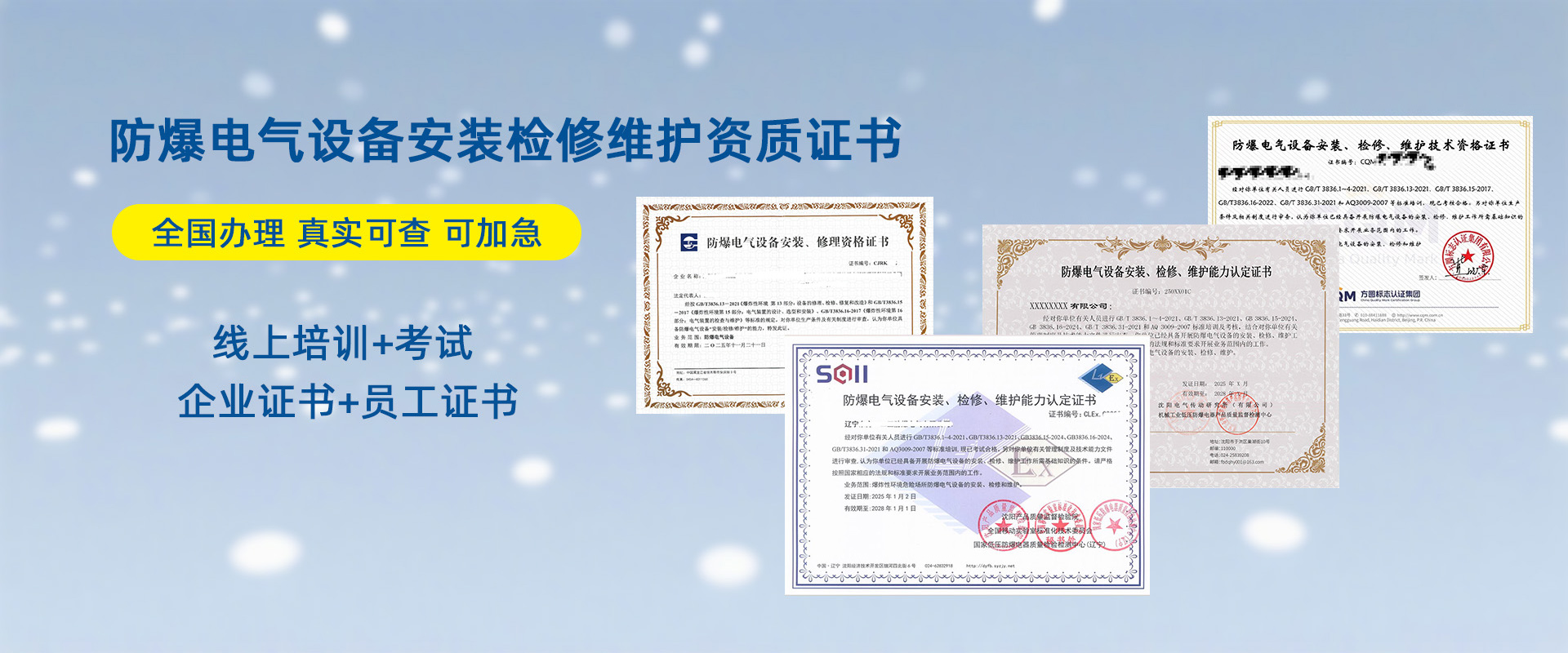
Ex-proof Qualification Certificate
Explosion-proof Construction Renovation


Recommended Products

Xi'an Dust Removal Equipment IECEx Explosion Proof Certification, Shenzhen ZhongNuo Inspection

Flameproof Certificate Application Documents for Communication Equipment - Shenzhen ZhongNuo Inspection, Application Process
Electromagnetic Valve SIL Certification Application Requirements - Shenzhen Zhongnuo Inspection
On-Site Oil Storage Explosion-Proof Electrical Inspection Application Requirements | Online Inquiry | Shenzhen ZhongNuo Inspection
Where to apply for a dust explosion-proof certificate in Hangzhou? Shenzhen Zhongnu Inspection, what are the requirements?
Yangzhou Gas Detector Calibration Services - ZhongNuo Inspection
详情描述
Provide SIL certification, SIL grading, and other consulting services — Shenzhen ZhongNuo Testing Technology Co., Ltd.
SIL certification, also known as Functional Safety Certification, focuses on the safety functions of a product. Obtaining SIL certification is to verify whether these safety functions can be reliably and safely implemented.
For instance, with a lighting fixture, we are concerned with its lighting function, whether its light intensity can reliably and safely meet our requirements.
The significance of obtaining SIL certification for products
1. SIL Certification's Impact on Product Integrity:
We guarantee the accuracy of the product's specific functions.
(2) Enhances product acceptance and recognition within the industry.
(3) Certified products enjoy higher safety, enhancing the competitiveness of the products.
(4) Customers typically perceive: Certified = Recognized = The.
2. The cumulative impact of SIL certification on the enterprise:
Enhance corporate safety experience and proficiency.
(3) The R&D process of the company is more standardized and verifiable.
(4) Enhanced safety measures are in place to safeguard against injuries when they occur.
(5) Throughout the certification process, ensure the company's R&D level remains at a high standard.
If a project, system, or product achieves SIL certification, its product quality and safety are also recognized and acknowledged. This not only enhances the company's market competitiveness but greatly boosts customer confidence in the product. Therefore, if a product significantly impacts life and property safety, obtaining SIL certification is necessary.
SIL Functional Safety Certification is applicable to all equipment used for implementing process control safety functions, mainly categorized into electrical components and safety systems.
1. Electrical Components: Actuators, solenoid valves, field sensors, pressure transmitters, temperature transmitters, level transmitters, level switches, programmable logic controllers, logic solvers, field safety actuators (pneumatic/ hydraulic/ electric), safety switches, safety valves, gate valves, solenoid valves, and safety interlocks, etc.
2. Safety Systems: SIS (Safety Instrumented System), ESD (Emergency Shutdown System), Instrument Protection System (IPS), Burner Management System (BMS), F&G (Fire and Gas Protection System), HIPPS (High-Pressure Pipeline Protection System), PSD (Process Shutdown System).
3. Other: Electronics/Electrical/Programmable electronic products with safety requirements.
SIL Certification Level Pre-Assessment Submission Document Checklist
Product Instructions
2. Product Safety Feature List
3. Product Safety Manual
4. Failure Mode and Effects Analysis (FMEDA) Excel File
5. Quality Management System Certificate (ISO9001)
6. Product Photos (including front and side views of representative models)
7. Product Design Documents (drawings, material reports, calculation sheets, etc.)
8. Additional Information
SIL certification is a third-party evaluation, verification, and certification process based on standards such as IEC 61508 (GB/T 20438), IEC 61511 (GB/T 21109), IEC 61513, IEC 13849-1, IEC 62061, and IEC 61800-5-2, which assess and confirm the Safety Integrity Level (SIL) or Performance Level (PL) of safety equipment. Functional safety certification primarily involves assessments of document management (FSM) for the development process of safety equipment, hardware reliability calculations and evaluations, software evaluations, environmental testing, and EMC electromagnetic compatibility testing. SIL certification is divided into four levels: SIL1, SIL2, SIL3, and SIL4, covering both product and system levels, with SIL4 being the most stringent.


