



- AllProduct Category
-
Domestic Explosion-Proof Certification
Explosion-Proof 3C Certification
Explosion-proof Electrical Inspection
Coal Mine Safety Certification
ATEX & IECEx Certification
Ex-proof Qualification Certificate
Explosion-proof Construction Renovation


Recommended Products

Xi'an Dust Removal Equipment IECEx Explosion Proof Certification, Shenzhen ZhongNuo Inspection

Flameproof Certificate Application Documents for Communication Equipment - Shenzhen ZhongNuo Inspection, Application Process

Electromagnetic Valve SIL Certification Application Requirements - Shenzhen Zhongnuo Inspection
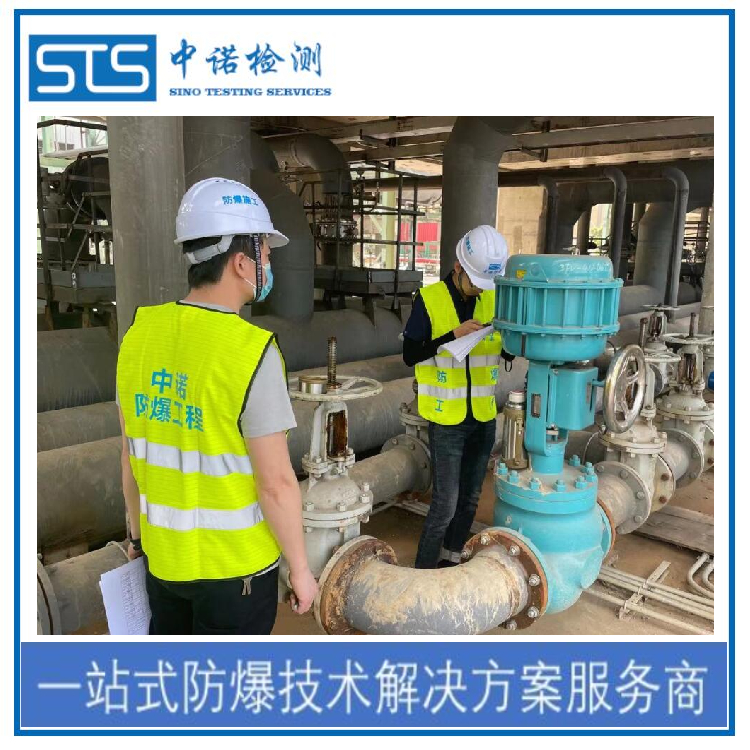
On-Site Oil Storage Explosion-Proof Electrical Inspection Application Requirements | Online Inquiry | Shenzhen ZhongNuo Inspection
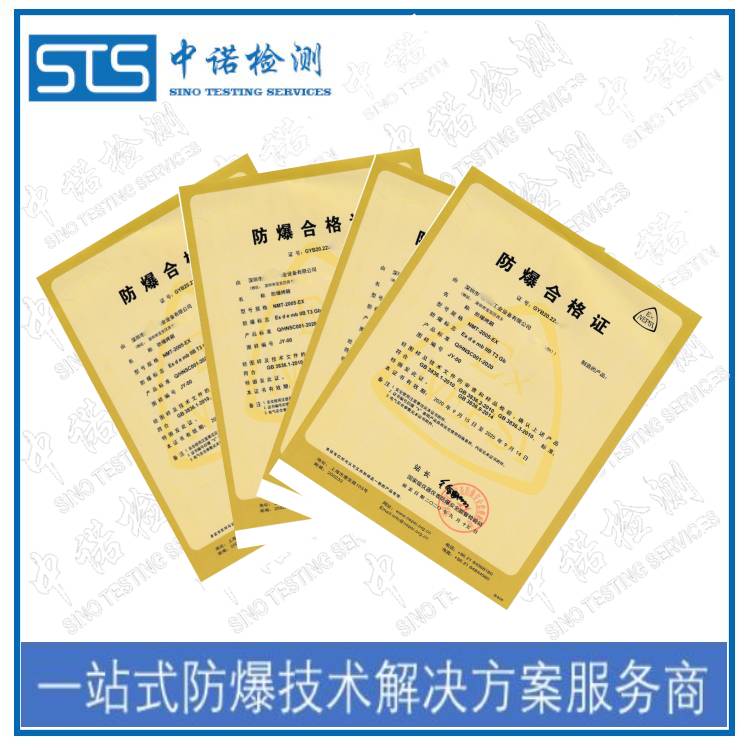
Where to apply for a dust explosion-proof certificate in Hangzhou? Shenzhen Zhongnu Inspection, what are the requirements?
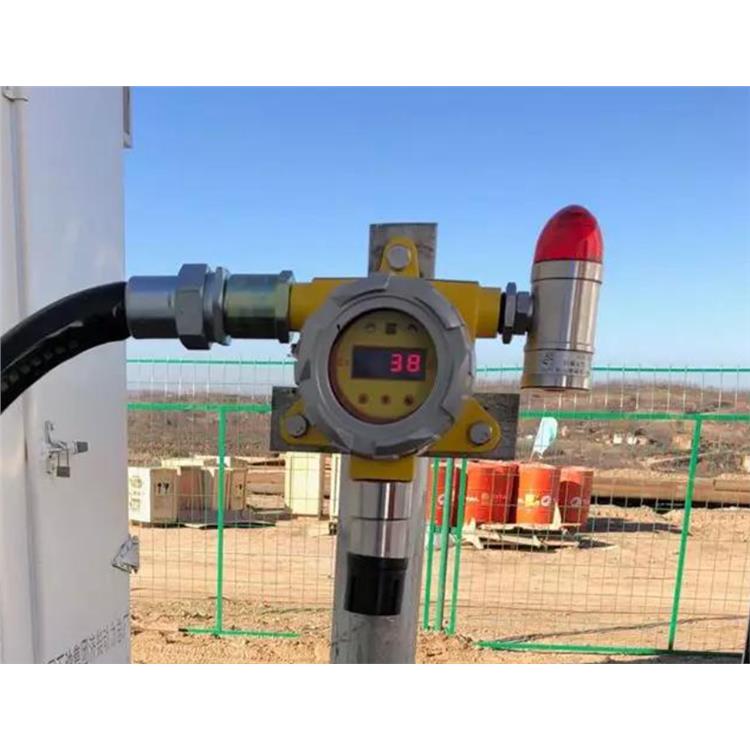
Yangzhou Gas Detector Calibration Services - ZhongNuo Inspection
详情描述
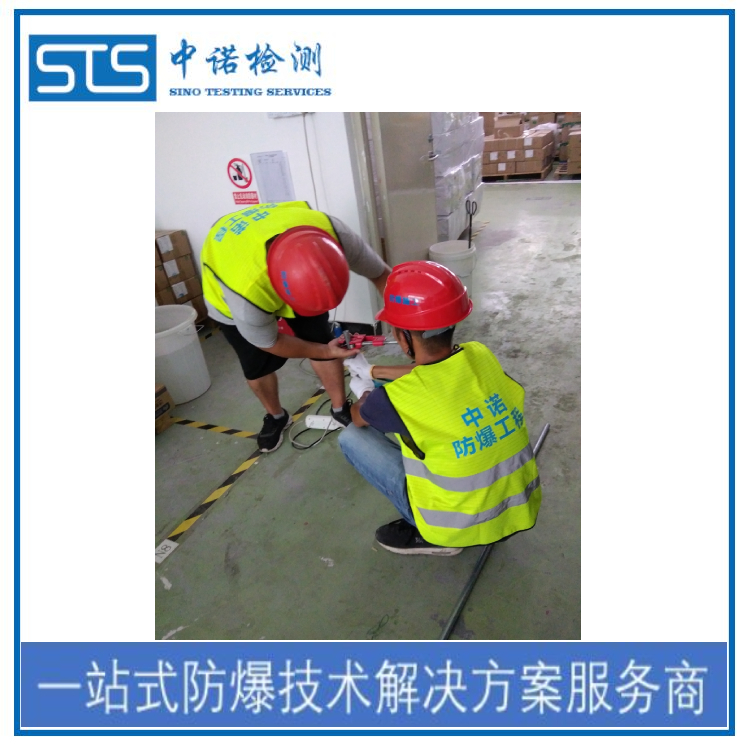
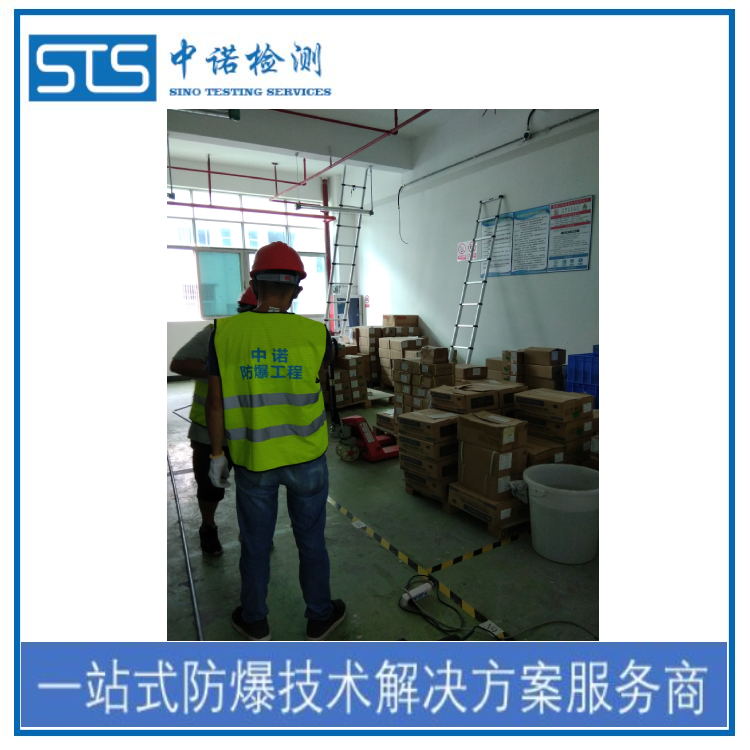
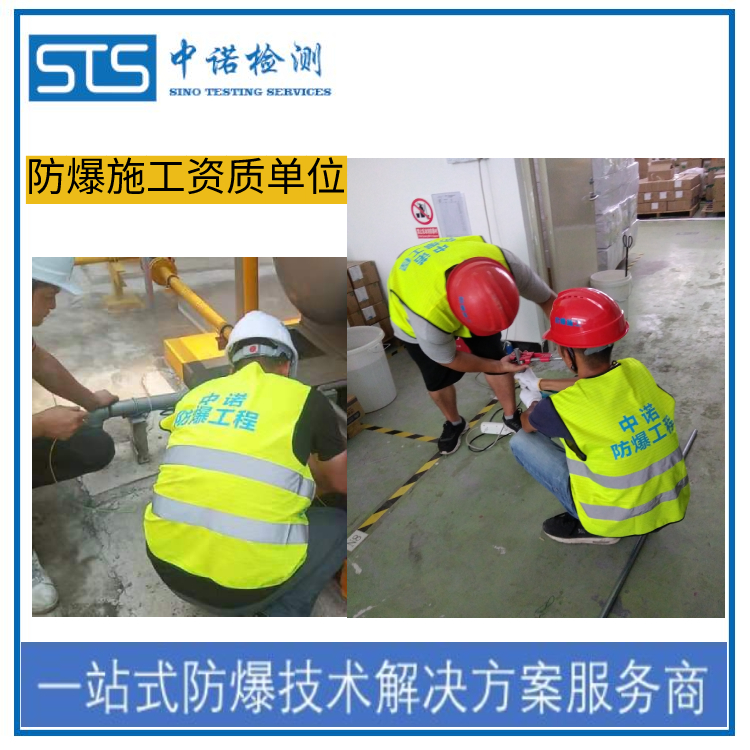
Shenzhen ZhongNuo Inspection & Technology Co., Ltd. is based in South China, offering explosion-proof construction, safety inspections, renovations, project acceptance, and installation services. We are well-versed in explosion-proof construction standards, with experienced teams and a wealth of construction expertise. We've served major enterprises such as PetroChina, LG, Huanlan Environment, BOE, and Sinovac, earning consistent praise and trust from our clients!
Standard for Explosion-proof Construction Acceptance - Shenzhen Zhongnuo Testing Technology Co., Ltd.
G50058 Specification for Design of Electrical Installations in Explosive Hazardous Environments
GBJ54-83 "Code for Design of Low-Voltage Distribution Systems and Lines"
G50016 Building Design Fire Prevention Code
AQ3009 Electrical Explosion-Proof Safety Code for Hazardous Areas
GB/T 3836.1 "Explosive Atmospheres – Part 1: Equipment – General Requirements"
GB/T 3836.15 "Design, Selection, and Installation of Electrical Equipment for Explosive Environments"
GB50257 "Code for Construction and Acceptance of Electrical Installation Engineering in Explosive and Flammable Gas Environment"
14J938 "Explosion-Resistant and Explosion-Relieving Windows, Doors, Roof, and Wall Building Structures"
Basic Safety Electrical Installation Standards (Shared by Shenzhen ZhongNuo Inspection Technology Co., Ltd.)
Explosion-proof electrical installation differs from standard electrical installation due to the increased explosion-proof requirements of its environment. Based on industry standards, an environment where gases, vapors, mist, or dust mix with air under atmospheric conditions and, upon ignition, the flame can spread to all unburned mixtures is termed an explosive environment. An area where a large number or a sufficient quantity of explosive gas or combustible dust is present or expected to be present, necessitating special preventive measures for the structure, installation, and use of electrical equipment, is called a hazardous area. Explosion-proof electrical installation refers to the work of meeting explosion-proof electrical, environmental, and personnel requirements for operation in explosive environments and hazardous areas, emphasizing strength.
Basic knowledge for explosion-proof electrical construction should include the following points:
1. Classification, grouping of explosive substances, and classification, categorization, and delineation of explosive hazard areas.
Explosive gases should be classified based on their Maximum Experimental Safe Gap (MESG) or Minimum Ignition Current Ratio (MICR), and grouped by ignition temperature. Combustible dust is divided into conductive and non-conductive types based on its electrical conductivity, and grouped by its low ignition temperature. Hazardous areas with explosive risks are categorized into gas and dust explosion hazardous areas according to the physical state of the explosive substances. The hazardous areas are divided into three zones (0, 1, and 2) based on the frequency and duration of the presence of explosive gas environments. The hazardous areas are further divided into three zones (20, 21, and 22) based on the frequency and duration of the presence of combustible dust/air mixtures and the thickness of the dust layer.
Section 2: Selection of Explosion-Proof Electrical Equipment for Hazardous Areas.
The selection principle for explosion-proof electrical equipment is safety and reliability, as well as economic rationality. It should be selected based on the grade of the explosion hazard area and the type, grade, and group of the explosive hazardous substances. Refer to the specific selection table in standard AQ3009-2007 for details.
Section 3: Installation of electrical wiring and explosion-proof electrical equipment in hazardous explosive areas.
Installation methods for electrical lines in explosive gas environments can be divided into cable wiring and conduit wiring methods. Electrical lines should be laid in areas with lower explosive hazards or at a greater distance from the source of release, avoiding places prone to mechanical damage, vibration, corrosion, dust accumulation, and those with dangerous temperatures. If avoidance is not possible, preventive measures must be taken. The low-voltage cables or insulated conductors used must have a rated voltage higher than the working voltage of the line, and not less than 500V. Insulated conductors must be installed within conduits. For specifics, please attend training courses on explosion-proof electrical installation, maintenance, and repair.
Four: Inspection and maintenance of explosion-proof electrical equipment in hazardous areas.
To minimize the ignition hazard of electrical equipment in hazardous areas, initial inspections should be conducted before the equipment is put into operation and during the handover acceptance of the project. Continuous supervision and regular inspections should be carried out to ensure the electrical equipment remains in good condition for long-term use in hazardous areas. Initial and regular inspections should be entrusted to safety production testing and inspection institutions with explosion-proof qualifications.
Inspections and maintenance of explosion-proof electrical equipment should be performed by qualified personnel meeting specified criteria. These individuals must undergo business training that includes principles of explosion-proof types, installation practices, relevant regulations and procedures, as well as general principles of hazardous area classification. They should also receive appropriate continuing education or regular training, and possess relevant experience and trained qualifications. Continuous supervision and regular inspections should be conducted. Maintenance requirements should propose reasonable corrective measures and equipment replacement procedures.
Equipment grounding in explosive environments shall comply with the following regulations (Shared by Shenzhen ZhongNuo Inspection Technology Co., Ltd.)
In accordance with the relevant provisions of the current standard "Code for Grounding Design of AC Electrical Installations" GB/T50065, the following parts that do not require grounding should still be grounded in explosive environments:
1) Equipment with normal, non-electrified metal enclosures for交流rated voltages below 1000V and直流rated voltages below 1500V, installed on poor conductive ground surfaces.
2) In dry conditions, equipment with alternating current rated voltage of 127V or less and direct current voltage of 110V or less usually has a non-electrified metal casing.
Equipment installed on grounded metal structures.
(2) In explosive hazard environments, the exposed conductive parts of the equipment should be reliably grounded. All equipment within explosive zones 1, 20, and 21, as well as other equipment in explosive zones 2 and 22, except for lighting fixtures, should use dedicated grounding wires. If these grounding wires are installed in the same protective conduit as the phase wires, they must have insulation equal to that of the phase wires. Lighting fixtures in explosive zones 2 and 22 can use a metal pipeline system with reliable electrical connections as a grounding wire, but not pipes used for conveying substances.
(3) In different directions on the slope of the explosion hazard area, the grounding main should be connected to the grounding body at least twice.
Explosion-proof electrical modifications and on-site explosion-proof construction consulting services for hazardous areas — Shenzhen Zhongnuo Testing Technology Co., Ltd.


