


- AllProduct Category
-
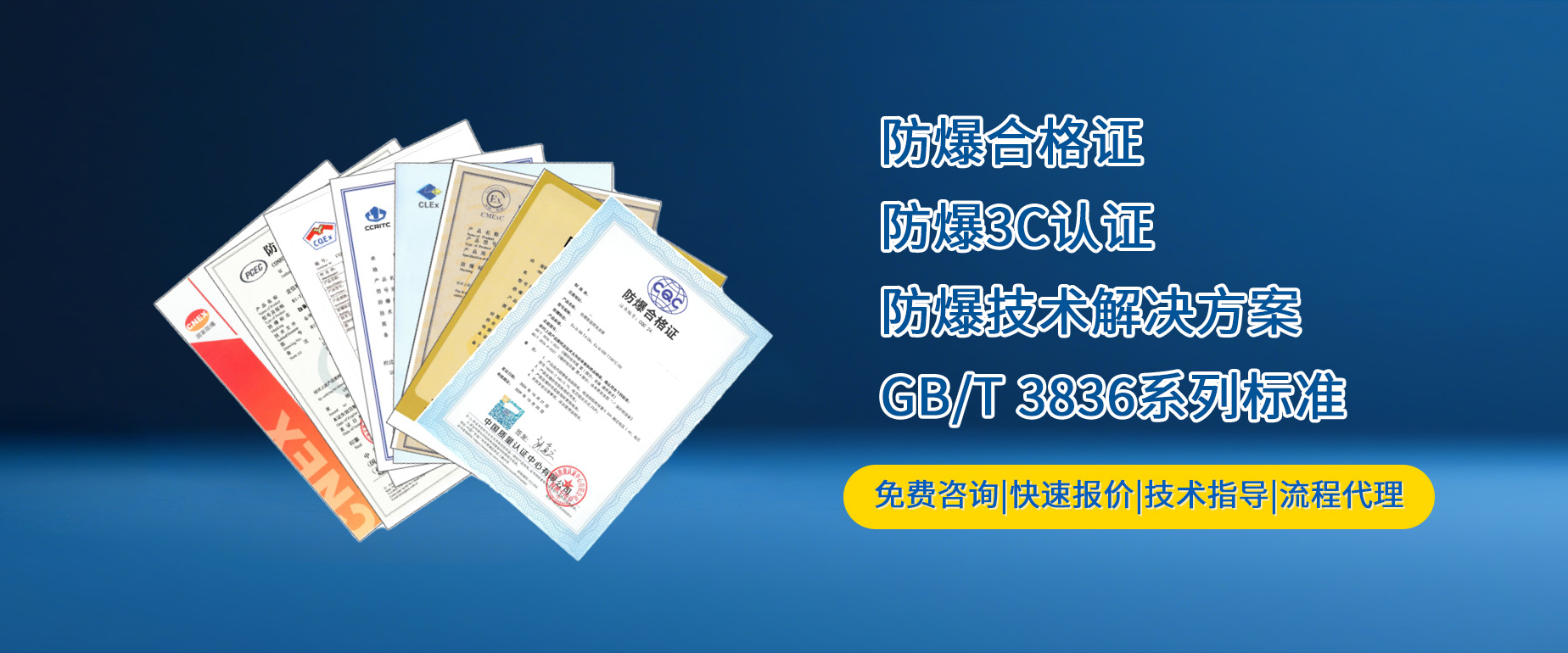
Domestic Explosion-Proof Certification
Explosion-Proof 3C Certification
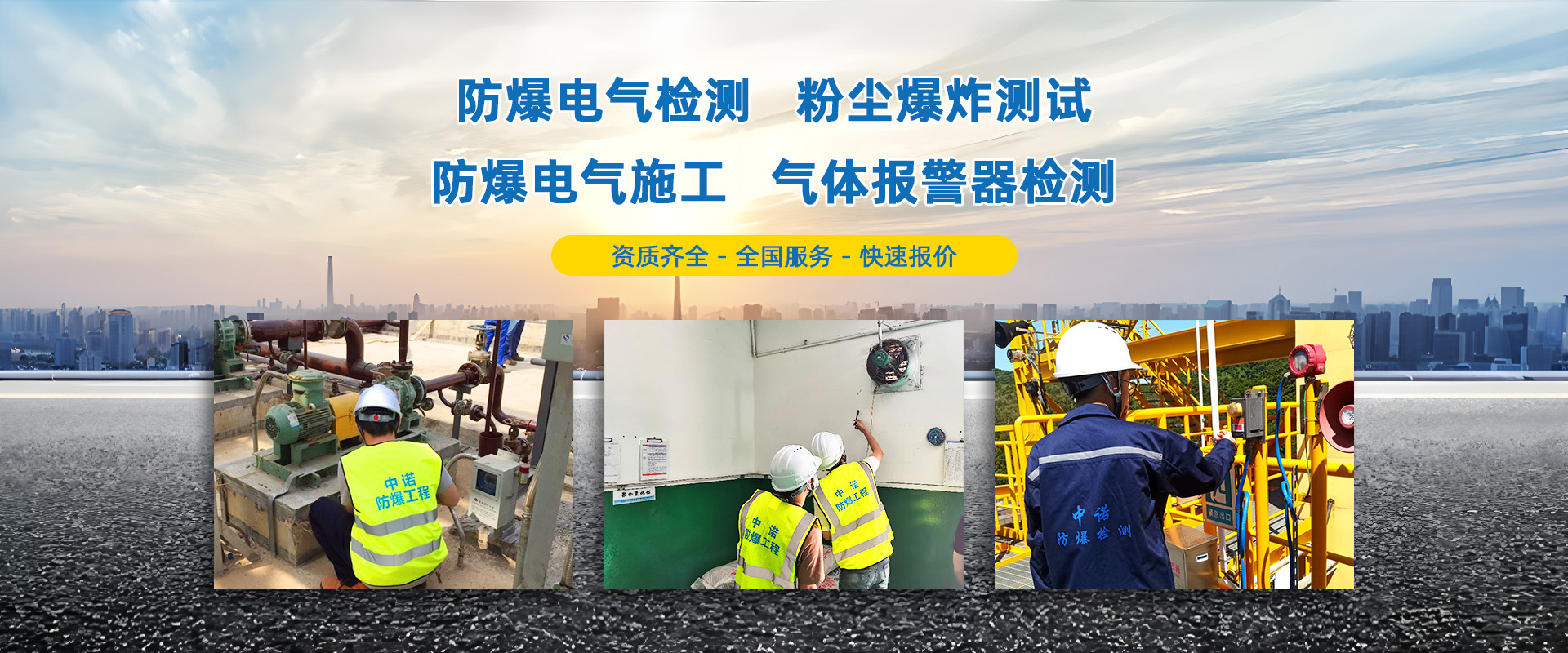
Explosion-proof Electrical Inspection
Coal Mine Safety Certification
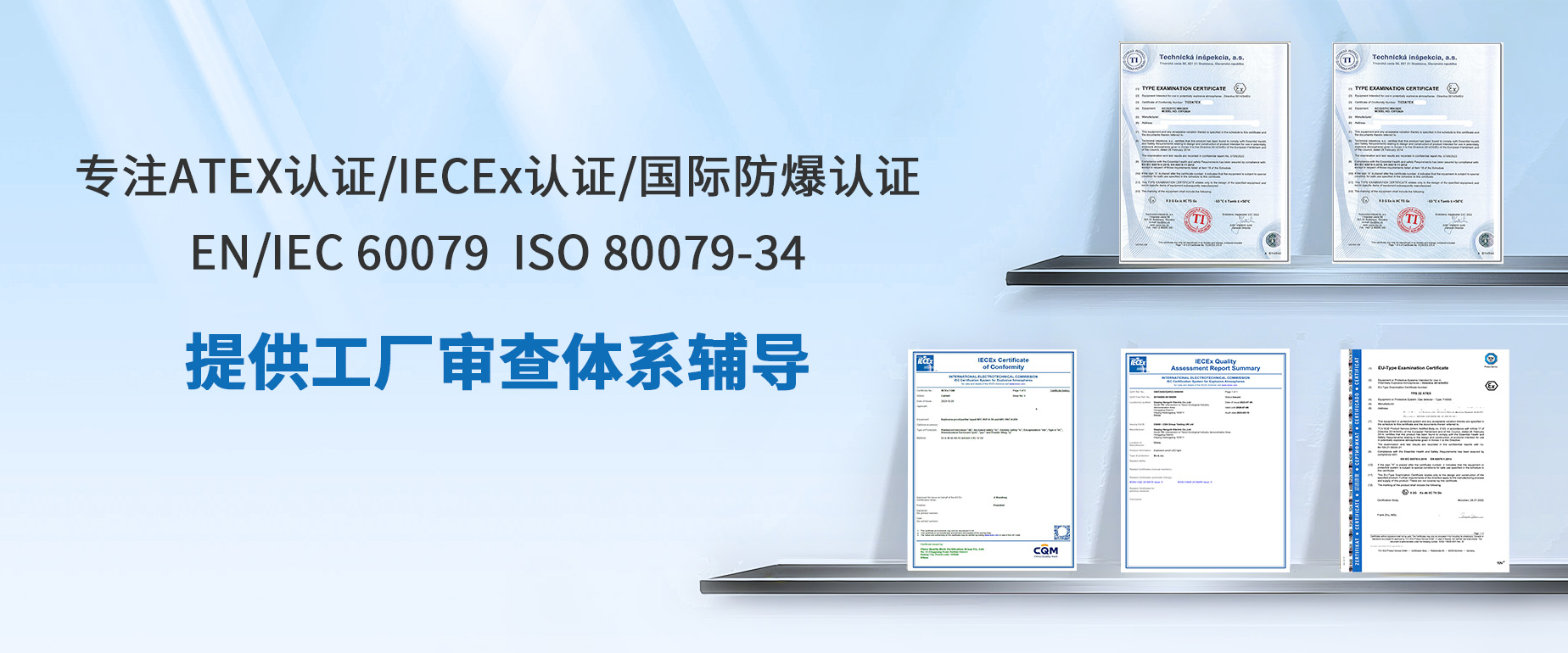
ATEX & IECEx Certification
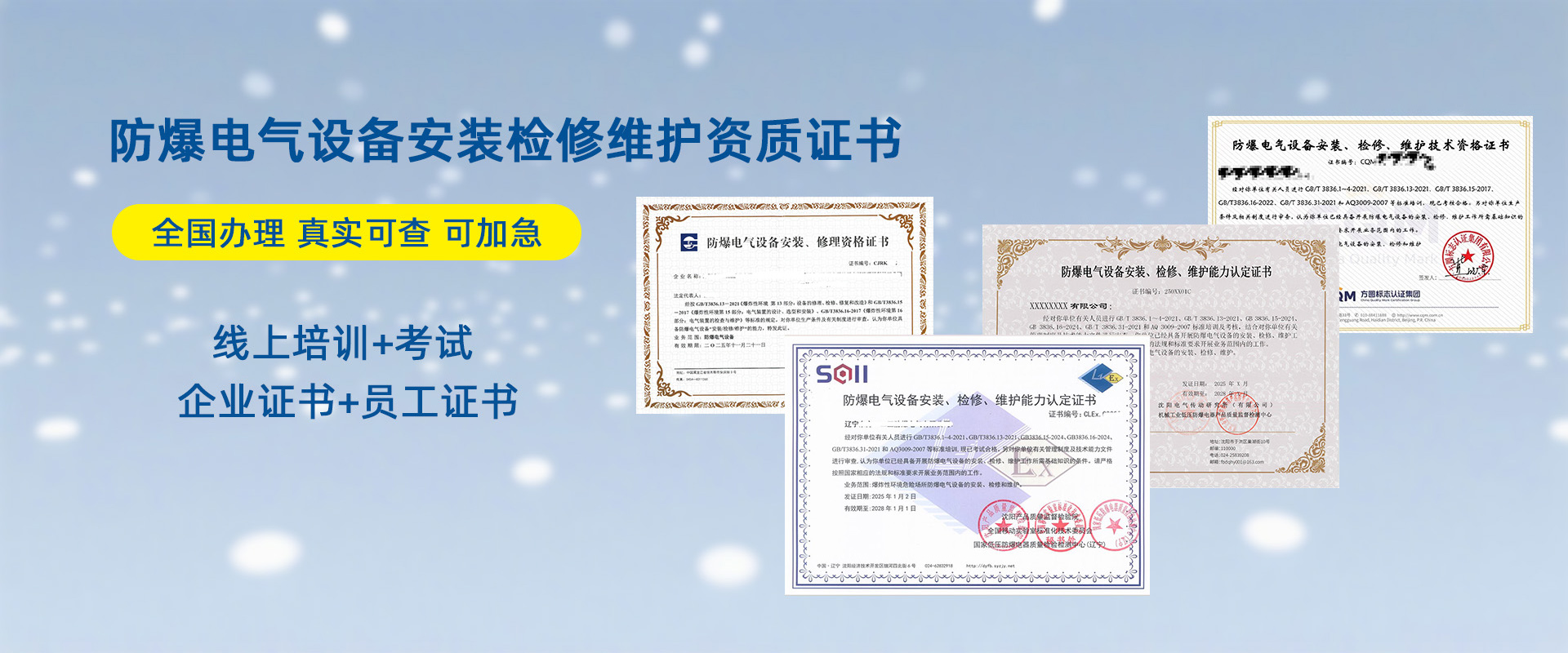
Ex-proof Qualification Certificate
Explosion-proof Construction Renovation


Recommended Products

Xi'an Dust Removal Equipment IECEx Explosion Proof Certification, Shenzhen ZhongNuo Inspection

Flameproof Certificate Application Documents for Communication Equipment - Shenzhen ZhongNuo Inspection, Application Process
Electromagnetic Valve SIL Certification Application Requirements - Shenzhen Zhongnuo Inspection
On-Site Oil Storage Explosion-Proof Electrical Inspection Application Requirements | Online Inquiry | Shenzhen ZhongNuo Inspection
Where to apply for a dust explosion-proof certificate in Hangzhou? Shenzhen Zhongnu Inspection, what are the requirements?
Yangzhou Gas Detector Calibration Services - ZhongNuo Inspection
详情描述
Offer SIL Certification and SIL Grading Consultancy Services - Shenzhen Zhongnuo Testing Technology Co., Ltd.
What is the failure rate for SIL certification?
During the SIL certification process, a concept we often mention is the equipment failure rate, which is a core term in SIL certification. One could say that without determining the failure rate, the SIL certification is incomplete and not comprehensive. So, what exactly is the concept of failure rate?
Firstly, to understand failure rate, we need to grasp what "failure" means. According to GB/T 20438.4 and also the definition in IEC 61508, failure is "the termination of the ability of a functional unit to perform a required function, or the operation of the functional unit in a non-required manner." A more intuitive way to understand this is: normally, y=f(x), but after failure, it becomes y≠f(x), where f() represents the function we pre-set, and y stands for our safety expectations. This also explains why "function" is the same word used for both functions and functions in English.
This statement might be too formal and not easily understood by the general public. So, let's put it in more colloquial terms. Think of it like a lighting system. If the lighting system doesn't light up or doesn't do so as per our set requirements, it's considered to be faulty.
So said, you might know that when a product doesn't function according to our specified requirements, we can say it has failed. Then, what's the probability of this failure? That's the failure rate.
After understanding what failure is, we can begin to classify its types. In the concept of functional safety, failures can be divided into two main categories based on their generation cause: systematic failure and random hardware failure. Among them, random hardware failure is quantifiable. The calculation process of PFDavg is based on a probabilistic analysis of random hardware failure.
In the SIL certification process, we analyze the theoretical product model and utilize sales data from the market to determine the product's failure rate. This information is then integrated with other parts of the SIL certification to form a comprehensive system, ensuring the reliable and safe execution of safety functions.
What are the two main aspects that the SIL certification primarily evaluates?
The product itself, as well as the conformity of the hardware and software functions of the intended certified product, to the requirements of IEC61508 or more detailed industry-specific functional safety standards, such as hardware failure rates and failure modes.
Another key focus of our evaluation is the quality management system employed during the development process, the qualifications of the R&D personnel, and the overall organizational structure, ensuring that the methods used and the document systems adhered to throughout the product development align with relevant standards and requirements.
Through these two aspects of examination, we can say that from the entire company to the research and development process, and finally to the formation of specific certified products, a complete closed loop has been formed, ensuring that the product's safety functions are reliably and safely implemented.
The content of the SIL rating assessment includes:
1. System Evaluation
Risk Analysis, categorized by reference to the risk chart (ASIL/SIL/PL)
Review of standards and safety requirements
Concept and Design Analysis
– Verification and Confirmation
2. Software and Tool Evaluation
– Testing of development tools and other communication protocols
Structural Analysis
3. Hardware Assessment
Probability Analysis
Failure Analysis
4. SIL Certification
Components and Systems SIL Certification
- Safety Process SIL Certification
- Granting of system, semiconductor, development tools, and process testing symbols
5. Additional Services
Risk Applicability and Risk Analysis
- Test and evaluate hardware and software for security during the development process
Conceptual Assessment (Initial Inspection)
Function and Safety Management (FSM)
- Security, reliability, and availability analysis
Compliant with relevant safety standards and qualified assessment
These services are aimed at manufacturers of components, sub-systems, and systems for the automotive industry (including electric vehicles), elevators, power plants, machinery, and process sectors. They support the fulfillment of due diligence obligations and ensure the correct application of the standard, contributing to enhanced safety levels and the reduction of residual risks. Standards IEC61508 and others can be integrated into existing quality management systems in a beneficial manner. The implementation of regulations and provisions within the standards provides a reliable basis for decision-making, particularly regarding safety structures, testing procedures, and tools. Development outputs can be validated at an early stage, while also reducing development time and costs. Additionally, certification enhances the image and elevates the company's competitive position in the market.
The standard for SIL Safety Integrity Level certification primarily includes:
1. IEC61508—Establishes fundamental safety requirements for both conventional system operation and fault prediction capabilities. These requirements encompass general safety management systems, specific product design, and process design that meets safety requirements, aiming to prevent both systematic design failures and random hardware failures.
2. IEC61511 – A functional safety standard specifically for safety instrumented systems in the process industry. It is a sector standard introduced by the International Electrotechnical Commission (IEC) following the foundational functional safety standard IEC61508. In China, the harmonized standard for IEC61511 is GB/T 21109.
3. ISO 13849-1—Comprehensive safety assessment from components to the entire system. Additionally, this standard offers designers more quantifiable methods for design implementation.
4. IEC62061 - Standard in the field of electrical systems.
5. IEC61326-3-2—Additional requirements for electromagnetic immunity levels of safety-related equipment, including low-probability-of-occurrence end conditions at the site.
6. ISO 26262 – Primarily focused on specific electrical components, electronic devices, and programmable electronic devices in the automotive industry, dedicated to the automotive field, aiming to enhance the functional safety of automotive electronics and electrical products.
SIL certification is a third-party assessment, verification, and certification process based on standards such as IEC 61508 (GB/T 20438), IEC 61511 (GB/T 21109), IEC 61513, IEC 13849-1, IEC 62061, and IEC 61800-5-2, which evaluate and confirm the Safety Integrity Level (SIL) or Performance Level (PL) of safety equipment. Functional safety certification primarily involves document management (FSM) assessments for the development process of safety equipment, hardware reliability calculations and evaluations, software evaluations, environmental testing, and EMC electromagnetic compatibility testing. SIL certification is divided into four levels: SIL1, SIL2, SIL3, and SIL4, encompassing both product and system levels, with SIL4 being the most stringent.


