


- AllProduct Category
-
Domestic Explosion-Proof Certification
Explosion-Proof 3C Certification
Explosion-proof Electrical Inspection
Coal Mine Safety Certification
ATEX & IECEx Certification
Ex-proof Qualification Certificate
Explosion-proof Construction Renovation


Recommended Products

Xi'an Dust Removal Equipment IECEx Explosion Proof Certification, Shenzhen ZhongNuo Inspection

Flameproof Certificate Application Documents for Communication Equipment - Shenzhen ZhongNuo Inspection, Application Process
Electromagnetic Valve SIL Certification Application Requirements - Shenzhen Zhongnuo Inspection
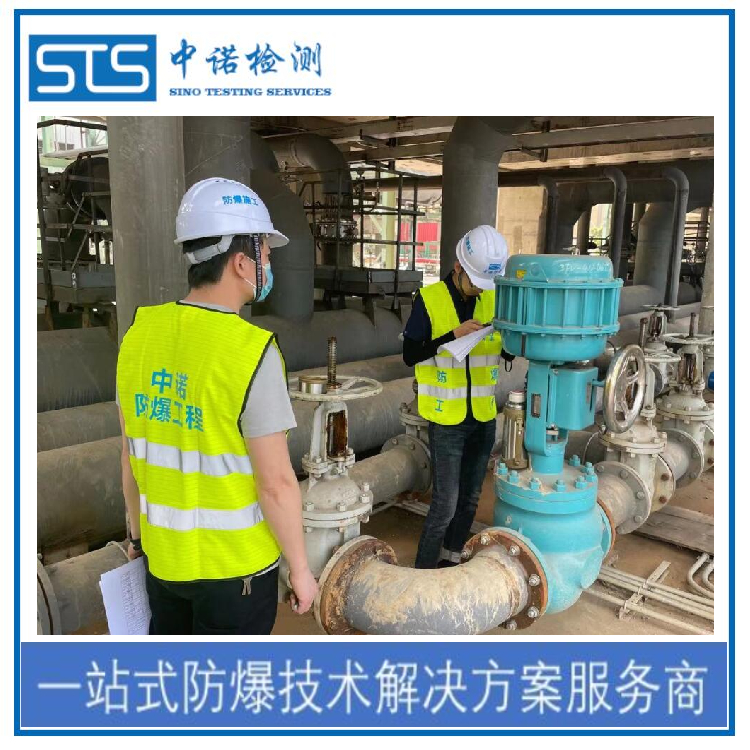
On-Site Oil Storage Explosion-Proof Electrical Inspection Application Requirements | Online Inquiry | Shenzhen ZhongNuo Inspection
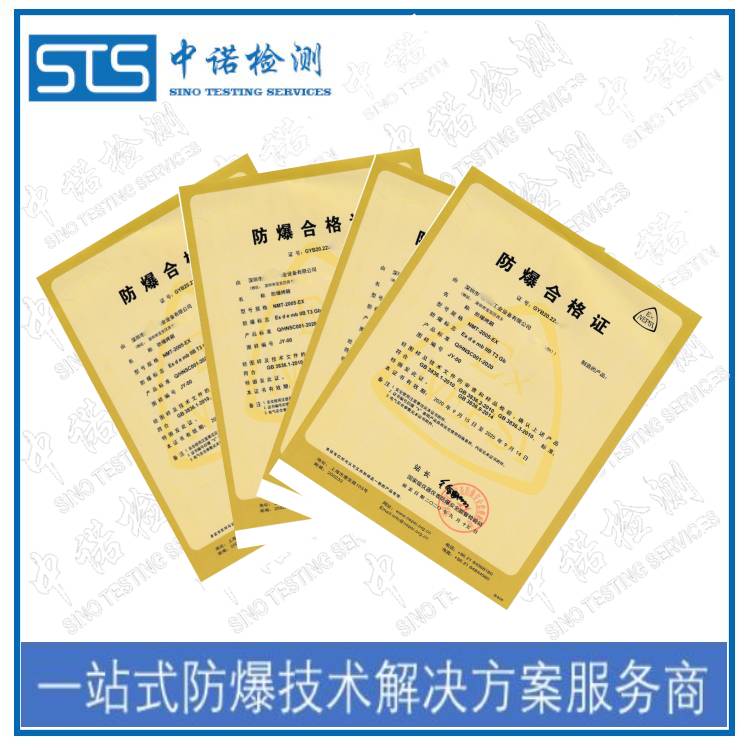
Where to apply for a dust explosion-proof certificate in Hangzhou? Shenzhen Zhongnu Inspection, what are the requirements?
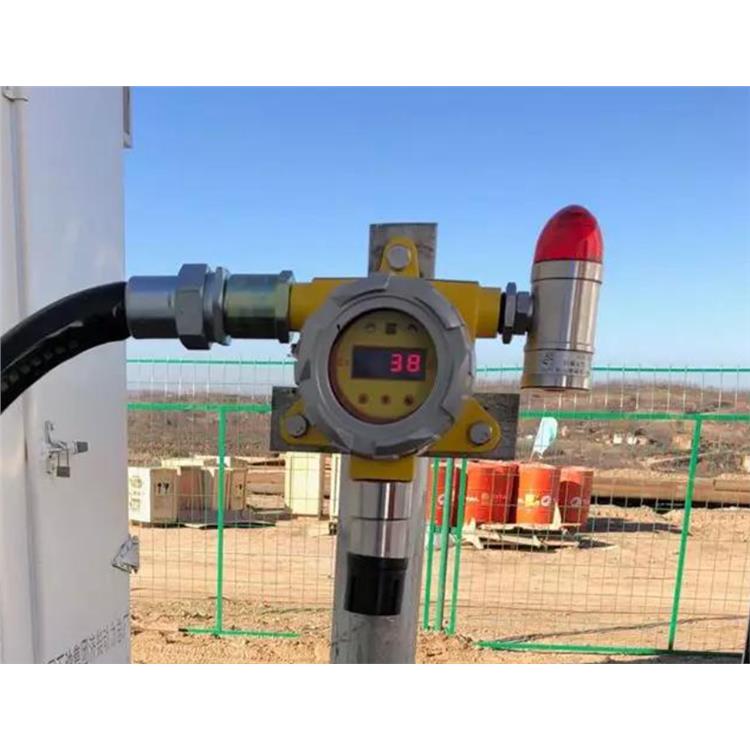
Yangzhou Gas Detector Calibration Services - ZhongNuo Inspection
详情描述
Offer SIL Certification and SIL Grading Consultancy Services - Shenzhen Zhongnuo Testing Technology Co., Ltd.
What are the two main aspects that the SIL certification primarily examines?
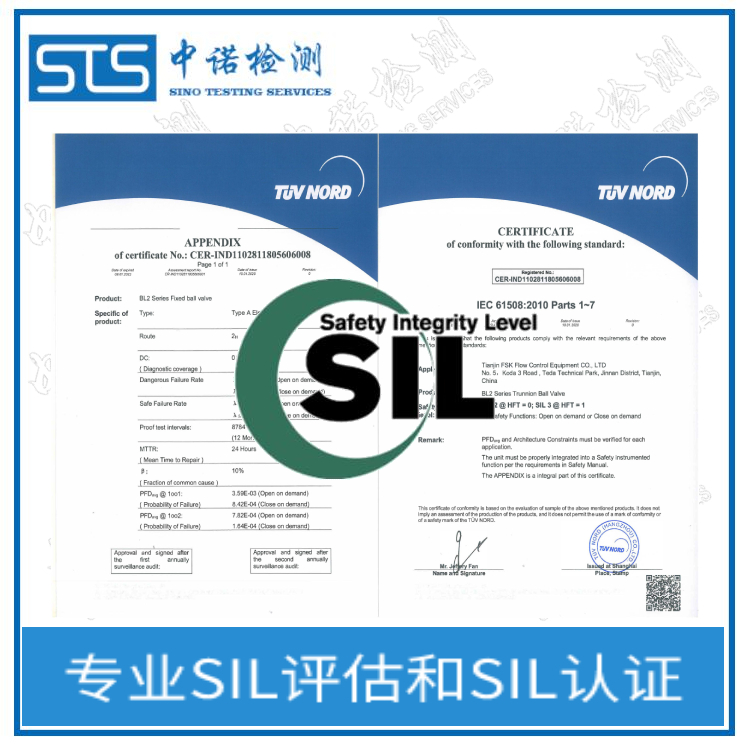
The product itself, as well as the conformity of the hardware and software functions of the intended certified product, to the requirements of IEC61508 or more detailed industry-specific functional safety standards, such as hardware failure rates and failure modes.
Another key focus of our evaluation is the quality management system adopted during the development process, the qualifications of the R&D personnel, and the overall organizational structure, ensuring that the methods used and the document system followed throughout the product development meet the relevant standards and requirements.
Through these two aspects of evaluation, we can say that from the entire company to the research and development process, and finally to the specific certified product, a complete closed loop has been formed, ensuring the product's safety features are reliably and safely realized.
As the public awareness of industrial accidents and their impact on society grows, more and more companies are realizing the importance of safety.
In modern process industry production, due to the complexity of the processes and the multitude of equipment, any failure can have severe consequences for employees, the public, equipment, or the environment.
The SIL certification process is about helping businesses fully leverage their proven engineering practices and safety technologies (IEC61508 and IEC61511) to prevent industrial accidents from recurring. This is because these experiences and technologies are based on a wealth of actual experience and lessons learned.
With the issuance of the IEC 61508 and IEC 61511 series standards, a systematic functional safety assessment and testing process can effectively address this issue.
SIL Functional Safety Certification is applicable to all equipment used for implementing process control safety functions, mainly categorized into electrical components and safety systems.
1. Electrical Components: Actuators, solenoid valves, field sensors, pressure transmitters, temperature transmitters, level transmitters, level switches, programmable controllers, logic solvers, field safety actuators (pneumatic/liquid/pneumatic), safety switches, safety valves, shut-off valves, solenoid valves, and safety interlocks, etc.
2. Safety Systems: SIS (Safety Instrumented System), ESD (Emergency Shutdown System), Instrument Protection System (IPS), Burner Management System (BMS), F&G (Fire and Gas Protection System), HIPPS (High-Pressure Pipeline Protection System), PSD (Process Shutdown System).
3. Other: Electronics/Electrical/Programmable electronic products with safety requirements.
SIL Functional Safety Certification is one of the crucial certifications for modern enterprises. In the modern industrial production, as machinery and instruments increase production efficiency, uncontrollable variables and factors are inevitably present in the process due to complex production processes and the precision of equipment. For example, equipment malfunctions, instrument short-circuits, and system failures can lead to explosions, fires, and toxic gas leaks, which pose severe threats to people's lives, property safety, and the environment, potentially resulting in catastrophic consequences.
How can we minimize or keep this series of disasters and consequences within an acceptable range?
Therefore, the SIL certification has emerged.
In fact, equipment failures occur at various stages of the product lifecycle, just with varying probabilities. SIL certification involves intervening from the outset of product design, implementing manageable control over the entire product lifecycle according to certain standards and mature specifications, thereby reducing the likelihood of failures. This aims to control risks.
SIL certification is a third-party assessment, verification, and certification based on standards such as IEC 61508 (GB/T 20438), IEC 61511 (GB/T 21109), IEC 61513, IEC 13849-1, IEC 62061, and IEC 61800-5-2, which evaluates and confirms the Safety Integrity Level (SIL) or Performance Level (PL) of safety equipment. Functional safety certification primarily involves document management (FSM) assessments for the development process of safety equipment, hardware reliability calculations and evaluations, software assessments, environmental testing, and EMC electromagnetic compatibility testing. SIL certification is divided into four levels: SIL1, SIL2, SIL3, and SIL4, encompassing both product and system levels, with SIL4 being the most stringent.


