






- AllProduct Category
-
Domestic Explosion-Proof Certification
Explosion-Proof 3C Certification
Explosion-proof Electrical Inspection
Coal Mine Safety Certification
ATEX & IECEx Certification
Ex-proof Qualification Certificate
Explosion-proof Construction Renovation


Recommended Products

Xi'an Dust Removal Equipment IECEx Explosion Proof Certification, Shenzhen ZhongNuo Inspection

Flameproof Certificate Application Documents for Communication Equipment - Shenzhen ZhongNuo Inspection, Application Process

Electromagnetic Valve SIL Certification Application Requirements - Shenzhen Zhongnuo Inspection
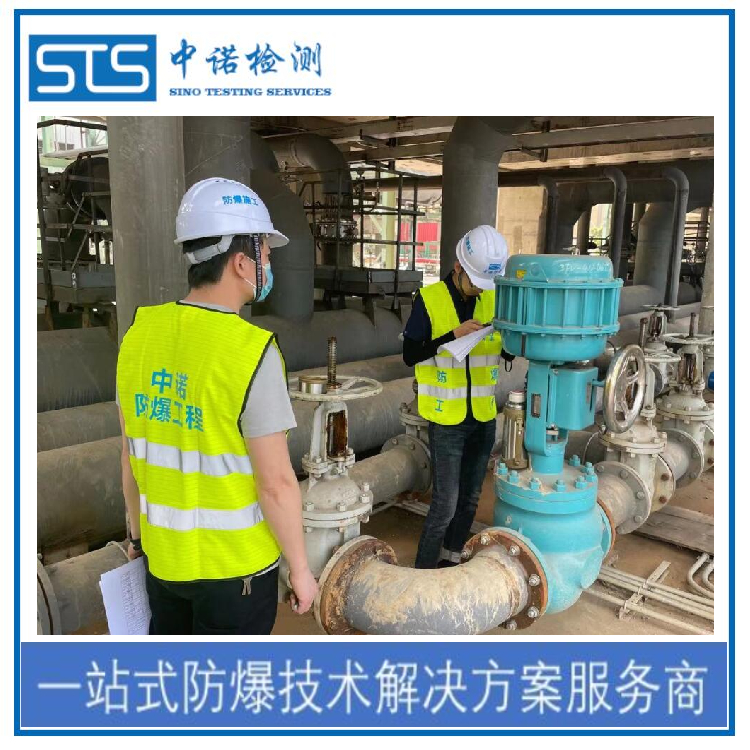
On-Site Oil Storage Explosion-Proof Electrical Inspection Application Requirements | Online Inquiry | Shenzhen ZhongNuo Inspection

Where to apply for a dust explosion-proof certificate in Hangzhou? Shenzhen Zhongnu Inspection, what are the requirements?
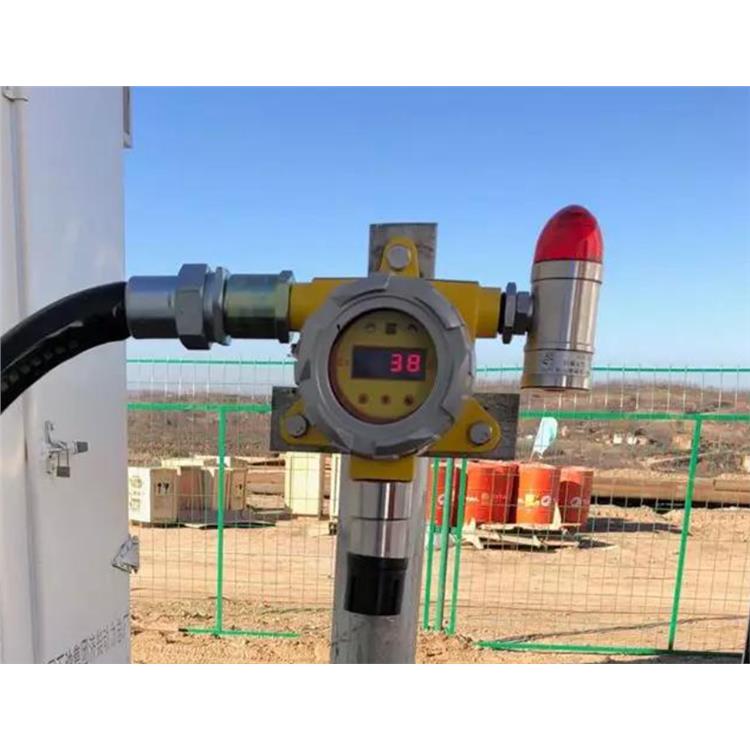
Yangzhou Gas Detector Calibration Services - ZhongNuo Inspection
详情描述
Shenzhen ZhongNuo Testing Technology Co., Ltd. is based in South China, offering on-site explosion-proof construction, safety inspections, renovations, project acceptance, and explosion-proof installation consulting services. We are well-versed in explosion-proof construction standards, with experienced construction teams and a wealth of practical experience. We have served major corporations such as PetroChina, LG, Hanlan Environment, BOE Technology Group, and Sinovac Biotech, receiving consistent praise and trust from our clients!
Basic Knowledge and Requirements for Cable Usage in Explosion-Proof Construction Sites (shared by Shenzhen ZhongNuo Testing Technology Co., Ltd.)
Installation methods for electrical wiring in explosive gas environments can be categorized into cable wiring and conduit wiring methods.
Note: The installation of inherently safe circuits may not be in accordance with the provisions of this article.
7.1 General Provisions
7.2 Electrical wiring should be installed in areas with lower explosion hazards or at a greater distance from the source of release, avoiding locations prone to mechanical damage, vibration, corrosion, dust accumulation, and those with hazardous temperatures. When avoidance is not possible, preventive measures should be taken.
7.3 The selected low-voltage cables or insulated conductors must have a rated voltage higher than the working voltage of the line and not less than 500V. Insulated conductors must be laid within conduits.
7.4 Prohibition of overhead lines at 10kV and below crossing explosive gas environments; the horizontal distance between the overhead lines and the explosive gas environment should not be less than 1.1 times the height of the pole tower.
7.5 Cables and their accessories should be installed in a position that, based on actual conditions, prevents them from being damaged by external mechanical forces, corrosion, or chemical influences (such as the effects of solvents), as well as from the effects of high temperatures (see also 6.1.2.4.4 for this safety circuit). If such conditions cannot be avoided, protective measures should be taken during installation, such as using conduits or selecting appropriate cable types (armored cables, shielded cables, seamless aluminum sheath cables, mineral insulated metal sheath cables, or semi-rigid sheath cables, etc.) to minimize damage.
7.6 Uninsulated single-core wires should not be used for conductive wiring unless they are installed within distribution boards, enclosures, or conduit systems.
Basic Standards for Explosion-Proof Electrical Construction (Shared by Shenzhen ZhongNuo Inspection Technology Co., Ltd.)
Explosion-proof electrical installation differs from standard electrical installation, as it is determined by the increased explosion-proof requirements of its environment. In accordance with industry standards, an explosive environment is defined as one where a mixture of gases, vapors, mist, or dust with air is formed under atmospheric conditions, and when ignited, the flame can spread to the entire unburned mixture. An area where a large number or expected number of explosive gas environments or flammable dust environments is sufficient to necessitate special preventive measures for the structure, installation, and use of electrical equipment is termed a hazardous area. Explosion-proof electrical installation refers to a task that meets the requirements of explosion-proof electrical equipment, conditions, and personnel, involving work in explosive environments and hazardous areas, with strong requirements.
As the world's energy and chemical industries develop, construction in explosive hazardous environments is becoming more widespread, and the prevention and acceptance of explosive environments are increasingly important.
Especially in flammable dust environments, such as plastic factories, feed/food/cereal processing plants, metal polishing workshops, papermaking/forestry wood powder/fiber dust factories, the number of projects involving explosion-proof installations, designs, and renovations is also increasing.
In either large-scale or localized explosion-proofing, if there are hidden dangers in product quality or installation/renovation quality.
Our personal and property safety is at great risk, so we must maintain quality control at every stage, ensuring the reliability and safety of explosion-proof installations and renovations.
Shenzhen ZhongNuo Testing Technology Co., Ltd. offers explosion-proof construction and modification consulting services. With extensive qualifications and case studies, it's a worthwhile choice!
In the design of industrial factory buildings, different production processes have varying requirements for the structures. Production facilities for precision instruments and equipment necessitate constant temperature, humidity, and cleanliness; while workshops with heat or dust require adequate ventilation and dust removal systems. For industrial enterprises such as chemical, pharmaceutical, and petrochemical industries, due to the risk of explosion during production, the design of the factory buildings must not only meet production process requirements but also carefully consider explosion prevention measures. In the event of an explosion, efforts should be made to minimize the loss of life and property. Shenzhen Zhongnuo Testing Technology Co., Ltd. shares its views on the design of buildings for explosive areas and electrical systems, for your reference only.
Basic explosion-proof technical measures in factory building design
(1) For factories (such as factories) with explosive hazards throughout the entire industrial area, the overall planning and design should consider factors like the production processes, types of products, production characteristics, and degree of danger of hazardous materials within the buildings. After determining the hazard level of the buildings, zoning planning should be conducted. The distance between buildings within the hazardous material production area and surrounding villages, highways, railways, towns, and the factory's living facilities should be calculated based on the hazard level of the buildings and the amount of stored chemicals, and the larger value should be taken in accordance with the specifications. When the required distances cannot be met due to factory land restrictions, protective barriers should be installed, such as protective embankments or reinforced concrete walls. Protective barriers must be set for Grade A buildings. Adapted to the actual conditions and terrain, the layout should make the best use of the topography for optimal arrangement.
(2) For factory buildings and workshops within general industrial areas that produce and use products, they should be preferably located in the same area. The distance between them and general factory buildings or workshops must meet safety distance requirements to facilitate the unified handling of firewalls and other explosion-proof structural elements.
(3) Workshops with explosive hazards should be located in single-story buildings. If multi-story buildings are required due to process needs, they should be placed on the upper floor.
(4) When a local explosion-proof room is set up within general factory buildings or workshops, it should be located as close to the exterior wall as possible. Use specially designed windows that are easy to open outward, which facilitates pressure relief and fire extinguishing.
(5) Within the factory, workshops with high and low risks should be separated by solid fire-resistant walls (brick or reinforced concrete walls). It is advisable to open doors on the exterior walls to facilitate communication between workshops using corridors or balconies; or create a double-door vestibule on the fire-resistant wall, trying to stagger the doors as much as possible. Use the vestibule to mitigate the force of the explosion shock wave and reduce the impact range of the explosion.
(6) For equipment prone to explosion, it should be placed as close to the exterior wall or near the windows as possible, or outdoors, to minimize its destructive force.
(7) Production and storage of hazardous materials of different nature should be separated, such as those that must be kept apart from oxygen.
(8) Do not locate the hazardous explosive areas in basements or semi-basements due to poor ventilation, which can cause significant impact in case of an accident and hinder evacuation and rescue efforts.
Explosion-proof electrical modification for hazardous areas and on-site explosion-proof construction consulting services - Shenzhen Zhongnuo Testing Technology Co., Ltd.


