


- AllProduct Category
-
Domestic Explosion-Proof Certification
Explosion-Proof 3C Certification
Explosion-proof Electrical Inspection
Coal Mine Safety Certification
ATEX & IECEx Certification
Ex-proof Qualification Certificate
Explosion-proof Construction Renovation


Recommended Products

Xi'an Dust Removal Equipment IECEx Explosion Proof Certification, Shenzhen ZhongNuo Inspection

Flameproof Certificate Application Documents for Communication Equipment - Shenzhen ZhongNuo Inspection, Application Process
Electromagnetic Valve SIL Certification Application Requirements - Shenzhen Zhongnuo Inspection
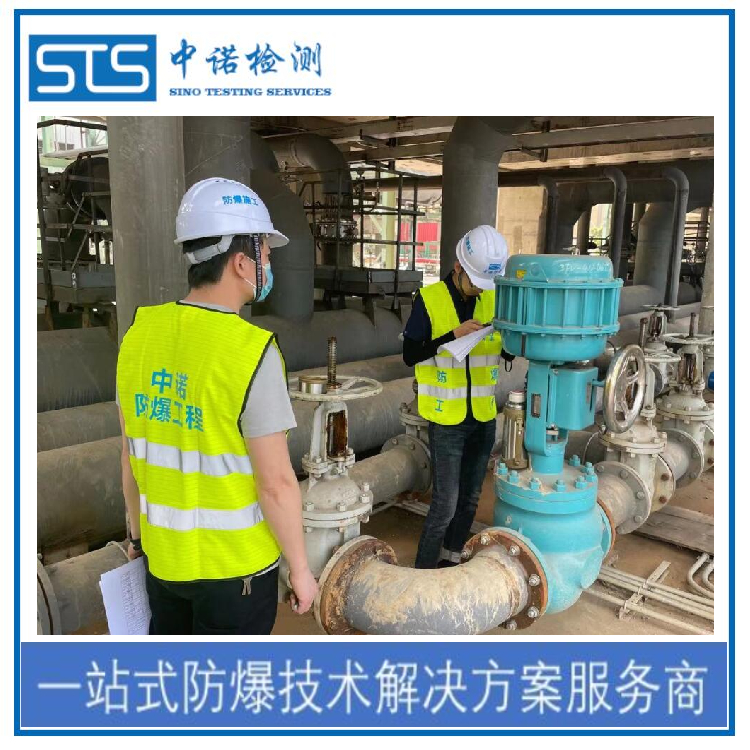
On-Site Oil Storage Explosion-Proof Electrical Inspection Application Requirements | Online Inquiry | Shenzhen ZhongNuo Inspection
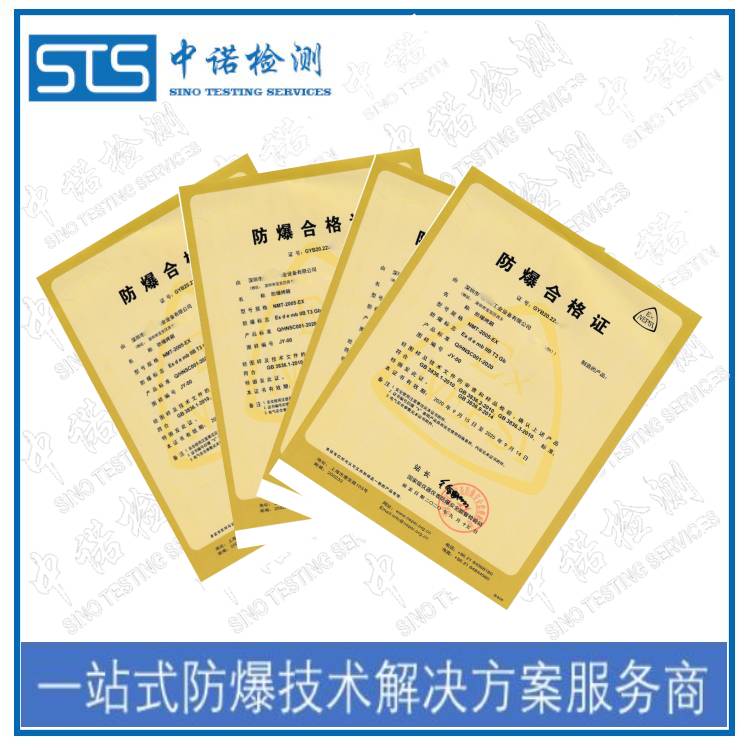
Where to apply for a dust explosion-proof certificate in Hangzhou? Shenzhen Zhongnu Inspection, what are the requirements?
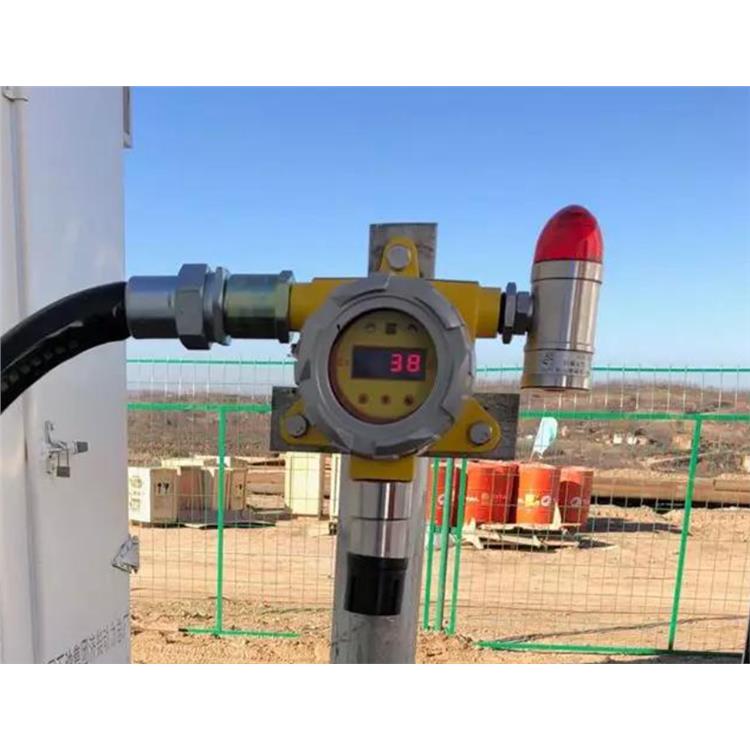
Yangzhou Gas Detector Calibration Services - ZhongNuo Inspection
详情描述
Offer SIL Certification and SIL Rating consulting services - Shenzhen ZhongNuo Testing Technology Co., Ltd.
SIL Certification Level Pre-Assessment Submission Document List
Product User Manual
2. Product Safety Feature Checklist
3. Product Safety Manual
4. Failure Mode and Effects Analysis (FMEDA) Excel File
5. Quality Management System Certificate (ISO9001)
6. Product Photos (including front and side views of representative models)
7. Product Design Documents (drawings, material reports, calculation sheets, etc.)
8. Additional Information
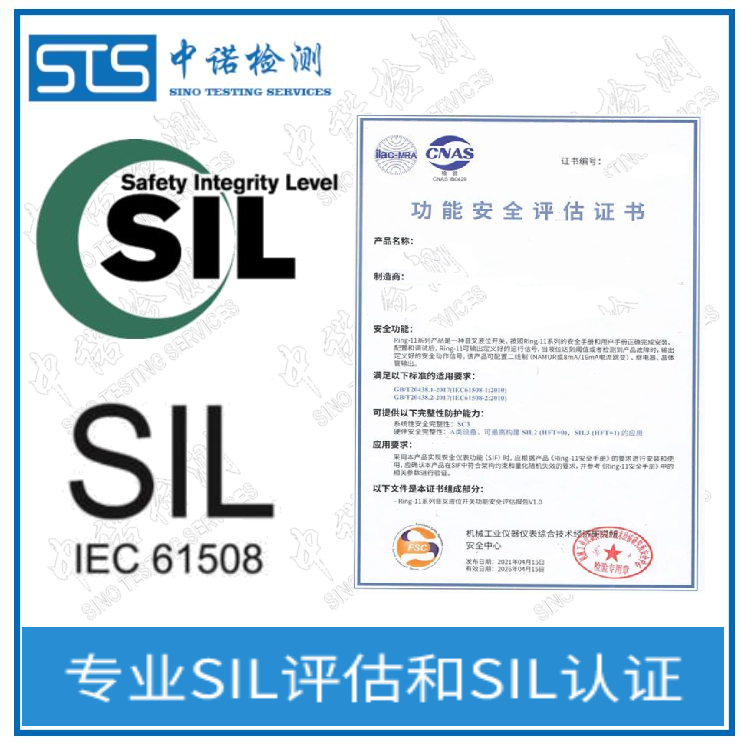
SIL certification, also known as Functional Safety Certification, focuses on the safety functions of the product. Obtaining SIL certification is to verify whether these safety functions can be reliably and safely implemented.
For instance, with a lighting fixture, we are concerned with its lighting function and whether its light intensity can reliably and safely meet our requirements.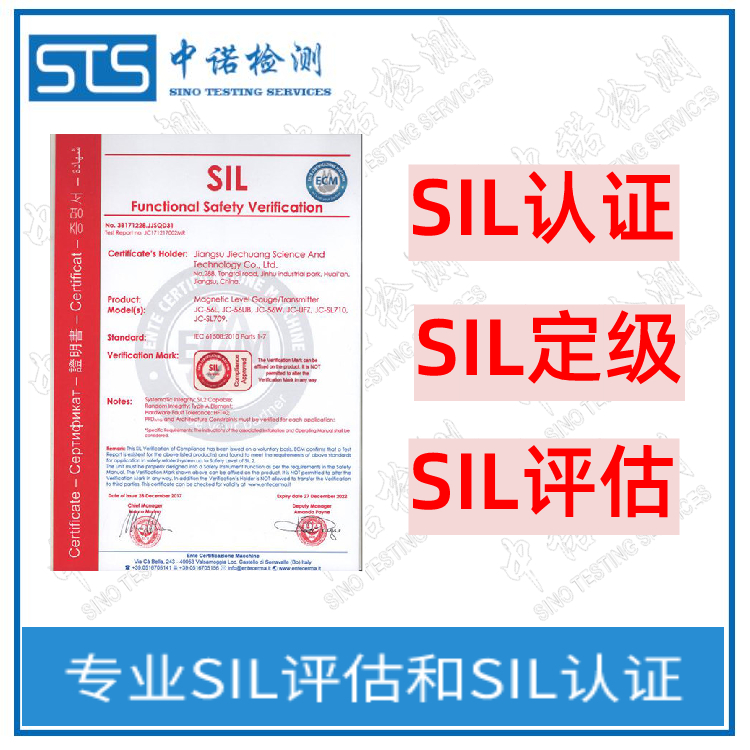
What are the two main aspects that the SIL certification primarily examines?
The conformity of the product itself, as well as the hardware and software functionalities of the product to be certified, to the requirements of IEC61508 or more detailed industry-specific functional safety standards, such as hardware failure rates and failure modes.
Another key focus of our assessment is the quality management system employed during the development process, the qualifications of the R&D personnel, as well as the overall organizational structure, to ensure that the methods used and the document system adhered to throughout the product development meet relevant standards.
Through these two aspects of examination, we can state that from the entire company to the research and development process, and finally to the formation of specific certified products, a complete closed loop has been formed, ensuring that the product's safety features are reliably and safely implemented.
The SIL Functional Safety Certification is one of the crucial certifications for modern enterprises. In the modern industrial production that relies heavily on mechanization, while instruments and machinery enhance production efficiency, the complexity of production processes and the precision of equipment often lead to uncontrollable variables and factors during the mechanized production process. For instance, equipment malfunctions, instrument short circuits, and system failures can cause explosions, fires, and toxic gas leaks, posing severe threats to people's safety, property, and the environment, sometimes resulting in catastrophic consequences.
How can we minimize or keep this series of disasters and consequences within an acceptable range?
Therefore, the SIL certification came into existence.
In fact, equipment failures occur at various stages of the product lifecycle, with varying probabilities. SIL certification involves intervening at the outset of product design, implementing manageable control over the entire product lifecycle according to specific standards and mature regulations, thereby reducing the likelihood of failures. This ultimately aims to control risks.
SIL certification is a third-party assessment, verification, and certification based on standards such as IEC 61508 (GB/T 20438), IEC 61511 (GB/T 21109), IEC 61513, IEC 13849-1, IEC 62061, and IEC 61800-5-2, which evaluate and confirm the Safety Integrity Level (SIL) or Performance Level (PL) of safety equipment. Functional safety certification primarily involves document management (FSM) assessments for the development process of safety equipment, hardware reliability calculations and evaluations, software assessments, environmental testing, and EMC electromagnetic compatibility testing. SIL certification is divided into four levels: SIL1, SIL2, SIL3, and SIL4, encompassing both product and system levels, with SIL4 being the most stringent.


