





- AllProduct Category
-
Domestic Explosion-Proof Certification
Explosion-Proof 3C Certification
Explosion-proof Electrical Inspection
Coal Mine Safety Certification
ATEX & IECEx Certification
Ex-proof Qualification Certificate
Explosion-proof Construction Renovation


Recommended Products

Xi'an Dust Removal Equipment IECEx Explosion Proof Certification, Shenzhen ZhongNuo Inspection

Flameproof Certificate Application Documents for Communication Equipment - Shenzhen ZhongNuo Inspection, Application Process
Electromagnetic Valve SIL Certification Application Requirements - Shenzhen Zhongnuo Inspection
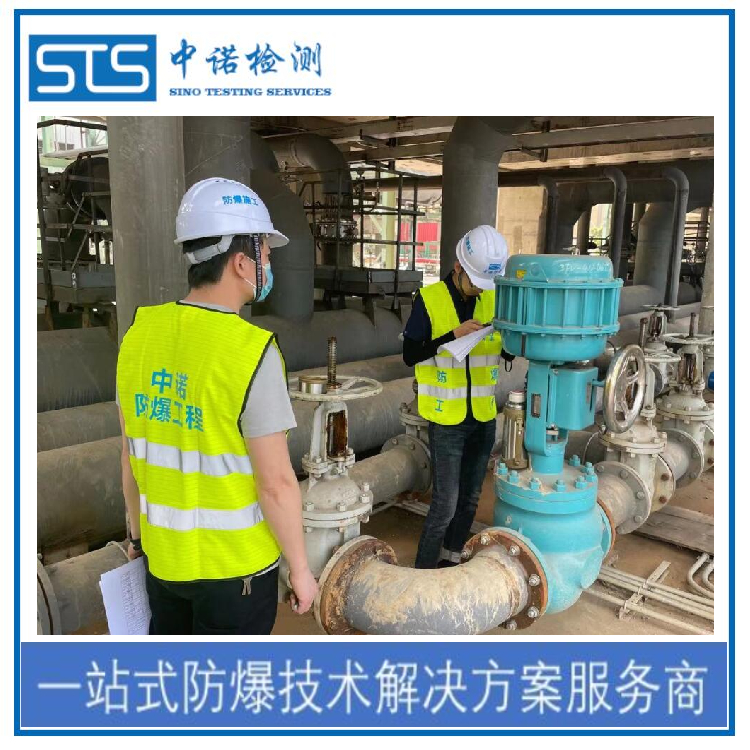
On-Site Oil Storage Explosion-Proof Electrical Inspection Application Requirements | Online Inquiry | Shenzhen ZhongNuo Inspection
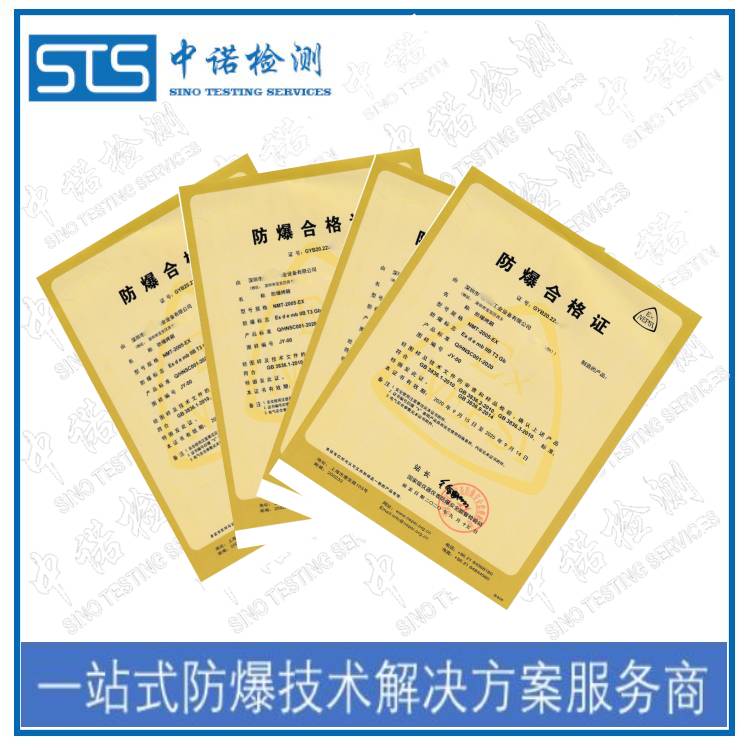
Where to apply for a dust explosion-proof certificate in Hangzhou? Shenzhen Zhongnu Inspection, what are the requirements?
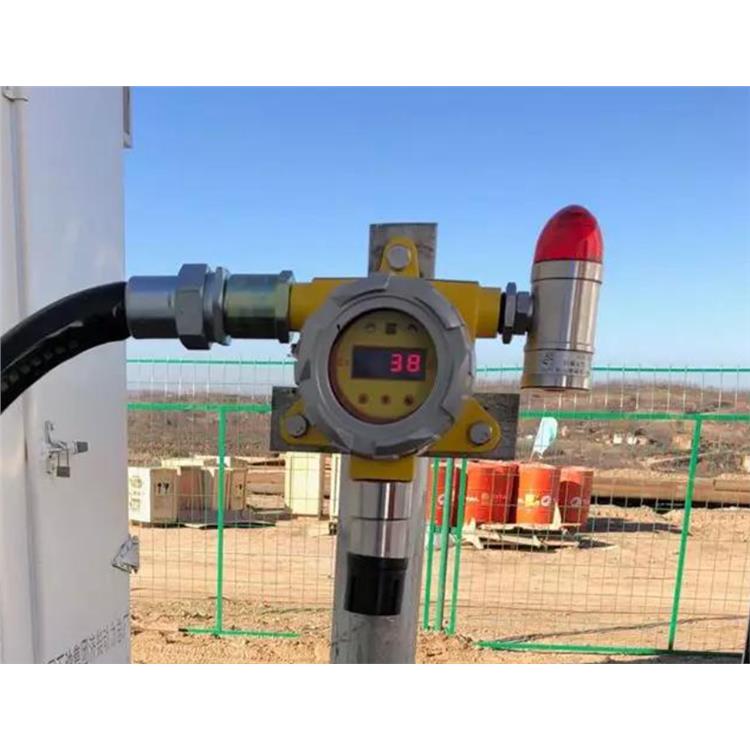
Yangzhou Gas Detector Calibration Services - ZhongNuo Inspection
详情描述
Shenzhen ZhongNuo Testing Technology Co., Ltd. is based in South China, offering explosion-proof construction, safety inspections, renovations, project acceptance, and installation services. We are well-versed in explosion-proof construction standards, boasting experienced construction teams and a wealth of practical experience. We have served major corporations such as PetroChina, LG, Huanlan Environment, BOE Technology Group, and Sinovac Biotech, receiving consistent praise and trust from our clients!
Equipment grounding in explosive environments shall comply with the following regulations (shared by Shenzhen ZhongNuo Testing Technology Co., Ltd.)
According to the relevant provisions of the current standard "Code for Design of Grounding for Electrical Installations," GB/T50065, the following parts that do not require grounding should still be grounded in explosive environments:
1) Equipment with a normal non-electrified metal housing, where the alternating current rated voltage is below 1000V and the direct current rated voltage is below 1500V, on poor conductive ground surfaces.
2) In dry conditions, equipment with alternating voltage ratings of 127V or less and direct voltage ratings of 110V or less typically have non-electrified metal casings.
3) Equipment installed on a grounded metal structure.
(2) In explosive hazardous environments, the exposed, conductive parts of the equipment should be reliably grounded. All equipment within explosive zones 1, 20, and 21, as well as other equipment in zones 2 and 22 except for lighting fixtures, should use dedicated grounding wires. If the grounding wire is installed in the same protective conduit as the phase wire, it must have insulation equal to that of the phase wire. Lighting fixtures within explosive zones 2 and 22 can utilize a metal piping system with reliable electrical connections as a grounding wire, but not the piping used for conveying substances.
(3) In different directions of the slope in the explosive hazard area, the grounding main should be connected to the grounding body at least twice.
Shenzhen ZhongNuo Testing Technology Co., Ltd. offers explosion-proof construction service in the field of:
Explosive gas environments and hazardous areas with explosive or flammable dust exist in various industries and fields, including petrochemicals, metal smelting, fine chemicals, petrochemical ground facilities (gas stations, filling stations, petrochemical storage and transportation), new energy, special equipment, nuclear power, tunnels, grain processing, wood processing, metal component manufacturing, environmental protection engineering, and more. Ensuring explosion-proof safety in these dangerous areas safeguards our and the national economy's development.
In recent years, with the continuous development of society and the frequent occurrence of safety accidents, people's awareness of safety production has been increasing, and the management of hazards in dangerous environments is urgent.
In various industrial sectors in our country, such as oil, chemicals, ports, coal, and others, during the production, processing, transportation, and storage processes, there is often a risk of leaks or spills of flammable and explosive gases, liquids, dust, and fibers. When these substances mix with air, they can form explosive mixtures. If the concentration of the mixture reaches the explosive range, any ignition source can trigger an explosion and severe fires, potentially leading to catastrophic chain reactions. Therefore, equipment used in such hazardous environments must be certified with explosion-proof capabilities. The use of all explosion-proof environment equipment requires installation and commissioning by experienced engineering companies, strictly adhering to the specifications and acceptance standards for explosion-proof construction. Only then can the safety requirements of each stage in the production process be maximally ensured.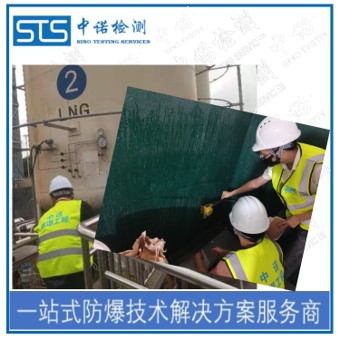
In the design of industrial factory buildings, different production processes have varying requirements for the structures. Production facilities for precision instruments and equipment necessitate constant temperature, humidity, and cleanliness; while certain hot workshops and dust-laden areas demand adequate ventilation and dust removal systems. For industrial enterprises in the chemical, pharmaceutical, and petrochemical sectors, due to the risk of explosion during production, the design of the factory buildings must carefully consider explosion prevention measures in addition to meeting production process requirements. In the event of an explosion, efforts should be made to minimize the loss of life and property. Shenzhen Zhongnuo Testing Technology Co., Ltd. shares its views on the design of buildings for explosive areas and electrical wiring systems, for your reference only.
Basic technical measures for explosion-proof in factory building design
(1) For factories (such as manufacturing plants) where the entire facility is subject to explosive hazards, the overall planning and design should consider factors like the production processes, product types, production characteristics, and degree of danger of hazardous materials. After determining the hazard level of the buildings, zoning planning should be conducted. The distance between buildings in the hazardous material production area and surrounding villages, highways, railways, towns, and the factory's living facilities should be calculated based on the building's hazard level and the amount of stored hazardous materials, and the larger value should be taken according to regulatory requirements. When the required distances cannot be met due to factory site limitations, protective barriers must be established, such as using protective embankments or reinforced concrete walls. Protective barriers are mandatory for Class A buildings. The layout should be tailored to the specific conditions and fully utilize the terrain and地貌 to achieve the most reasonable arrangement.
(2) For buildings and workshops within general industrial zones that produce and utilize products, they should be arranged as centrally as possible within the same area. The distance between these buildings and workshops should meet the safety requirements to ensure adequate spacing. This facilitates the unified treatment of fire-resistant and explosion-proof structural elements such as firewalls.
(3) Workshops with explosive hazards should be located in single-story buildings. If the building is multi-story due to process requirements, they should be placed on the upper floor.
(4) When a locally explosion-proof room is set up within general factory buildings or workshops, it should be as close to the exterior wall as possible. Install specially designed windows that are easy to open outward. This facilitates the resolution of pressure relief area and makes extinguishing fires easier.
(5) In the factory, workshops with high and low hazards should be separated by solid fire-resistant walls (brick or reinforced concrete walls). It is advisable to open doors on the exterior walls for inter-workshop communication using corridors or balconies; or install double-door vestibules on the fire-resistant walls, trying to stagger the doors as much as possible. Use the vestibules to mitigate the force of the explosion shock wave and reduce the impact area of the explosion.
(6) For equipment prone to explosion, it should be placed as close to the exterior wall or windows as possible, or outdoors, to minimize its destructive force.
(7) Production and storage of hazardous materials of different natures should be separated, such as those requiring separation from oxygen.
(8) Do not locate areas with explosive hazards in basements or semi-basements due to poor ventilation, which can cause significant impact during accidents and is not conducive to evacuation and rescue operations.
Explosion-proof electrical modifications and on-site explosion-proof construction consulting services for hazardous areas — Shenzhen Zhongnuo Inspection Technology Co., Ltd.


