
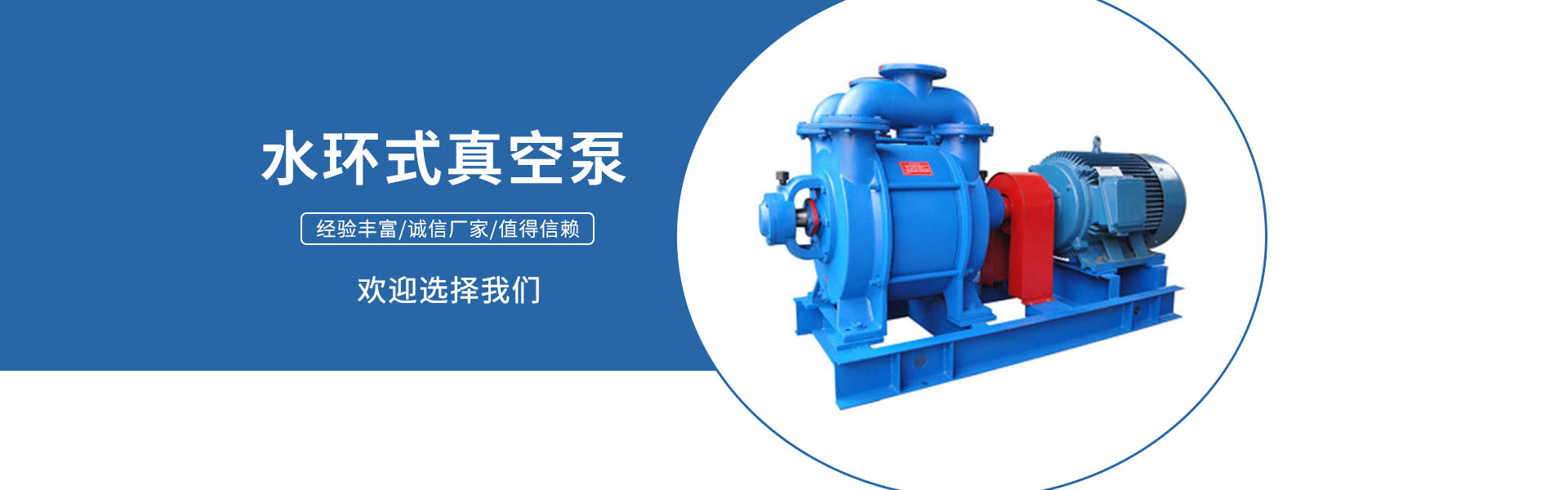
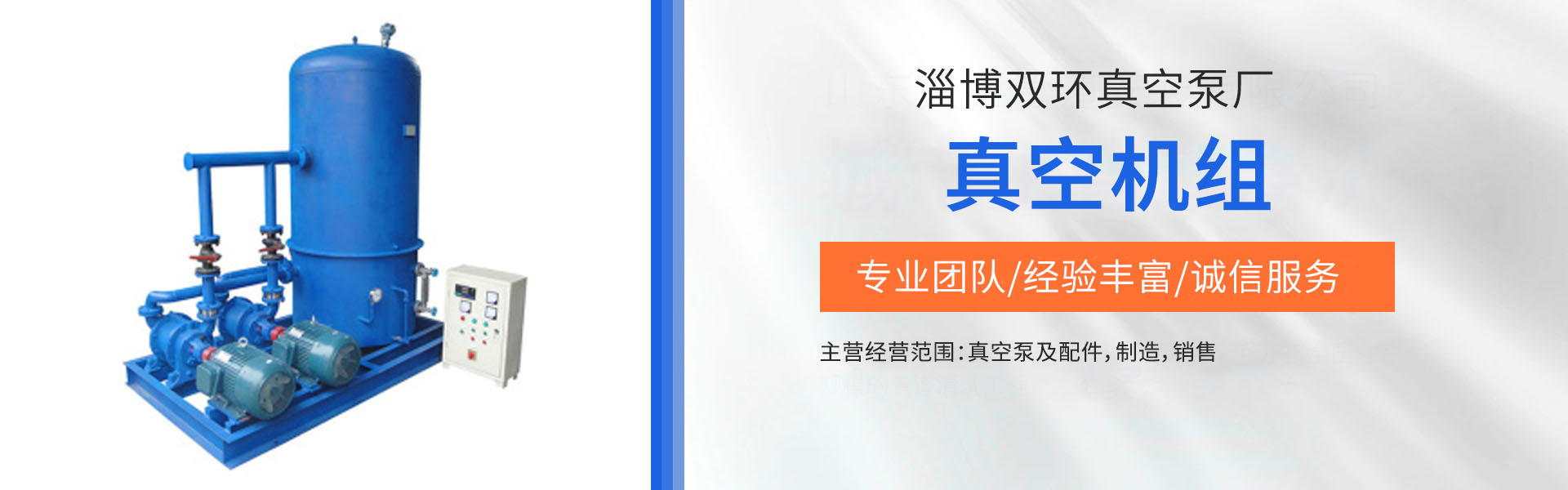


In practical use, the main issues with water ring vacuum pumps include insufficient vacuum levels, failure to start or excessive startup noise, overheating of the motor, and insufficient flow rate.
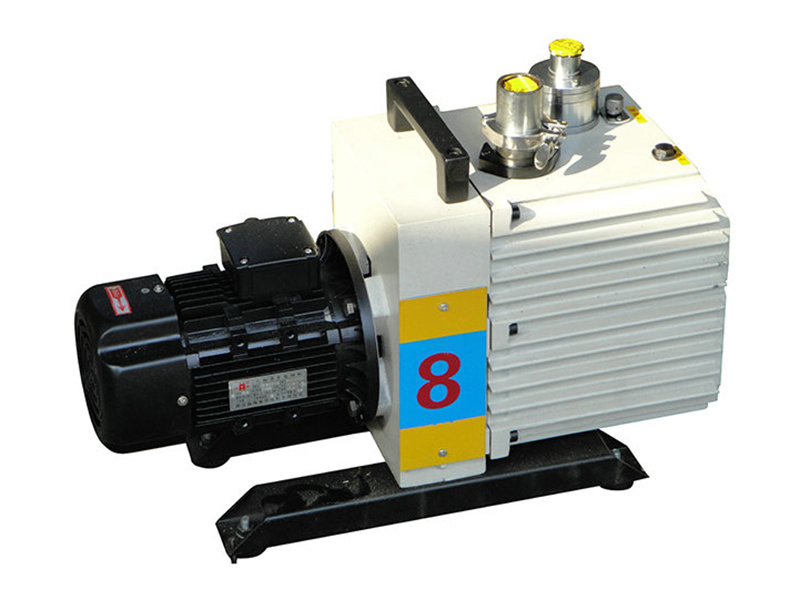
In actual operation, the main faults of water ring vacuum pumps include insufficient vacuum pump degree, failure to start or loud startup noise, motor overheating, insufficient flow, and other issues. Below, we provide repair methods for these faults; we hope everyone reads them carefully.
1. Insufficient vacuum pump capacity
Possible Causes: Insufficient motor power resulting in inadequate speed; inadequate water supply; excessive gap between the impeller and distribution plate; mechanical seal damage causing leakage and air escape; excessive impeller wear; circulation water cannot be discharged.
Exclusion Methods: Check if the supply voltage is within the motor's rated voltage range; increase the water supply (keep it within the correct range to avoid motor overload and overheating); adjust the gap between the impeller and the distribution plate (usually between 0.15-0.20mm); replace the mechanical seal; replace the impeller; inspect the pipeline at the outlet.
2. Unable to start or excessive noise upon startup
Possible Causes: Insufficient motor supply voltage; motor running with a missing phase; pump rust due to long-term disuse; foreign objects inside the pump; impeller dragging the distribution plate.
Exclusion Methods: Check if the supply voltage is too low; inspect if all motor connections are secure; if the pump has been unused for a long time and rust has formed, apply some rust remover or manually remove the rust by opening the pump cover; open the pump cover to remove debris; adjust the distance between the impeller and the distribution plate.
3. Motor overheating
Possible Causes: Excessive water supply leading to motor overload; motor phase loss; exhaust port blockage; impeller dragging other components.
Exclusion Methods: Reduce the water supply to the normal range (refer to the pump's manual for the recommended fluid volume); check if the wiring is secure; inspect the exhaust port; open the pump cover to adjust the gap between the impeller and other components.
4. Insufficient Traffic
Possible Causes: Pipeline leakage of gas or liquid; increased resistance loss.
Exclusion Methods: Inspect mechanical seals at connection points; check for any malfunctions in pipelines and check valves.
Here are the common malfunctions and repair methods for the daily use of water ring vacuum pumps. If you encounter any of the above issues during normal operation, you can resolve them using the aforementioned methods. If you are not familiar with the process, it's best to seek professional repair services.
