

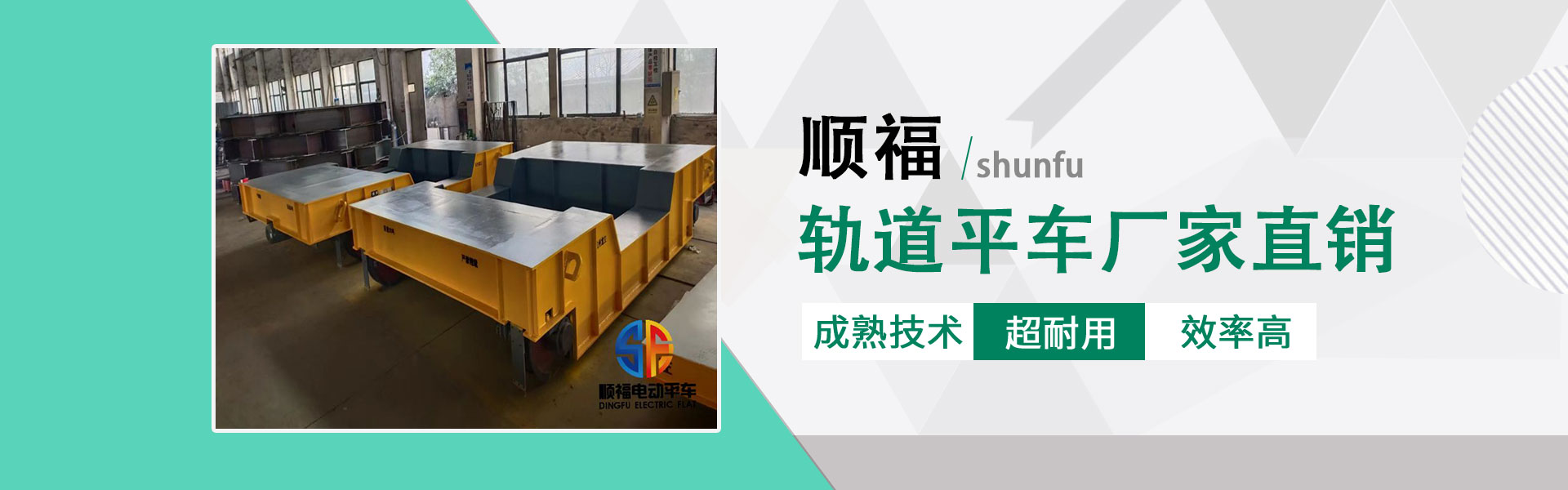


As one of the core equipment in smart logistics, mobile conveying robots have seen an explosive growth in recent years. Within the mobile robot market, besides the well-known AGV, RGV and IGV also play their respective roles in the automation of logistics systems. However, many people do not have a clear concept of the differences between AGV, IGV, and RGV.
What's the Difference Between RGV, AGV, and IGV?
The distinction between these three lies in their concepts; let's start with an understanding of their definitions.
RGV, an acronym for Rail Guided Vehicle or the Guided Shuttle Cart, is suitable for high-density storage facilities of all types. Its channels can be designed to any length, thereby enhancing the overall storage capacity of the warehouse. Operationally, it eliminates the need for forklifts to enter the aisles, increasing safety. Leveraging the advantage of forklifts not entering the aisles, combined with the fast movement of the cart within the aisles, the warehouse's operational efficiency is significantly improved.
A Brief Analysis of the Differences Between AGV, IGV, and RGV
AGV stands for Automated Guided Vehicle, meaning "Automated Guided Transport Vehicle." AGVs are equipped with electromagnetic or optical guidance systems, capable of traveling along designated paths, featuring safety protection and various cargo handling functions.
IGV stands for "Intelligent Guided Vehicle," a type of smart guided transport vehicle. Compared to AGV, IGV boasts higher flexibility, as it operates without any marking aids; its routes are versatile and can be adjusted to meet actual production needs, making it simple to plan and suitable for the vast majority of factories.
In summary, from the perspective of automation and intelligence, RGV, AGV, and IGV differ in their operation. RGVs are guided vehicles that can only move along tracks. AGVs, on the other hand, require guidance, such as magnetic strips and QR codes. IGVs, however, can operate completely autonomously.
Scenarios have their respective advantages.
The shift from RGV to IGV also somewhat reflects the trend in the development of mobile robots, becoming more intelligent, requiring fewer auxiliary tools, and higher degrees of flexibility. However, this does not mean that IGV will replace other devices in the future, at least not yet. In different application scenarios, each has its own advantages.
As a guided vehicle system (GV), the RGV offers a highly convenient means of automatic integration with other logistics systems, such as loading/unloading stations, various buffer stations, conveyors, lifts, and robots, to plan and transport materials. Although its flexibility and flexibility are lower compared to AGVs and RGVs, its operational efficiency is higher. Moreover, since RGVs often require coordination with other equipment, most manufacturers are logistics integrators, with fewer companies specializing solely in RGVs.
AGVs have gained significant popularity in recent years, enjoying widespread application in e-commerce warehousing and manufacturing. Compared to RGVs, they offer higher levels of automation and intelligence, with the ability to flexibly alter their travel paths based on storage location requirements and production processes. Moreover, the costs associated with changing travel paths are much lower than those of traditional conveyors and rigid conveyor lines.
IGV is ideal for applications with higher flexibility requirements. It can not only meet conventional handling functions but also selectively add different functional modules (such as lifting modules, traction modules, roller conveyor modules, etc.) based on the customer's process flow. This allows for the purpose of using one vehicle for multiple purposes, although the price is relatively higher.
A Brief Analysis of the Differences Between AGV, IGV, and RGV
Future Trends - Convergence?
In various scenarios, RGV, AGV, and IGV each showcase their unique strengths. However, with technological advancements, the future trend may lean towards multifunctional integration, maximizing efficiency and cost savings with one vehicle serving multiple purposes.
Last year, French robotics startup Exotec Solutions launched a new industrial robot, Skypod. Capable of carrying loads up to 30kg, Skypod can move on the ground and climb shelves to retrieve items from a specific level for transport. Skypod combines the functionalities of RGV and AGV, drawing significant attention from the industry upon its debut.
Certainly, whether it's integration and development or scenario segmentation, this still requires ongoing observation. However, it is clear that the future of mobile robots will undoubtedly lean towards a more simple and practical direction.
