
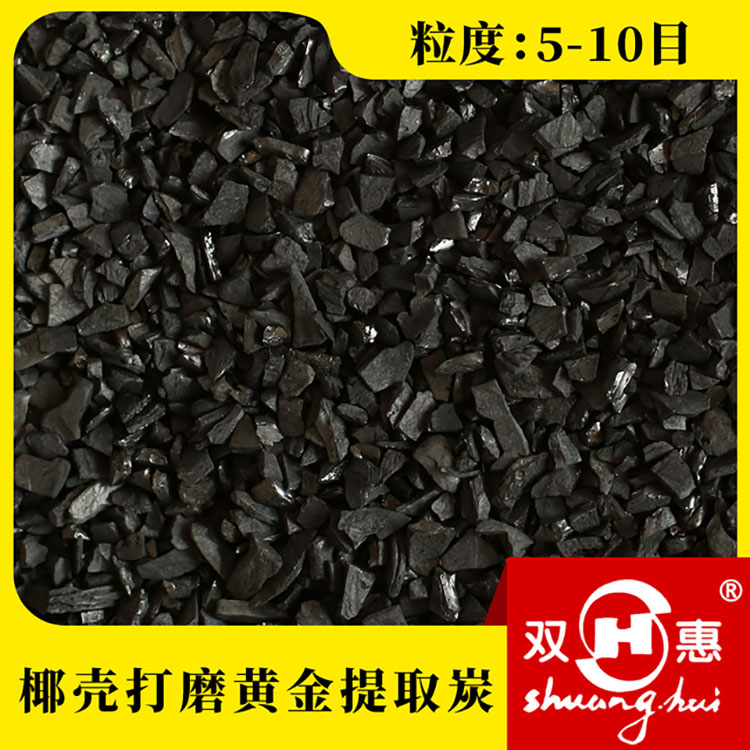
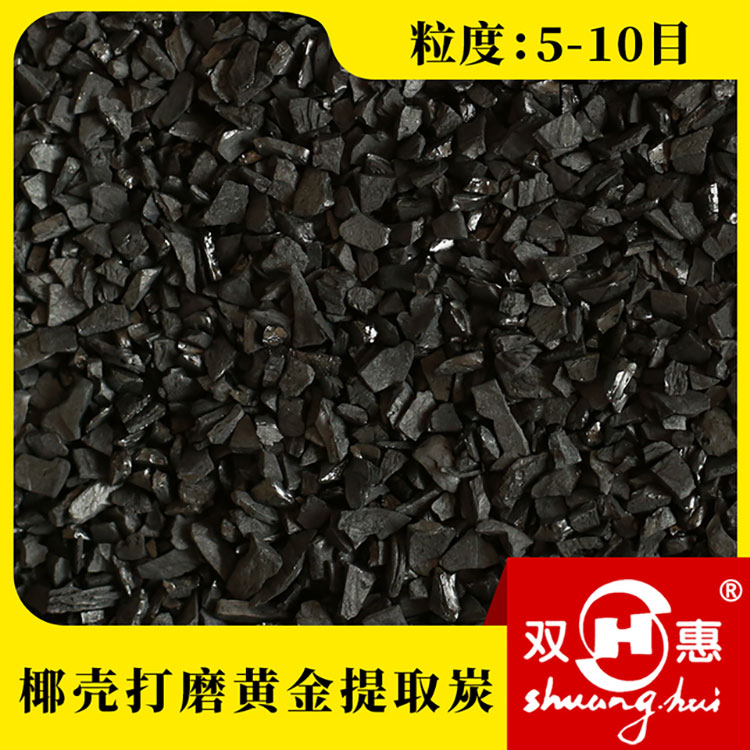
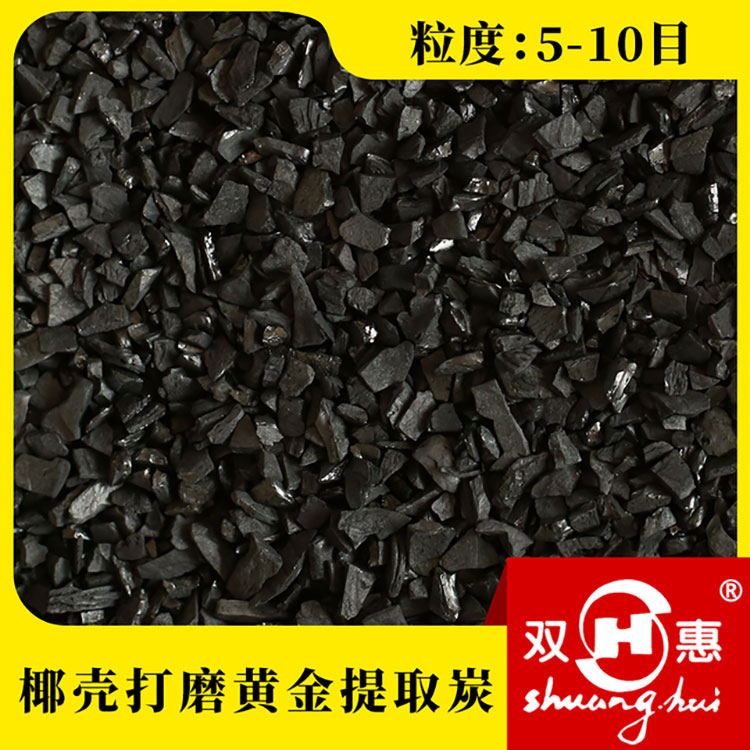
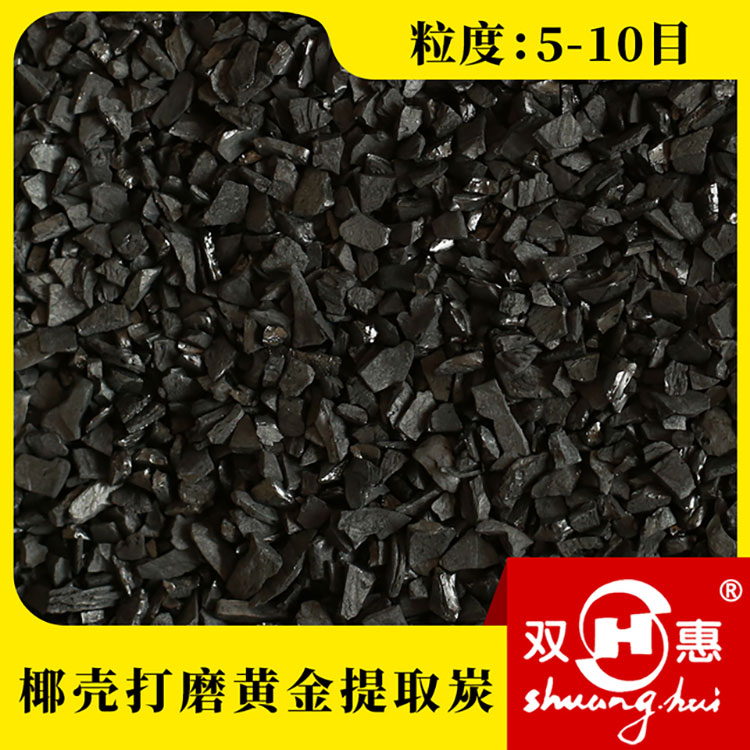
Coconut shell activated carbon is a carbon with a well-developed pore structure, large specific surface area, and high adsorption capacity. There are various types of coconut shell activated carbon, including raw plant carbon, coal, petroleum carbon, bone carbon, and blood carbon. It can be categorized by manufacturing method into gas activated carbon, which includes physical activated carbon, chemical activated carbon, chemical-physical activated carbon, powdered activated carbon, amorphous particle activated carbon, irregular particle activated carbon, spherical carbon, fiber carbon, and other textile-grade carbons.
Coconut shell activated carbon can be divided into charcoal, activated carbon, and vapor phase. Activated carbon has adsorption and catalytic properties. It is insoluble in water and other solvents, and possesses both physical and chemical stability. Due to the excellent adsorption characteristics of activated carbon, it has been widely applied.
What are the functions of coconut shell activated carbon?
Coconut shell activated carbon is commonly used for mutual adsorption between gases, so its usual application is to allow gases to flow through the activated carbon layer. It can be divided into fixed, fluidized, and fluidized beds based on the different states of the activated carbon layer in the adsorption unit. The air in instrument rooms, air conditioning rooms, basements, and underwater facilities often contains odors, smoke, cooking smells, oils, organic and inorganic sulfides, and corrosive components caused by external pollution or human activities in enclosed environments. The corrosion of precision instruments may affect human health.
Coconut shell activated carbon is used in various industrial applications such as chemical factories and leather factories, where organic solvents are employed. These fields contain harmful environmental components like various organic solvents, inorganic and organic sulfides, hydrocarbons, chlorine, oil, and mercury, which must be adsorbed by activated carbon before they can be discharged. Atomic energy equipment emits radioactive substances harmful to humans during gas discharge, necessitating the use of coconut shell activated carbon for adsorption prior to discharge. The flue gas produced by the combustion of coal and heavy oil contains nitrogen oxides, which are harmful components contributing to acid rain caused by atmospheric pollution. Adsorption with coconut shell activated carbon can also remove these harmful substances. All these applications leverage the excellent adsorption properties of activated carbon to remove toxic, harmful, or malodorous components from gases.