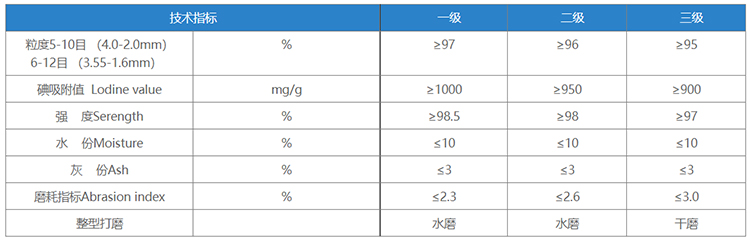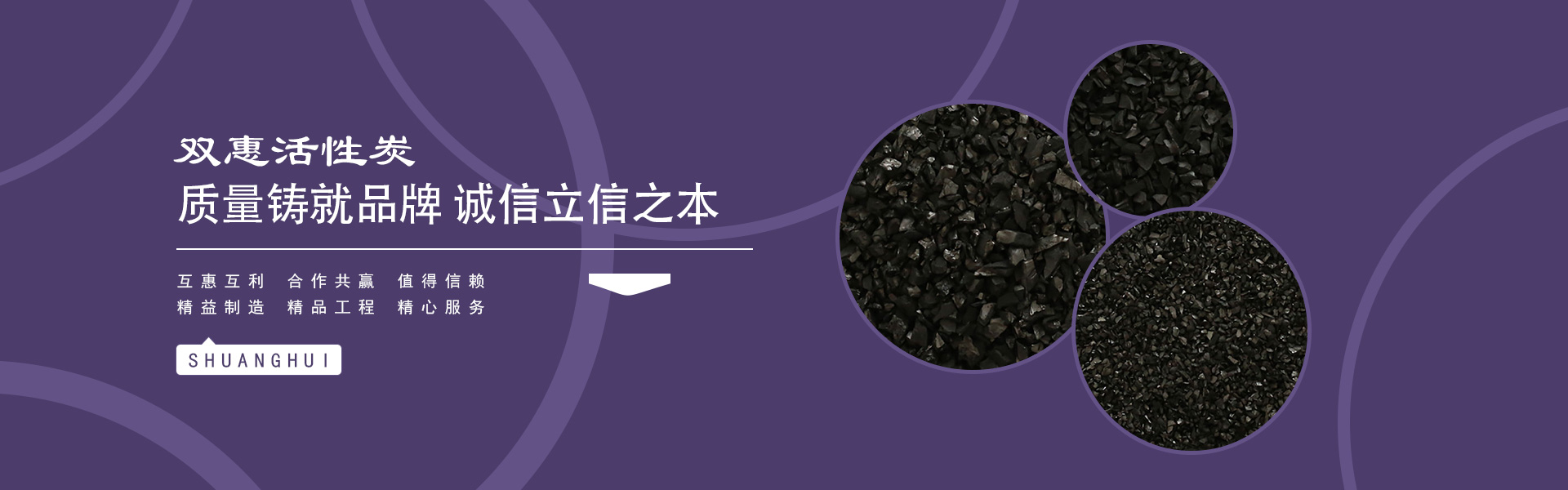
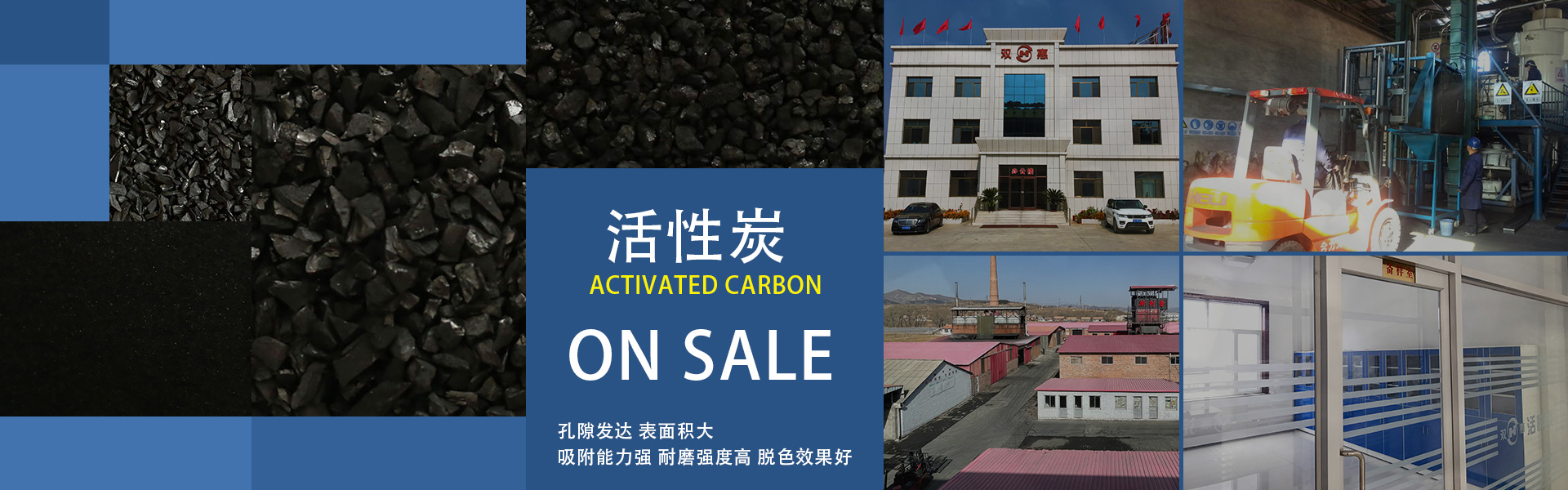
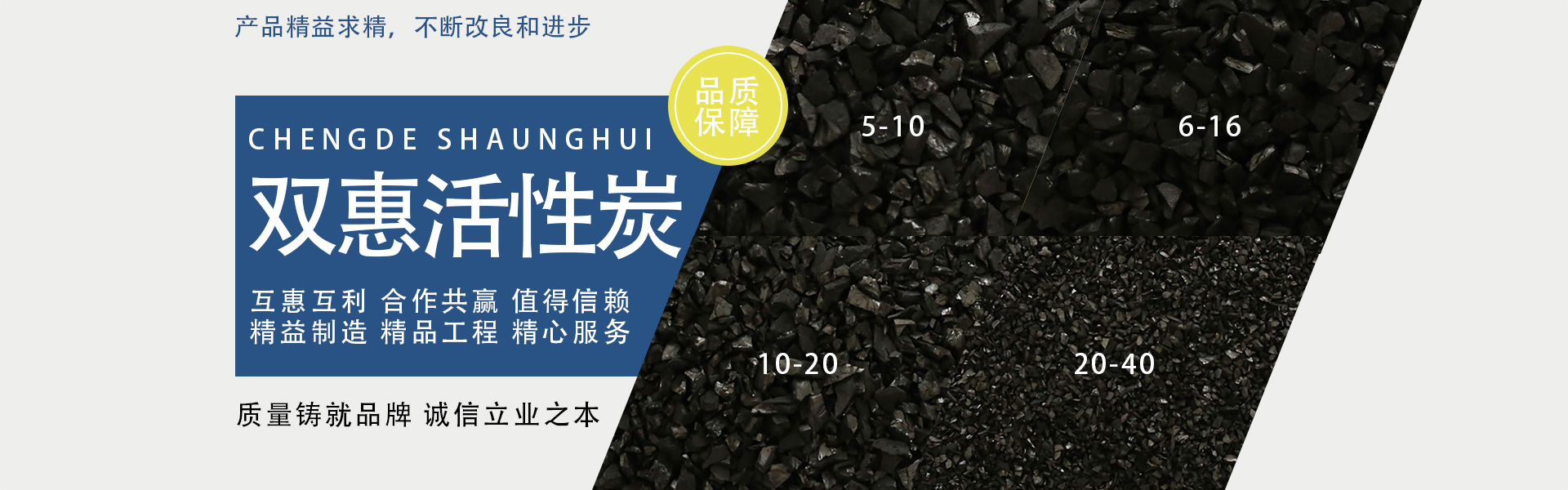

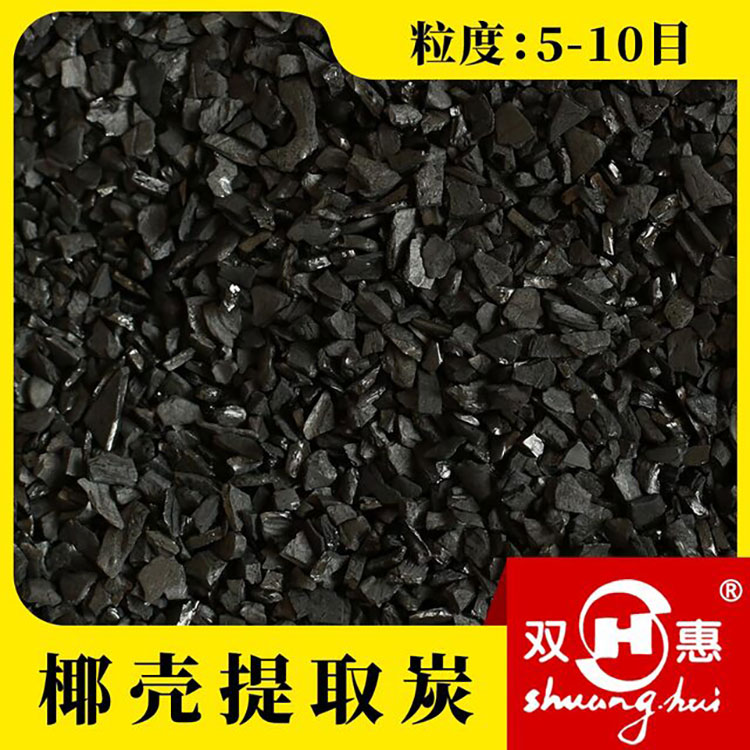
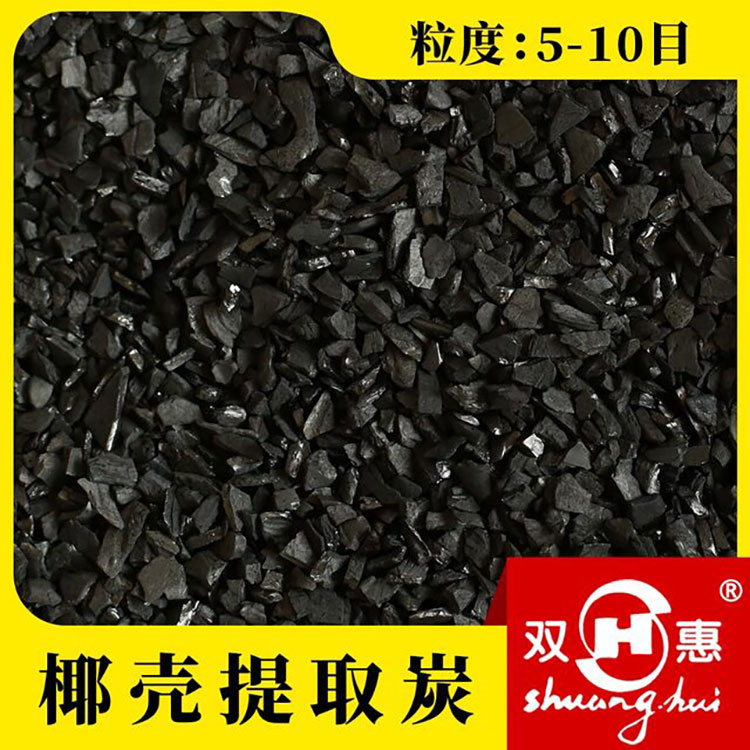
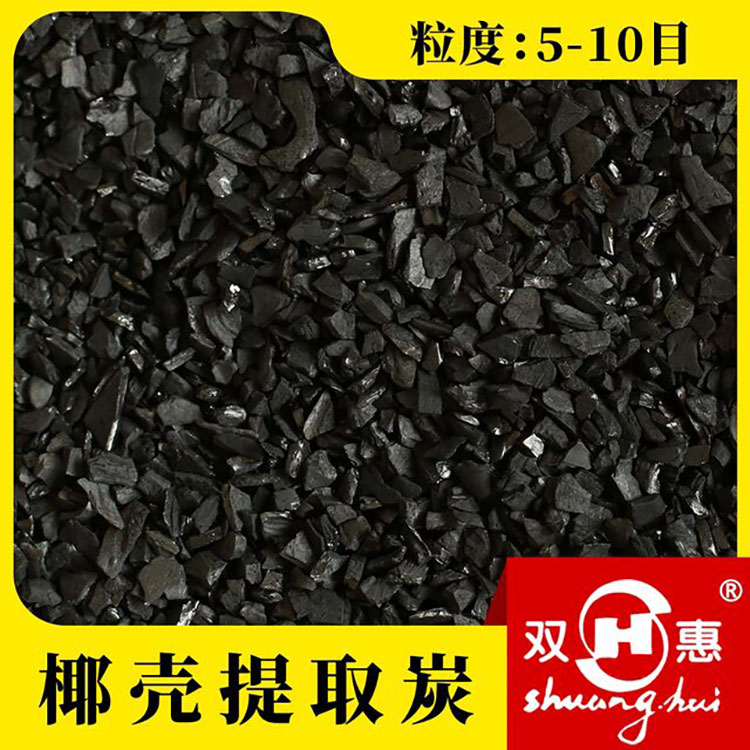
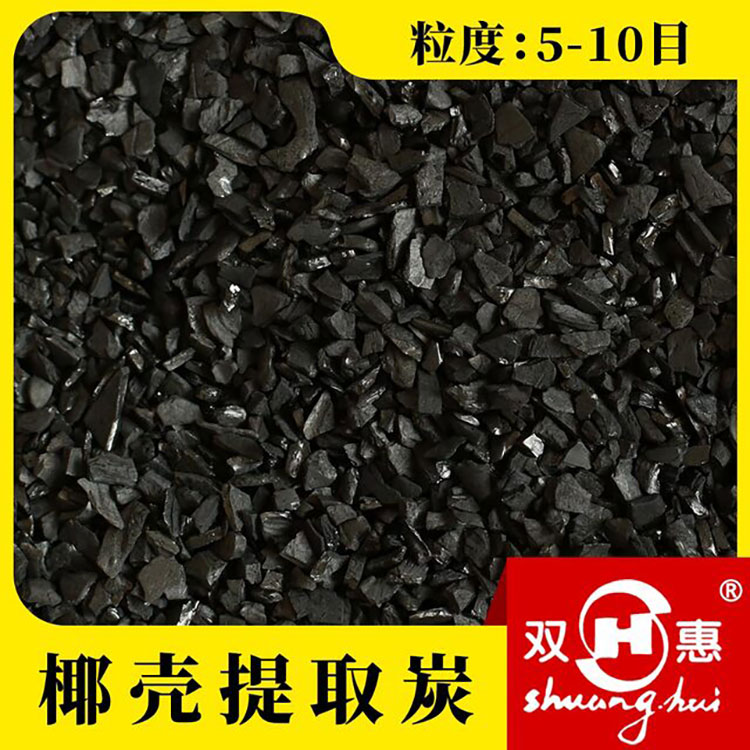
Coconut Shell Gold Activated Carbon is made from coconut shells, processed through a converter activation process, followed by air classification, crushing, and screening. It boasts high strength, uniform particle size, well-developed microporous structure, strong selective adsorption for gold cyanide complexes, and is easily desorbed for multiple regeneration and reuse. It exhibits special adsorption properties for precious metals, primarily used in gold extraction via the carbon-in-pulp (CIP) method and heap leaching, as well as in the separation and extraction of precious metals in metallurgy. Particularly in gold smelting, especially with the CIP method, it enhances the leaching gold process. Mainly used for extracting gold and other precious metals, it offers low ore grade and high recovery rates, making it an active carbon for gold mines.
Coconut Shell Activated Carbon Applications: Currently, coconut shell activated carbon is a superior type used for water purification, chlorine and algae removal, oxygen absorption, and as a catalyst carrier. It is widely applied in gold mining extraction, suitable for water purifiers, filter cores, and other water purification equipment. It can also be used in carbon slurry methods, heap leaching, gold extraction, and the separation and extraction of precious metals in the metallurgical industry.
Caution for Coconut Shell Activated Carbon:
1. During transportation, coconut shell activated carbon must be prevented from mixing with hard substances. It should not be stepped on or trampled to avoid breaking the carbon particles and affecting the quality.
2. Storage: Should be stored in a cool and dry place; therefore, prevent water immersion during transportation, storage, and use. As water immersion can fill the active voids with a large amount of water, causing it to lose its effectiveness.
3. Prevent Tar Materials: It is imperative to prohibit the entry of tar materials into the activated carbon bed during use to avoid blocking the coconut shell activated carbon pores, which would render it ineffective in adsorption. Ensure gas purification with a suitable tar removal equipment.
4. Fire Prevention: To prevent direct contact with fire sources during storage or transportation of coconut shell activated carbon. Avoid oxygen intake during the regeneration process to ensure complete regeneration. After regeneration, cool the coconut shell activated carbon with steam to below 80°C. Otherwise, high temperatures combined with oxygen can cause spontaneous combustion.
Selected Southeast Asian coconut shells as raw material. After carbonization and high-temperature activation, the product has a large specific surface area, well-developed pore structure, excellent adsorption properties, high capacity, and easy desorption. Special technology is used to reshape and polish the activated carbon particles, removing the parts prone to wear, enhancing the product's wear resistance, ensuring uniform and full particle size. No further polishing is required upon arrival at the factory; they can be used directly after water washing. Suitable for the gold extraction process, including the carbon-in-pulp method and heap leaching method.