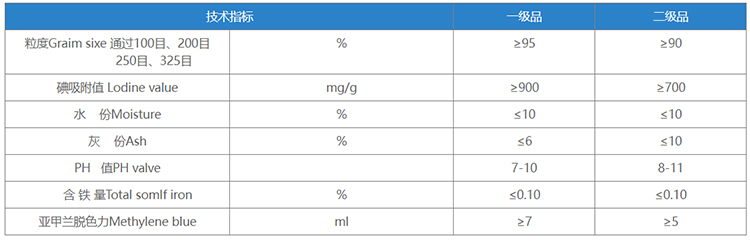
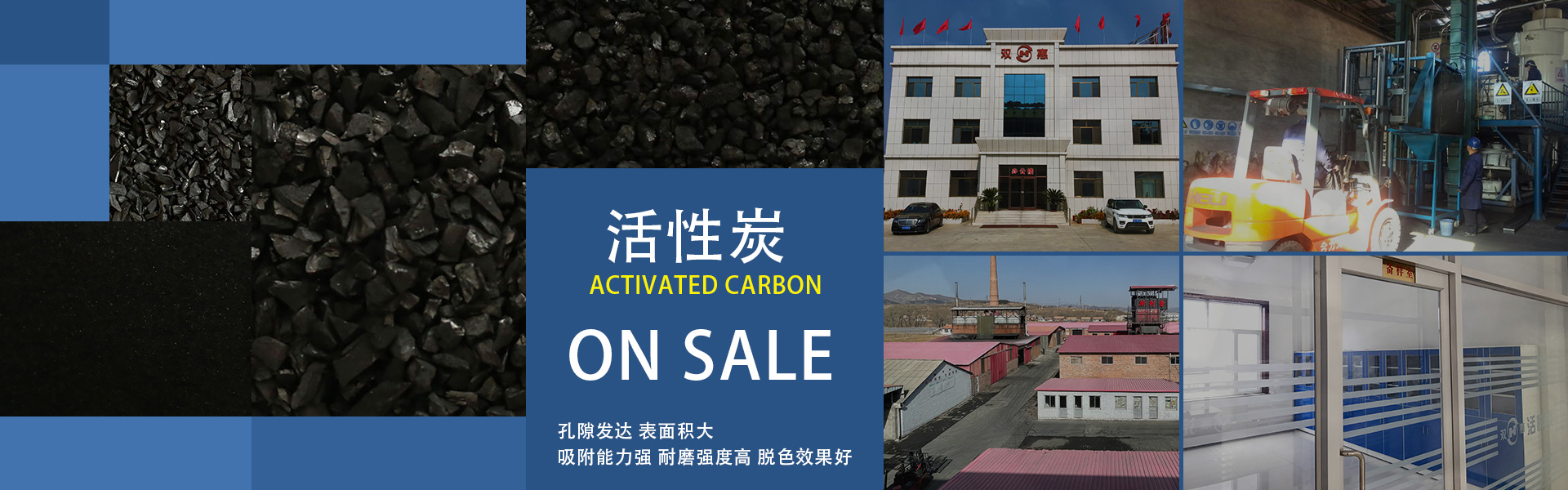
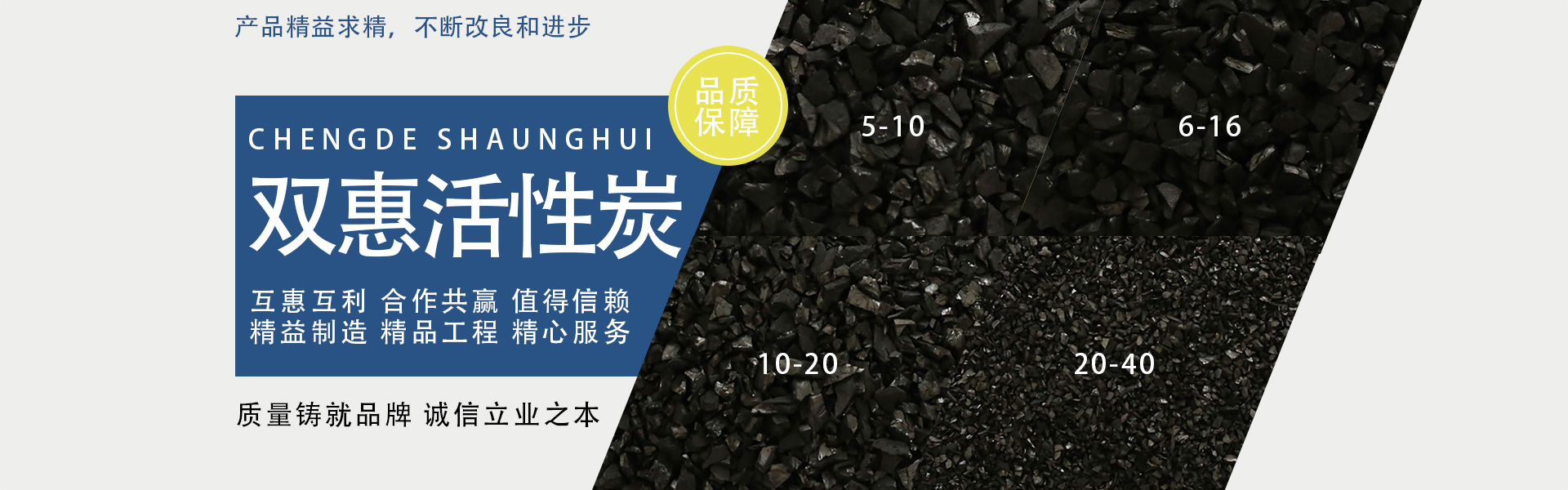

Powdered activated carbon is made from wood shavings, coconut shells, and coal, and is finely processed through a series of production techniques. It boasts fast filtration speed, excellent adsorption properties, strong decolorization and deodorization capabilities, as well as economic durability. The product is widely used in the food, beverage, tap water, sugar, and oil and fat industries, and is also commonly applied in brewing, wastewater treatment, power plants, and electroplating.
Powdered activated carbon comes in various types, primarily due to the diverse raw materials used in its production, such as wood, coconut shell, fruit shell, coal, coke, bone, and petroleum residue. Certain types of carbon can release toxic substances in water, so in water treatment, the main types used are wooden, coconut shell, and coal-based carbons. Different carbon types have varying activation processes, resulting in distinct elemental compositions, surface non-crystalline areas, and distributions of various functional groups, all of which directly impact the adsorption properties and the rate of diffusion of different organic substances. Consequently, powdered activated carbon has a specific range of applicability in water treatment. For different water qualities, there is no one-size-fits-all carbon type; it is only by simulating static carbon selection tests and considering the economic factors of powdered activated carbon that the appropriate carbon type can be chosen.
Powdered activated carbon is difficult to separate, recycle, and regenerate after use, and is usually disposed of along with the sludge from water treatment plants.
Cautionary Notes
1. Activated carbon is a porous adsorbent, so it must be protected from waterlogging during transportation, storage, and use. Waterlogging can fill the active pores with large amounts of water, rendering it ineffective.
2. During use, it should be prohibited to introduce tar-like substances into the activated carbon bed to prevent clogging the pores of the activated carbon, which would render it ineffective in adsorption.
3. Carbon activated should be kept away from direct contact with fire sources during storage or transportation to prevent ignition.
This product boasts high adsorption capacity, rapid adsorption speed, and excellent filtration performance, and is widely used in various wastewater treatment and garbage incineration power generation applications.