

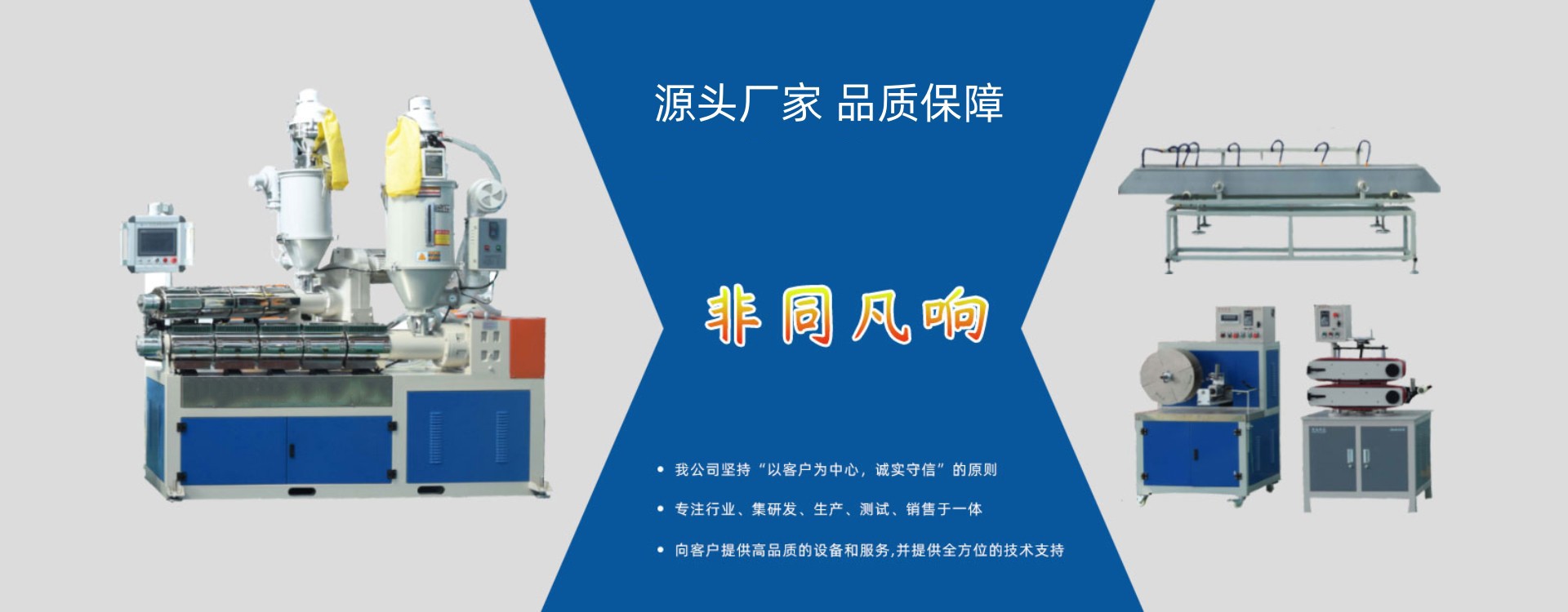
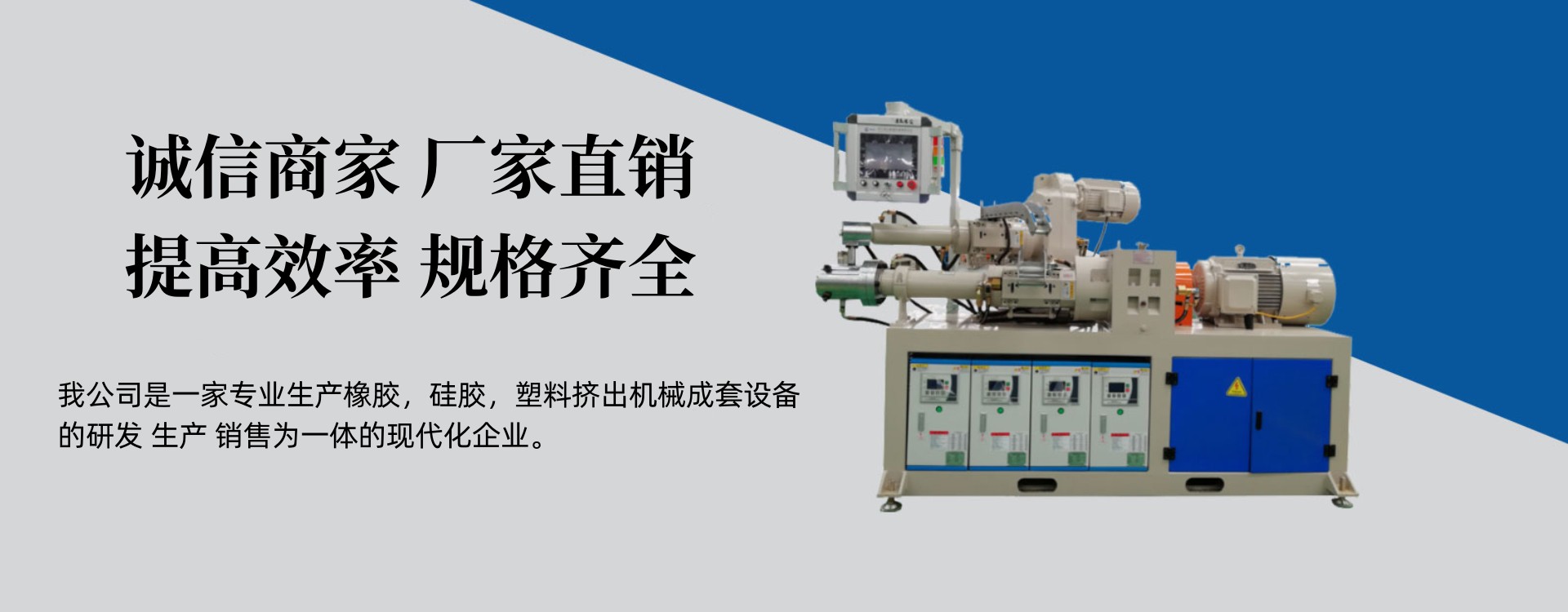

Silicone rubber sealing strips are a type of rubber sealing strip, and they require a rubber extruder for shaping during production. The rubber extruder used for silicone rubber sealing strips differs from the standard rubber extruder types. This is because silicone rubber is softer and doesn't demand high equipment configuration during production. Consequently, the screw length of the silicone rubber extruder is significantly shorter than that of traditional cold feed rubber extruders. Similarly, the power configuration and transmission requirements of the subsequent equipment are greatly reduced. During production, the raw rubber for silicone rubber sealing strips does not need to be vulcanized; it only requires processing through an open mixer. The rubber processed in the open mixer is then fed into the extruder's feed system, where it is heated and compressed by the screw, followed by mixing and other treatments before being extruded into the desired sealing strip shape at the extruder's die. After the extrusion process, the product is vulcanized in a hot air curing box to complete production. Silicone is easily vulcanized, so the hot air curing box used in the production of silicone rubber sealing strips is also significantly shorter than that for EPDM sealing strips. Once vulcanized, the silicone rubber sealing strips are ready for use.
The size and shape of the sealing strip determine the type of extruder needed during production. When selecting a silicone extruder, it is crucial to choose one based on the type of product you are manufacturing.
