

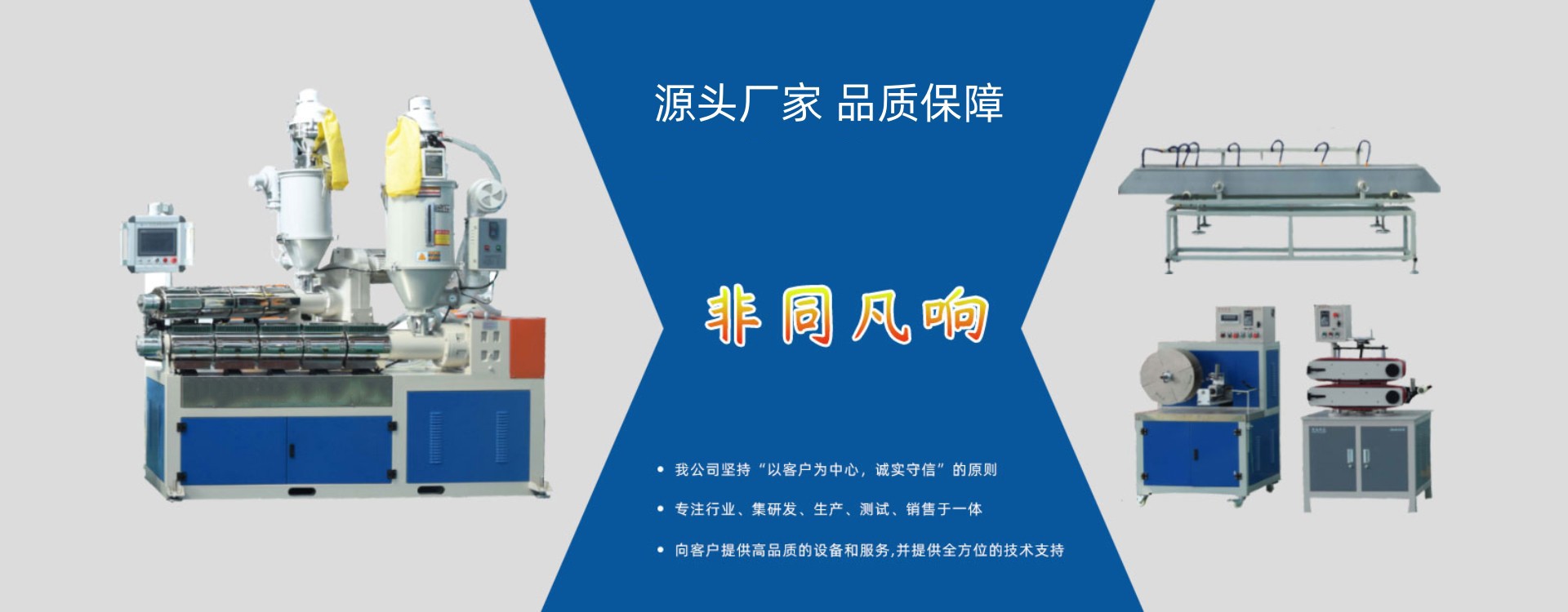
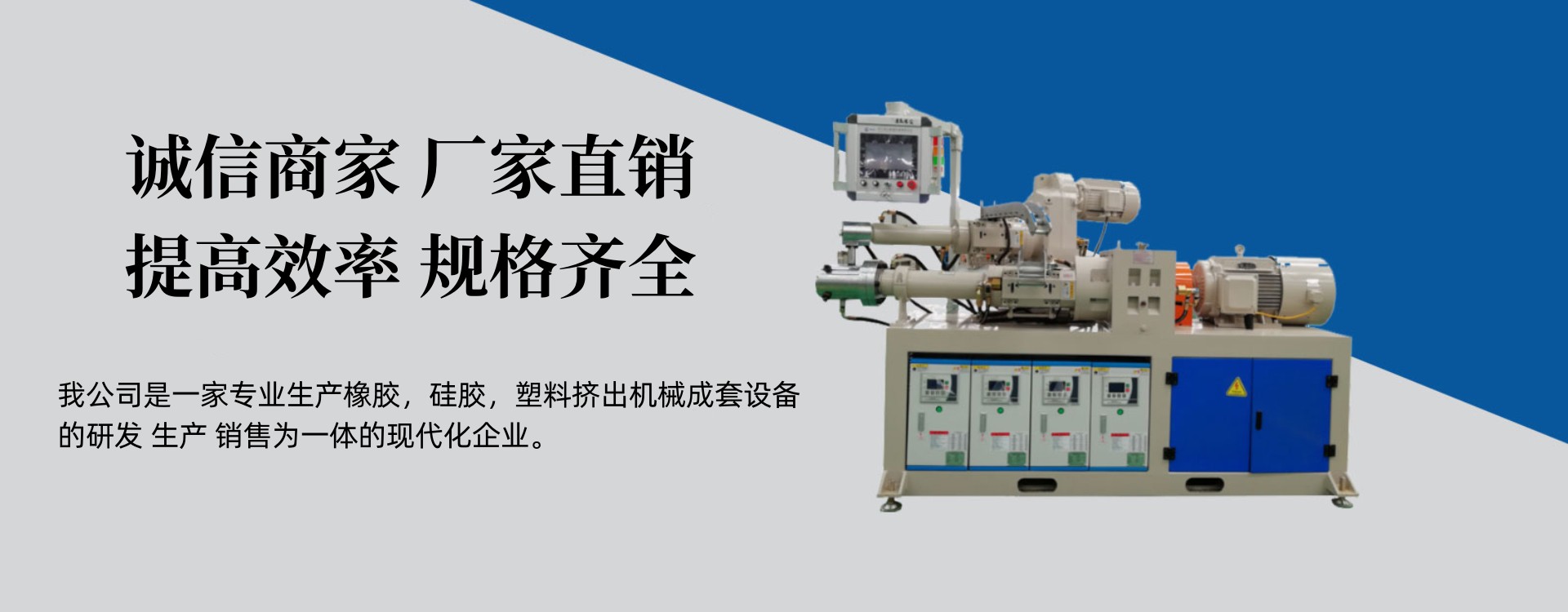

The rubber filter press, also known as the rubber filtering machine, is a type of rubber extruder. During the production of rubber products, we often use recycled ethylene propylene diene monomer (EPDM) rubber to reduce production costs. However, after desulfurization, the recycled EPDM rubber often contains a lot of impurities that can affect the quality of the rubber products, and in severe cases, it can prevent the rubber from being extruded and shaped. Therefore, when using recycled rubber to produce products, we must filter the rubber before extrusion. The EPDM rubber is fed into the extruder's barrel through the feeding system of the filter press, where it is processed by the extruder's screw. The rubber is preheated in the barrel, enhancing its fluidity, and the extruder's screw generates a forward thrust to push the rubber towards the filter mesh at the front end of the extruder's mold. This way, the impurities in the rubber are filtered to one side of the mesh, while the clean rubber is extruded out of the rubber filter press. During the use of the filter press, it is necessary to clean or replace the filter mesh at regular intervals to ensure production efficiency and the quality of the rubber during filtration. Common filter press models include the 150-type and the 200-type. The production efficiency varies with the model of the filter press, as the models are also categorized by the diameter of the screw. The larger the screw diameter, the greater the amount of rubber processed per unit of time.
News Center Co., Ltd.
