



 通过中商114认证
Vacuum forming, also known as suction molding, is a plastic processing technique that primarily involves heating flat plastic sheet materials to soften them, then vacuum-adhering them to a mold surface. After cooling, the material takes the shape of the mold. It is mainly divided into two categories: thick sheet vacuum forming and thin sheet vacuum forming. It is widely used in industries such as automotive accessories, lighting, advertising, decoration, large machinery enclosures, display items, aerospace, and major household appliances, as well as bathroom products.
Hot-Fused Thermoplastic Injection Molding: This method involves melting plastic materials and then injecting them into a mold cavity. Once the molten plastic enters the mold, it cools and takes the shape of the mold cavity. Common products include computer cases, connectors, phone shells, keyboards, mice, speakers, etc.
Expand the information.
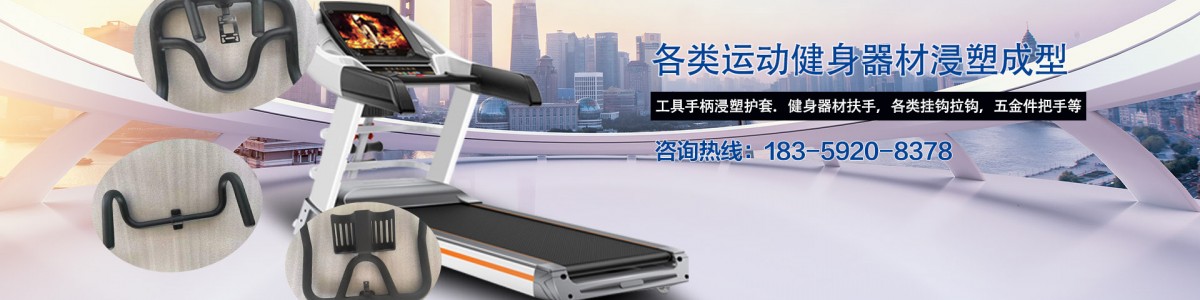
The plastic coating molding process mainly includes five steps: mold preheating, immersion coating, plasticization, cooling, and demolding. Afterward, the product undergoes post-processing (trimming) to become a finished product, which is then sorted, packed, and stored.
The development of dip molding technology is attributed to the discovery of PVC plasticizer solution material, a liquid solution material made from PVC powder and plasticizer. First discovered in 1913, it has been widely used ever since. Due to the many advantages of liquid dip molding coating, its application range is extensive and has been increasing year by year, serving various industries.
