

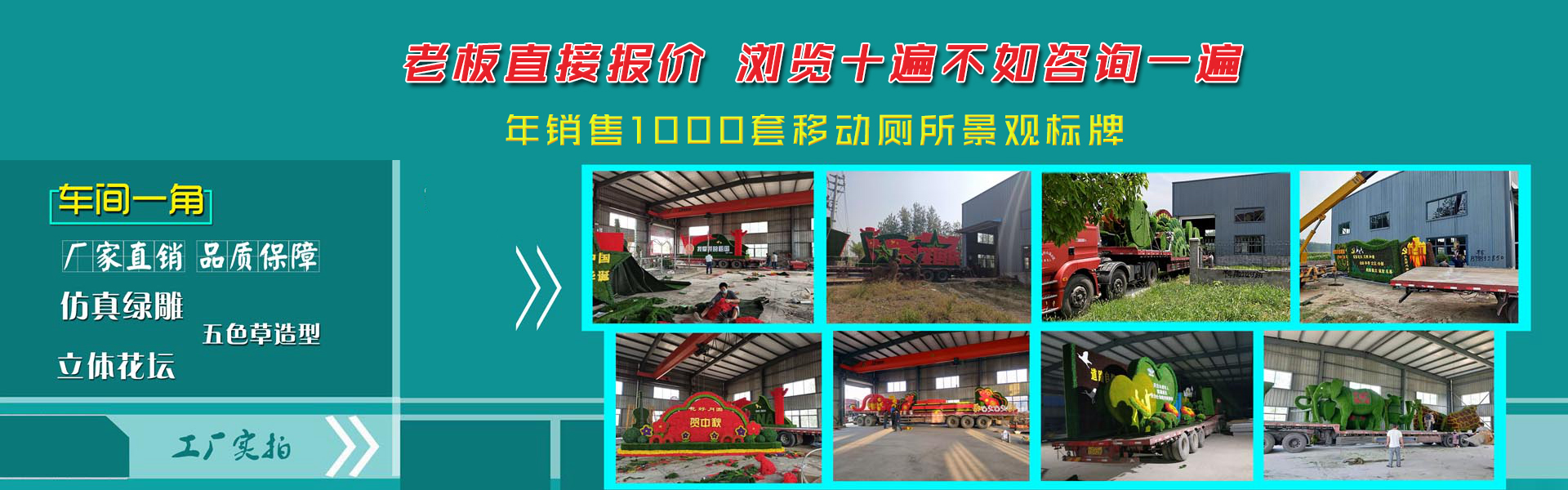

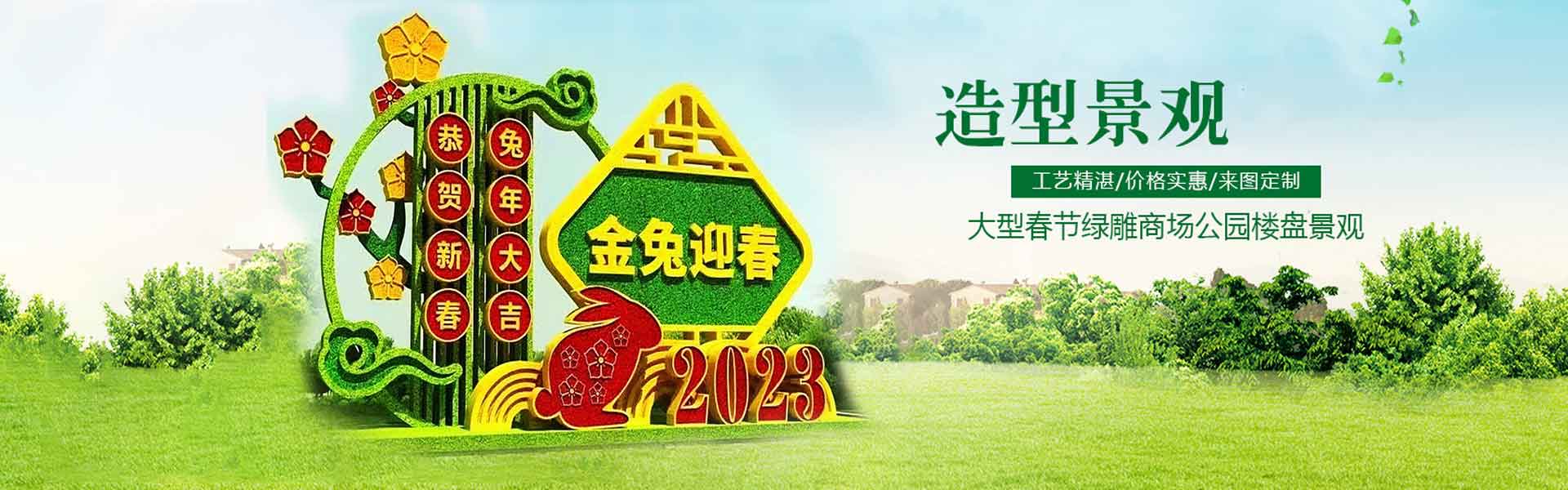

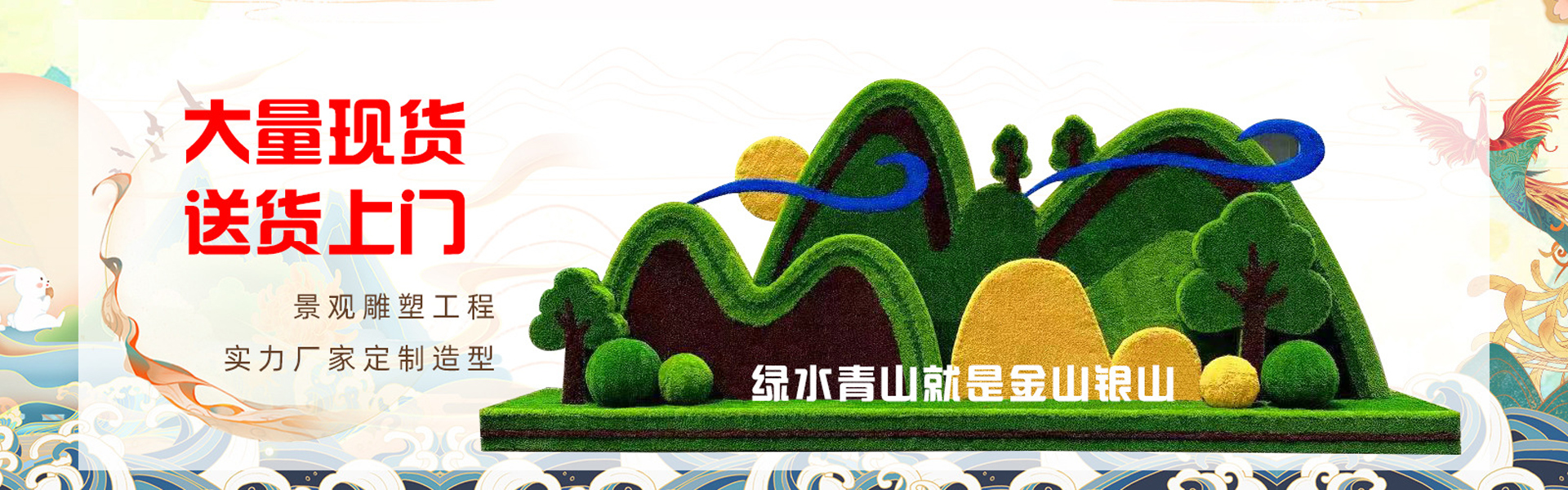

If cities are paintings, then simulated landscape green sculptures are the touch of genius that completes the picture. Existing in a tangible form, these sculptures strive to occupy space to the fullest, conveying the author's vitality and depth through their full-bodied shapes and robust volume. The exploration of both the internal and virtual spaces within simulated landscape green sculptures has altered traditional perceptions of sculpture's space, presenting these sculptures in a new form before us.
Green Sculpture Art, a form of art that occupies a certain spatial position in urban public places, is created through specific materials and techniques, depicting visible artistic images. The three-dimensional volume is the foundation of the language of green sculpture art, while the three-dimensional space is the essence of its life. The scale of urban green sculptures is generally large, grand, and carries a certain significance of remembrance and historical value.
The simulated green sculpture scenes, thanks to the extensive scale of materials used, can achieve higher and more precise shapes for collaboration, and more rational manufacturing. They can also maintain a fresh posture for a long time, breaking through the constraints of the true plant's usage period. Their vivid and lively images can perfectly match those of cultivated plants. Suitable for various venues such as hotels, parks, commercial streets, squares, waterways, stations, auditoriums, entertainment places, ecological gardens, community courtyards, exhibition halls, supermarkets, offices, and homes, they beautify the environment and remain evergreen.
The significance of simulated landscape green sculptures lies in their integration into urban civilization construction. The development of all things ultimately stems from the advancement of world civilization. In the new era, simulated landscape green sculptures place greater emphasis on quality and brand.
