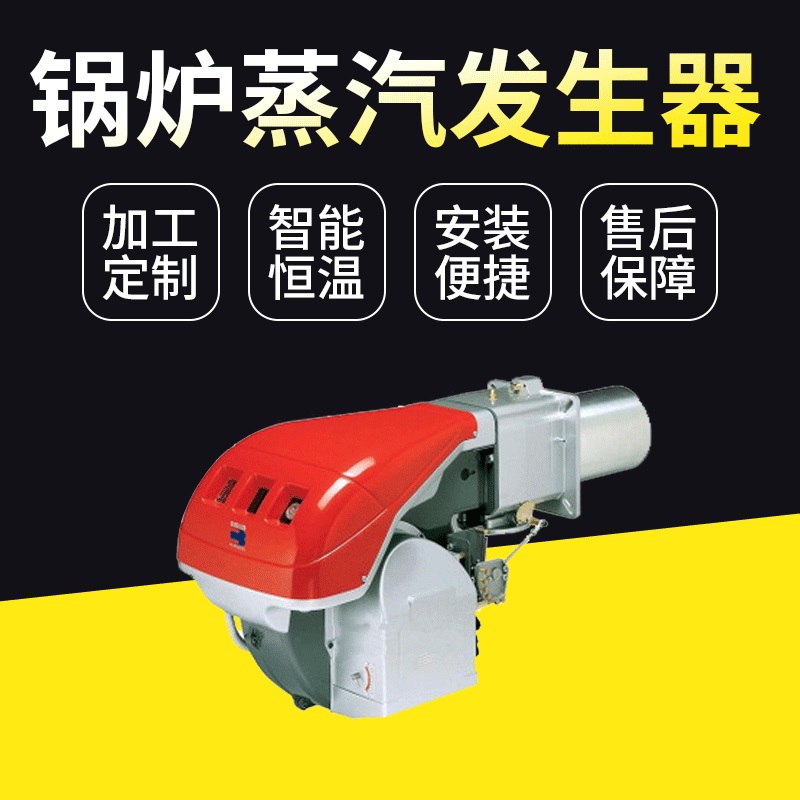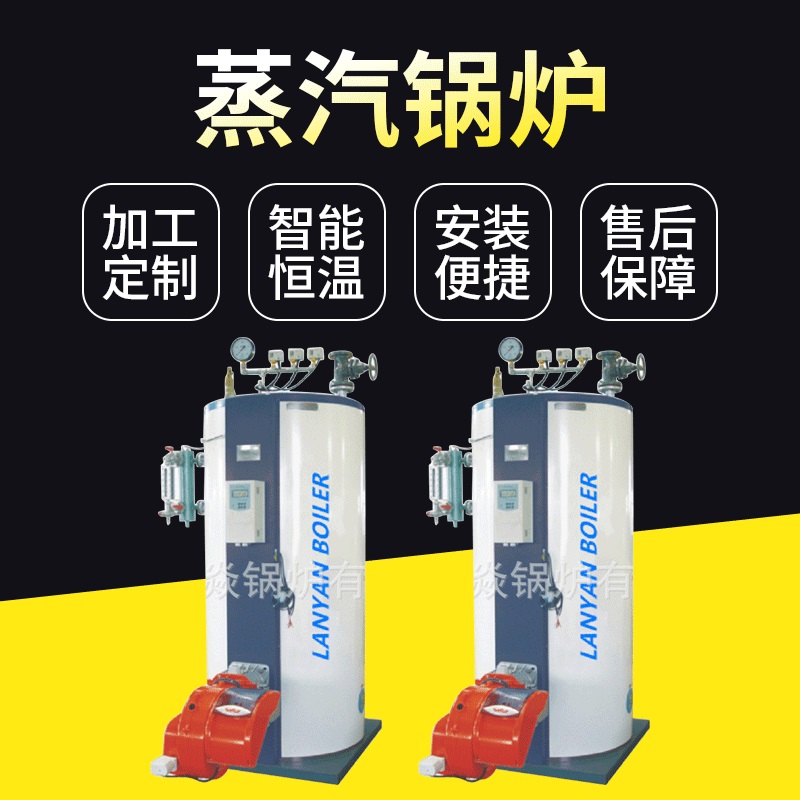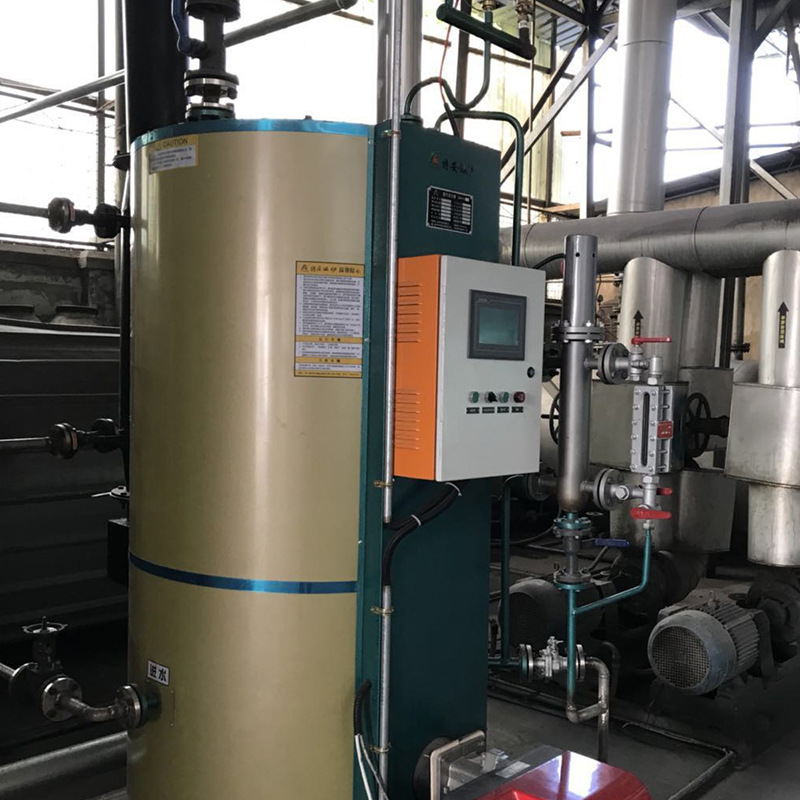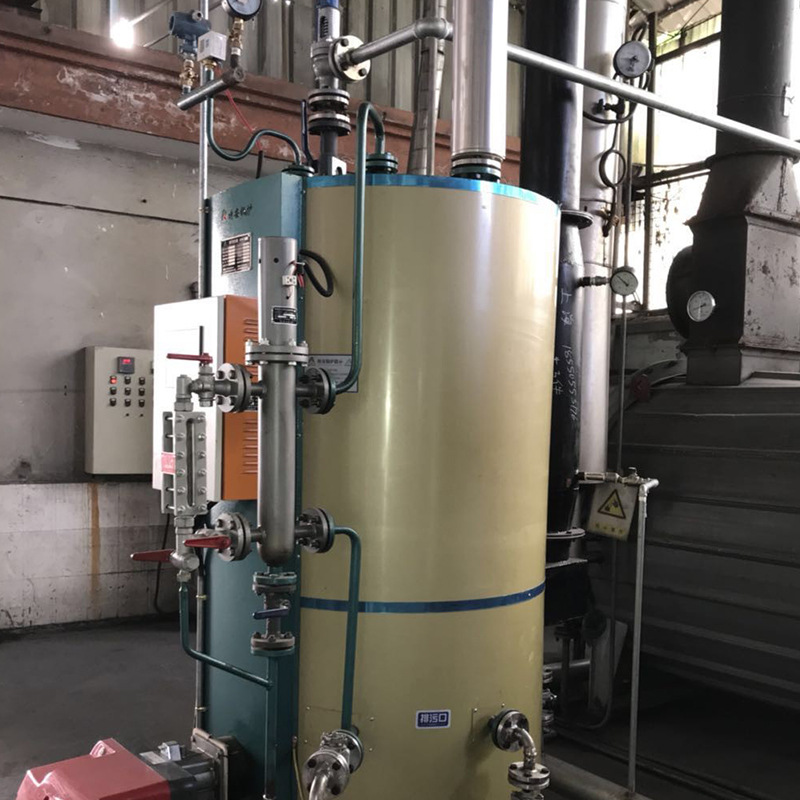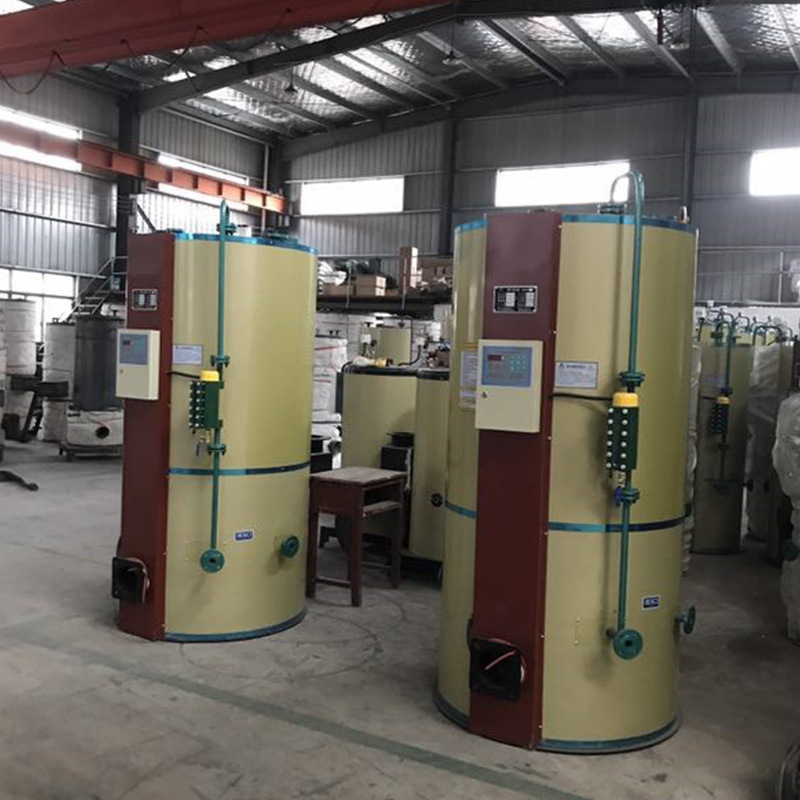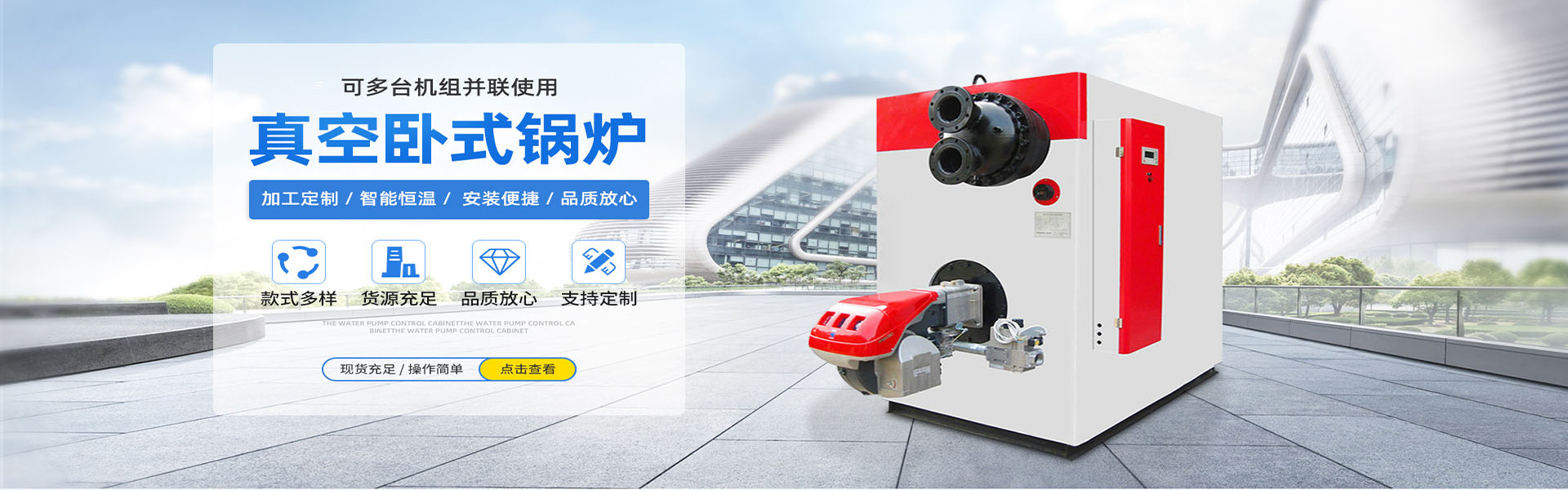
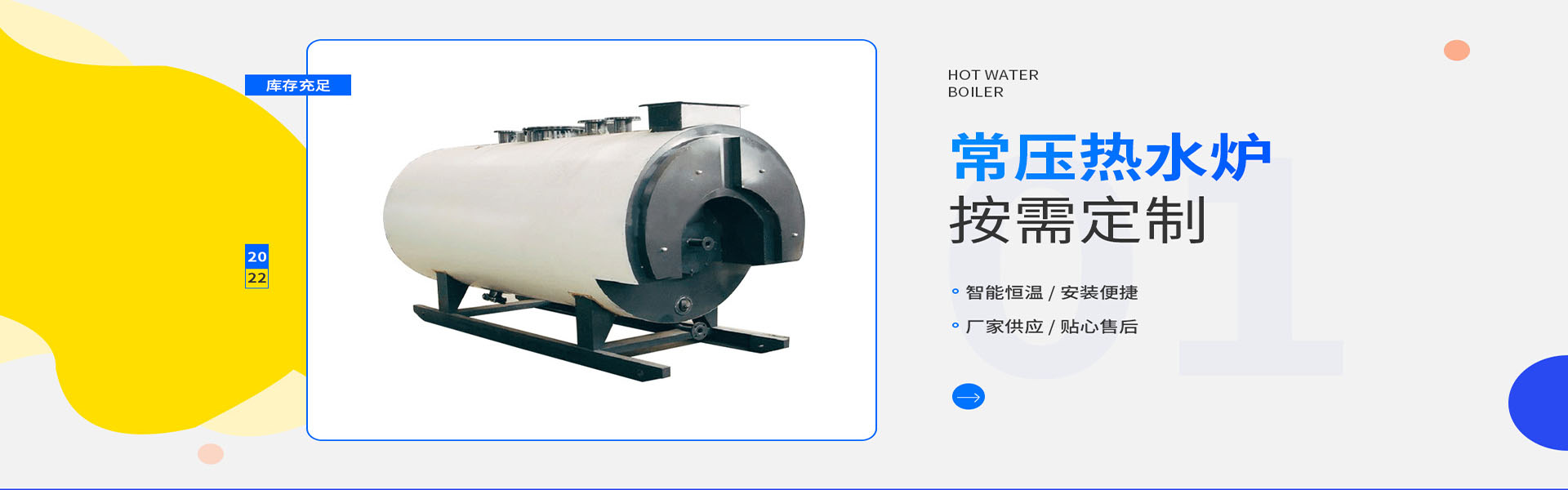
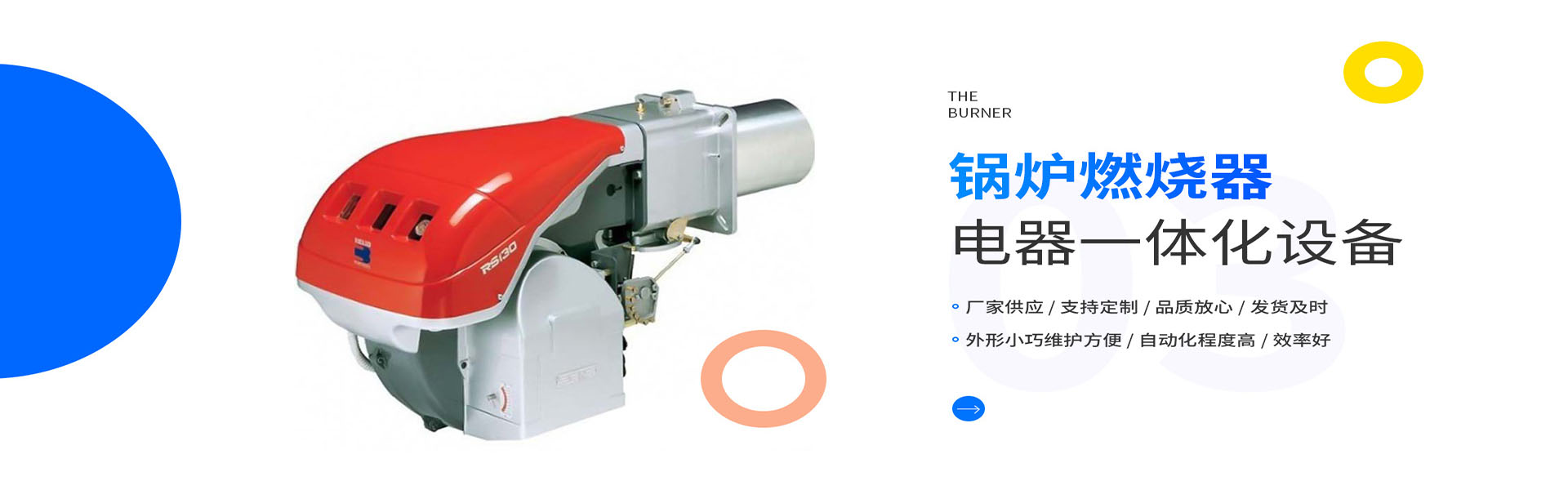

A steam generator, also known as a steam heat source machine (commonly referred to as a boiler), is a mechanical device that uses the heat from fuel or other energy sources to heat water into hot water or steam. The original meaning of "pot" refers to a container for heating water over a fire, while "furnace" refers to the place where fuel is burned. A boiler consists of two main parts: the pot and the furnace.
Steam boilers, also known as steam generators, are a crucial component of steam-powered systems. Power station boilers, steam turbines, and generators are the main equipment of thermal power plants, making power station boilers essential for electricity production. Industrial boilers are indispensable for providing the steam needed for production and heating in various industrial enterprises. With a large number of industrial boilers in use, they consume significant amounts of fuel. Waste heat boilers that utilize high-temperature exhaust gases from the production process as a heat source play a vital role in energy conservation. Marine boilers are installed on various types of ships, with the steam produced used to drive steam-powered machinery. Locomotive boilers, as the main equipment of steam locomotives, still have some applications. Boilers operate under high temperatures and pressures, making safety issues of utmost importance. Even small boilers can have severe consequences if they explode. Therefore, strict regulations are in place for the selection of materials, design calculations, manufacturing, and inspection of boilers.
Boilers can be classified in various ways. They can be categorized by their application into industrial, power plant, marine, and locomotive boilers, among others; by their outlet pressure into low, medium, high, ultra-high, subcritical, and supercritical pressure boilers; and by their structural principles into modular boilers (modular steam generators) and jacketed boilers.
The current series of Chinese power station boilers include: medium pressure at 3.9 MPa; high pressure at 10 MPa; ultra-high pressure at 14 MPa; subcritical pressure at 17 MPa. The current series of Chinese industrial boilers include: 0.5 MPa, 0.8 MPa, 1.3 MPa, and 2.5 MPa. Boilers can be categorized by the flow path of water and flue gas into fire-tube boilers, smoke-tube boilers, and water-tube boilers, with fire-tube and smoke-tube boilers collectively known as shell boilers. They can also be classified by circulation methods into natural circulation boilers, auxiliary circulation boilers (i.e., forced circulation boilers), once-through boilers, and composite circulation boilers. Composite circulation boilers are a combination of auxiliary circulation and once-through boilers, including low circulation ratio boilers (as seen in power station boilers). Boilers are further divided by combustion methods into room combustion furnaces, layer combustion furnaces, and boiling furnaces, among others.
Boiler - Working Process (Schematic diagram of a 120-ton/hour natural circulation coal-fired power plant boiler and combustion system). The coal is first ground into powder by a coal mill. The coal powder is carried by air and fed into the furnace through burners mounted on the furnace walls for combustion. The gas temperature at the flame center reaches 1500-1600°C. The boiler's evaporative heating surface is mounted on the inner wall of the furnace, forming a water-cooled wall that absorbs the radiant heat from the high-temperature flame and flue gas in the furnace, reducing the flue gas temperature at the furnace outlet to 1000-1150°C. The upper part of the rear wall water-cooled wall (at the entrance of the horizontal flue) consists of a sparse array of slag tubes to prevent slagging. To prevent ash or slag accumulation on the boiler's heating surface, soot blowers are also used.
The superheater is located in the horizontal flue, its function being to heat the saturated steam exiting the drum into superheated steam of a certain temperature, with the aim of improving the economic efficiency of the power station. After passing through the superheater, the flue gas temperature drops to 500-600°C before entering the tail flue. One of the heating surfaces in the tail flue is the economizer, which consists of many parallel serpentine pipes. Its purpose is to preheat the feedwater before it enters the drum, thereby reducing the flue gas temperature. The other tail heating surface is the air preheater. Its role is to heat the air to a certain temperature before it enters the furnace, improving combustion and further reducing the flue gas temperature, thus enhancing the boiler's efficiency.
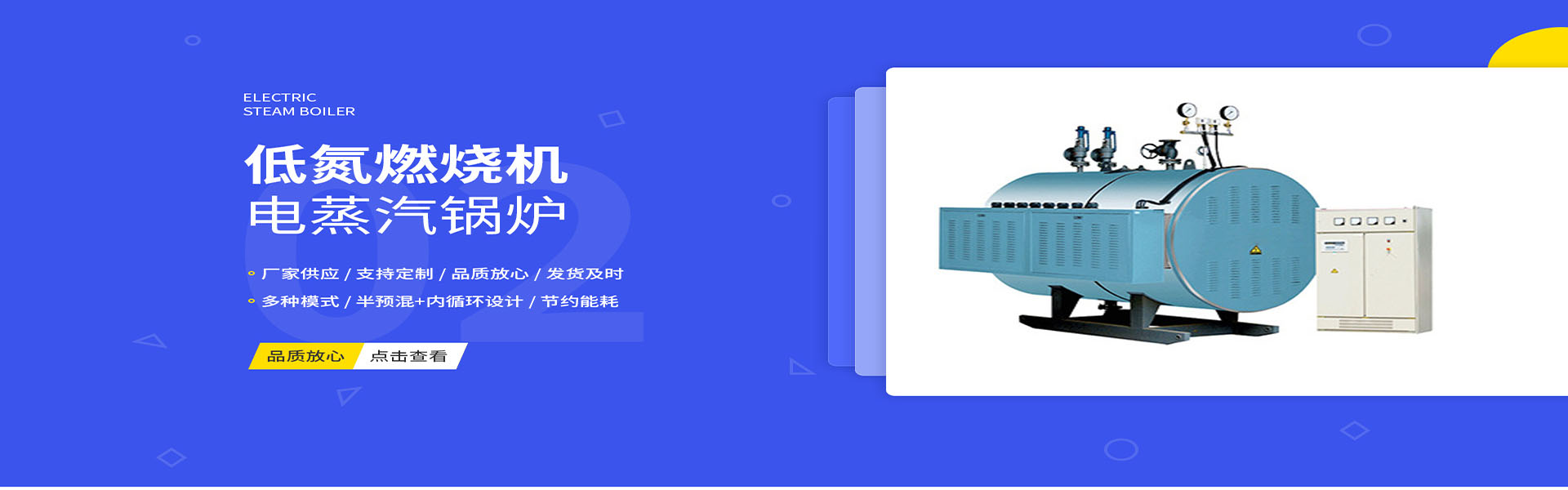
Steam generators are primarily categorized by fuel type, including electromagnetic steam generators, electric steam generators, oil-fired steam generators, and gas steam generators, among others.
Steam generators are primarily used in garment factories, dry cleaning shops, restaurants, bread shops, canteens, dining halls, industrial plants, and soy product factories, among other locations.