
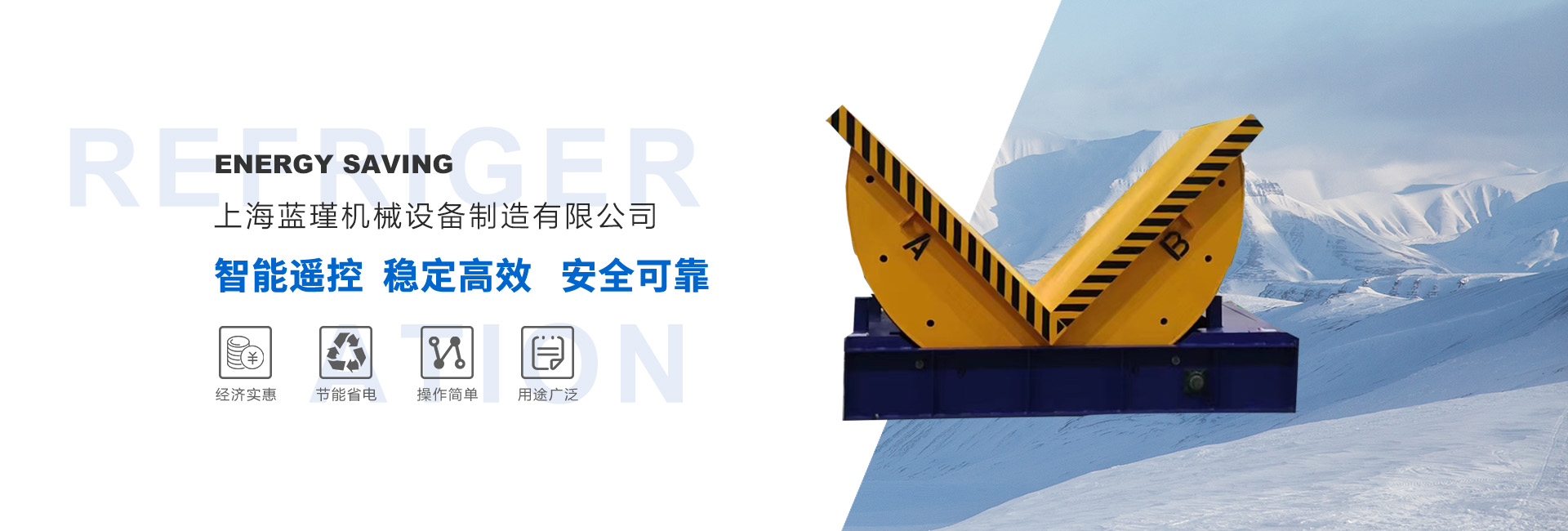
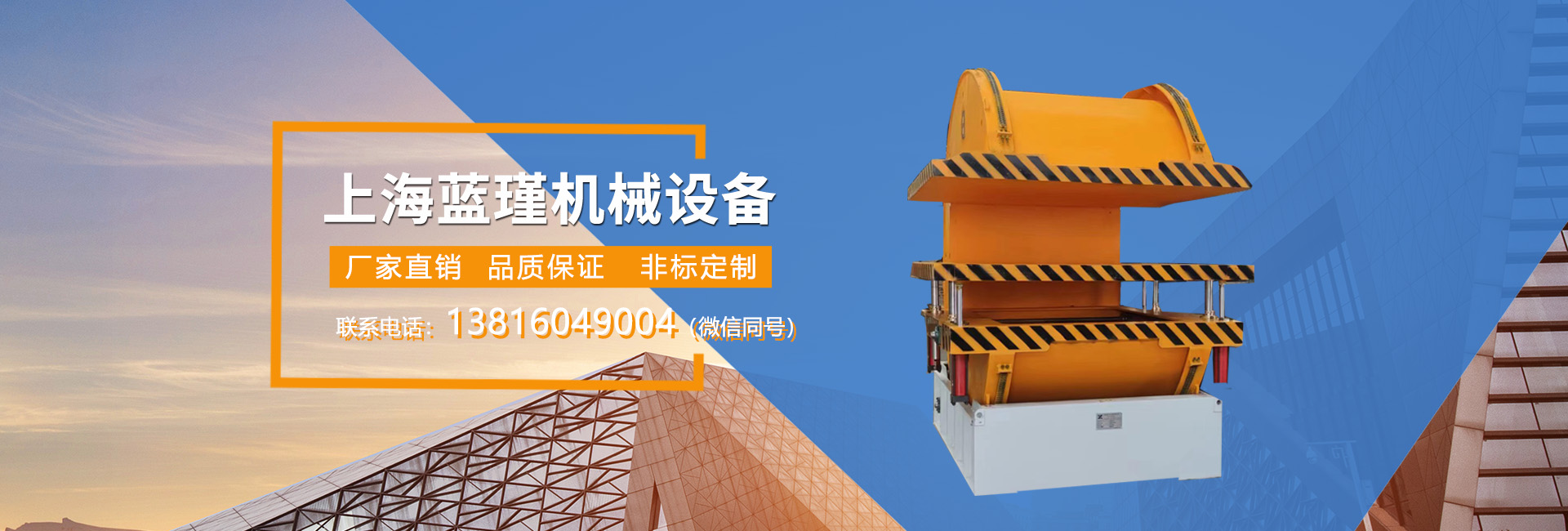


The mold flipping machine enables the rotation of molds from 0 to 90° for easy and labor-saving opening, closing, and lifting during maintenance of large and medium-sized molds. It is an indispensable auxiliary equipment in stamping workshops and also a specialized tool for repairing large molds.
1 Primary Function
Manual flipping using primitive methods can pose unexpected dangers, leading to damage to workpieces; threatening the personal safety of operators; and damaging lifting equipment. Such equipment is characterized by mature product structures and a lack of maintenance accidents. Additionally, there is the mobile suspended flipper used for flipping large workpieces. Its primary function is to facilitate the flipping of large workpieces, especially large cuboids or irregular shapes, during the welding process. This is necessary to complete all required flat welds on large workpieces or cuboids, thereby enhancing welding efficiency and ensuring quality.
2 Working Principle
The mold flipper machine consists of a base and a flipper connected by hinge joints. The flipping equipment is connected through hinge joints and the base, featuring a rubber roller in the middle. The rubber wheel架 is connected to the base, allowing for quick and easy flipping of goods at any angle or attaching to a conveyor line. With multi-speed control and a stroke switch, goods can be flipped to any angle and then moved to the next assembly line. This achieves a three-dimensional flow of goods handling, eliminating the need for manual labor and cranes, etc., for high transportation rates. The flipper machine has a simple structure, low cost, high work efficiency, and is safe and reliable.
