
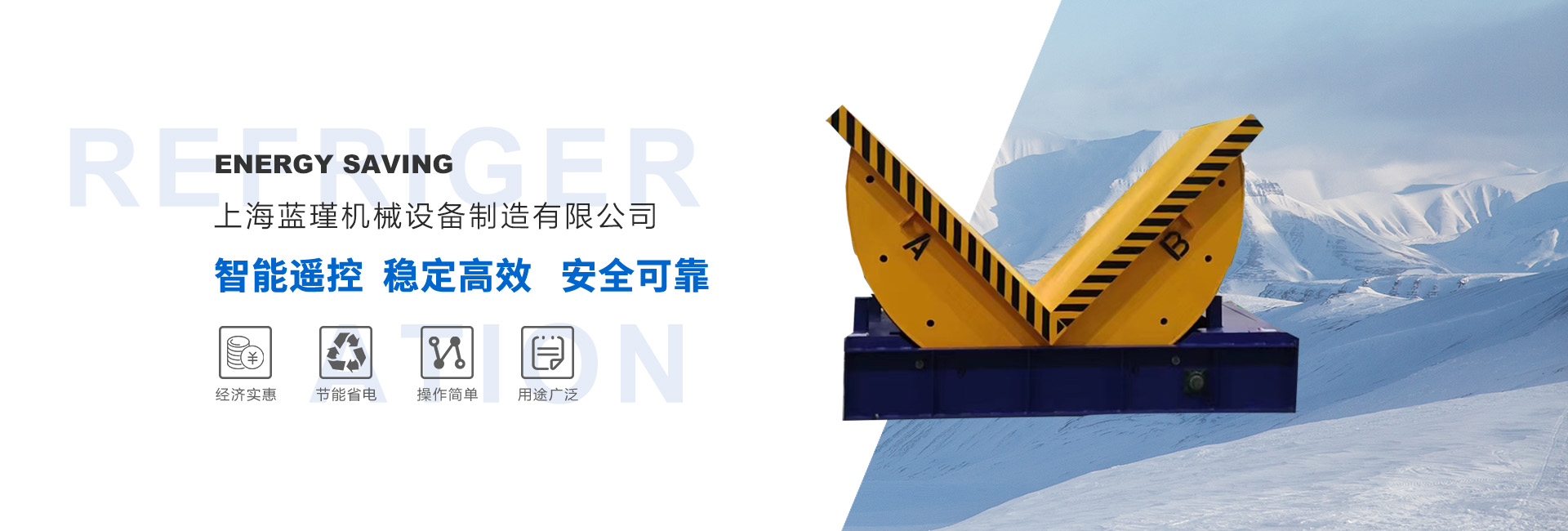
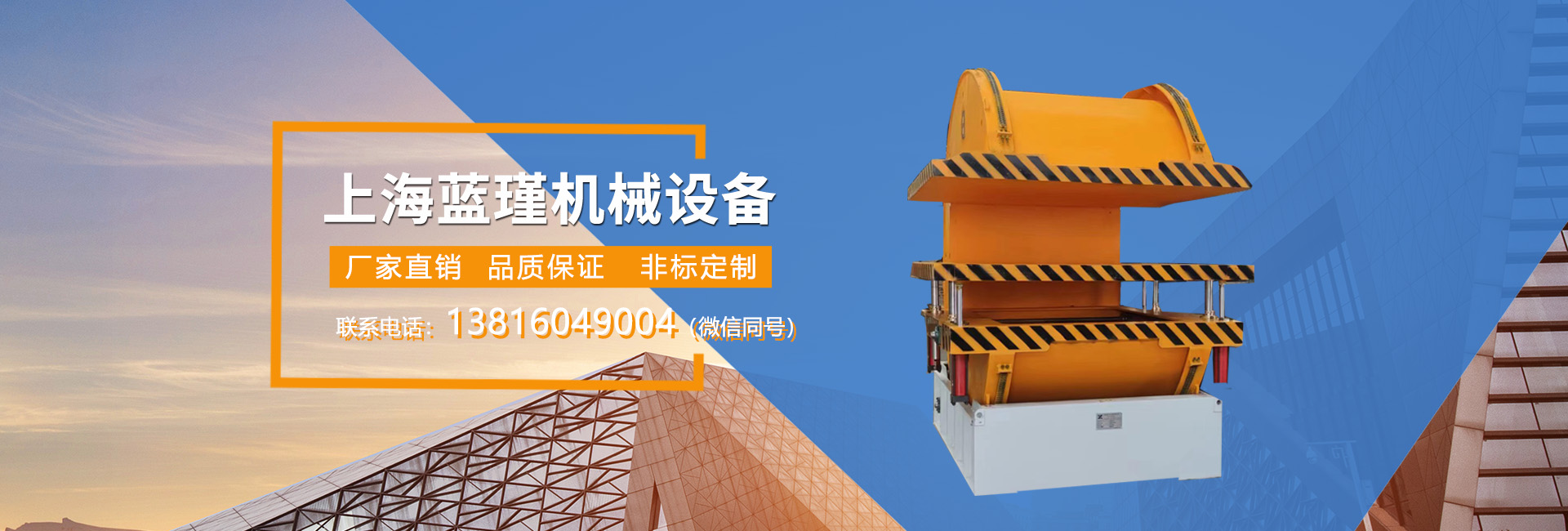
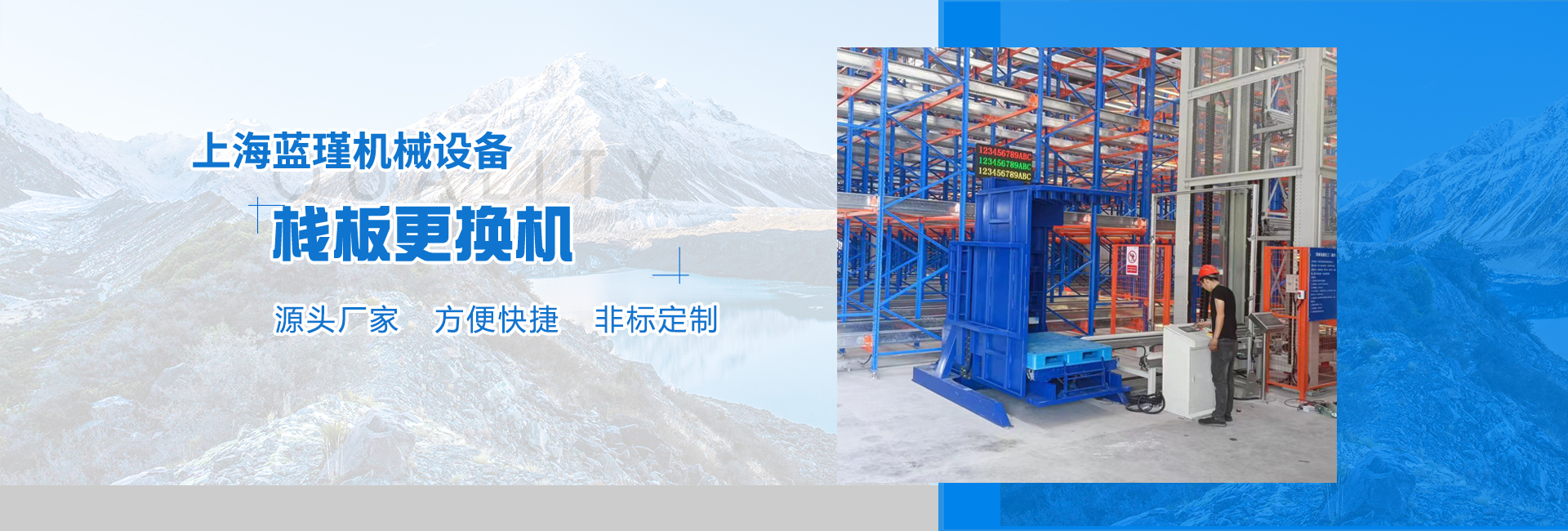

The flipper is widely used in industries such as metallurgy, steel strip, stamping, sheet metal, mold, papermaking, and coil materials for the flipping of goods, achieving 90-degree and 180-degree flips. Due to the heavy weight of the aforementioned goods, manual flipping is initially employed. The inertia of the objects during flipping makes it difficult to control the direction, potentially leading to unexpected dangers and side tipping during the flipping process, causing damage to the goods and lifting equipment; it may also pose safety risks to the operators.
The flip platform device is mainly composed of a flip table, flip base, sprocket chain, motor reducer, etc.
The specifications for the flipper machine are as follows:
Robust and durable body design, built to last. Safe and reassuring to use.
The twin-row chain sprocket drive utilizes worm gears and worm drives for rotation, ensuring stable and reliable performance.
3. Four-wheel mechanism with overall heat treatment. Variable frequency multi-step speed control for safety, stability, and speediness.
4. Equipped with dual mechanical limit switches for safe and reliable operation.
During the flipping process, if a power outage occurs, the machine will automatically lock in place and stop rotating, preventing any reverse movement.
6. Manual wireless control for start, stop, and reverse operations.
The fuselage components are manufactured using Q235, 45# carbon steel, and manganese steel, with the entire structure undergoing phosphatization and rust-proof treatment.
