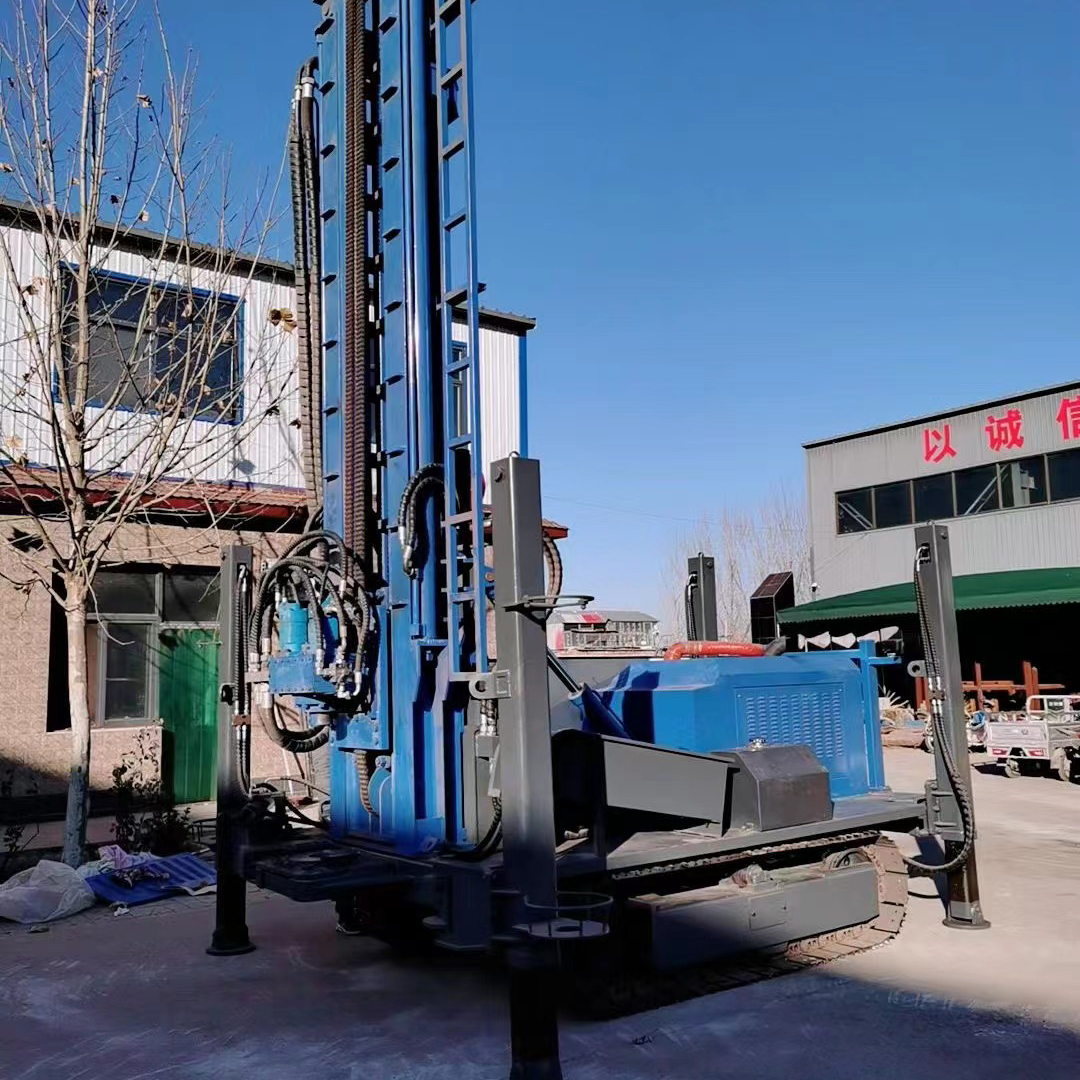


When using new drill rods, ensure that the thread at the front end (protector shaft) is also relatively new. A worn thread on the turning ring can easily damage the thread of the new drill rod, leading to issues such as leakage, jamming, and loosening.
When conducting the first drilling with a drill rod, it is essential to "wear in the new threads" first. This involves applying thread oil first, then fully tightening the drill with the machine, followed by opening the threads, reapplying thread oil, and then opening them again. Repeat this process three times to prevent new wear and thread binding.
3. Keep the drill rod as straight as possible underground and above ground to avoid lateral stress on the threaded section, which can cause unnecessary wear and even thread jumping. It's crucial to securely anchor the drilling rig to prevent movement during construction.
4. Tighten slowly when screwing on to minimize overheating and wear.
Each time you tighten the screw, ensure it is fully torqued and regularly check the condition of the clamping blades.
6. Reducing the distance from the drilling rig to the ground entry point, as insufficient support for the drill rod can easily cause bending and deformation during its advancement, leading to a shorter lifespan.
Keep the entry angle as small as possible and gradually change the angle according to the safety requirements of the drill rod.
Do not exceed the large bending radius of the drill rod, especially when transitioning to horizontal sections during drilling and when changing to the exit angle upon withdrawal.
Maintain the alternating use of drill rods to prevent the fixed rod from guiding and expanding, as they must be alternated to avoid over-wearing and rod breakage.