

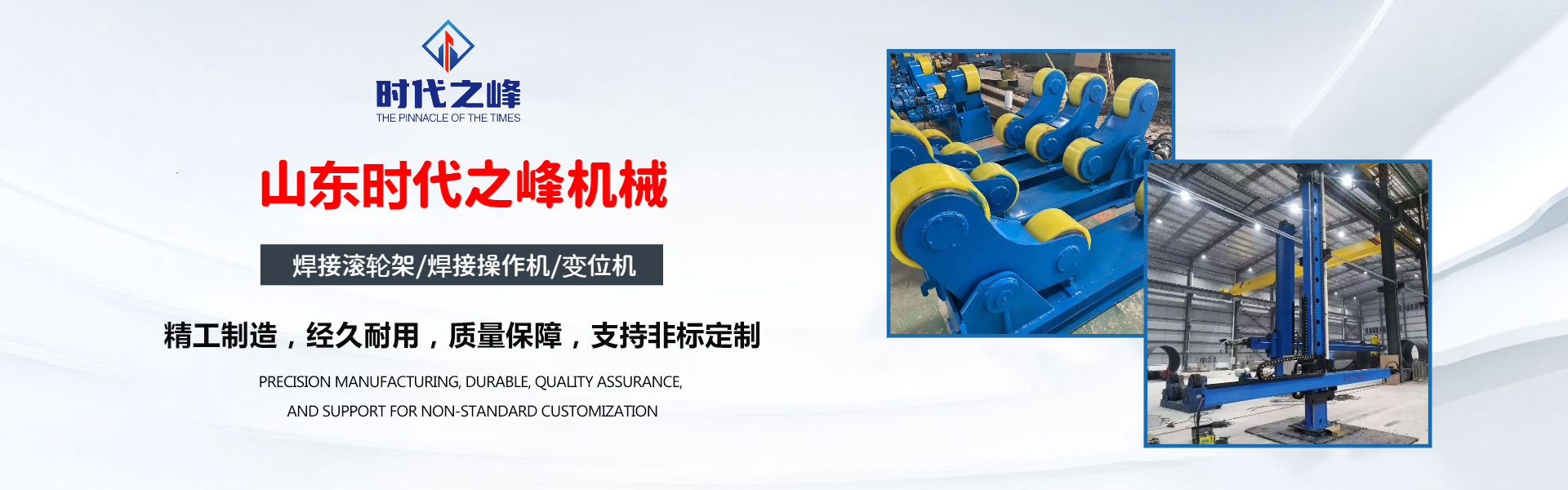
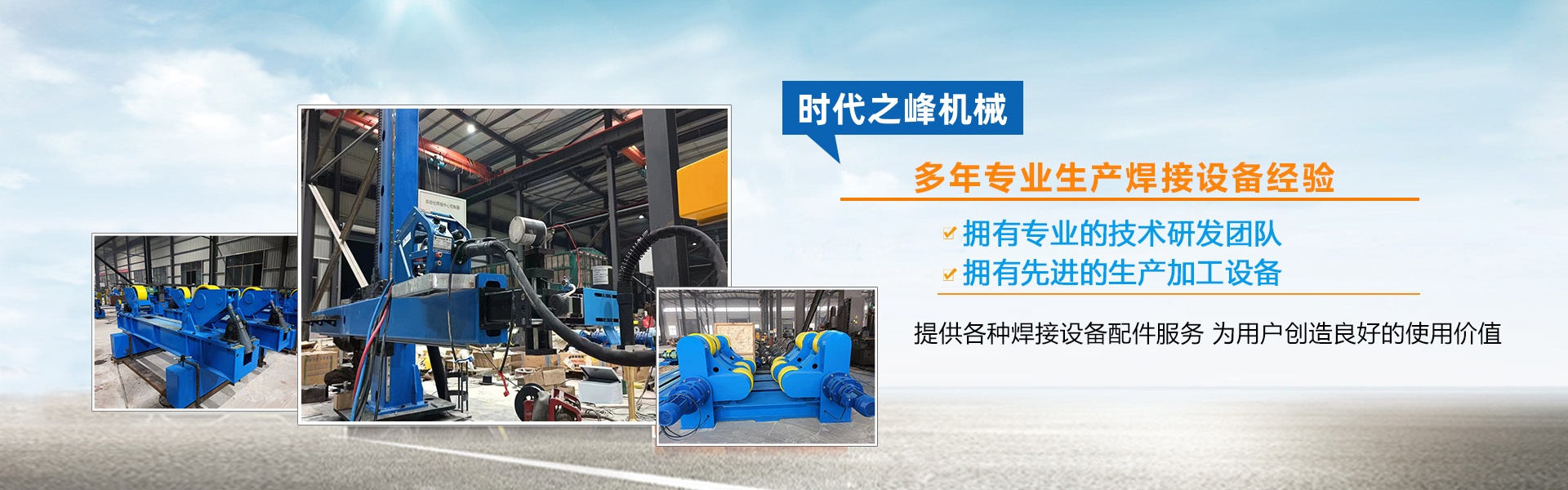


The appearance and design of welding positioners vary greatly, mainly depending on their type and function. Below are several common types of welding positioners and their distinctive appearance features:
Single-axis Positioning Machine: These machines typically feature a rotating axis for adjusting the welding angle of workpieces. They have a sleek design, primarily consisting of the rotating mechanism, support frame, and control system.
The Dual-Axis Positioning Machine: The dual-axis positioning machine features two rotating axes, enabling adjustments of workpieces in multiple directions. While its appearance is more complex compared to the single-axis machine, it also emphasizes stability and practicality.
The L-Shaped Positioner: Named for its distinctive L-shaped structure, this design allows for easy angle adjustments of workpieces during the welding process.
Portable Welding Positioner: These positioners are characterized by their mobility, often equipped with wheels or tracks for easy movement within factories or workshops. Their design may include a movable base and a rotating worktable.
The Telescopic Arm Welding Positioner: The telescopic arm welding positioner features a telescoping arm to accommodate various sizes of workpieces. Its distinctive feature lies in the design of the telescopic arm, which provides the positioner with enhanced flexibility.
In summary, welding positioners come in a variety of designs, each with its unique features. In practice, one should select the appropriate welding positioner based on specific requirements and working conditions.
