
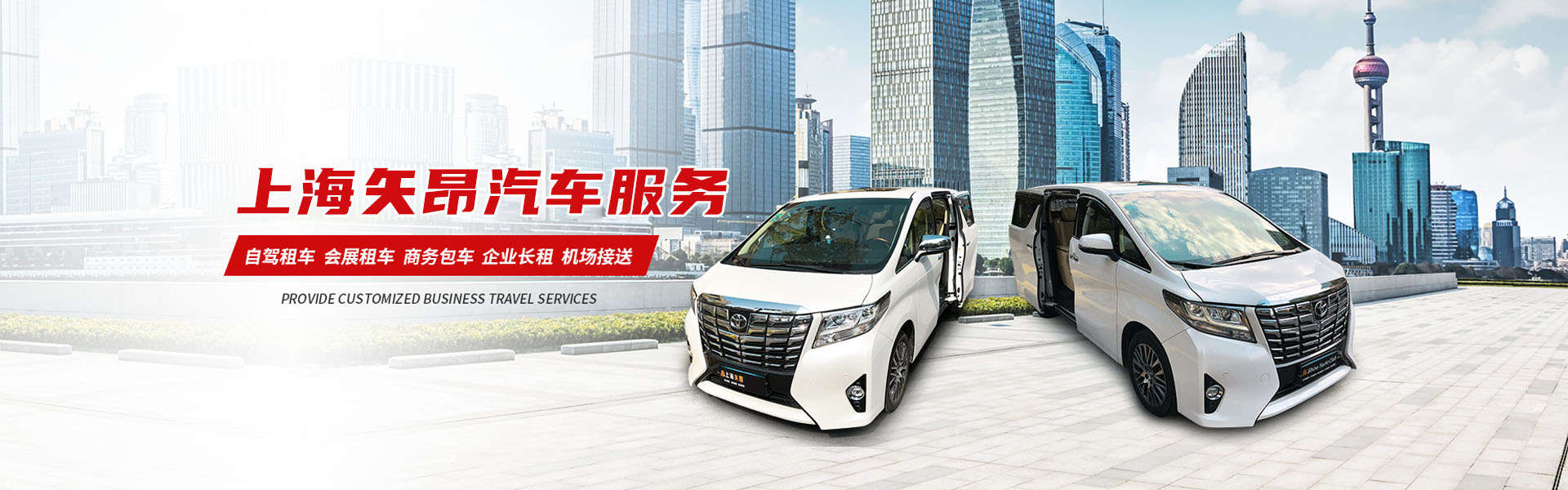


When renting a coach bus, there are several considerations to keep in mind:
Permits and Insurance: Ensure that the rented buses have legal permits and adequate insurance. The vehicle should be equipped with necessary legal documents and permits, such as operation licenses and vehicle registration certificates.
Vehicle Condition: Before renting, inspect the overall condition of the vehicle, including tires, braking system, engine, fuel consumption, etc. Ensure the safety, reliability, and comfort of the bus during the ride.
Driver Qualifications and Professionalism: Verify drivers' licenses, work experience, and relevant documents. Understand the drivers' safety records and service attitude to ensure the provision of professional driving services and a positive customer experience.
Contract and Fees: Enter into a contract with a rental car company and thoroughly understand the lease terms, including the fee structure, responsibility allocation, and details on deposit refunds. Ensure you are familiar with and agree to the contract terms to avoid disputes later on.
Vehicle Planning and Scheduling: Plan driving routes and times in advance to ensure ample time for travel and rest during the rental period.协商 with the driver to avoid overexertion and overloading.
Maintain Communication: Keep a good line of communication with rental companies, inform them of any itinerary changes, driving requirements, and other special needs in advance. Timely communication enhances service quality and efficiency, as well as the ability to handle emergencies.
In addition to the aforementioned considerations, other factors should be taken into account based on specific needs and scenarios, such as vehicle capacity, additional fees, and cancellation policies. It is particularly important to carefully read the contract and understand all terms and details before renting, ensuring that both you and your passengers' rights and safety are protected.
