


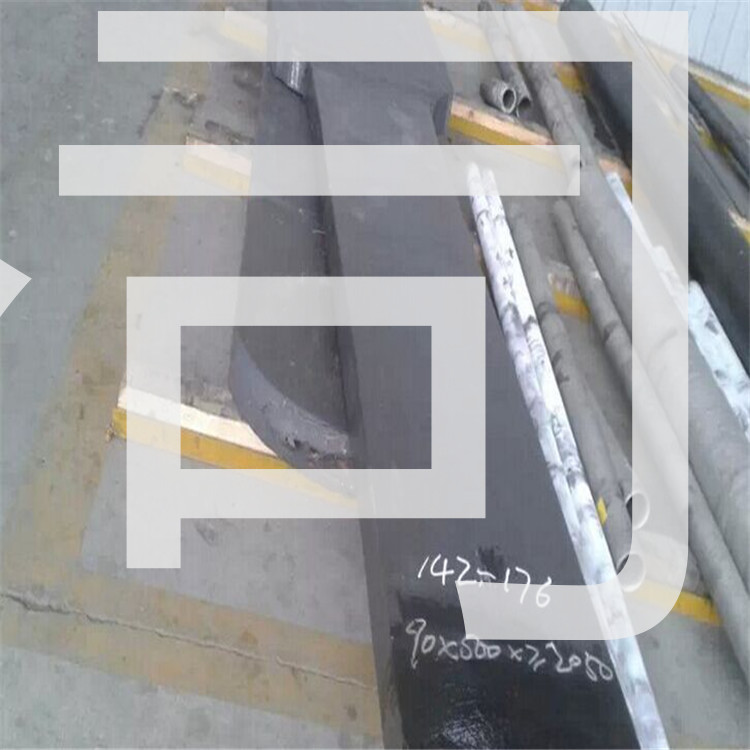
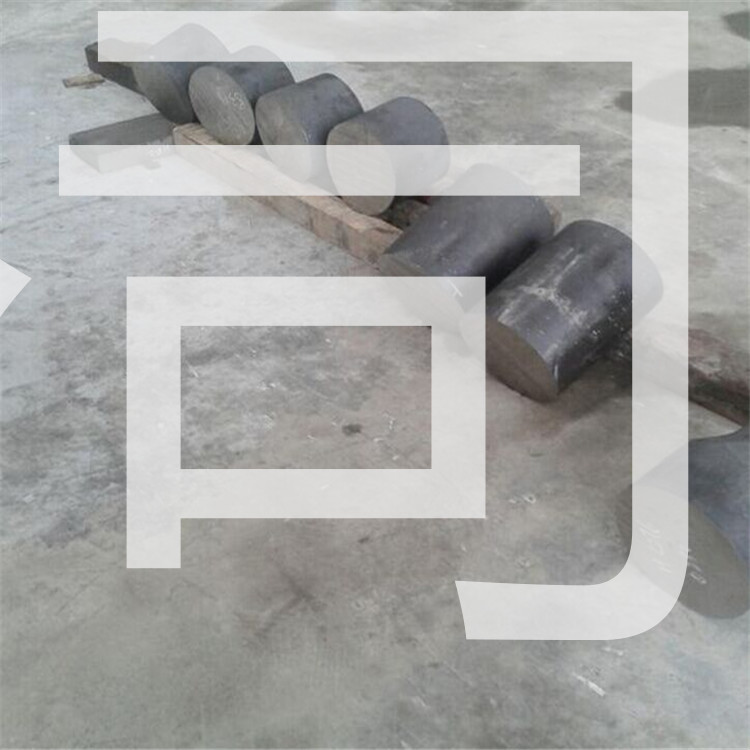
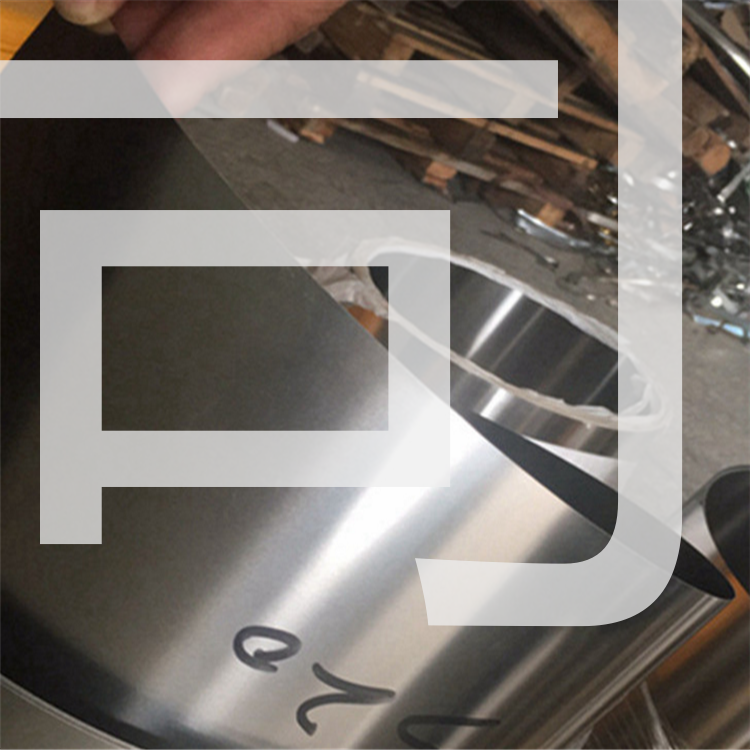
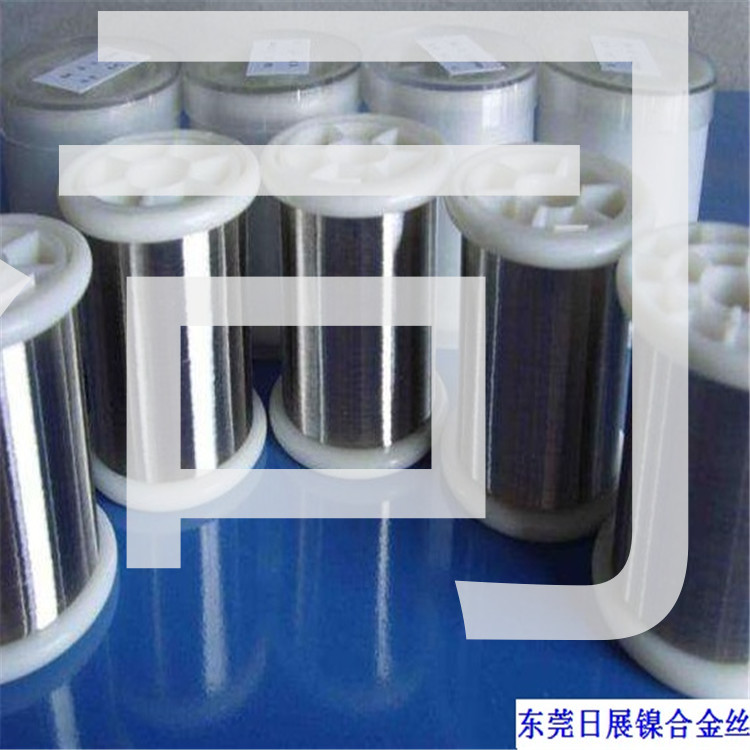
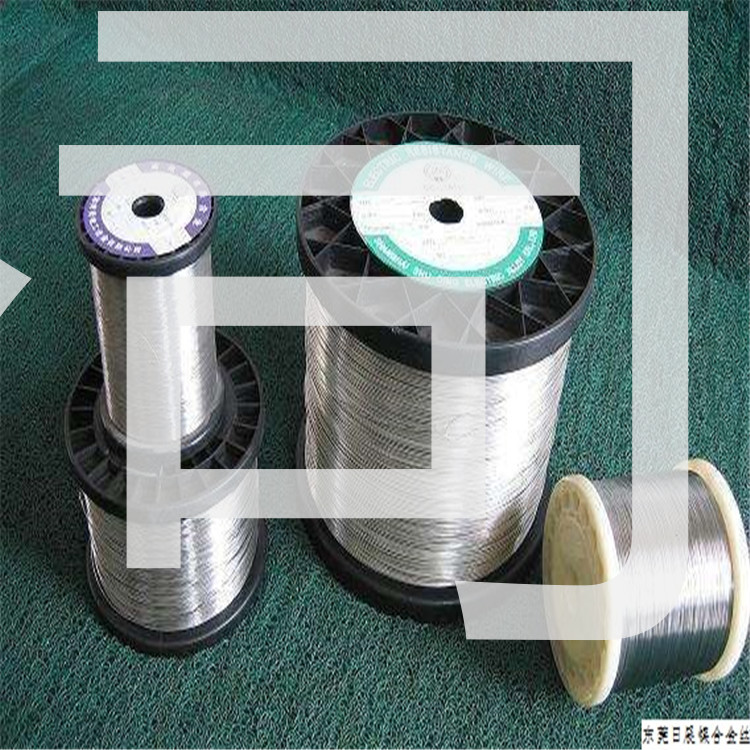
Constantan is a copper-nickel based resistive alloy. Its resistivity is slightly higher than that of manganin, with a linear relationship between the resistance-temperature curve. It boasts good oxidation resistance and workability. Due to its high copper-thermoelectric potential rate, this alloy is limited to the manufacture of fine resistors for AC use, sliding resistors, starting, tuning transformers, and resistance strain gauges for use at temperatures below 200°C. It can also serve as low-temperature electrical heating elements below 100°C.
Material Number: Constantan 6J40.
Similar Brand: Konstantan (Germany).
Technical specification: GB/T 6145-1999 "Fine Resistive Manganese Bronze, Constantan Alloy Wires, Sheets, and Strips."
Chemical Composition:
Sulfur (0.020) Nickel (39~41) Carbon (0.10) Manganese (1~2) Silicon (0.10) Copper (balance)
Iron (0.5) Aluminum (0.01)
Physical and Chemical Properties
Thermal Performance
Melting temperature range: 1270°C.
Thermal conductivity λ = 22.9 W/(m·°C).
Specific heat capacity c = 393 J/(g·°C).
Coefficient of linear expansion a = 15×10^-6 C^-1.
Density p=8.88 g/cm³【2】.
Electrical properties
Resistivity: Soft state resistivity p=0.44~0.55 μΩ·m, hard state resistivity p=0.46~0.50 μΩ·m.
Resistive Temperature Coefficient αR (20-50°C)')=(-40~+40)×10-6℃-1。
The average thermal electromotive force rate of copper, Ecu (0~100°C) = 40~45 μV/°C.
Melting and Casting Processes - Available for melting with a medium-frequency induction furnace and remelting in an electroslag furnace.
Konstantan is a typical fine resistance alloy with general application. It is mainly used for various fine resistance elements under AC conditions. The bare wire can be used below 500°C, but the high operating temperature should depend on the heat resistance of the coating after it is painted. After the alloy is heated and oxidized in air, it forms an adhesive oxide film on the surface, which can serve as an insulator.
Constantan wire is a resistive alloy primarily composed of copper and nickel, featuring a low temperature coefficient of resistance, a wide operating temperature range (below 500 degrees), excellent machinability, corrosion resistance, and ease of welding. It can be used to manufacture variable resistors and strain gauges for AC instruments. Nichrome wire has high resistivity, is oxidation-resistant, possesses good machinability and welding properties, and maintains high strength at high temperatures. It is used in the manufacturing of heating elements for industries such as metallurgy, chemicals, machinery, glass, ceramics, and household appliances. Additionally, it is used in voltage regulators for various types of motors, such as motorbikes, trams, and trolleybuses, including starting and braking resistors.
