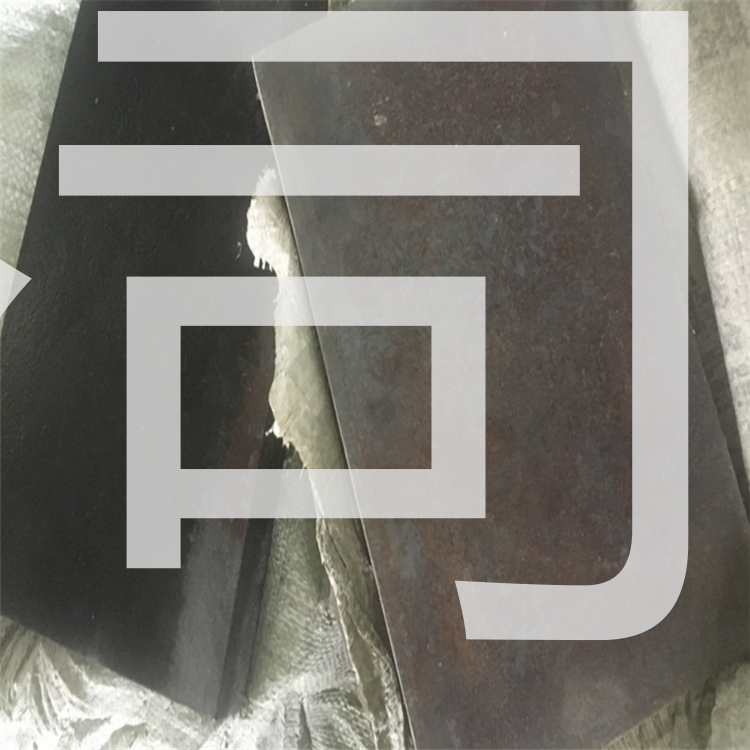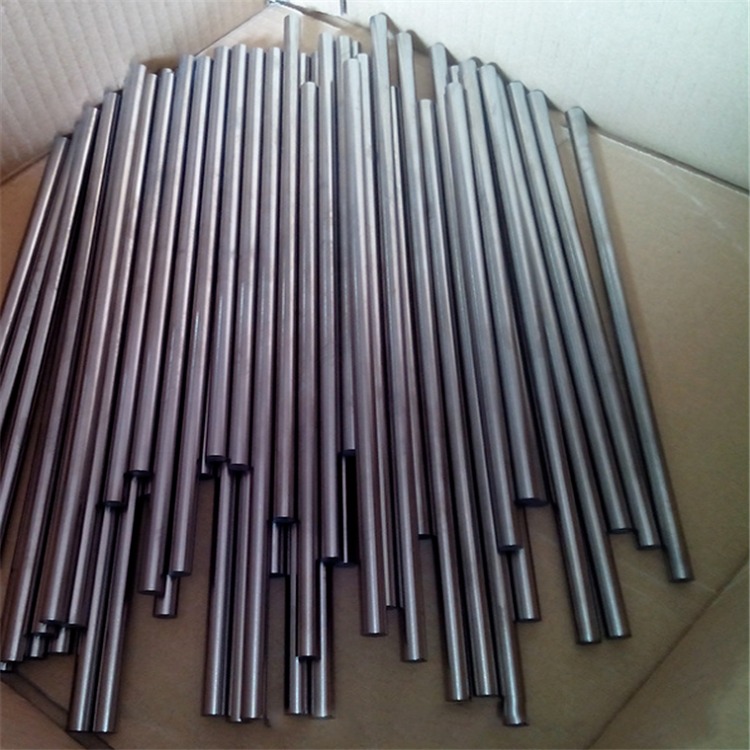
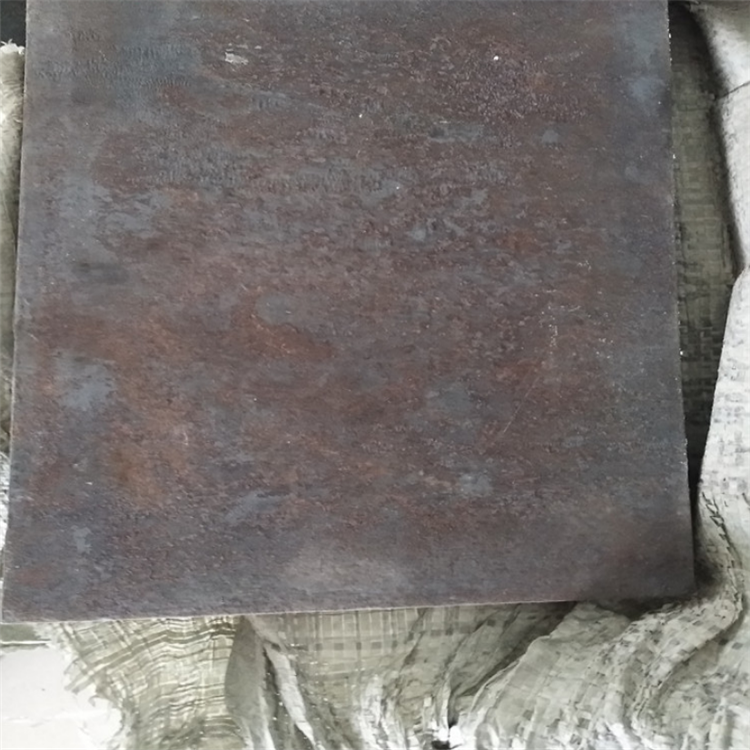


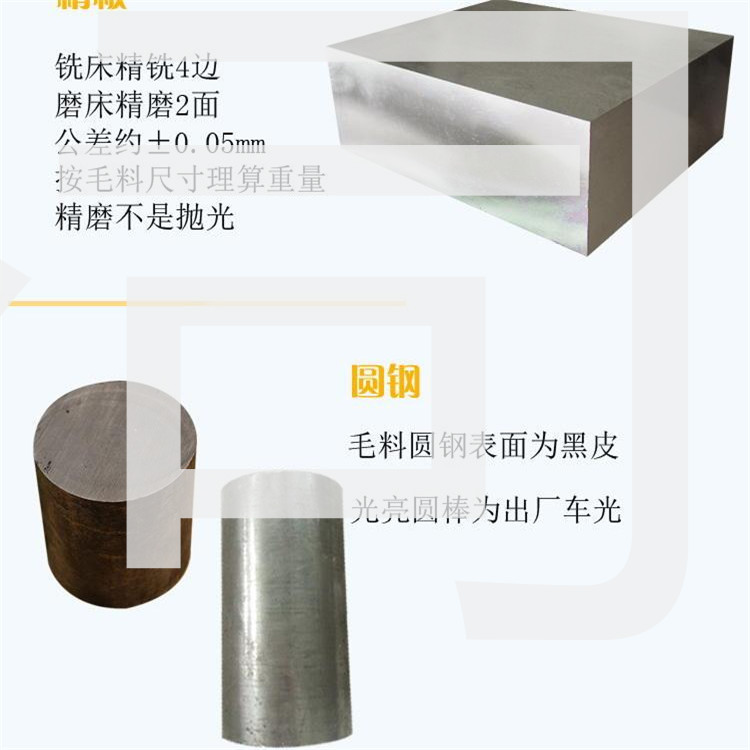
15-15HS Max U.S. Imported Non-Magnetic Stainless Steel Round Bars, P550, 718 Aoyuda Japanese Imported Non-Magnetic Steel
Primarily for processing: magnet-free drill stems, magnet-free pressure drill rods, magnet-free directional couplings, hanger stubs, and transition joints.
Non-magnetic drilling tools imported with non-magnetic stainless steel feature excellent low magnetic permeability, high mechanical strength, and good resistance to intergranular corrosion and cracking. The production process strictly adheres to API Spec 7-1 and SY/T 5144 standards, and can also comply with DS-1 specifications.
The main indicators for measuring the performance of magnetically non-magnetic drill stems are: magnetic permeability and resistance to pitting equivalent. The calculation method for the resistance to pitting equivalent is:
Pitting Corrosion Equivalent(PRE)=%Cr 3.3%Mo 16%N
High-quality non-magnetic stainless steel materials from overseas include Carpenter's 15-15LC and Bleckmann's P550. The general pitting resistance equivalent (PRE) for domestic non-magnetic stainless steel is typically over 20, while the PRE for 15-15 is usually above 30. An experiment was conducted: non-magnetic stainless steel materials with a PRE of 20 have a lifespan of 1 year (severe corrosion), whereas those with a PRE over 30 show only slight corrosion after 8 years of use.
The 15-15 series materials consist of three types with varying strength and corrosion resistance: 15-15LC, 15-15HS, and 15-15HSMAX. Their respective yield strengths are: 862Mpa, 1000Mpa, and 1112Mpa. They exhibit excellent corrosion resistance to both acidic oil and gas.
Ingredients:
C 0.04% Mn 16-19% Cr 18-21% Ni 3% N 0.5-0.8% Mo 0.5-3%
Magnetic-free stainless steel is one of the important and commonly used materials in the oil drilling field, typically used for manufacturing:
Non-Magnetic Drill Collars
MWD/LWD Collar Protective Cover
Rotary Steerable Drilling Tool
Stabilizer
Due to insufficient consideration of corrosion resistance during the domestic design of this steel model, coupled with the increasingly harsh conditions of modern oil drilling environments (high temperature, high pressure, high corrosion, etc.), domestic non-magnetic stainless steel has gradually revealed its limitations in application.
Imported non-magnetic stainless steel is increasingly being used in the oilfield equipment sector. Its excellent performance protects the electronic components within the equipment, significantly reducing the frequency of repairs and replacements, as well as lowering maintenance costs.
Now recognized worldwide as top magnetic-free stainless steel manufacturers and products include:
15-15HS Max (Carpenter's, USA)
NMS140 (About Yorganson in the U.S.)
P550 (P530, P750) (Austrian SBS)
DATALLOY 2 (ATI, USA)
15-15HS MAX (Carpenter USA)
15-15HS Max is a high-nitrogen strengthened austenitic stainless steel. It is used in the oil and gas industry for materials in non-magnetic drilling vessels, stabilizers, and MWD shells with yield strength of no less than 140KSI. Compared to standard chromium-manganese stainless steel, the lower carbon content of 15-15HS Max reduces the tendency for carbide precipitation at grain boundaries, significantly enhancing the material's resistance to intergranular corrosion cracking. Additionally, the presence of nickel, chromium, nitrogen, manganese, and molybdenum elements greatly strengthens the material's resistance to internal corrosion cracking and pitting. The standard 15-15HS Max material has a pitting resistance equivalent greater than 30.
The drill collar is primarily used to provide drilling pressure to the drill bit, keeping the drill string in a tensioned state, and with its greater rigidity, it supports the drill bit to maintain the wellbore trajectory. The production process strictly adheres to API Spec 7-1 and SY/T 5144 standards.
The role of heavy-duty drill rods: Used at the bottom of the drilling tool assembly to replace the weight on the drill stem, reducing contact area with the wellbore in directional drilling operations, minimizing frictional resistance, facilitating sliding operations, enhancing underground safety, and benefiting the control of directional well parameters. Also serves as a transition section between the drill stem and drill rod to mitigate changes in stiffness.