






- AllProduct Category
-
Insect-Killing Lamp
Wireless Valve Control
Fertilizer and Pesticide Equipment
Smart Greenhouse Control
Soil Moisture/Meteorological Station
Irrigation Filtration Equipment
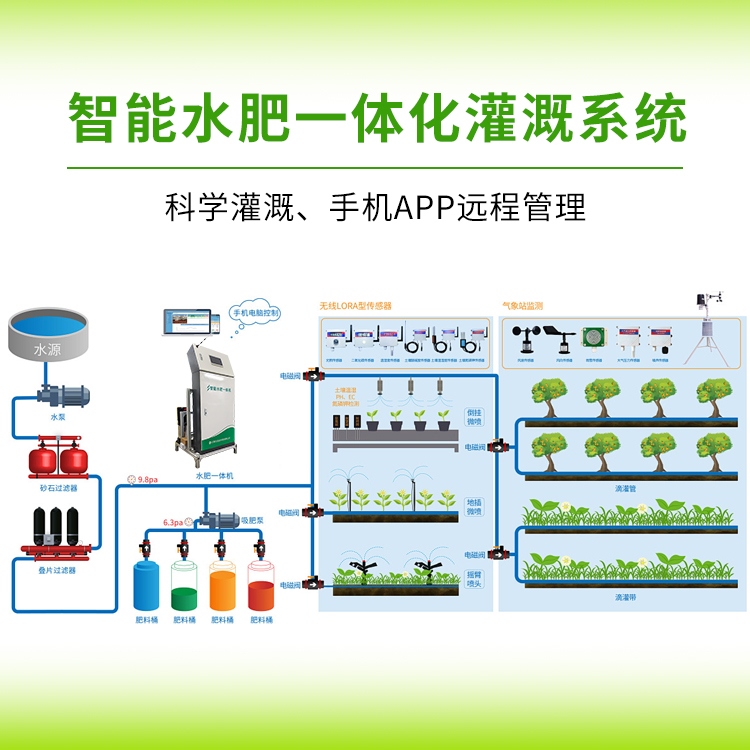
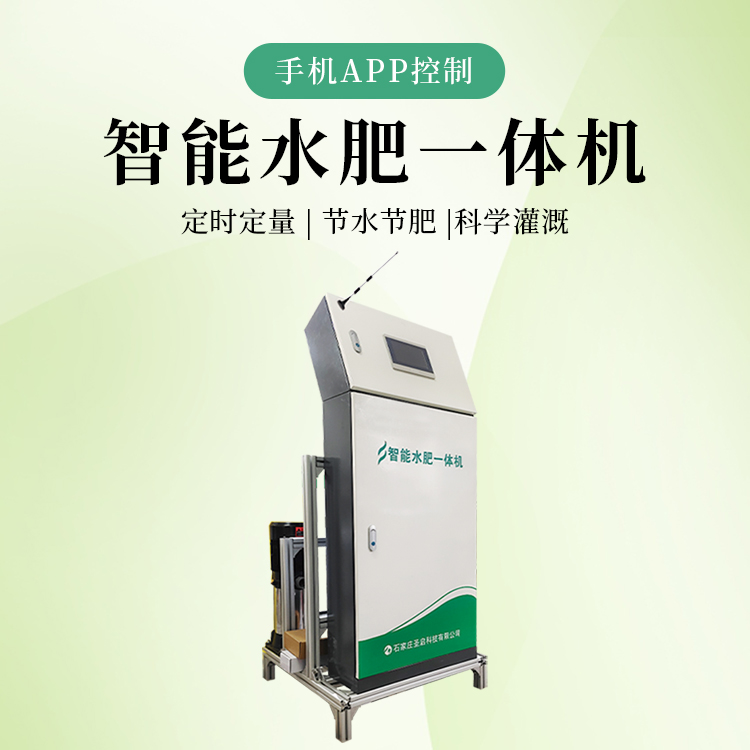
Water-Soluble Fertilizer Integration
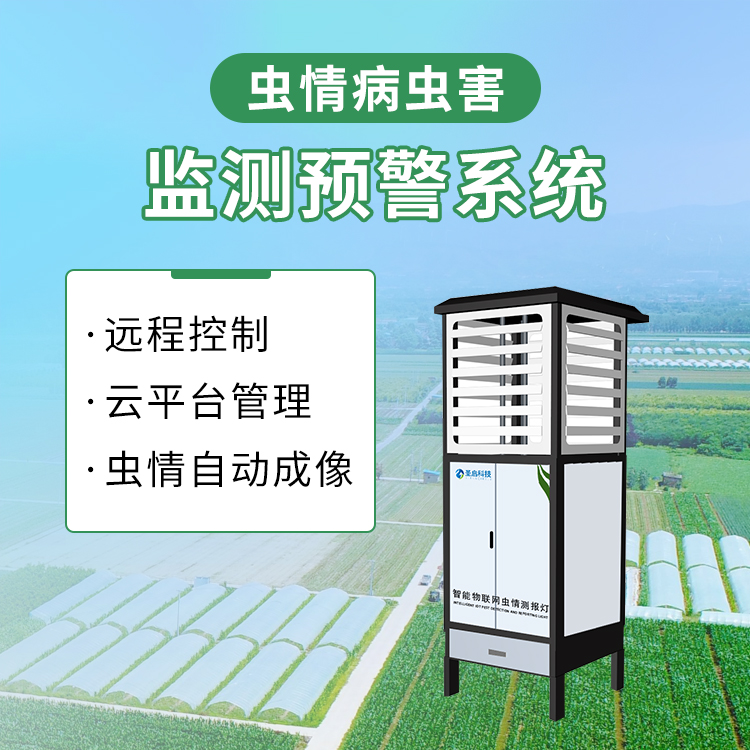
Pest/Disease Monitoring
Agricultural IoT



详情描述
Principle Overview
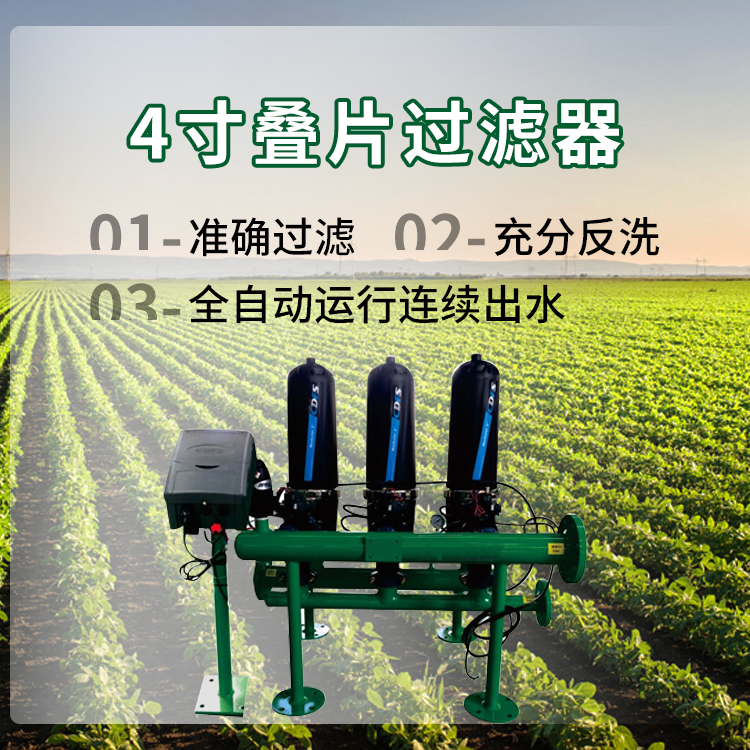
 The pleated filter element is composed of a set of plates with grooves on both sides. The intersection points formed by the grooves trap solid particles in the water. With both surface interception and coagulation effects, the filtration efficiency is significantly improved. Moreover, due to the pleated filter system's features such as backwashing, automatic continuous operation, low water consumption, small land occupation, and reliable operation, the backwashing process of the filtration system is carried out in a cyclic alternating manner, with automatic switching between working and backwashing states, ensuring continuous water output, and minimal system pressure loss, thus highlighting the technical advantages of the pleated filter system.
To accomplish the automatic backwashing task of the stacked plate filter, high-flow stacked plate filter stations are generally composed of multi-unit assemblies.
The filter unit is molded from a shell made of high-pressure-resistant nylon combined with reinforced glass fiber material, and is secured with a convenient stainless steel clamp.
*The filter core holder is a complex telescopic cylindrical structure, formed in one injection molding process. The hydraulic actuating mechanism is housed within a well-sealed cylindrical structure, preventing clogging and failure, and extending service life.
The strength of the polypropylene matting, compressed within the filter core body, forms a robust cylindrical filtration system, reliably meeting various precision filtration requirements.
The inlet and outlet pipes of the filter station are available in spray-painted carbon steel, stainless steel, and pure plastic polyethylene for customer selection.
The pleated filter system is operational, with the filter system having two operating states: filtration and backwashing.


Filtering Mode: In the filtering state, turbid water passes through the stacked sheets outside the filter core. Under the force of springs and fluid pressure, the stacked sheets are pressed tightly together. Impurity particles are trapped at the intersections of the sheets, and the filtered clean water flows out of the filter.
Reverse flush mode: Upon reaching a certain pressure differential or time, the system automatically enters a reverse flush state. The control system adjusts the valve to change the water flow direction. The reverse water pressure tightens the spring, releasing the stacked plates. Nozzles on the filter core support shoot along the tangent, causing the stacked plates to rotate and wash away any trapped impurities.
Product Features


Laminated Filter Design Selection
Original Water Quality Classification:
A. Superior Water Quality: City tap water, well water drawn from a stable aquifer.
B. General Water Quality: Recirculated chilled water, settled surface water, effluent treated through sedimentation and complete biological treatment.
C. Poor Water Quality: Groundwater extracted from aquifers with very poor water quality, settled but not or only minimally biologically treated effluent, and surface water with abundant microbial proliferation.
D. Poor Water Quality: Well water extracted from very dirty or iron/manganese-rich wells, surface water affected by floods and not settled, and drainage not settled or biologically treated.
Water quality variations greatly affect the filter's operation cycle; typically, when selecting a system, ensure the backwashing interval is not less than 1 hour.
2. Filter Precision Selection:
Selecting the filter accuracy, specifically the disc, is crucial for ensuring the effective application of the stacked plate filter system throughout the water system. Only a reasonable and correct choice can meet the subsequent water quality requirements. The table below recommends filter accuracies for common centralized filtration applications.
The quality of raw water, the required precision after filtration, and the hourly water output are the criteria for selecting our filtration system.
3. Selection of Backwash Mode
3.1 When the inlet pressure exceeds (the backwash pressure + 1.2 kg), and the filtration flow is greater than 5 times the backwash flow, the internal backwashing mode can be selected, and a back pressure valve is not required.
3.2. For water intake pressure exceeding (less than backwash pressure), and filter flow rate greater than 1.5 times the backwash flow rate, the in-situ backwashing mode can be selected, but an automatic backpressure valve must be included.
3.3 In other cases, the external backwashing mode or group backwashing mode must be selected.
Selection Data Sheet


